Develop fine motor skills Worksheets for Ages 3-7
12 filtered results
-
From - To
At Kids Academy, our expertly designed worksheets to develop fine motor skills cater to children ages 3-7. These engaging and fun activities help young learners enhance their hand-eye coordination, dexterity, and muscle control. From tracing lines and shapes to cutting exercises, our printable resources provide a variety of tasks that build foundational skills critical for writing, drawing, and other tasks requiring precision. Perfect for both parents and teachers, these worksheets support children in developing the strong fine motor skills necessary for academic success and everyday activities. Explore our collection and watch your child's confidence and abilities grow!
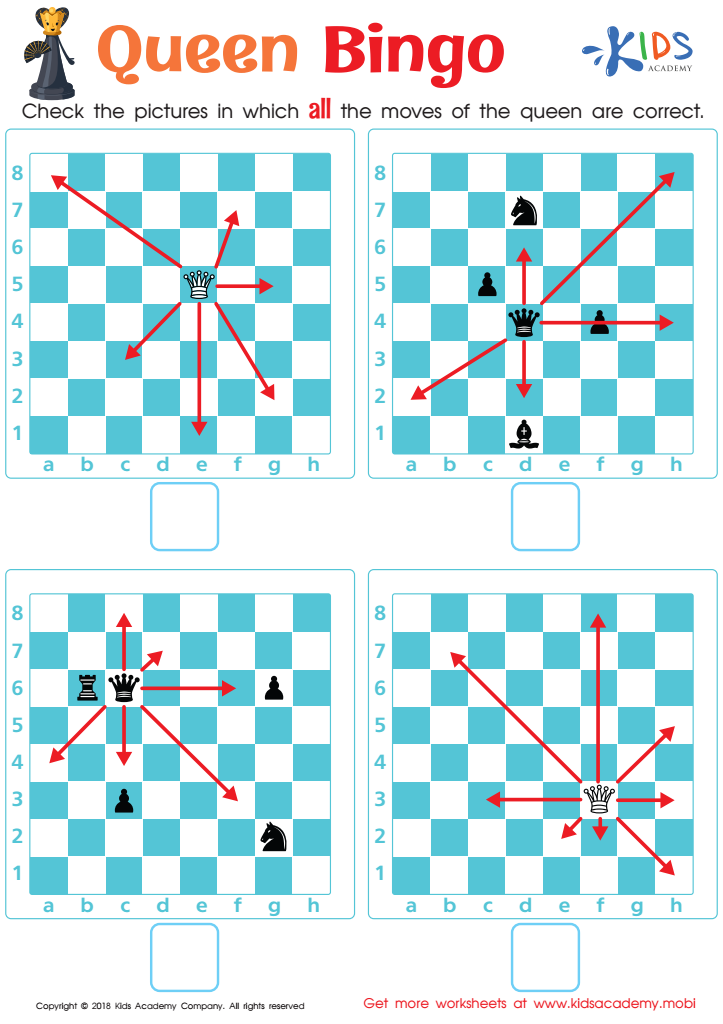
Queen Bingo Worksheet
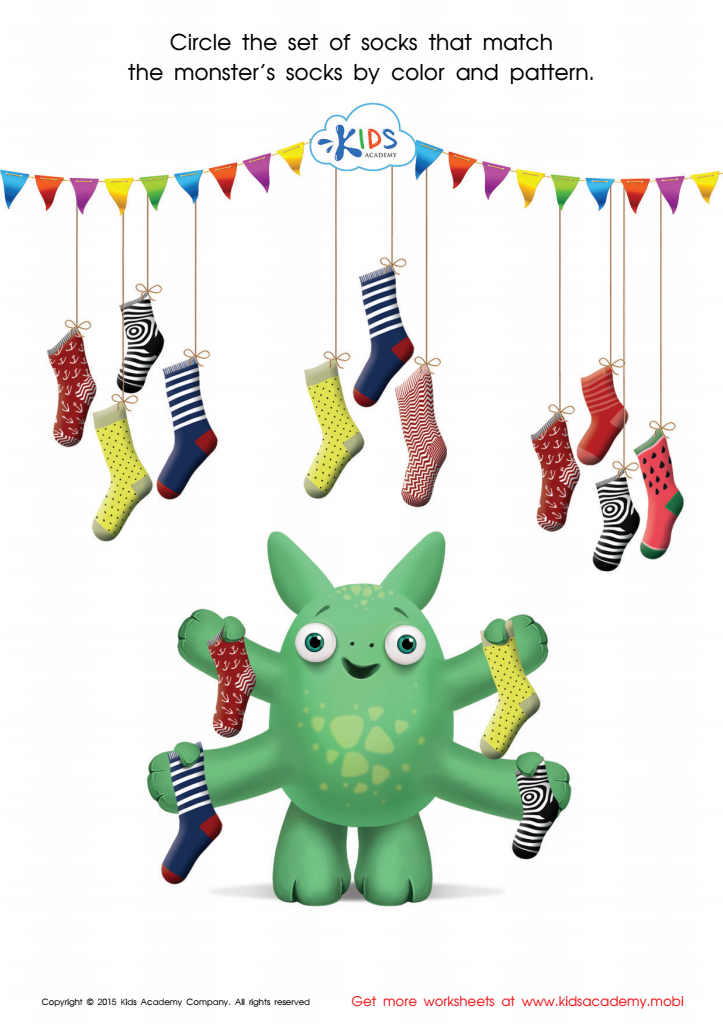
Connecting the Monster's Socks Printable
 Assign to My Students
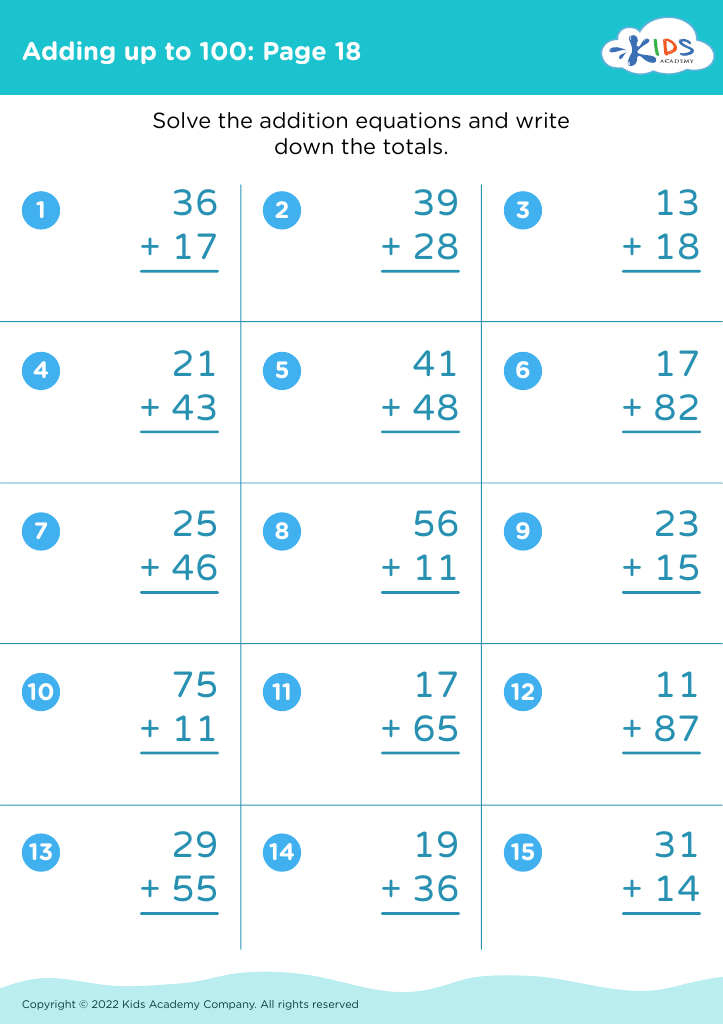
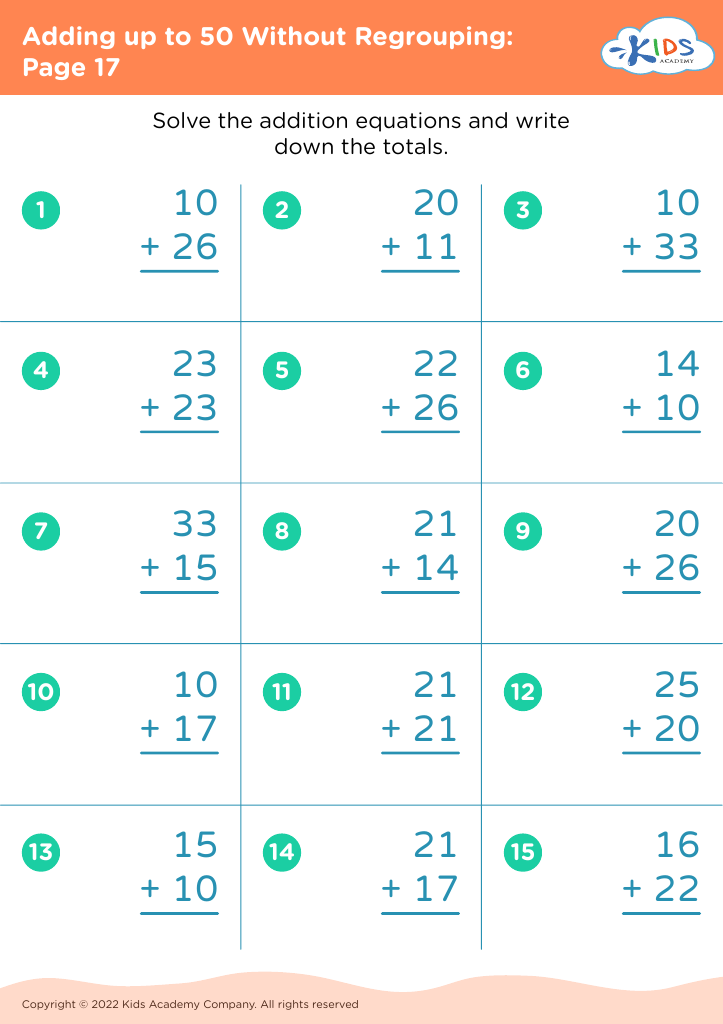
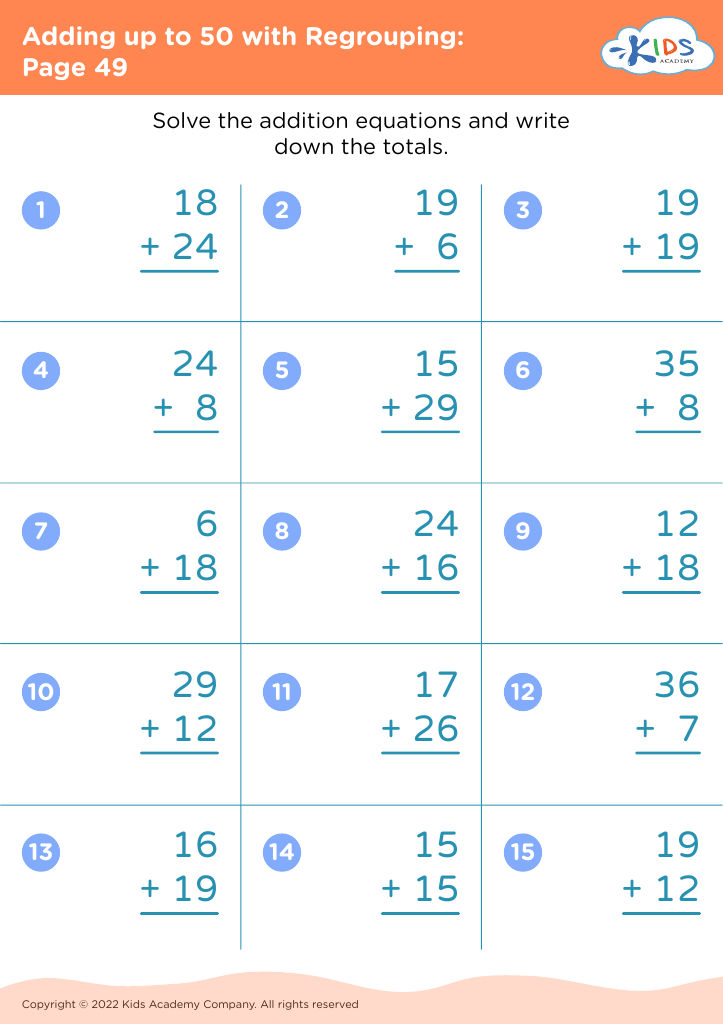
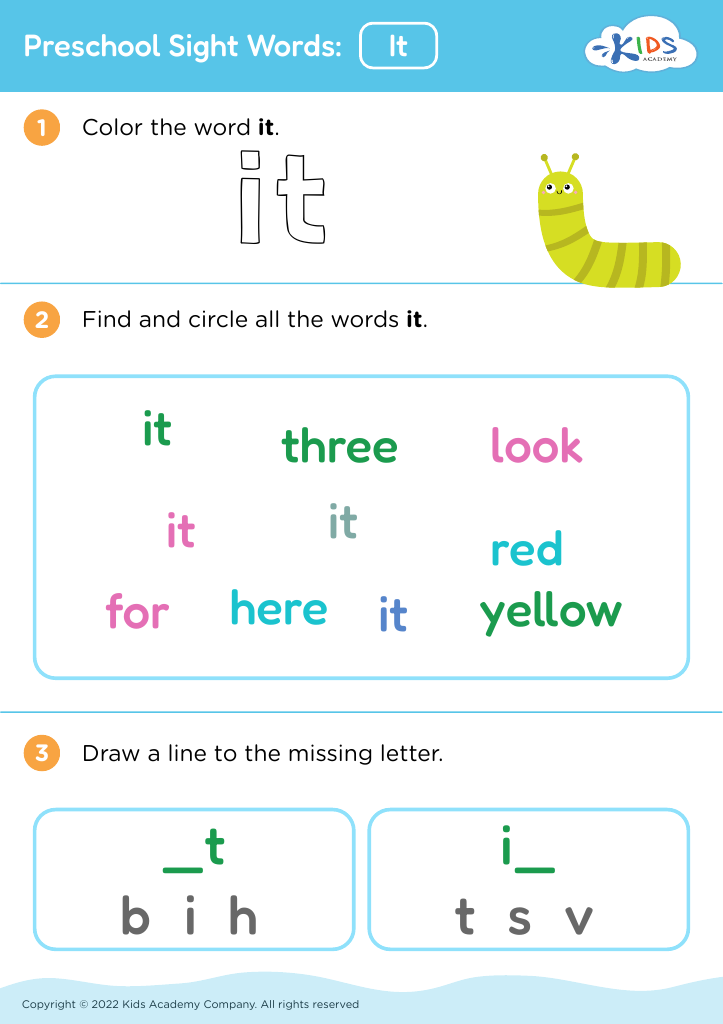








Developing fine motor skills in children aged 3-7 is essential because these skills form the foundation for many everyday tasks and academic activities. Fine motor skills involve the coordination of small muscles in the hands and fingers, which are crucial for tasks such as writing, cutting with scissors, buttoning clothes, and tying shoes.
For parents and teachers, fostering fine motor skills in young children can significantly impact their independence and confidence. When children can manage daily tasks on their own, they feel a sense of achievement and self-reliance. In an academic context, strong fine motor skills are linked to success in drawing, coloring, and writing, which are fundamental components of primary education. Children's ability to participate fully in these activities can enhance their learning and allow them to express their creativity and ideas effectively.
Moreover, well-developed fine motor skills contribute to improved hand-eye coordination and concentration. These skills are not only important for academic success but also for participation in play and sports, further supporting physical and social development. By focusing on fine motor skill development, parents and teachers provide a strong foundation for children's future learning, self-care, and overall growth, making it a crucial aspect of early childhood education.








