Directional understanding Worksheets for Ages 3-7
6 filtered results
-
From - To
Discover our engaging Directional Understanding Worksheets designed for children aged 3-7. These worksheets are crafted to enhance spatial awareness and navigation skills through fun, educational activities. With colorful illustrations and simple instructions, kids will learn to identify left, right, up, and down while boosting their cognitive development and following directions. Our downloadable and printable resources make learning accessible and enjoyable at home or in the classroom. Encourage early learners to build a strong foundation in directional understanding with our expertly designed materials from Kids Academy. Perfect for parents, teachers, and caregivers seeking quality educational tools.
 Assign to My Students
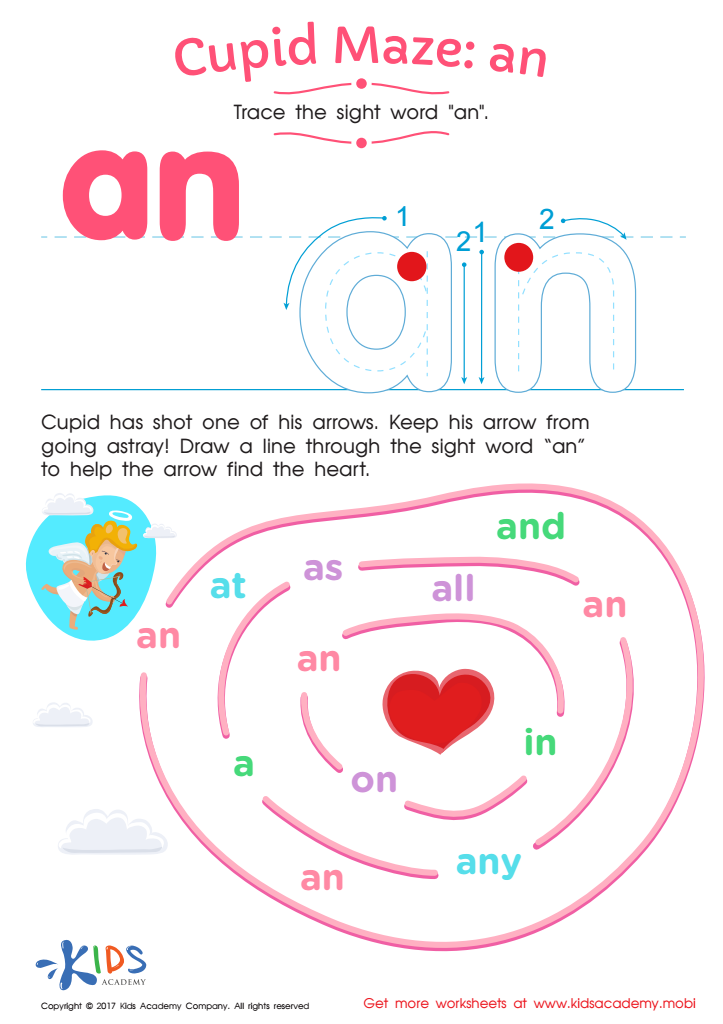
Cupid Maze: An Printable
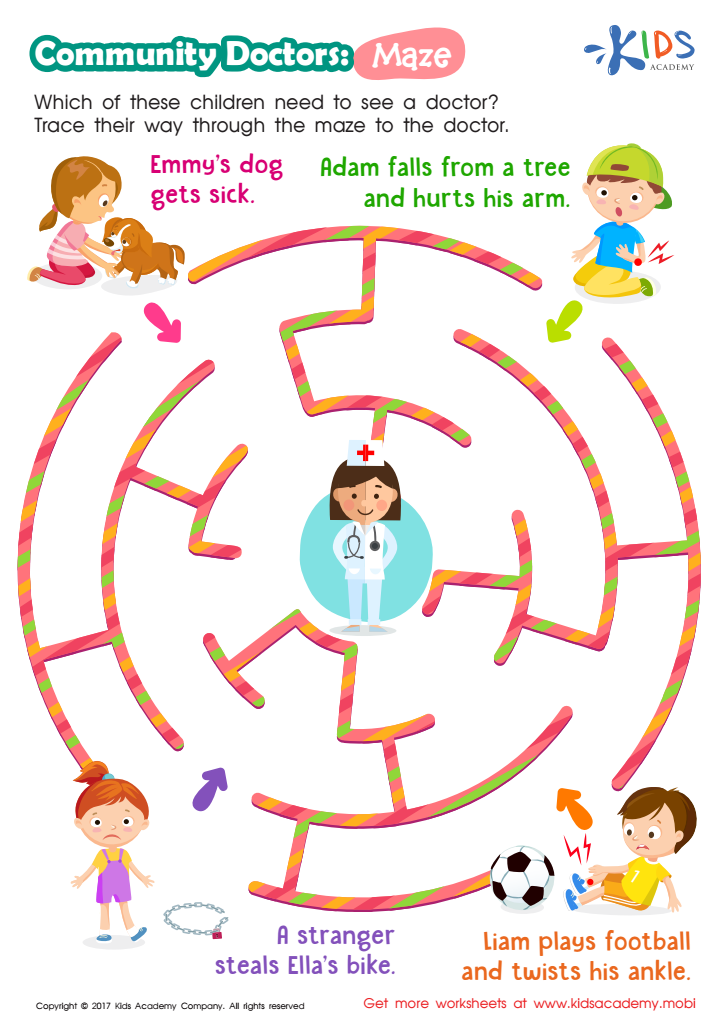
Community Doctors: Maze Printable
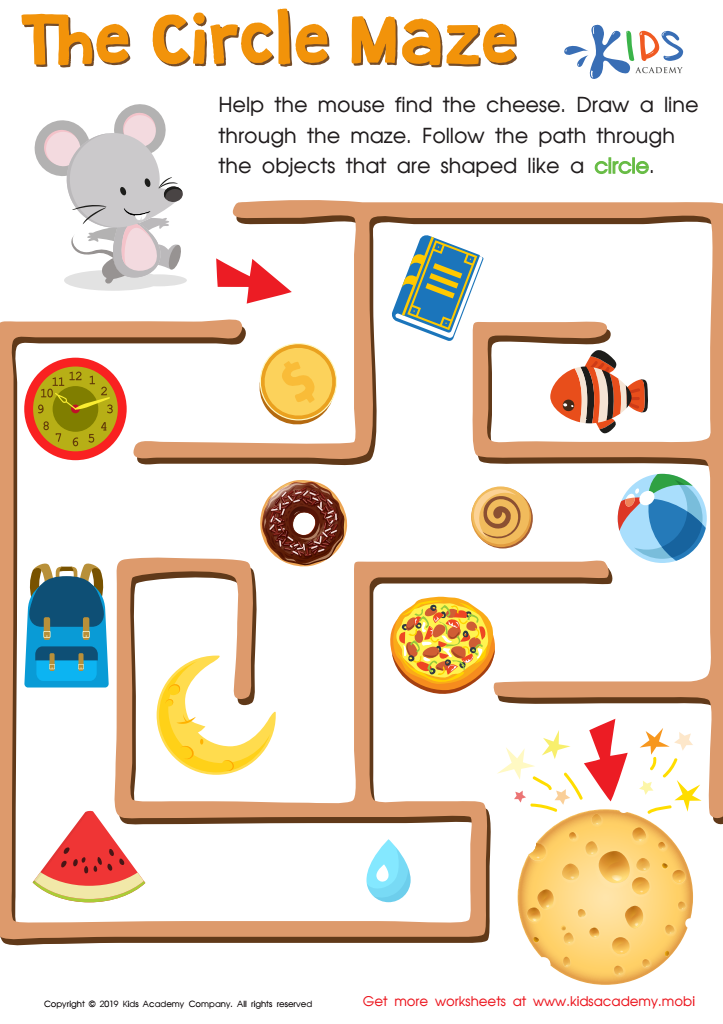
The Circle Maze Worksheet
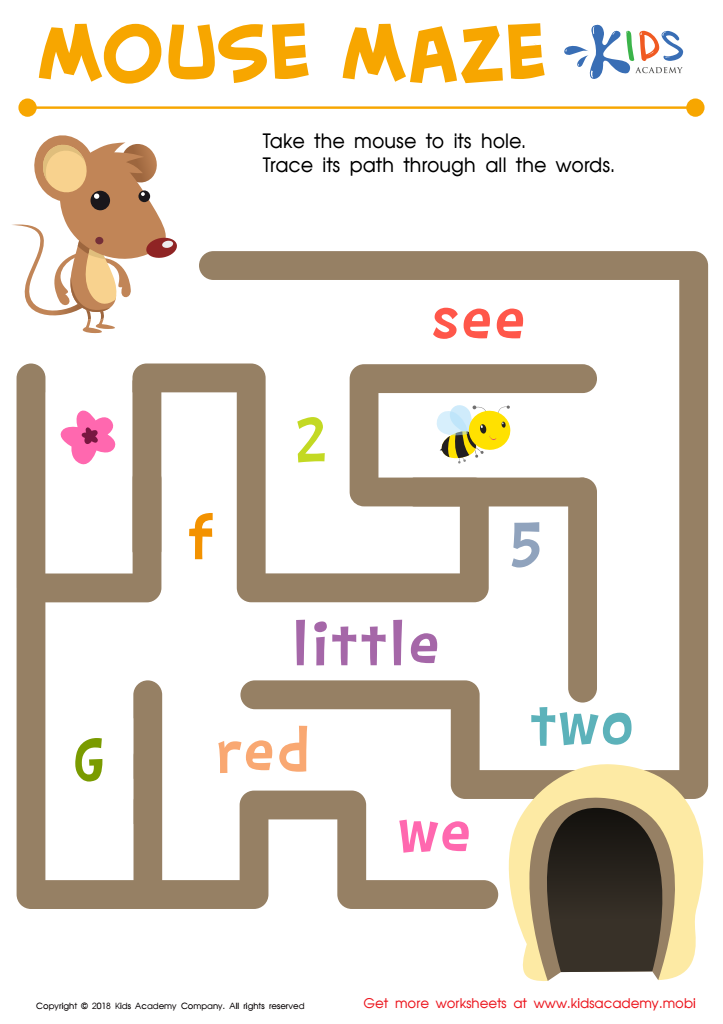
Find Words Mouse Maze Worksheet
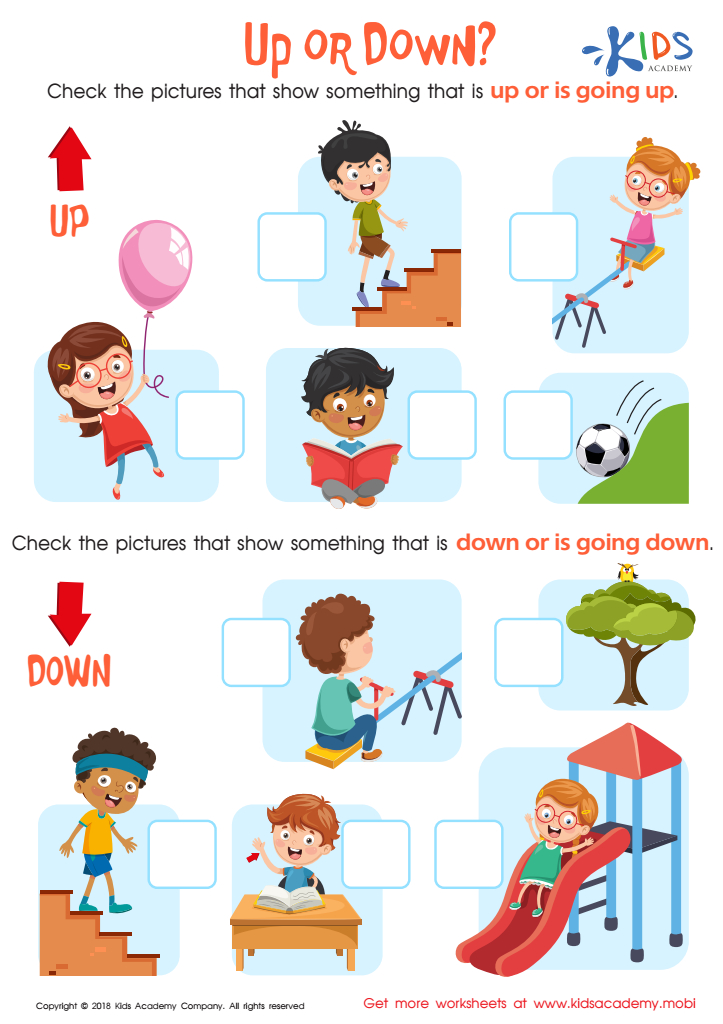
Up or Down Worksheet







Directional understanding is crucial for young children, particularly between the ages of 3 and 7, as it forms the foundation for navigation, spatial awareness, and cognitive development. Knowing directions—such as left, right, up, and down—helps children interact effectively with their environment. For example, it aids them in understanding instructions, following routes, and participating in everyday activities like dressing, reading, and organizing.
From a developmental perspective, directional understanding supports academic skills. It enhances their ability to grasp early math concepts related to geometry, measurement, and the orientation of shapes. It also contributes to literacy, as tracking text from left to right requires spatial awareness. Moreover, it fosters problem-solving skills, improving their ability to follow multi-step instructions and engage in activities requiring logical sequencing.
Socially, being able to give and follow directions boosts children's independence and confidence, allowing them to engage more meaningfully in group activities and games. It also improves safety, as kids learn to navigate different environments, understand road safety, and follow maps or visual cues.
Therefore, parents and teachers should prioritize fostering directional understanding to support well-rounded development, laying a strong foundation for future learning and everyday competence. Educational games, hands-on activities, and consistent practice of directions can nurture this essential skill effectively.








