Enhance logical thinking Worksheets for Ages 3-7
4 filtered results
-
From - To
Discover our "Enhance Logical Thinking Worksheets for Ages 3-7," designed to foster young minds' critical thinking and problem-solving abilities. Our engaging and interactive worksheets feature a variety of fun activities, such as pattern recognition, sorting games, and puzzles that introduce foundational logic concepts. Perfect for at-home learning or classroom enrichment, these worksheets help children develop essential skills while having fun. Tailored for various learning styles, our resources promote independence and creativity, making them perfect tools for teachers and parents alike. Equip your child with the logic skills they need for future academic success – explore our collection today!
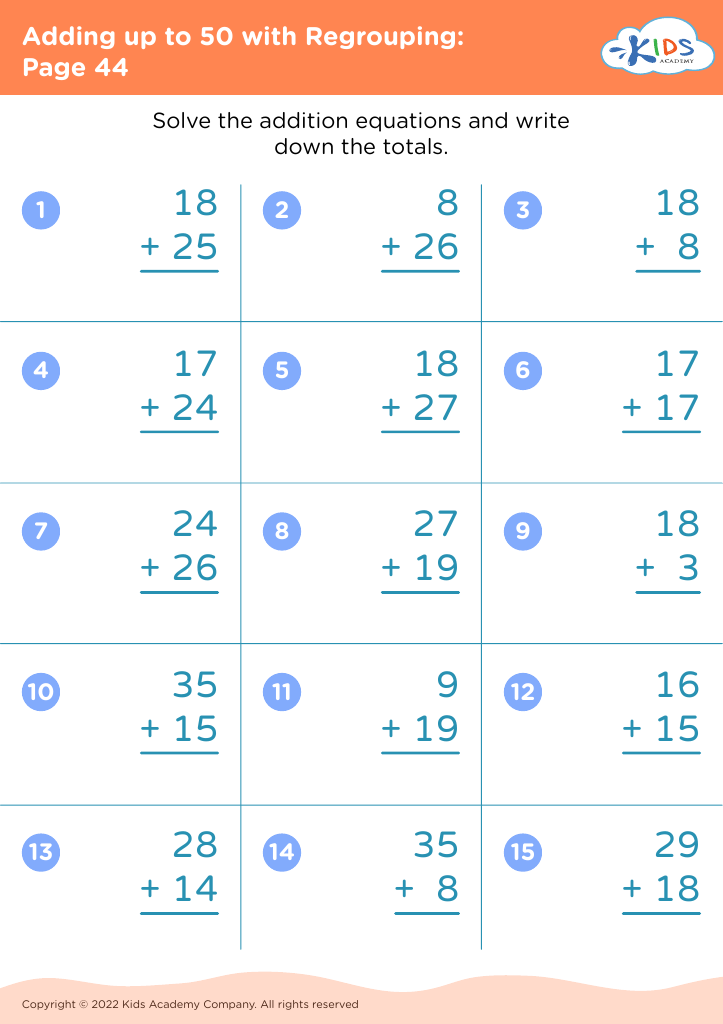
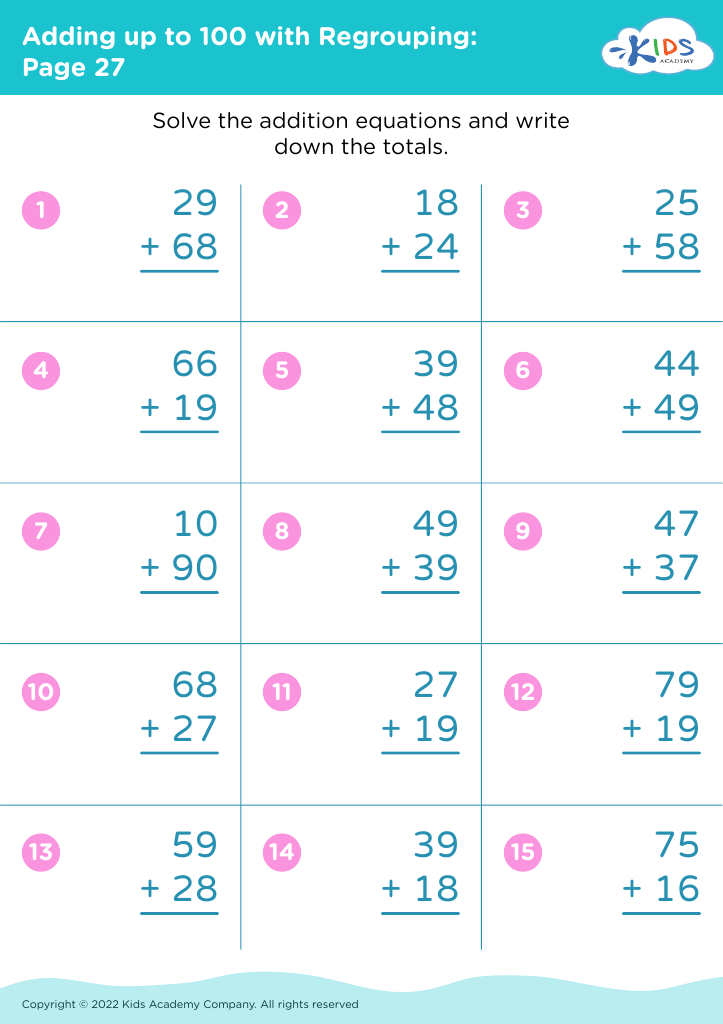
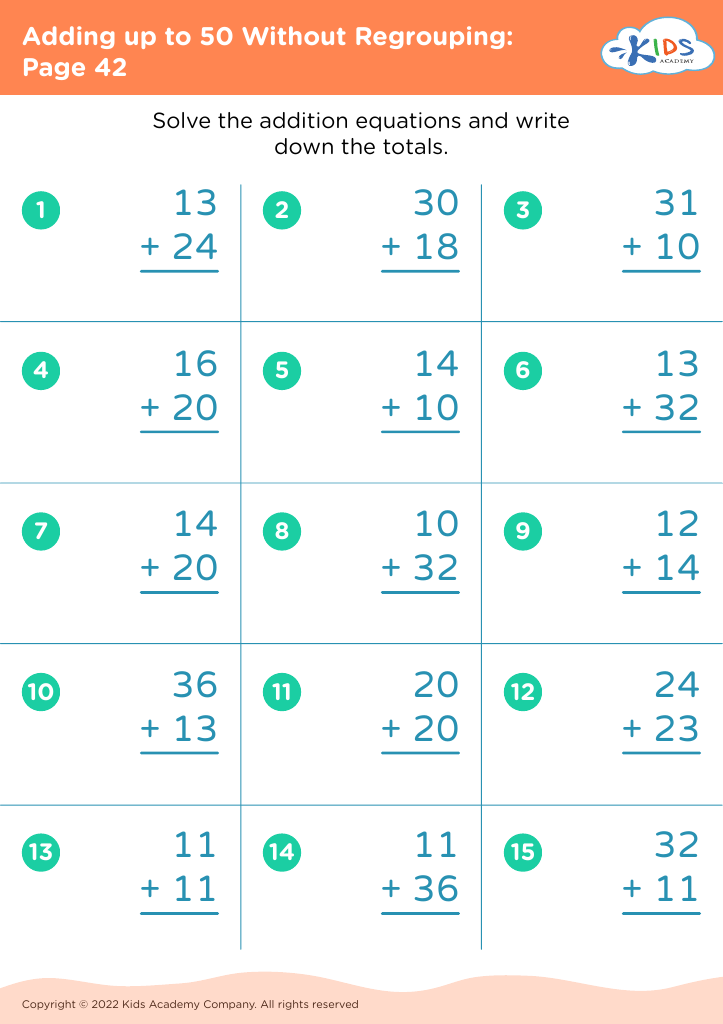
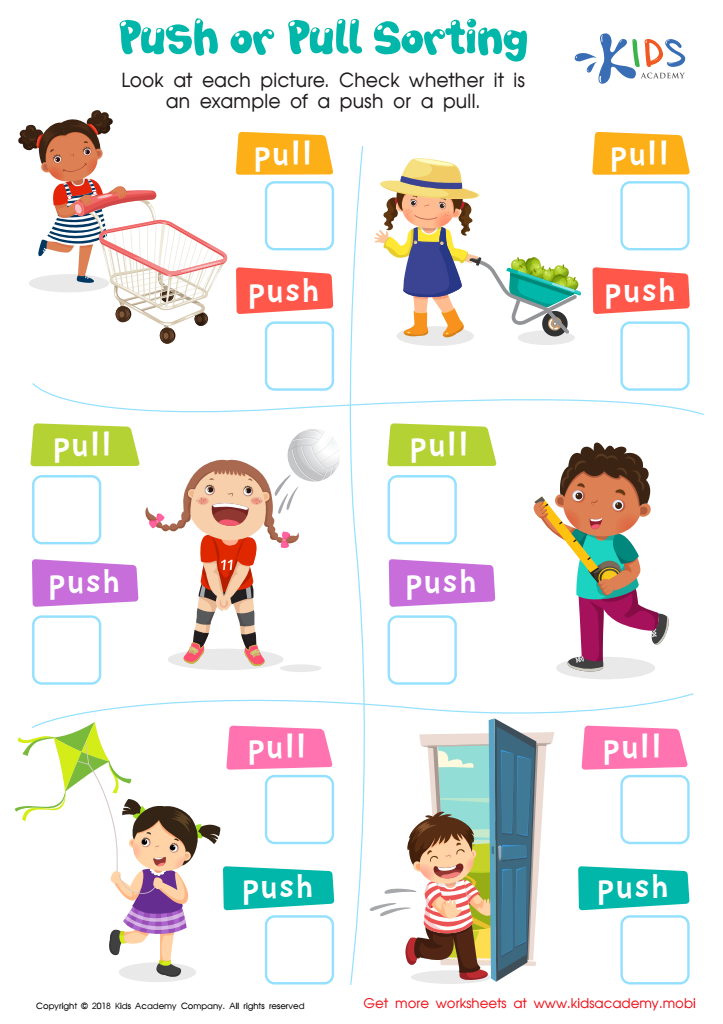
Push or Pull Sorting Worksheet
 Assign to My Students








Enhancing logical thinking in children ages 3-7 is crucial for their overall development and success in everyday life. During these formative years, children's brains are developing rapidly, making it the ideal time to cultivate critical cognitive skills. Logical thinking fosters problem-solving abilities, encourages creativity, and improves decision-making.
Parents and teachers play a vital role in this early education stage. By promoting logical thinking through games, puzzles, and activities that involve categorization and sequencing, adults can stimulate children’s inquisitive nature and build a strong foundation for math and science concepts. Additionally, developing logical reasoning helps children to understand and articulate their thoughts clearly, leading to enhanced communication skills.
Furthermore, strong logical thinking skills correlate with improved emotional regulation. Children learn to process information, evaluate situations, and respond appropriately, which fosters resilience and adaptability in social situations. As they navigate challenges, they become more adept at managing their emotions, a critical component of social development.
Ultimately, nurturing logical thinking prepares children for academic success and life skills that will benefit them long after they leave the classroom, making it a key focus for parents and educators alike.








