
Enhancing fine motor skills Worksheets for Ages 3-7
4 filtered results
Difficulty Level
Grade
Age
-
From - To
Subject
Activity
Standards
Discover our engaging "Enhancing Fine Motor Skills" worksheets specifically designed for children ages 3-7! These resources provide playful activities that help little ones develop essential fine motor skills through coloring, tracing, cutting, and pasting. Each worksheet fosters hand-eye coordination and encourages creativity, making learning a fun experience. Perfect for home or classroom use, our worksheets support early childhood development and prepare kids for future academic success. Explore a variety of themed worksheets tailored to capture your child’s interest and imagination. Download now to provide your child with the tools they need for an exciting learning journey!
Favorites
With answer key
Interactive
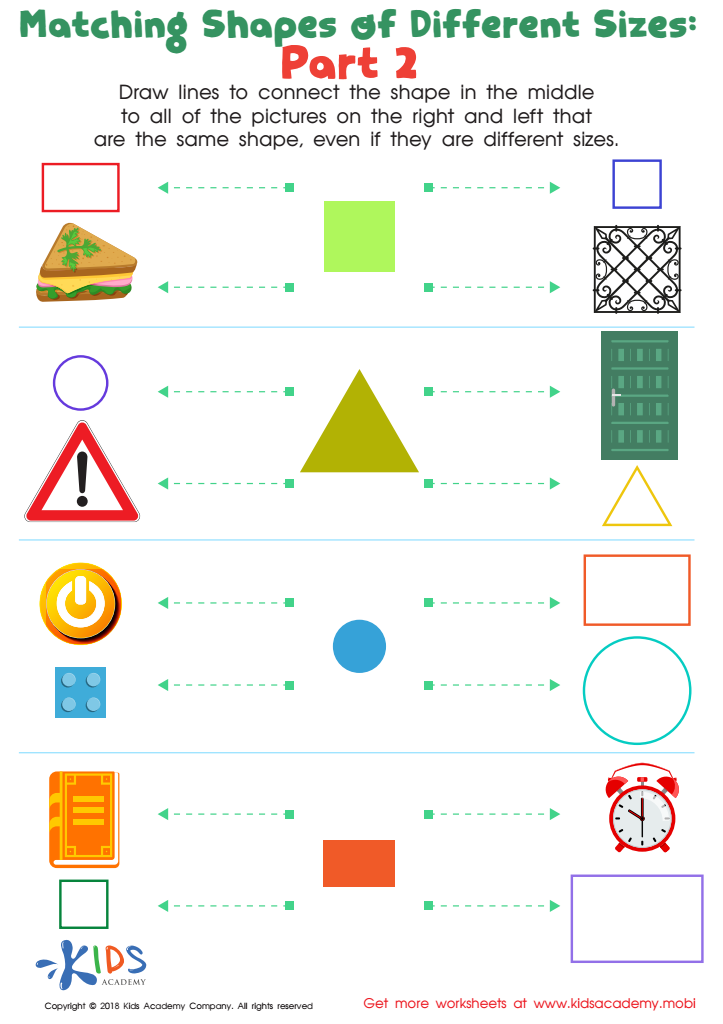
Geometry: Part 2 Worksheet
Third grade geometry gets a challenge with this free worksheet. Kids match shapes to everyday objects like sandwiches, alarm clocks and books for a better understanding of geometry in their lives. Printable pdf is included.
 Assign to My Students
Geometry: Part 2 Worksheet
Worksheet
Join Kids Academy for Free
Who is primarily going to use this learning content?


.jpg)





Enhancing fine motor skills in children aged 3-7 is crucial for their overall development and learning. These skills, which involve the coordination of small muscles, are critical for tasks such as writing, drawing, buttoning shirts, and using utensils. Engaging in activities that promote fine motor development can lead to improved handwriting and academic performance, as foundational skills in literacy and numeracy often depend on a child's ability to manipulate tools.
Moreover, fostering fine motor skills encourages independence and self-sufficiency in young children. As they gain control over their movements, they become more confident in tackling daily tasks, which is essential for their emotional and social growth. Fine motor activities also provide opportunities for creativity and expression through art and craft projects.
Incorporating fine motor activities into daily routines—like puzzles, building blocks, and playdough—can significantly benefit both parents' and teachers' efforts. Encouraging playful engagement not only builds essential skills but also strengthens the parent-child or teacher-student bond, making learning enjoyable and meaningful. By prioritizing fine motor skills, adults can help children develop the tools they need to succeed academically and navigate the world around them with confidence.








