
Fine motor skills (drawing lines) Worksheets for Ages 3-7
7 filtered results
Difficulty Level
Grade
Age
-
From - To
Subject
Activity
Standards
Enhance your child's fine motor skills with our engaging drawing lines worksheets tailored for ages 3-7. Designed to stimulate creativity and encourage hand-eye coordination, these worksheets offer a variety of fun activities that help young learners refine their pencil grip and control. From simple straight lines to more complex shapes and patterns, each worksheet progresses in difficulty, allowing children to build confidence as they paint, trace, and draw. Perfect for preschoolers and early learners, our collection provides a playful and educational approach to essential skills development. Discover the joy of learning through hands-on activities that prepare children for future educational success!
Favorites
With answer key
Interactive
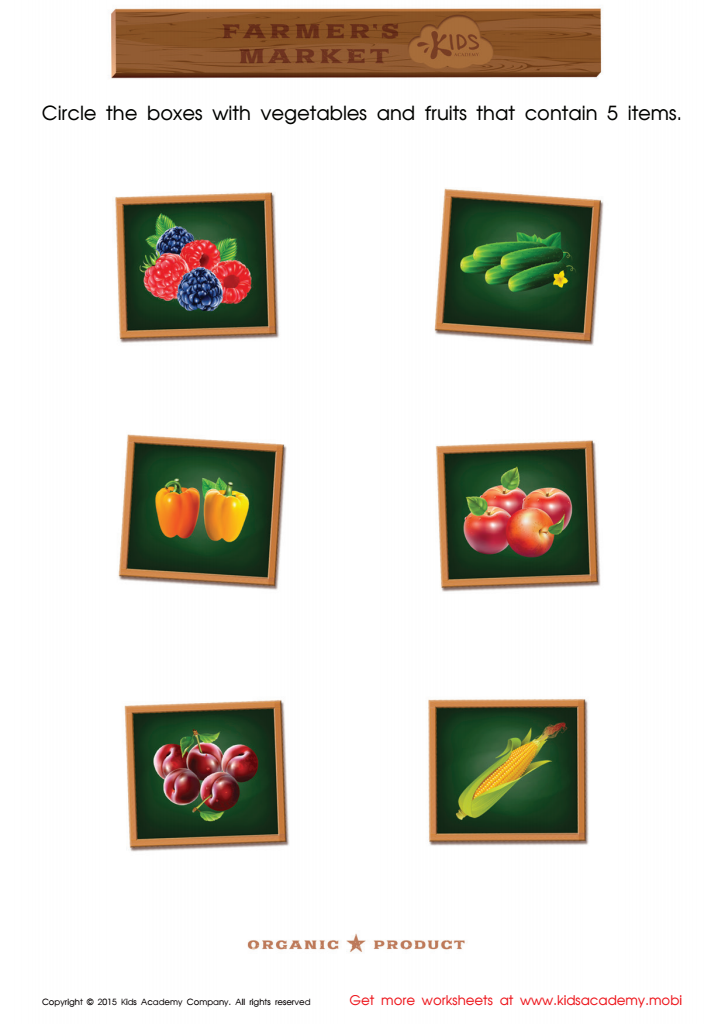
Count and Match Vegetables 1 – 7 Math Worksheet
Print this bright math worksheet from Kids Academy and give your child a fun way to enhance their counting skills. Based on Singapore Math, the colourful pictures make it easy for children to comprehend math. Get additional free worksheets here!
 Assign to My Students
Count and Match Vegetables 1 – 7 Math Worksheet
Worksheet
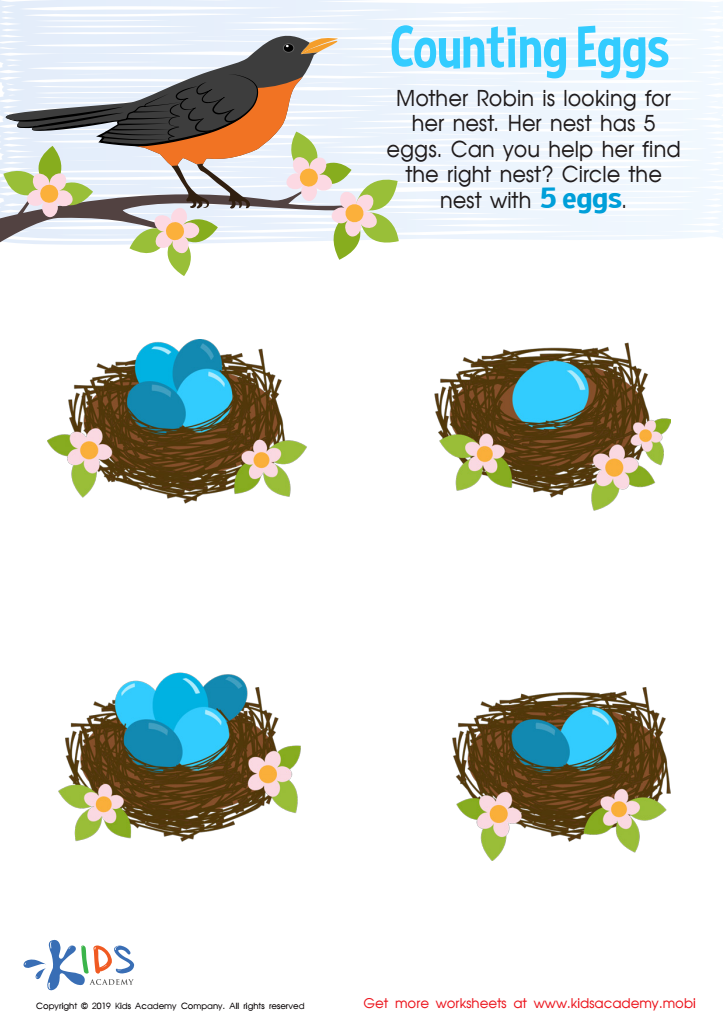
Counting Eggs Worksheet
Help the Mother bird find her nest! Show your kids this printout, have them point at the bird and the nests. Ask them to count the eggs in each nest carefully. Finally, help her by circling the one with 5 eggs.
Counting Eggs Worksheet
Worksheet
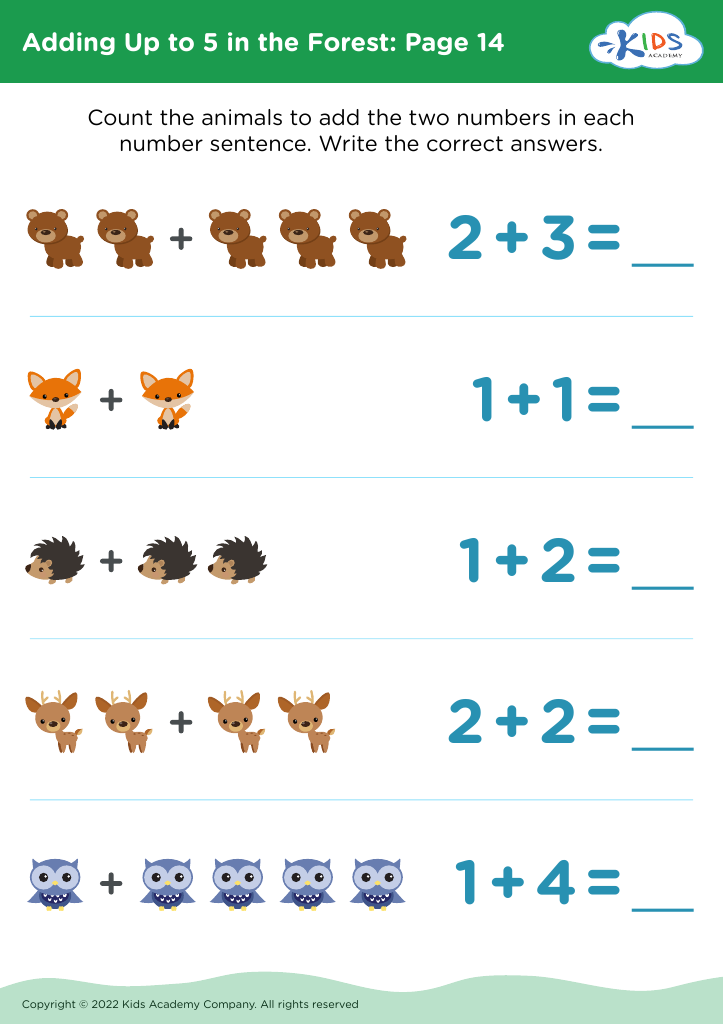
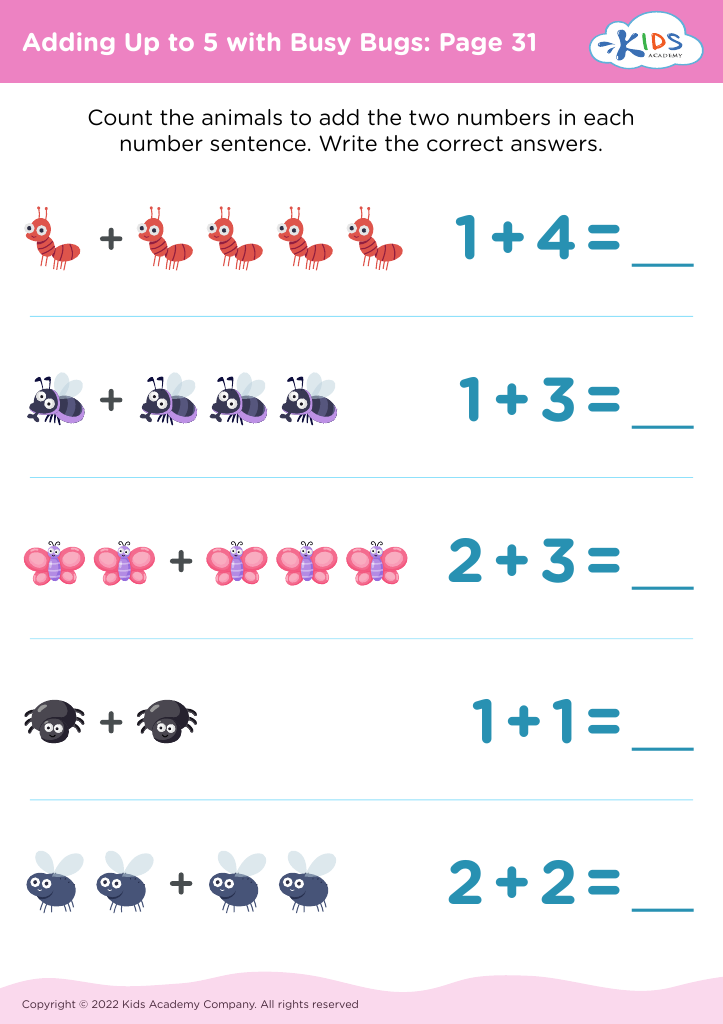
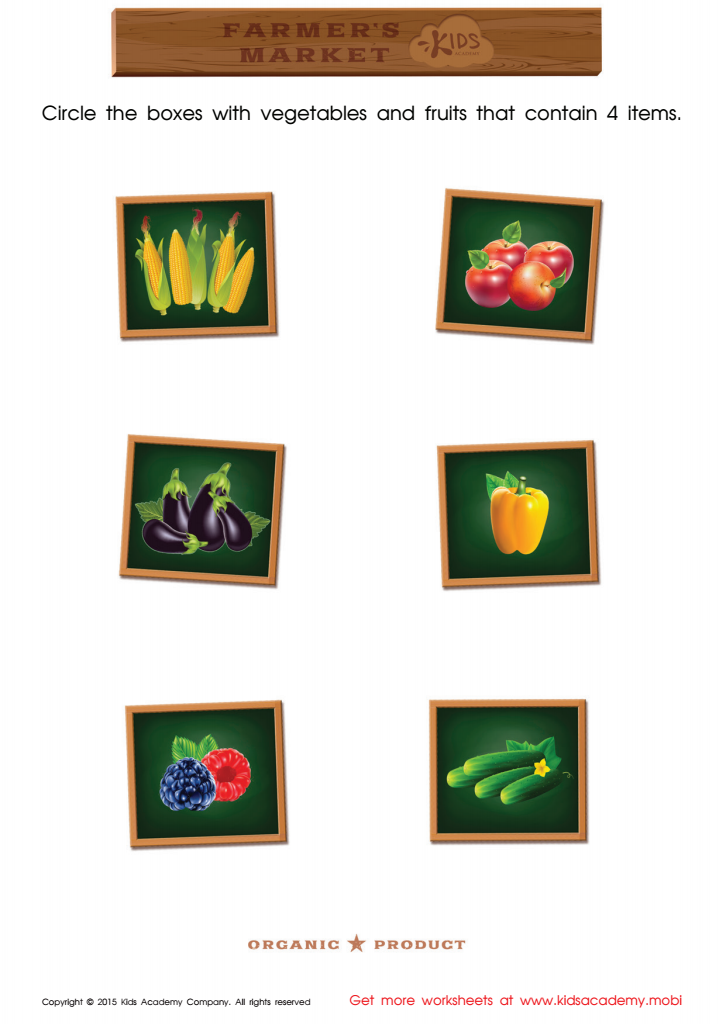
Count and Match Vegetables 2 – 8 Math Worksheet
Download this fun, colorful math worksheet from Kids Academy and help your kid improve their counting skills. Match the boxes to the same number of vegetables, using the pictures to visualize the problem. Get more free printables from Kids Academy by topic.
Count and Match Vegetables 2 – 8 Math Worksheet
Worksheet
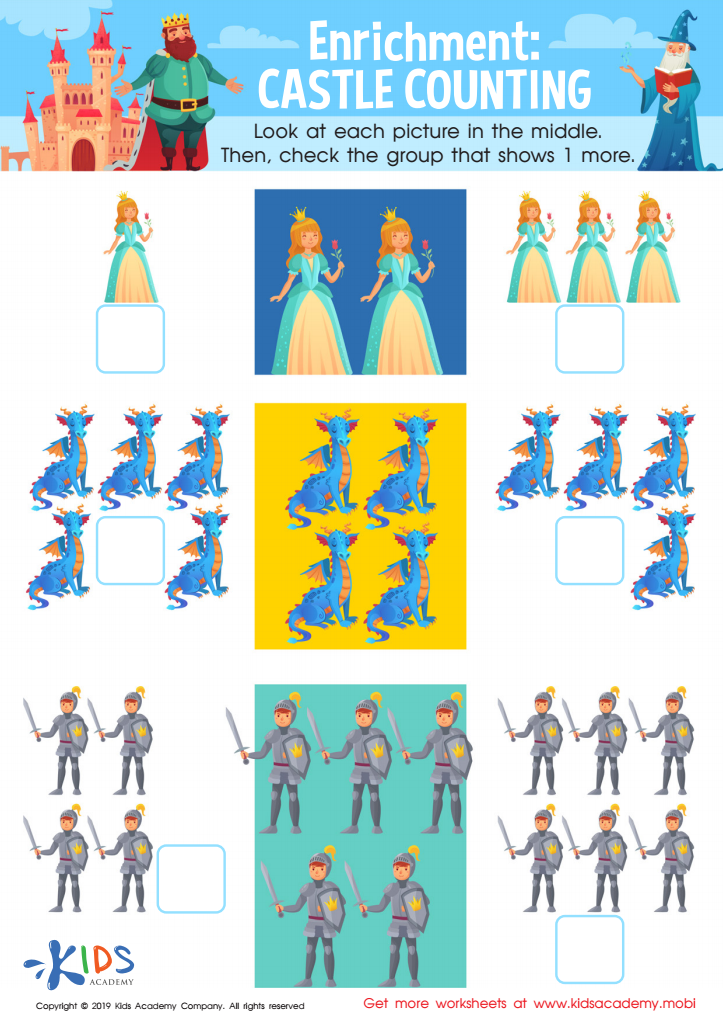
Enrichment: Castle Counting Worksheet
Help your kids learn to count. Start with easy counting of numbers as high as possible. Use the pictures in this printout. Point to the middle one, help them identify it and then count one more than it. Do this to help them get ready for more difficult math concepts like addition, subtraction and multiplication.
Enrichment: Castle Counting Worksheet
Worksheet
Join Kids Academy for Free
Who is primarily going to use this learning content?







Fine motor skills are essential for young children's overall development, especially between the ages of 3 and 7. These skills involve the coordination of small muscles in the hands and fingers, enabling tasks like grasping, drawing lines, and manipulating objects. Parents and teachers should prioritize fine motor skill development as it lays the foundation for future learning and everyday tasks.
Firstly, strong fine motor skills contribute to academic success. Children with proficient motor skills can hold pencils correctly, which aids in writing, drawing, and later handwriting. This not only boosts their academic performance but also enhances their confidence in school.
Secondly, engaging in drawing activities helps develop creativity and critical thinking. As children practice drawing lines and shapes, they exprerience trial and error, which fosters problem-solving skills and persistence.
Moreover, fine motor skill development is closely linked to self-help skills, such as buttoning clothes or using utensils, promoting independence and self-esteem.
Lastly, fine motor activities, like arts and crafts, provide opportunities for parent-child bonding, enhancing their social-emotional health. By supporting the growth of fine motor skills, parents and teachers empower children to explore their world, build relationships, and succeed both inside and outside the classroom.








