Fraction simplification Worksheets for Ages 3-7 - Page 3
70 filtered results
-
From - To
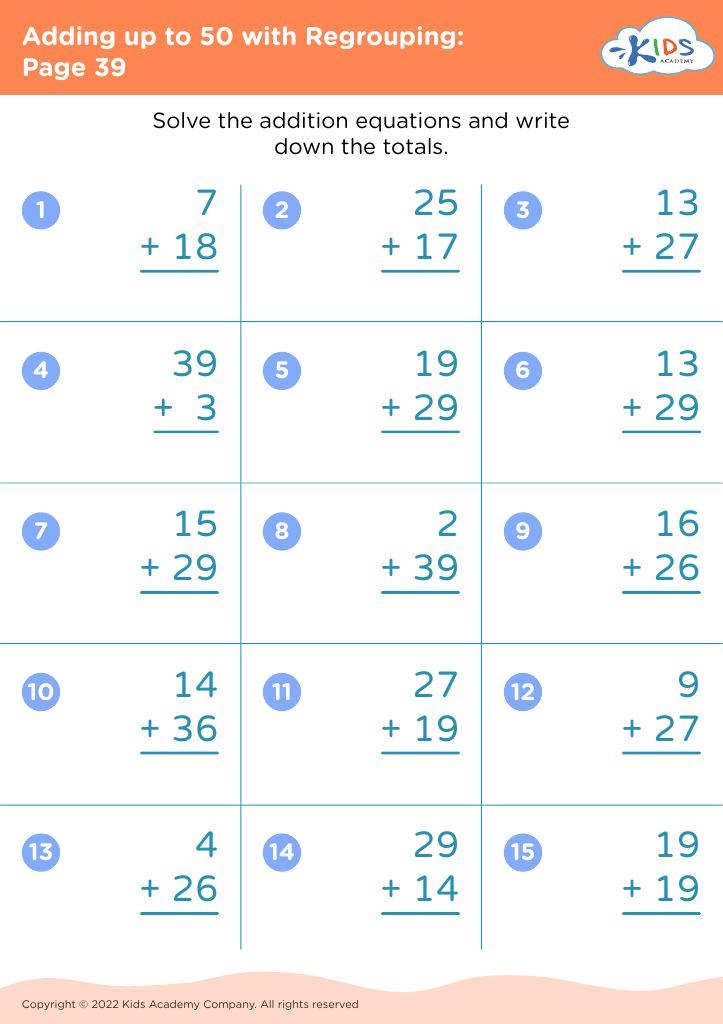
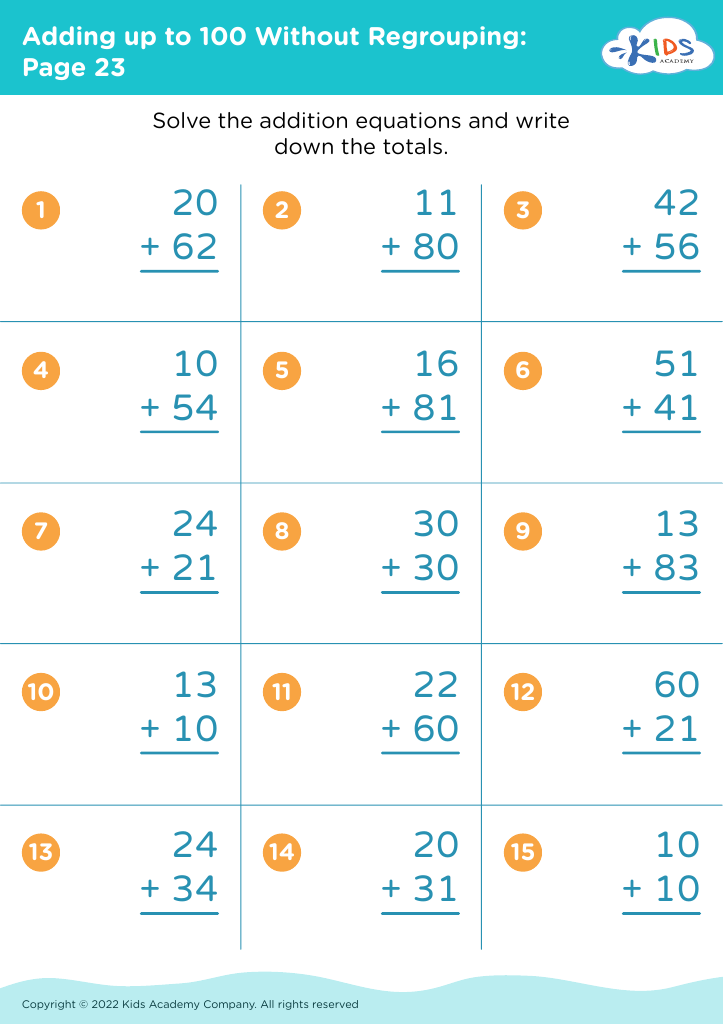
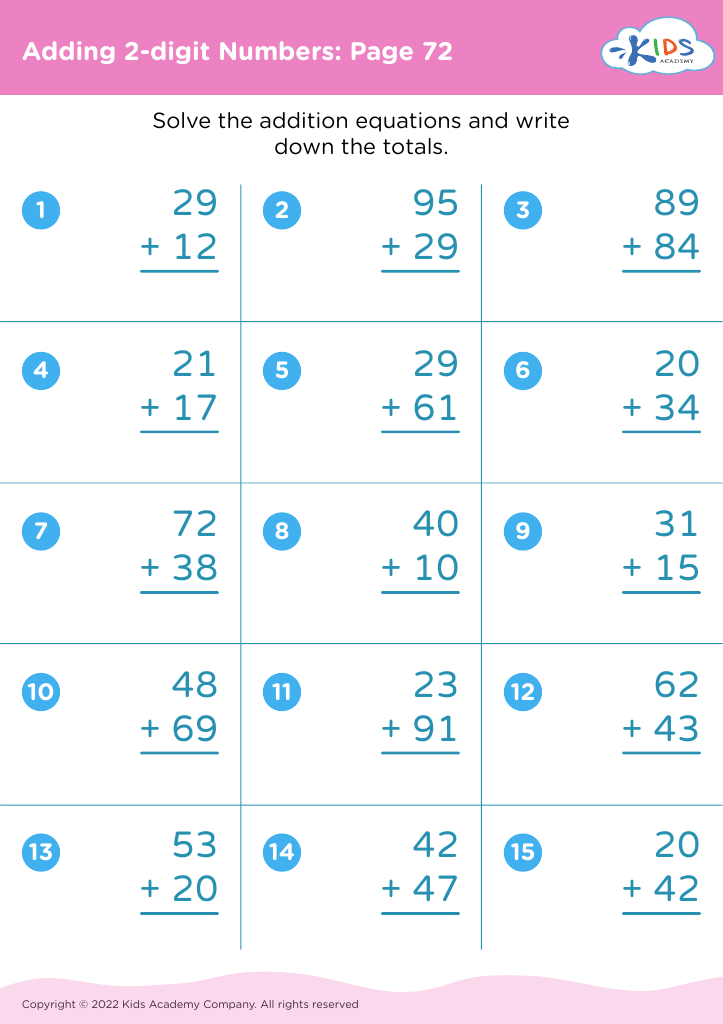
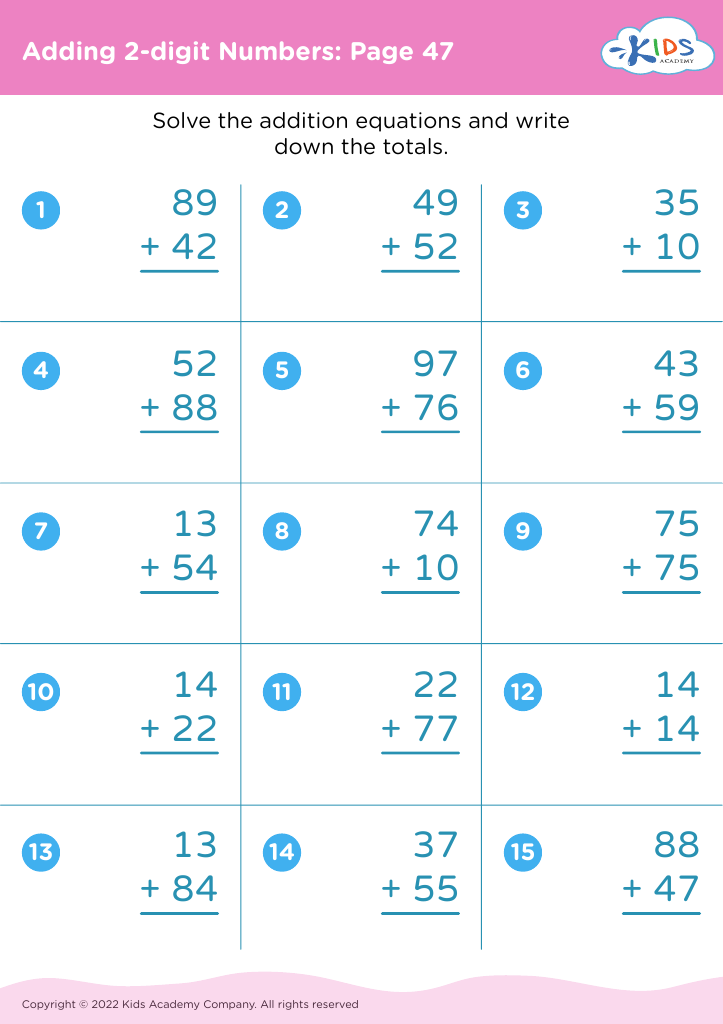







Fraction simplification is an essential mathematical skill that lays a strong foundation for young learners aged 3-7. Early exposure to this concept not only helps children understand numbers and their relationships but also boosts critical thinking and problem-solving skills. Simplifying fractions illustrates the idea of equivalence, showing that different fractions can represent the same quantity. By grasping this concept early on, children develop a flexible mindset towards numbers.
Moreover, learning to simplify fractions introduces basic concepts of division and encourages children to explore patterns and relationships within numbers. This is significant because it prepares them for more advanced mathematical concepts in later years, enhancing their overall academic performance.
For parents and teachers, fostering an understanding of fraction simplification encourages active engagement in math activities, making learning enjoyable and interactive. It helps build children’s confidence in handling numbers, cultivating a positive attitude towards math. Moreover, these foundational skills facilitate smoother transitions into more complex operations, creating lifelong learners who value continual growth in their understanding of mathematics. In sum, paying attention to fraction simplification fosters essential cognitive skills, making it an investment in children’s future academic success.








