Identifying Animals Worksheets for Ages 3-7
9 filtered results
-
From - To
Welcome to our "Identifying Animals Worksheets" designed for children ages 3-7! These engaging, interactive resources help young learners explore the animal kingdom while enhancing their observational and critical thinking skills. Each worksheet focuses on a variety of animals, encouraging children to identify, categorize, and connect with the natural world around them. From fun coloring pages to exciting matching games, our worksheets promote creativity and a love for learning. Perfect for home or classroom use, these materials support early childhood education in an entertaining way, laying the groundwork for essential literacy and science skills. Let’s embark on this wild learning adventure together!

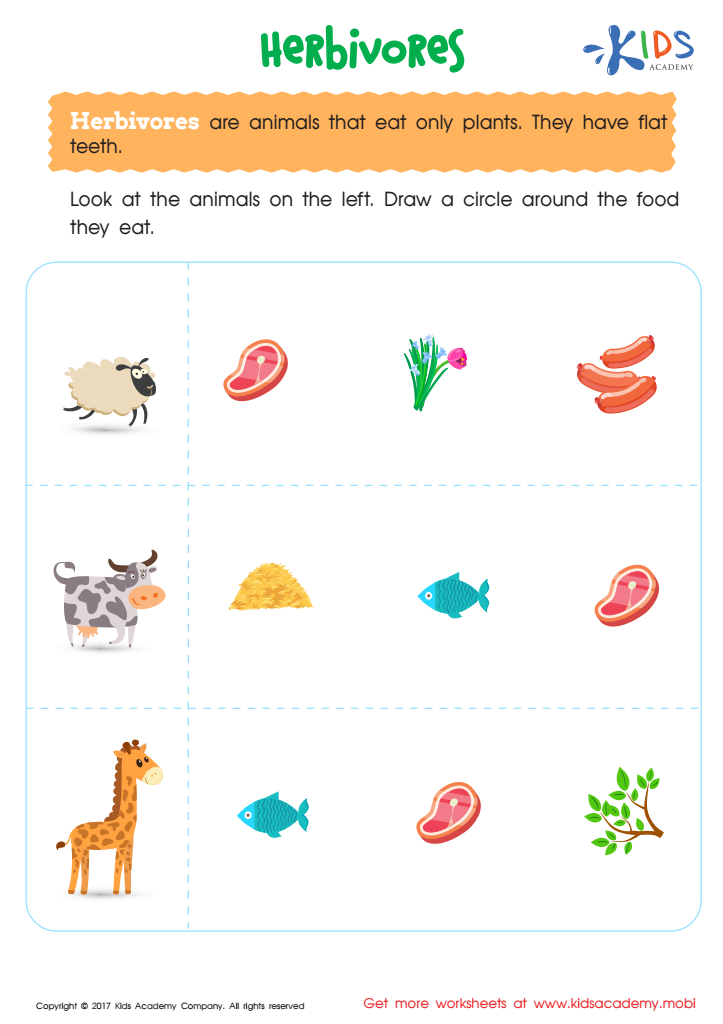
Herbivores Printable
 Assign to My Students


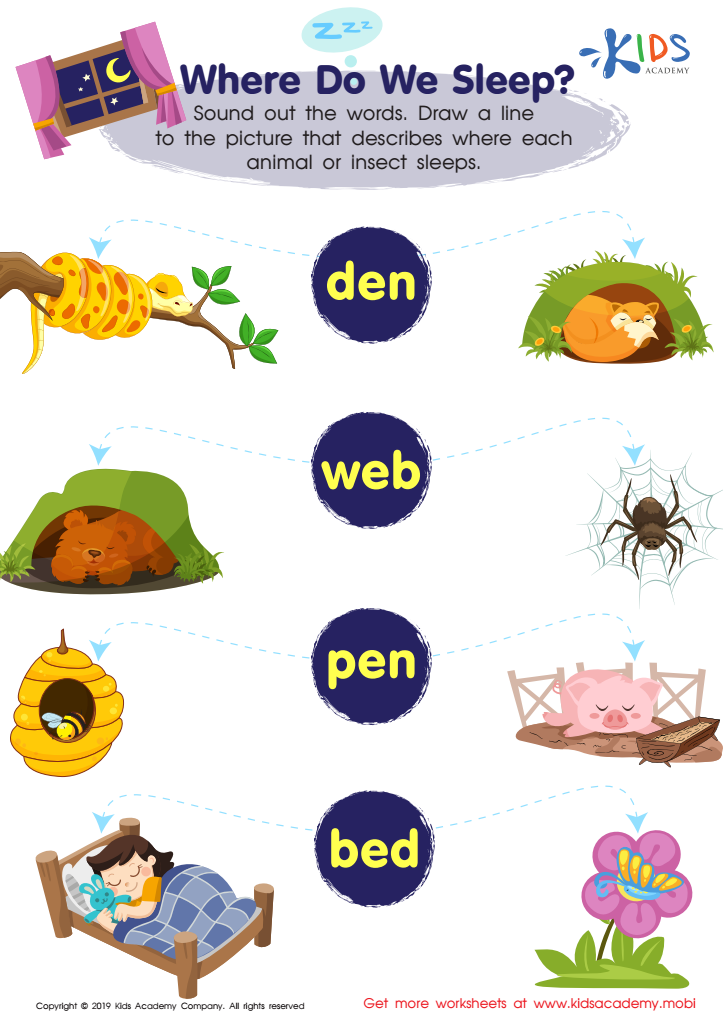
Where Do We Sleep Worksheet
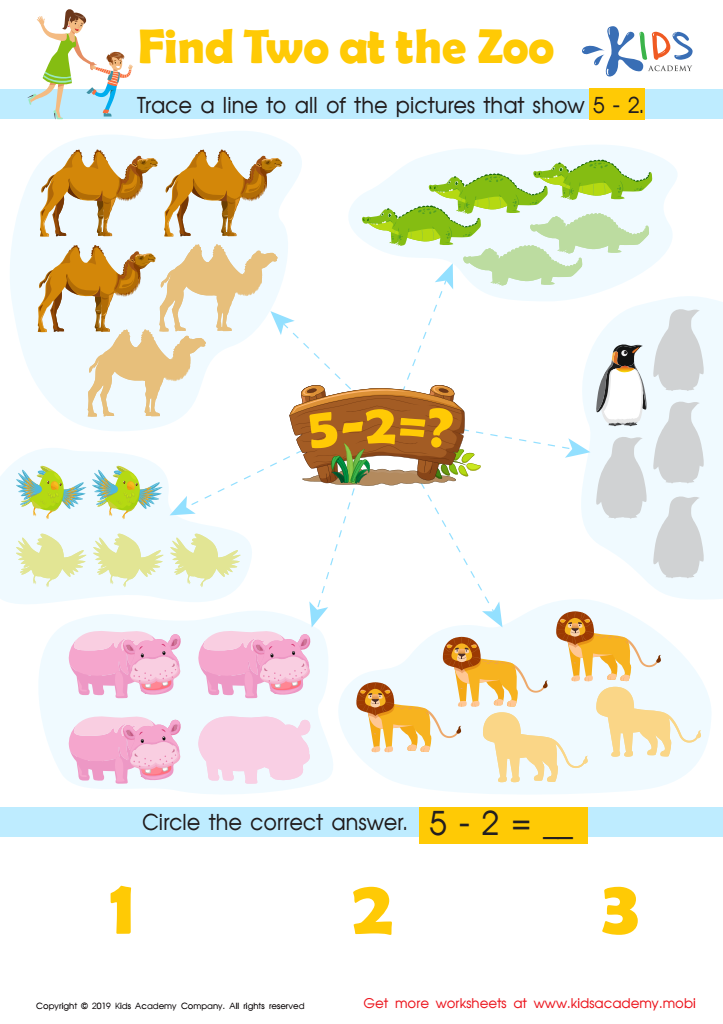
Find Two at the Zoo Worksheet
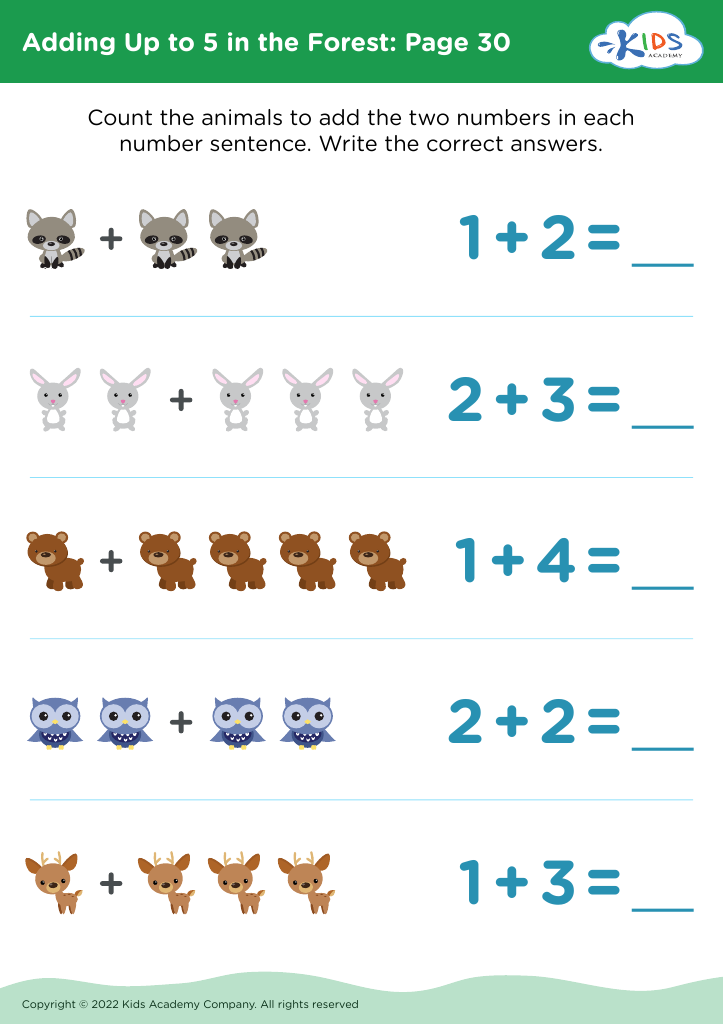
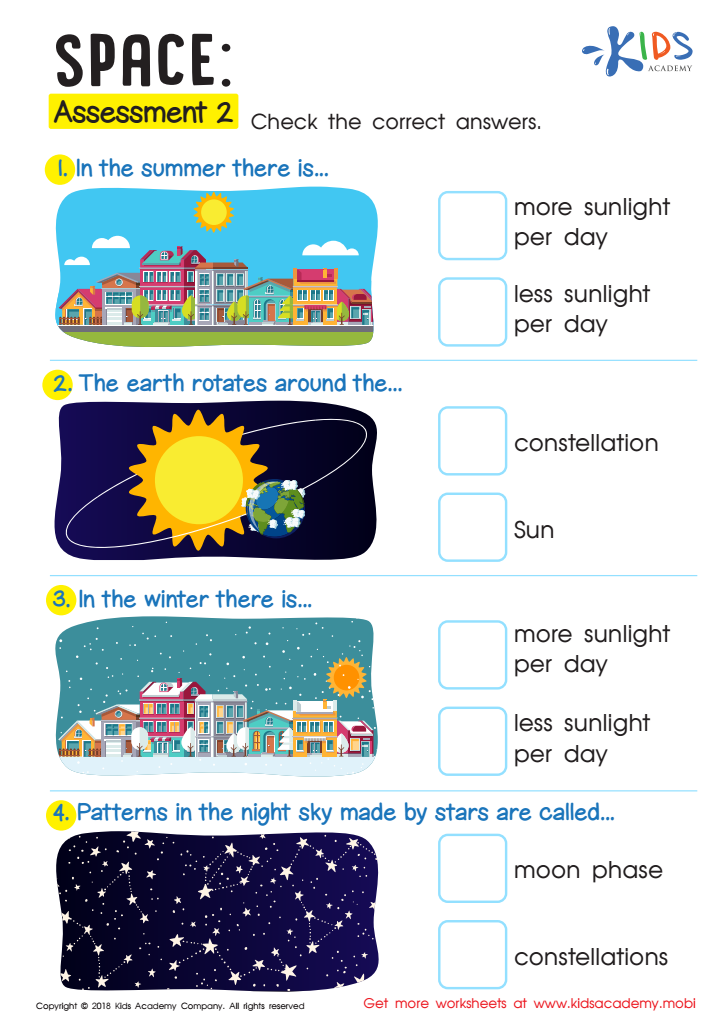
Space: Assessment 2 Worksheet
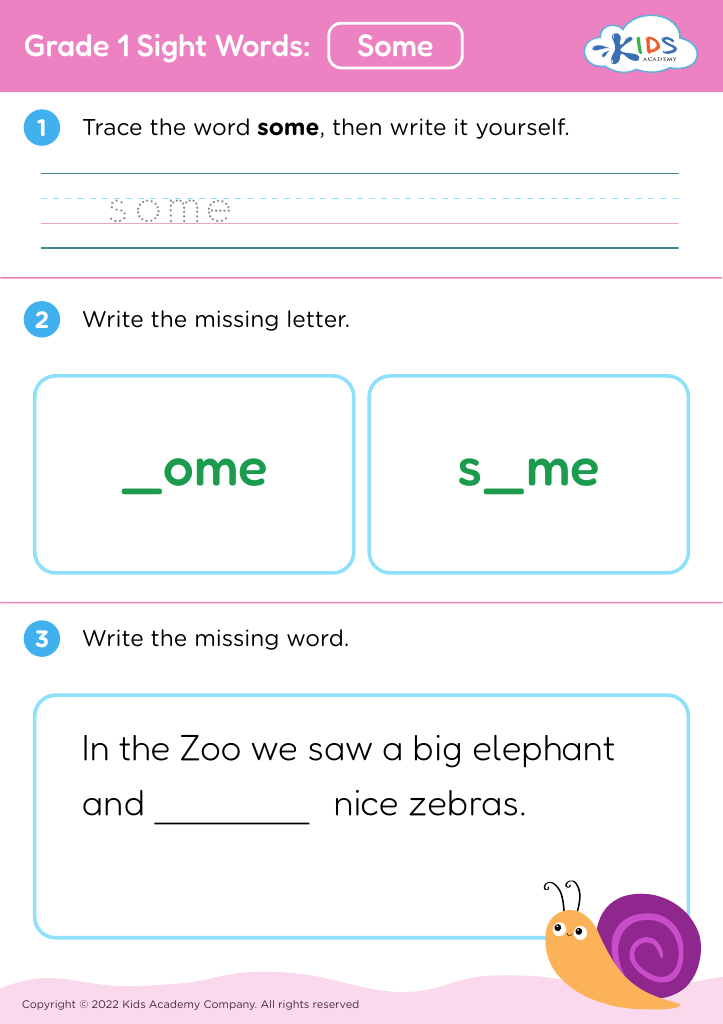








Identifying animals is a crucial aspect of early childhood education for children aged 3-7. At this developmental stage, children are naturally curious and eager to explore the world around them. Encouraging them to identify animals helps foster this curiosity, promoting cognitive development and critical thinking skills. Understanding various species not only enhances their vocabulary but also helps with classification and grouping skills, laying a foundation for more complex scientific concepts later on.
Moreover, learning about animals can significantly enrich children's social studies and environmental awareness. Awareness of animals encourages empathy towards living beings and strengthens an understanding of biodiversity. This, in turn, can cultivate responsible behaviors towards wildlife and conservation, guiding children to become environmentally conscious adults.
For parents and teachers, incorporating animal identification into play and learning activities, such as storytelling, games, and nature walks, fosters a love for learning and discovery. These activities nurture both language and motor skills while making learning enjoyable. Furthermore, early exposure to animal recognition can spark interests in future educational and career paths in fields such as biology, ecology, or veterinary science. Overall, supporting children in identifying animals is a valuable investment in their intellectual and emotional growth.








