Identifying objects Worksheets for Ages 3-7
5 filtered results
-
From - To
Discover an engaging collection of Identifying Objects Worksheets for children aged 3-7! Our expertly designed printables boost early learning by helping young learners recognize, categorize, and describe everyday items. These colorful, fun-filled worksheets enhance observation and vocabulary skills, preparing kids for future educational success. Perfect for parents, teachers, and homeschooling, our resources offer a variety of activities from matching and sorting to naming and describing objects. Unlock your child’s potential and make learning enjoyable with our Identifying Objects Worksheets, tailored to cater to the curious minds of early learners. Explore today and watch them thrive!
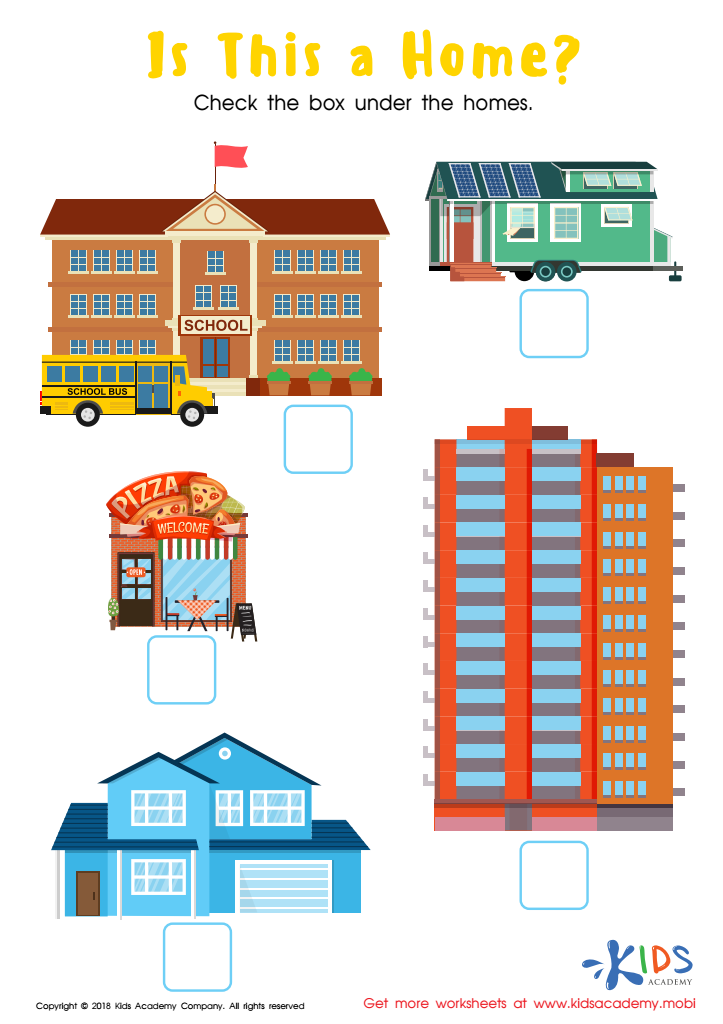
Is this a Home? Worksheet
 Assign to My Students
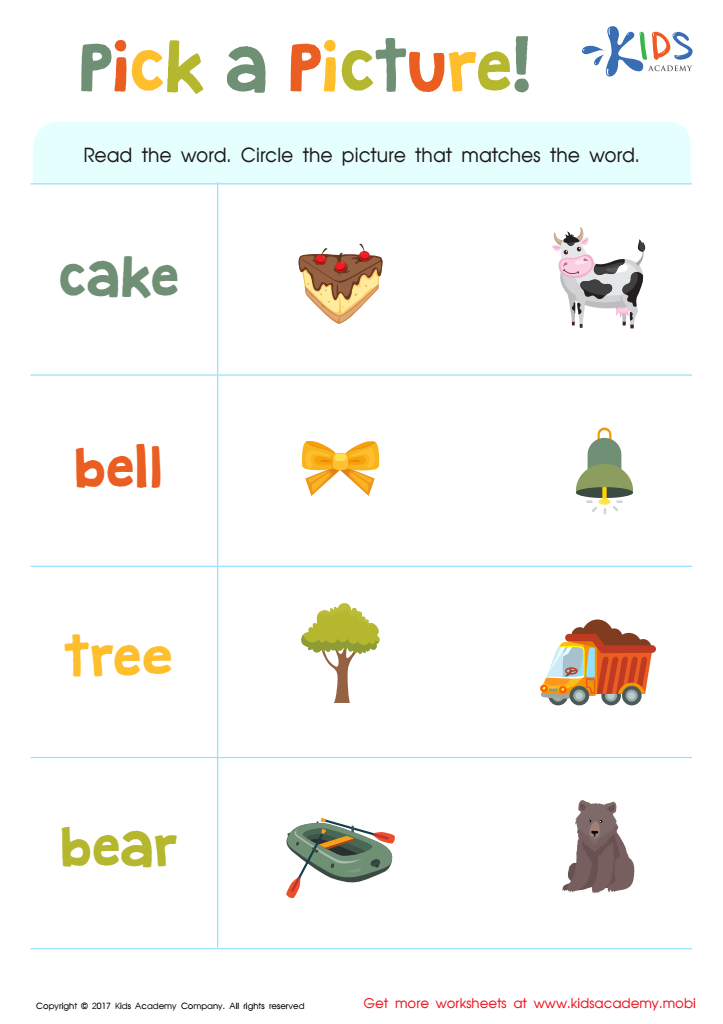
Pick a Picture Word Recognition Worksheet
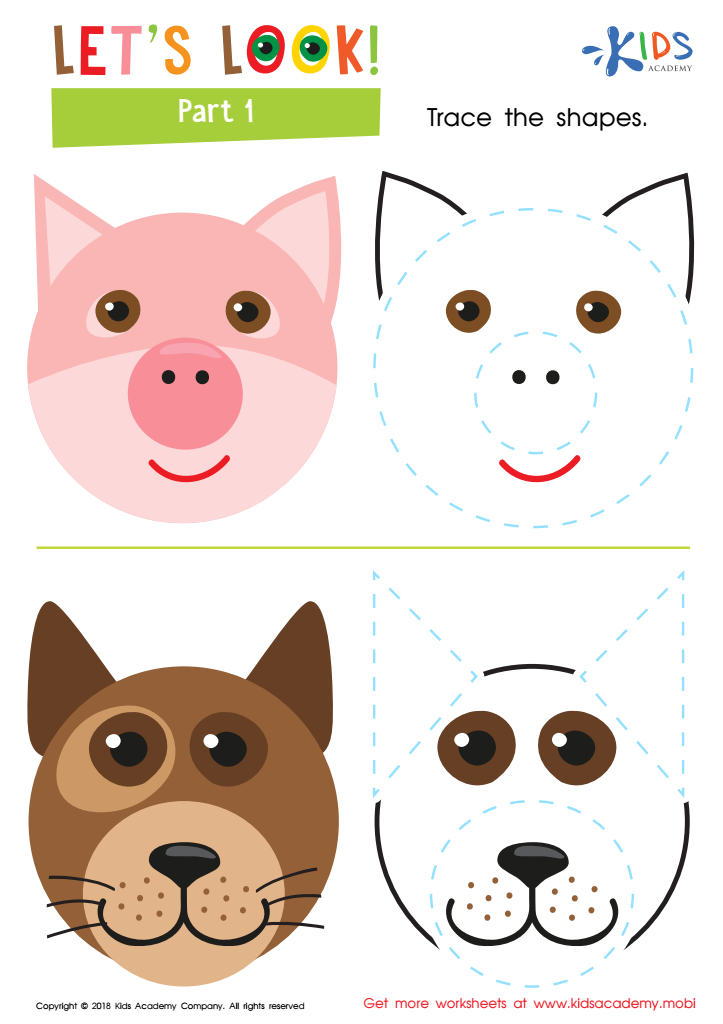
Let's Look! Part 1 Worksheet
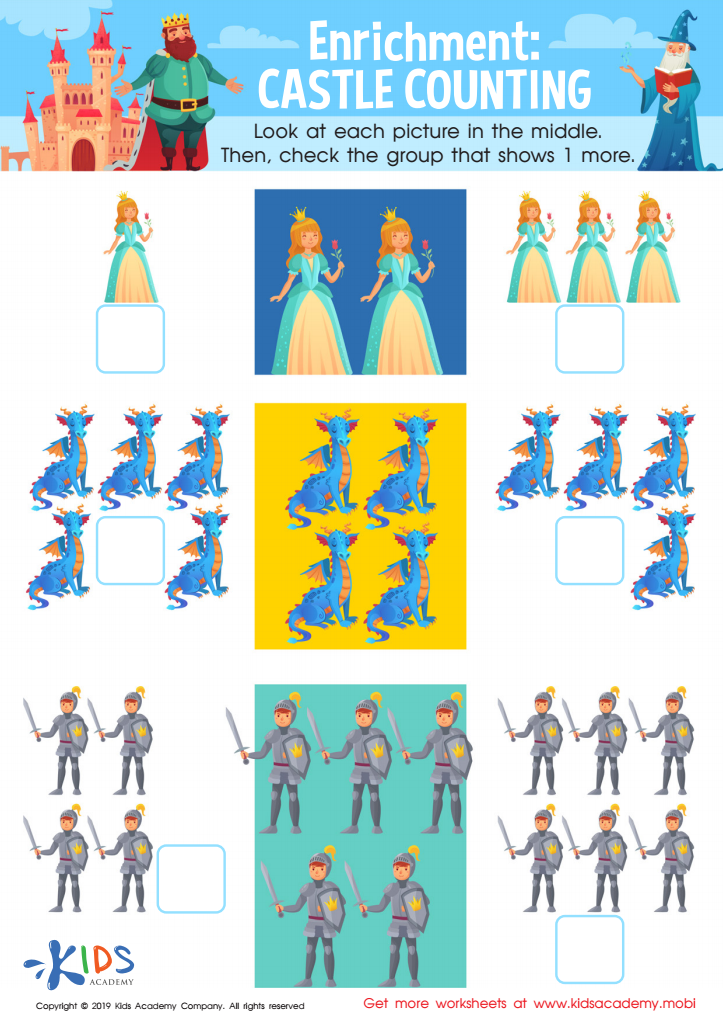
Enrichment: Castle Counting Worksheet
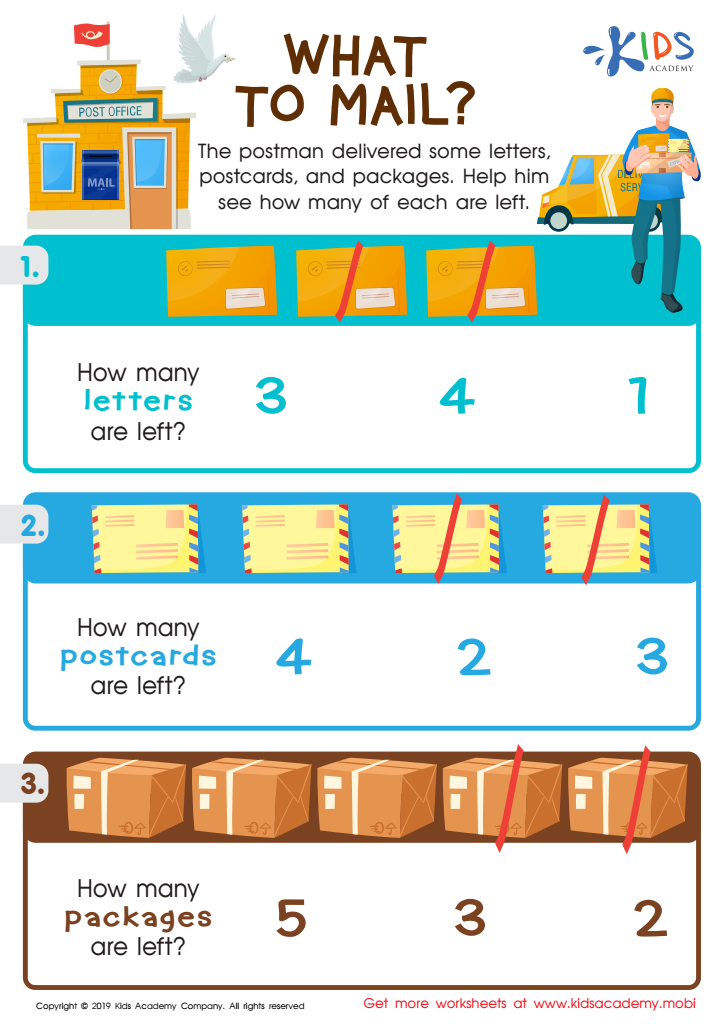
What to Mail? Worksheet







Identifying objects is a crucial early learning skill for children aged 3-7, as it lays the foundation for cognitive development, language acquisition, and academic success. During this formative period, children are rapidly building their vocabularies, understanding relationships between objects, and enhancing their ability to categorize the world around them.
When children learn to identify objects, they develop their observational and analytical skills, which are fundamental for problem-solving. For example, recognizing different shapes, colors, and sizes helps them understand basic geometric and spatial concepts. These skills are not just essential for mathematics but are also useful in everyday activities, making children more independent and capable in their environment.
Moreover, object identification boosts language development. Every time a child learns a new word to describe an object, they expand their ability to communicate effectively. This also improves their listening and comprehension abilities, which are critical for following instructions and engaging in meaningful conversations.
Finally, fostering this skill helps build strong parent-child and teacher-student interactions. Engaging in activities like naming objects or playing identification games creates bonding opportunities and can make learning fun. Teachers and parents who prioritize teaching object identification are investing in the child's intellectual and emotional growth, setting a solid groundwork for future educational endeavors.








