
Improve handwriting Worksheets for Ages 3-7
3 filtered results
Difficulty Level
Grade
Age
-
From - To
Subject
Activity
Standards
Unlock your child's potential with our "Improve Handwriting Worksheets" designed specifically for ages 3-7. Our engaging and colorful worksheets help young learners develop essential penmanship skills through fun activities tailored to their developmental stage. From tracing letters to forming complete words, these worksheets provide a structured yet enjoyable way for children to enhance their fine motor skills and gain confidence in their writing abilities. With our resources, you’ll find various themes and levels of difficulty to keep your child motivated and progressing. Start their handwriting journey today and witness their transformation from scribbles to neat, legible writing!
Favorites
With answer key
Interactive
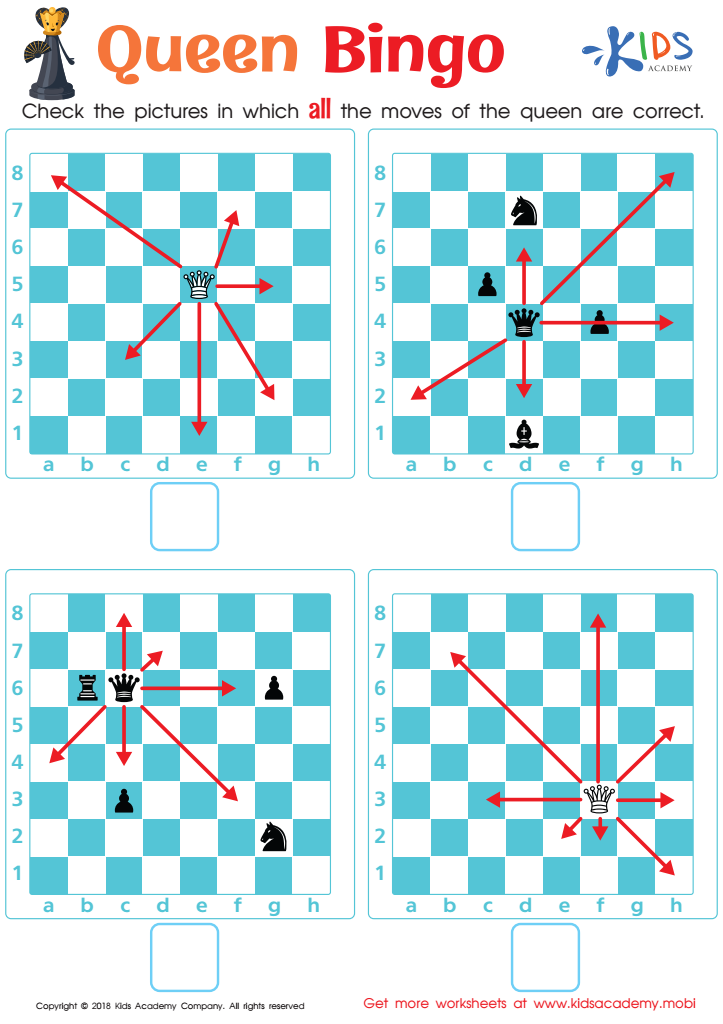
Queen Bingo Worksheet
Test your child's knowledge of chess rules and moves with this free worksheet! Kids look at four pictures and must decide if the queen moves are correct. This exercise helps hone your little one's chess skills!
Queen Bingo Worksheet
Worksheet
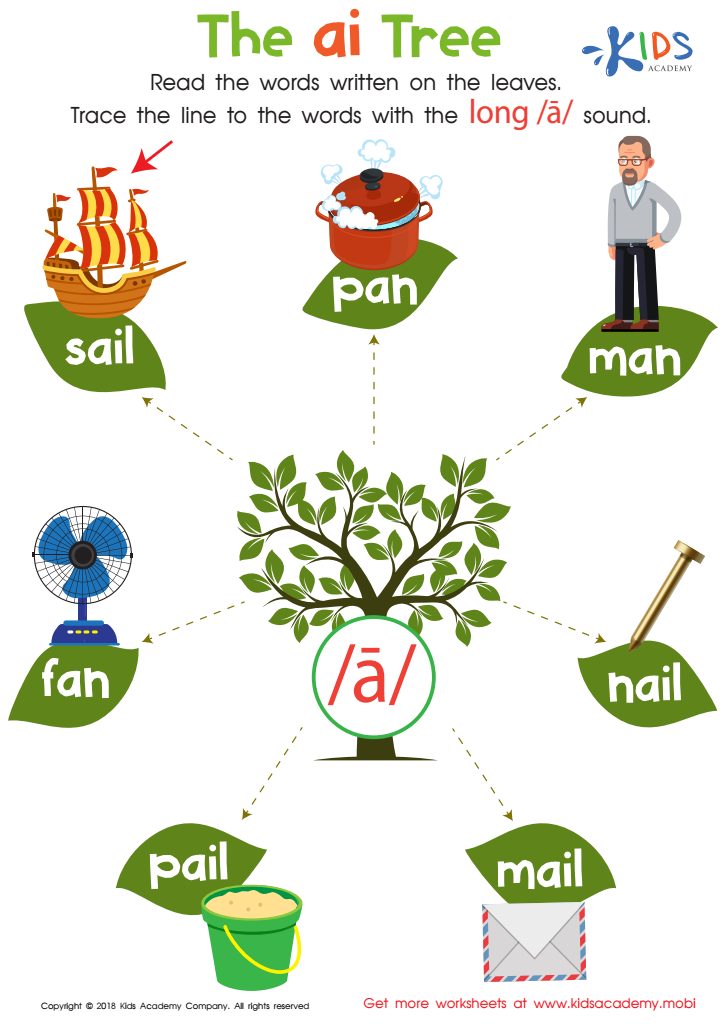
The AI Tree Worksheet
Help your kids learn to read better with this worksheet! Introduce the vowel pair 'ai' and give them familiar examples. Ask them to give you some in return. Then, have them read the words on the leaves and help them trace the ones with the long /a/ sound.
 Assign to My Students
The AI Tree Worksheet
Worksheet
Join Kids Academy for Free
Who is primarily going to use this learning content?


.jpg)





Improving handwriting for children aged 3-7 is crucial for several reasons. Firstly, handwriting is a foundational skill that fosters literacy development. As young learners start to express their thoughts and ideas in writing, clear legibility and proper formation of letters enhances their communication abilities. Legible handwriting promotes confidence and encourages children to engage more with written tasks.
Secondly, the physical act of writing engages fine motor skills, which are vital for overall coordination and dexterity. As children practice holding pencils and forming letters, they are not only working on handwriting but also developing the muscle control needed for various daily tasks.
Moreover, strong handwriting skills can positively affect academic performance. Research shows that children who struggle with handwriting often face challenges with spelling and overall writing fluency. With clear and accurate handwriting, students can focus more on content rather than grappling with form.
Finally, positive reinforcement from parents and teachers can create a supportive environment that values effort and progress. Encouraging children in this area helps instill a lifelong appreciation for writing as both an art and a means of communication. Thus, prioritizing handwriting improvement during these formative years can set a solid foundation for academic success and personal expression.








