Language skills development Worksheets for Ages 3-7
3 filtered results
-
From - To
Enhance your child's language skills with our engaging worksheets designed for ages 3-7! Our Language Skills Development worksheets are specially crafted to support early literacy, vocabulary building, and comprehension. Each printable activity encourages fun and interactive learning, allowing young learners to explore letters, sounds, and words creatively. By using these worksheets, children will improve their communication skills while gaining confidence in their language abilities. Ideal for both home and classroom settings, these resources provide a solid foundation for language proficiency. Explore our collection today to help your child embark on a language learning adventure filled with excitement and discovery!
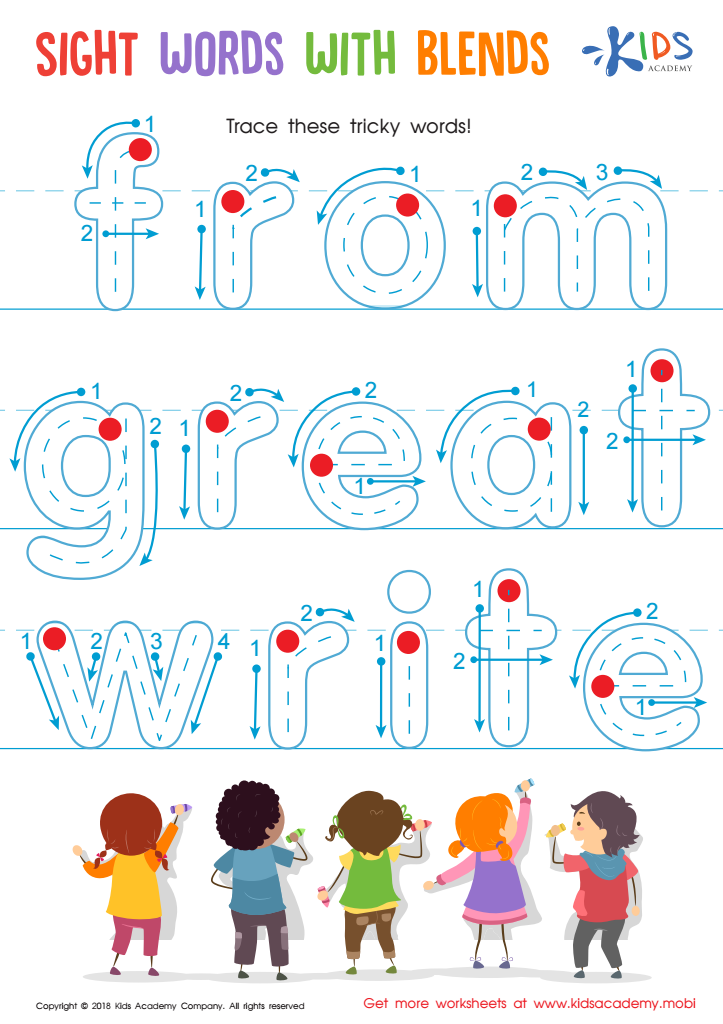
Sight Words with Blends Worksheet
 Assign to My Students
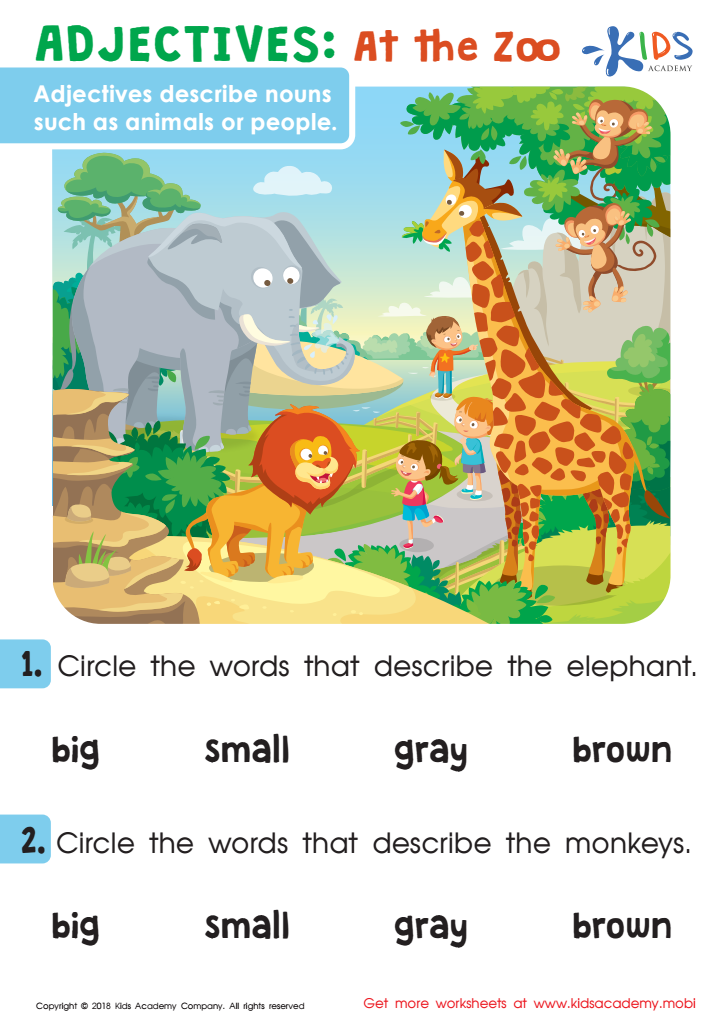
Adjectives: At The Zoo Worksheet
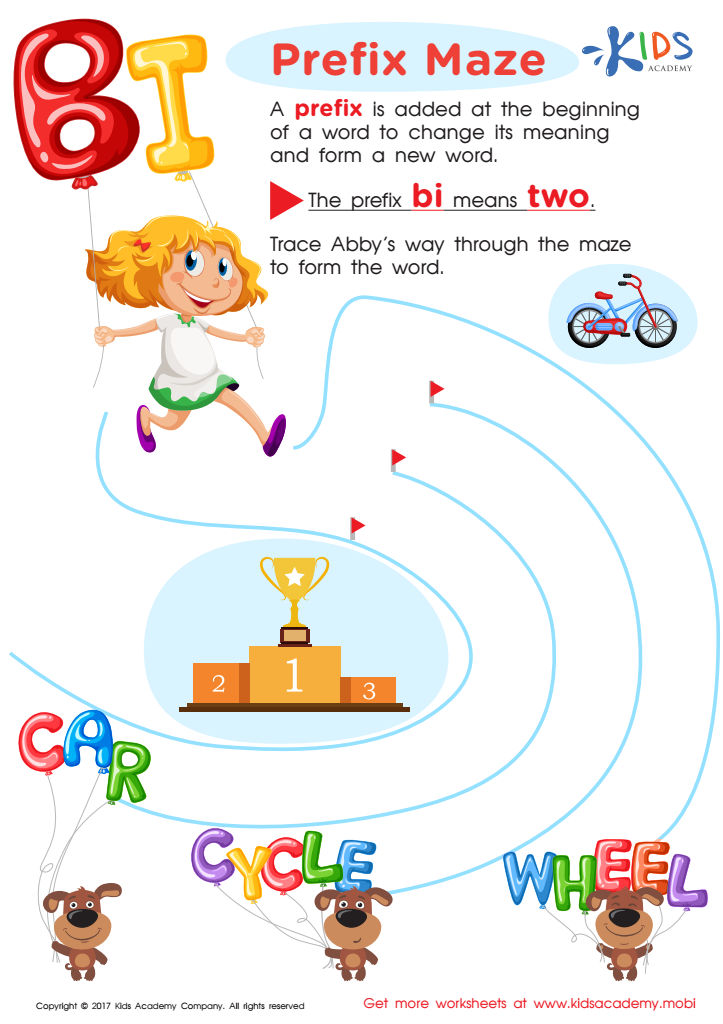
Prefix Bi Words Worksheet







Language skills development is crucial for children aged 3-7, as it forms the foundation for their future academic success and social interactions. During these formative years, children are rapidly acquiring vocabulary, understanding grammar, and learning how to express their thoughts and feelings. Effective language skills empower children to communicate clearly and engage with others, fostering essential social skills.
For parents and teachers, investing in language development can enhance a child's cognitive abilities, promoting critical thinking and comprehension. Research shows that children with strong language skills are better equipped for reading and writing, leading to improved performance in school. Additionally, language proficiency correlates with higher self-esteem and confidence, enabling children to express themselves in various contexts, from classrooms to playgrounds.
Moreover, language development is interconnected with emotional regulation and empathy. Children who can articulate their emotions and understand those of others build healthier relationships and social dynamics. Therefore, teachers and parents should prioritize activities that stimulate language growth, such as reading together, engaging in conversations, and introducing new vocabulary in everyday scenarios, ensuring that children become effective communicators well into their futures. Encouraging language development within this critical stage ultimately cultivates knowledgeable, empathetic, and confident individuals.








