Learn subtraction Worksheets for Ages 3-7
4 filtered results
-
From - To
Discover our engaging Learn Subtraction Worksheets designed specifically for children aged 3-7! These interactive resources feature fun illustrations and age-appropriate problems that help young learners grasp the concept of subtraction in an enjoyable way. Our worksheets support various learning styles, offering hands-on activities, visual aids, and simple explanations. Perfect for both classroom and home use, they encourage independent learning and critical thinking skills. Watch your child build confidence as they practice fundamental math concepts tailored to their developmental level. Help your little one master subtraction with our high-quality, printable worksheets that make learning math an exciting adventure!
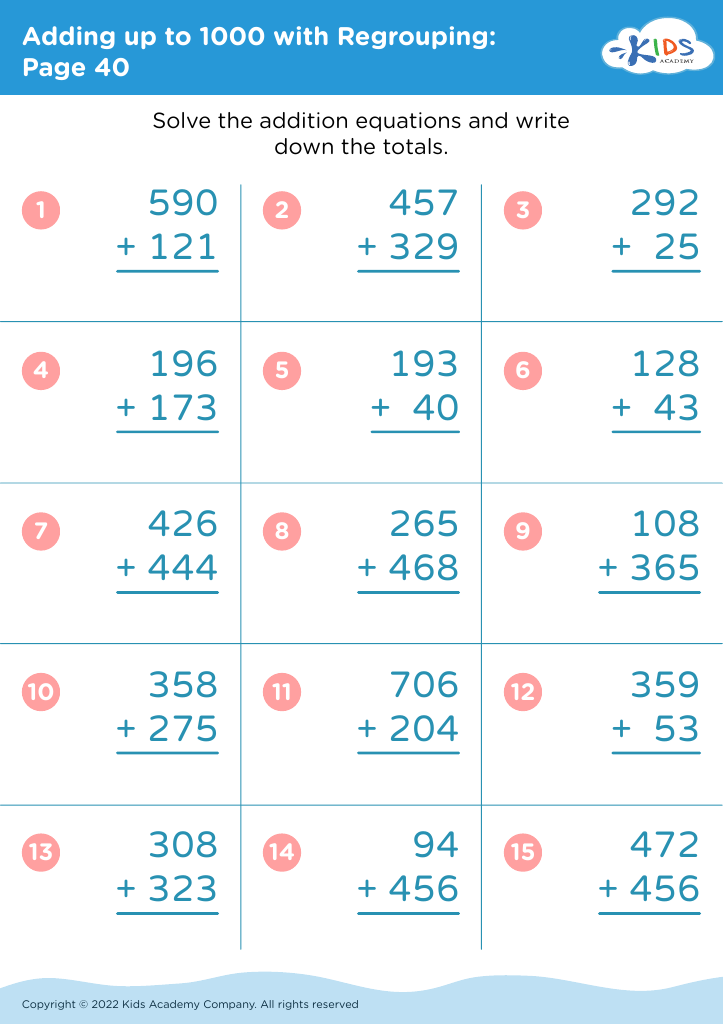
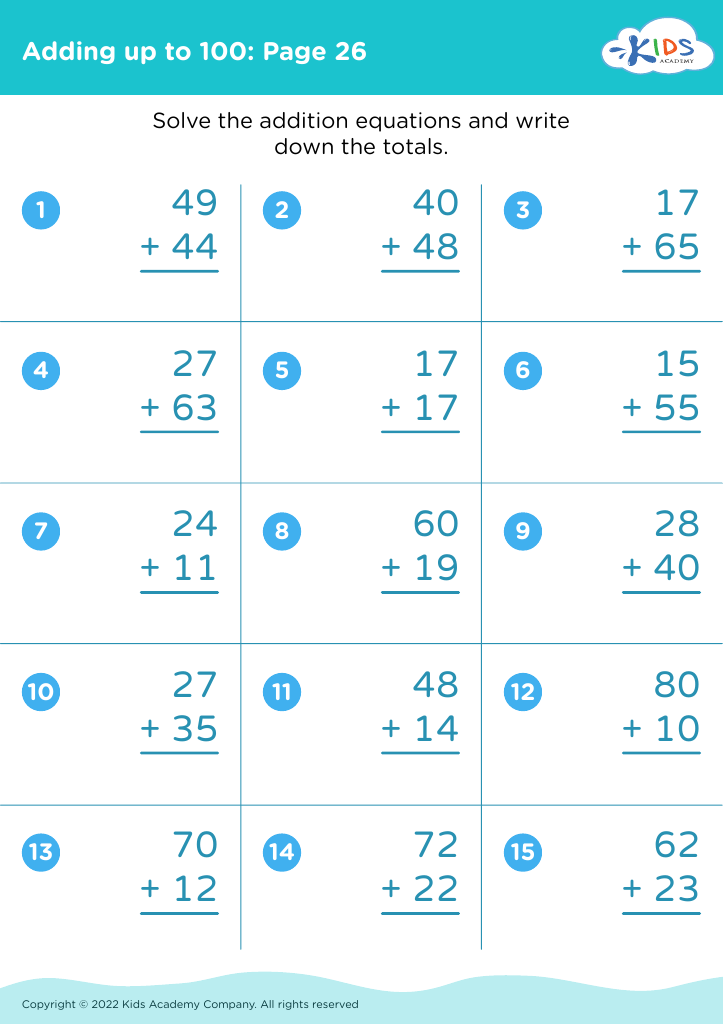
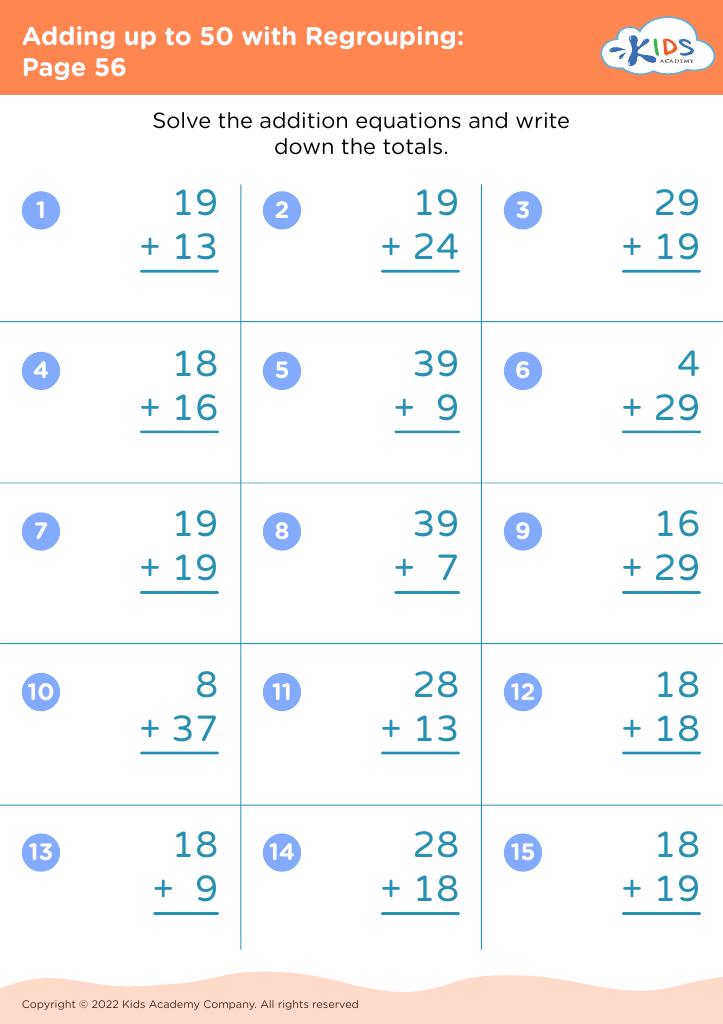
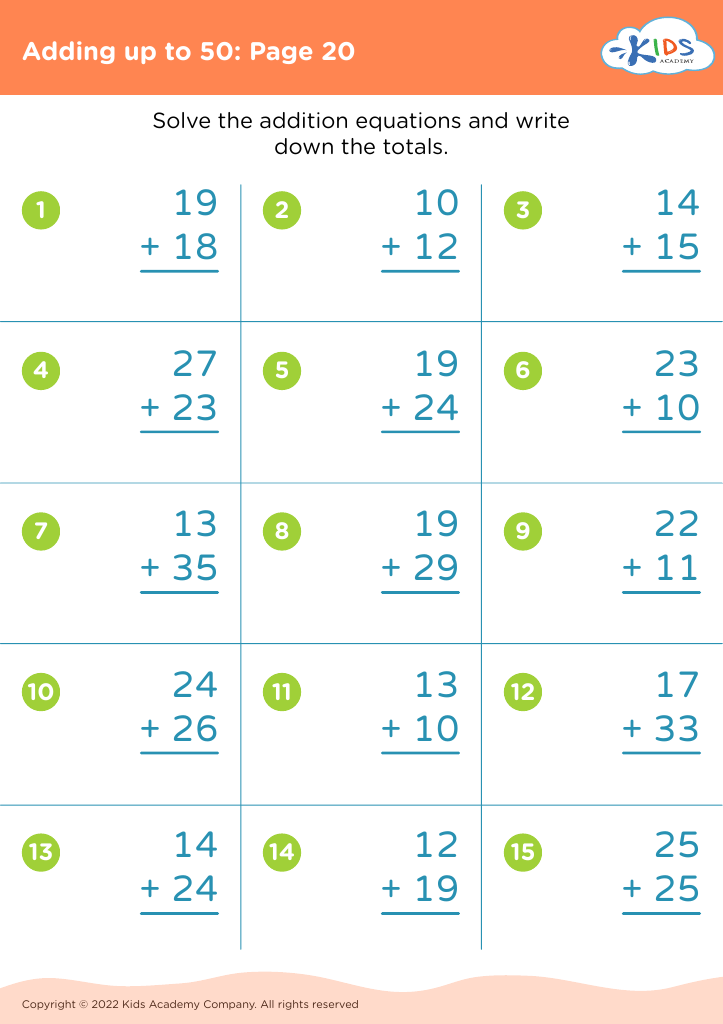








Parents and teachers should prioritize teaching subtraction to children ages 3-7 because these foundational math skills are crucial for overall cognitive development. During this stage, young learners are naturally curious, and introducing subtraction can enhance critical thinking and problem-solving skills. Early exposure to math not only fosters numerical fluency but also strengthens logical reasoning as children begin to understand concepts like "taking away" and "how many remain."
In addition, mastering subtraction lays the groundwork for future mathematical learning. When children can confidently subtract, they build confidence that will serve them in more complex math as they progress through school. Engaging in fun activities, games, and visual aids can make subtraction enjoyable, creating a positive attitude towards math overall.
Moreover, social-emotional growth is stimulated through collaborative activities involving subtraction, where children learn to communicate their thought processes and reason through challenges with their peers. As parents and teachers support this learning, they demonstrate the importance of perseverance and resilience as children tackle problems.
Ultimately, fostering an early understanding of subtraction equips children with essential life skills, helping them navigate everyday situations such as counting, budgeting, and problem-solving in school and life, making this early learning critical for their development.








