Check out this FREE "Logical thinking" Trial Lesson for age 3-7!

Extend Patterns

Favorites
With answer key
Interactive
  • 3-7
  • Logical thinking
Spider Verbs Worksheet

Spider Verbs Worksheet

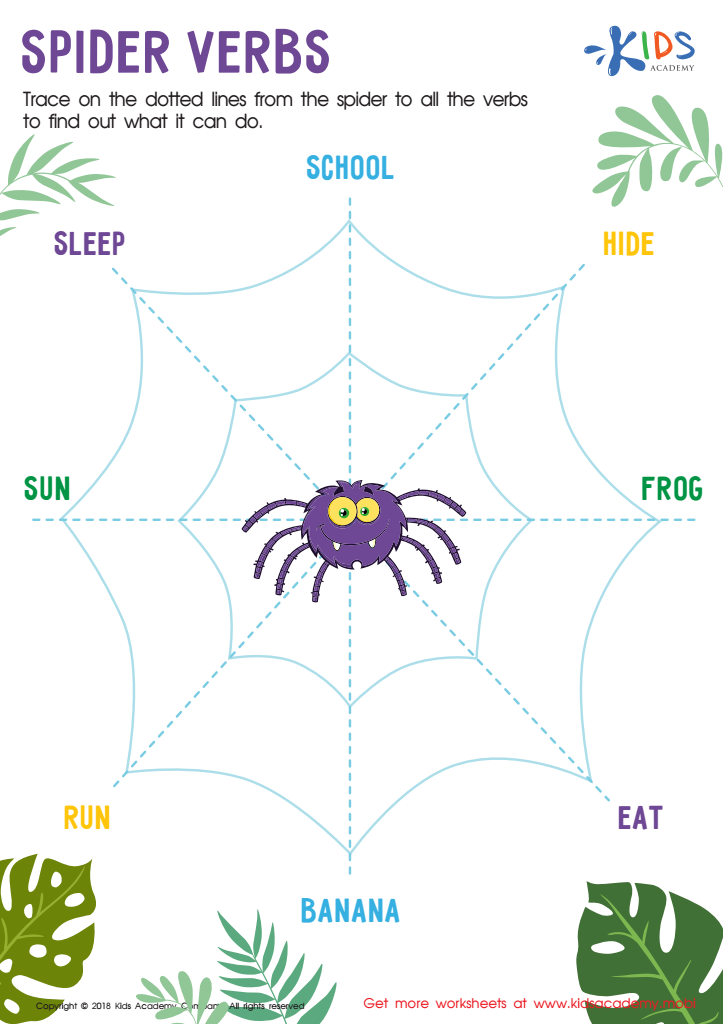
Verbs are action words. Examples: run, play, talk. Show your child this tracing sheet for them to learn about verbs. Ask them to trace the dotted lines from the spider to the words that are verbs. These words are what the spider can do.
Spider Verbs Worksheet
Worksheet
What Would Happen? Worksheet

What Would Happen? Worksheet

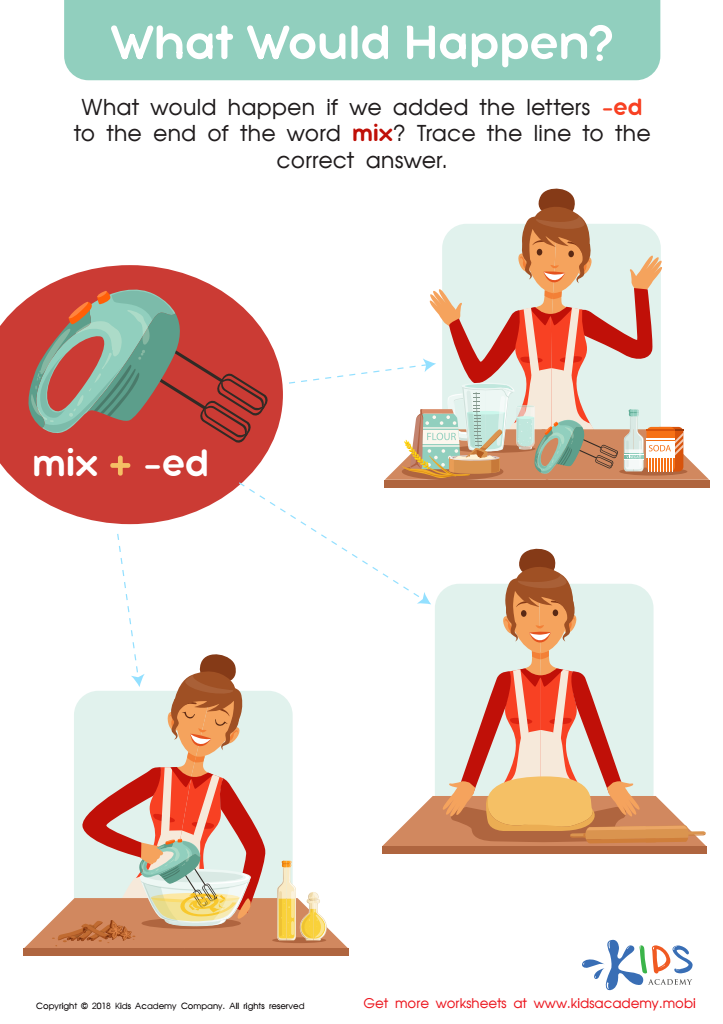
Are your kids struggling with tenses? Use this worksheet to help them. See what they know by asking them to add '-ed' to the end of 'mix'. Guide them through the tracing sheet as they look for the correct answer.
What Would Happen? Worksheet
Worksheet
Pattern Recognition Worksheet

Practice Patterns Worksheet

Practice Patterns Worksheet
Worksheet
Adding up to 1000 with Regrouping: Page 2
Worksheet
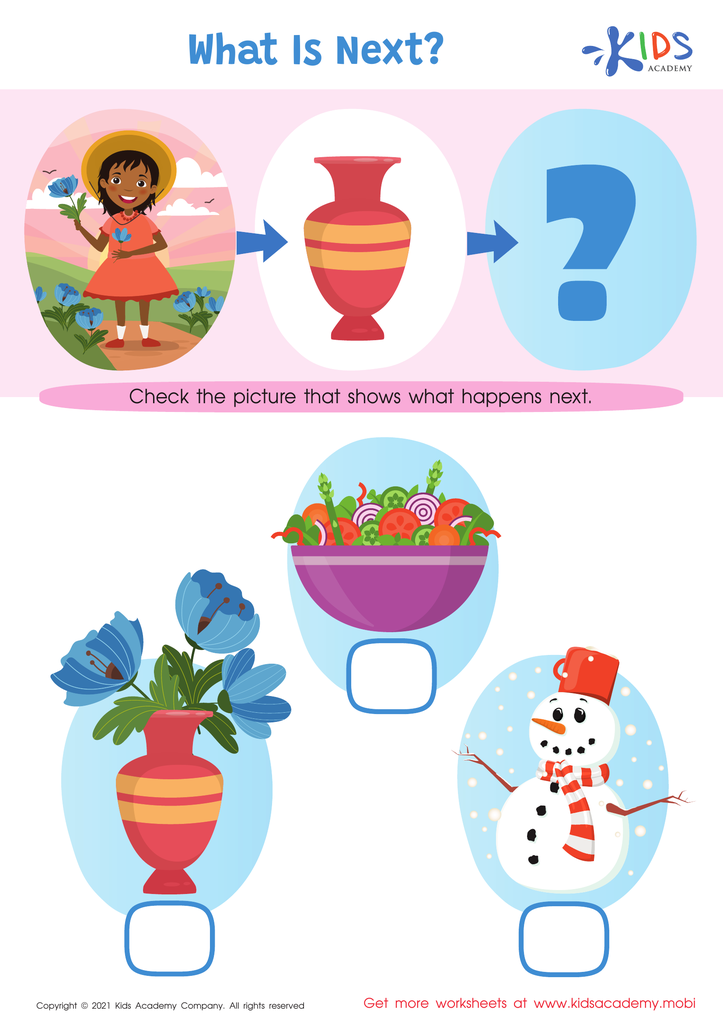
What is Next? Worksheet

What is Next? Worksheet

The purpose of our company is to provide customers with the highest quality products and the best customer service experience in the industry. We're committed to providing customers with excellent products and customer service. Our goal is to be the best in the industry.
What is Next? Worksheet
Worksheet
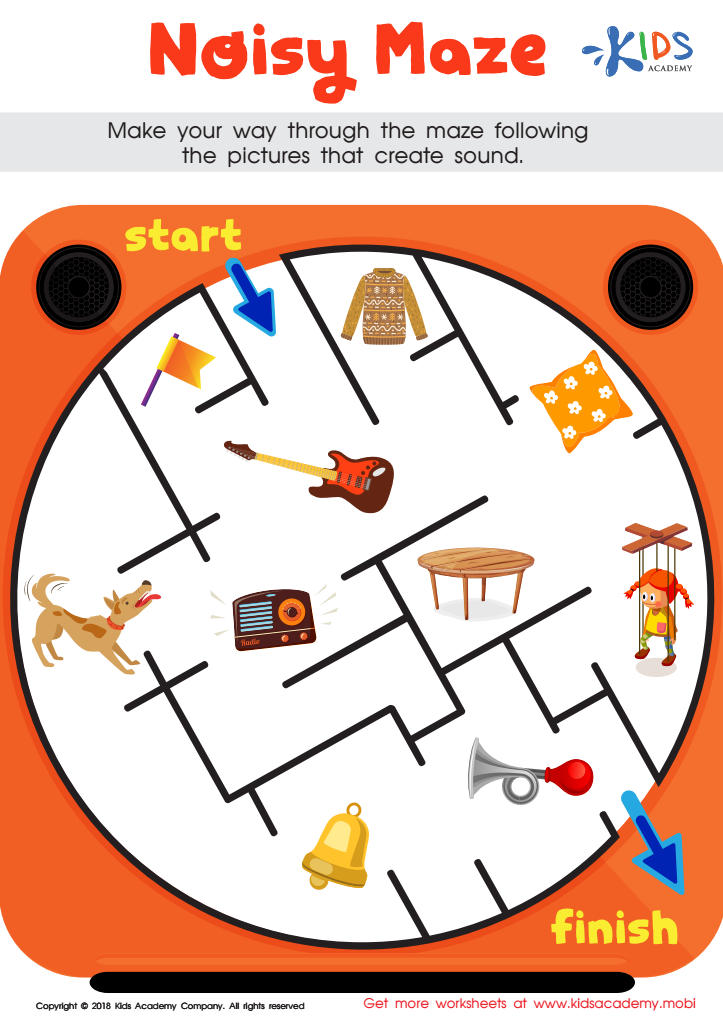
Noisy Maze Worksheet


Noisy Maze Worksheet

Have your kids name some objects that make noise? Then, look at the worksheet with them and help them identify each object. Guide them through the maze, following the sound-producing pictures.
Noisy Maze Worksheet
Worksheet
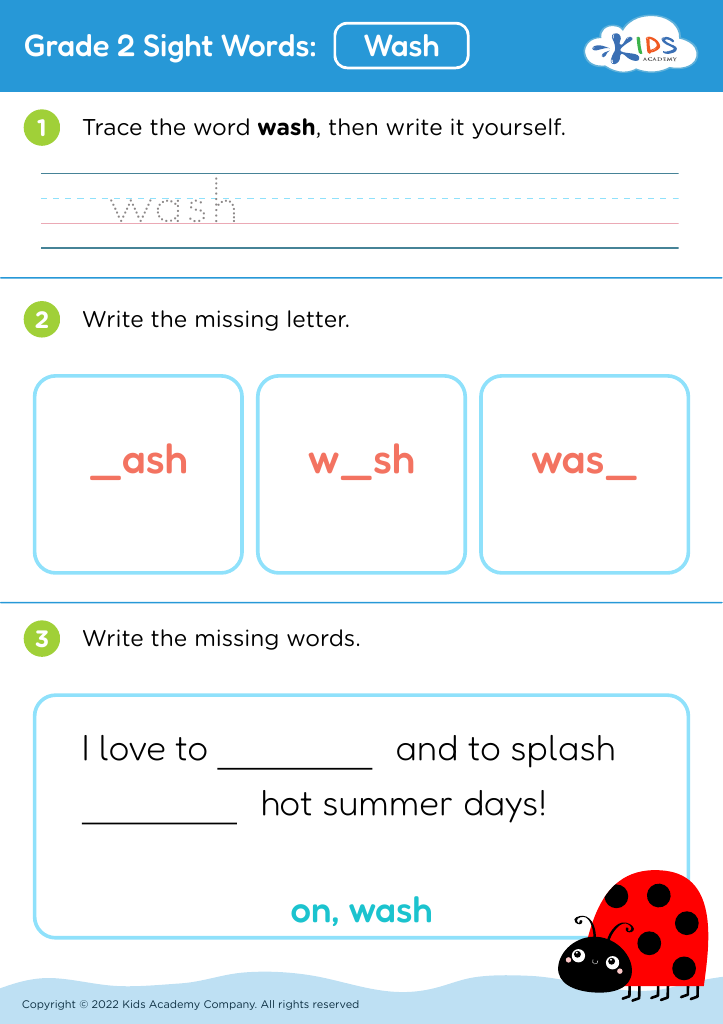
Grade 2 Sight Words: Wash

Grade 2 Sight Words: Wash

Grade 2 Sight Words: Wash
Worksheet
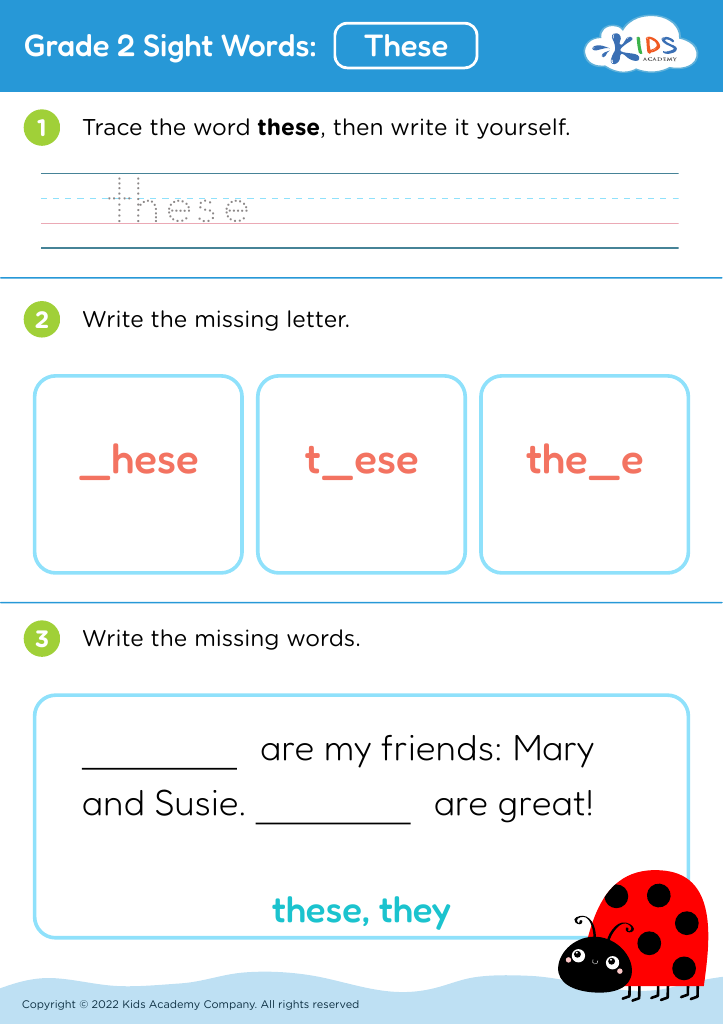
Grade 2 Sight Words: These

Grade 2 Sight Words: These

Grade 2 Sight Words: These
Worksheet
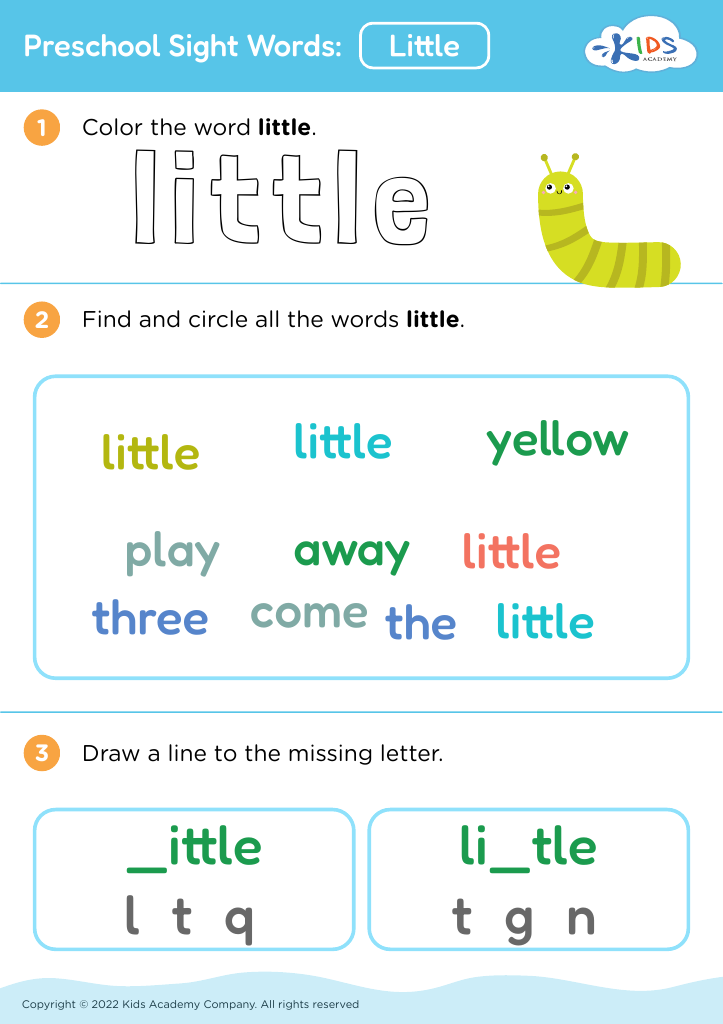
Preschool Sight Words: Little

Preschool Sight Words: Little

Preschool Sight Words: Little
Worksheet


Logical thinking is critical for children aged 3-7 as it lays the foundation for problem-solving and decision-making skills essential in everyday life. During these formative years, children are naturally curious and eager to explore their surroundings. Engaging them in activities that promote logical thinking can enhance their cognitive abilities and intellectual growth.

Parents and teachers should care about fostering logical thinking because it encourages critical reasoning and helps children make connections between ideas. Activities such as puzzles, sorting games, and simple math problems stimulate a child's brain to engage in logical processes. Furthermore, mastering these skills boosts confidence and promotes independence, enabling children to tackle challenges with ease.

Logical thinking also enhances communication skills. When children articulate their thought processes, explain their reasoning, or share solutions to problems, they practice language development, improve vocabulary, and learn to convey ideas more clearly.

Ultimately, nurturing logical thinking from an early age helps set the stage for academic success in later years, boosting skills in subjects such as math and science. By prioritizing logical thinking, parents and teachers equip children with the tools they need to navigate their world effectively and prepare them for future challenges.