Math problem-solving skills Worksheets for Ages 3-7
5 filtered results
-
From - To
Boost your child's math problem-solving skills with our engaging worksheets designed for ages 3-7. These printable activities encourage critical thinking and help young learners explore fundamental math concepts through fun and interactive exercises. Each worksheet is tailored to develop essential skills such as counting, shape recognition, and basic addition and subtraction, fostering a solid foundation in mathematics. Suitable for both home and classroom use, our materials promote a love for learning while challenging children at an age-appropriate level. Let your little ones discover the joy of numbers and enhance their problem-solving abilities with our math worksheets today!
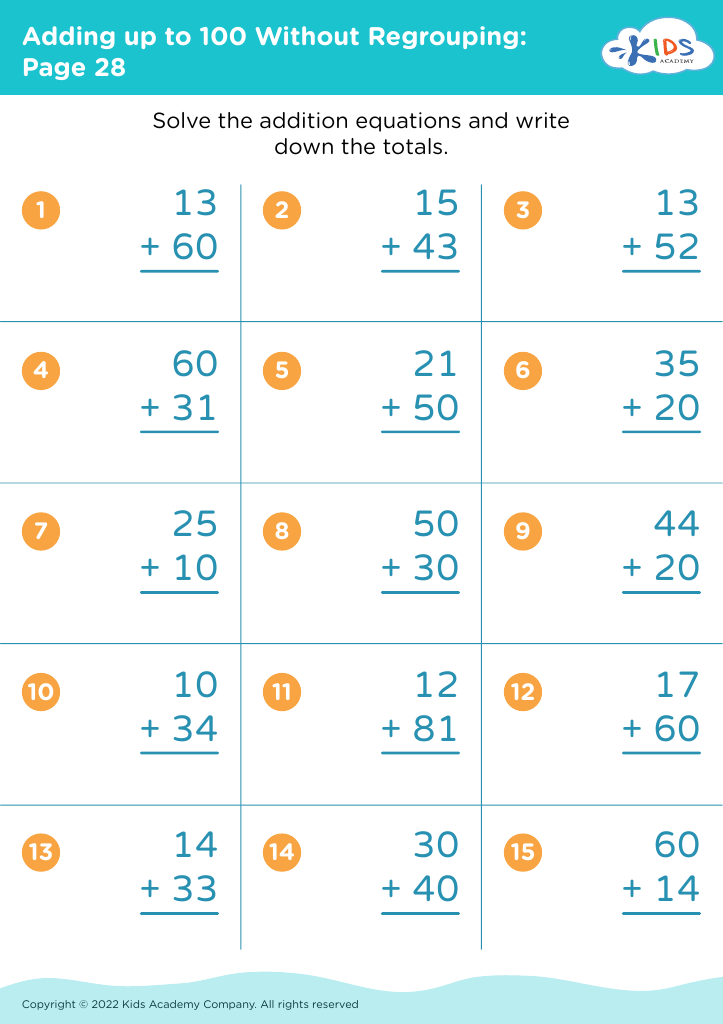
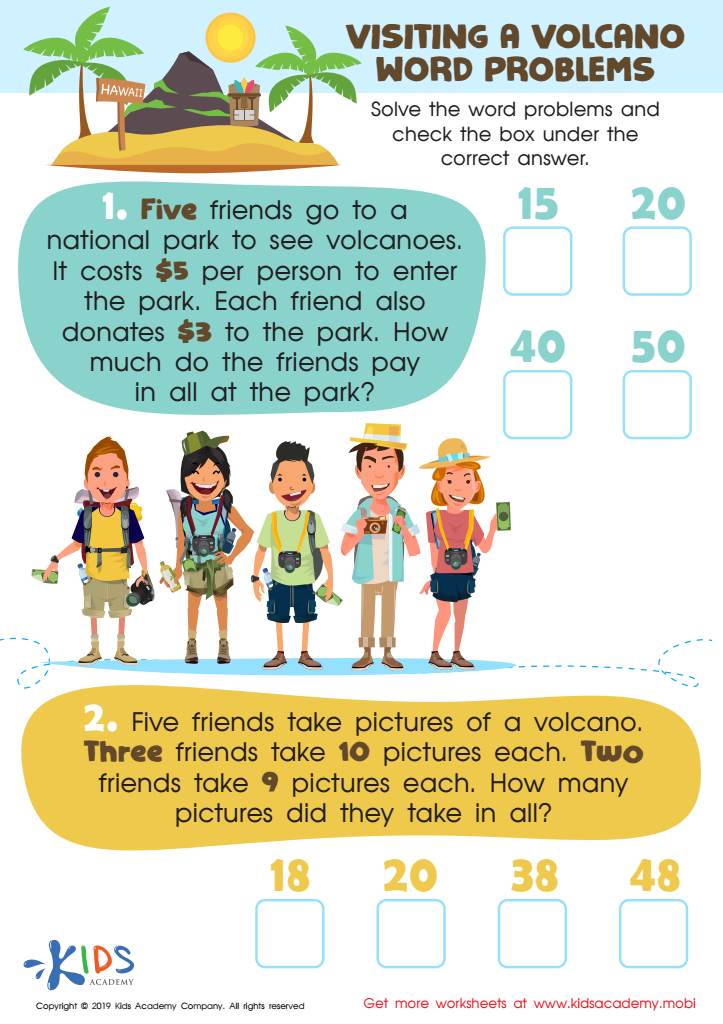
Visiting a Volcano Word Problems Worksheet
 Assign to My Students
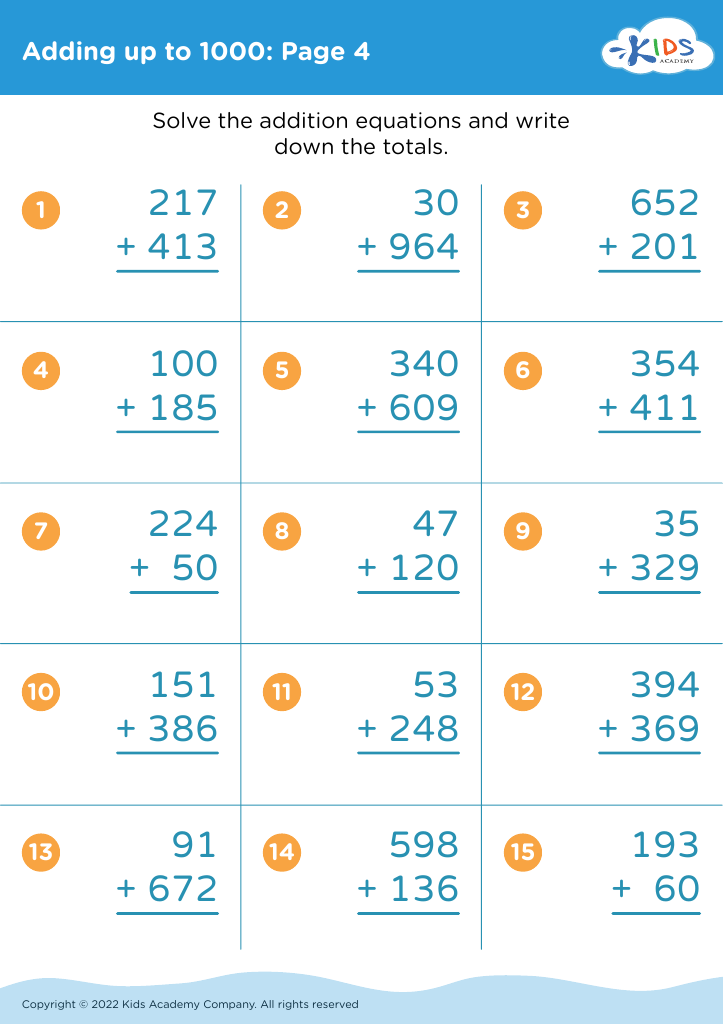
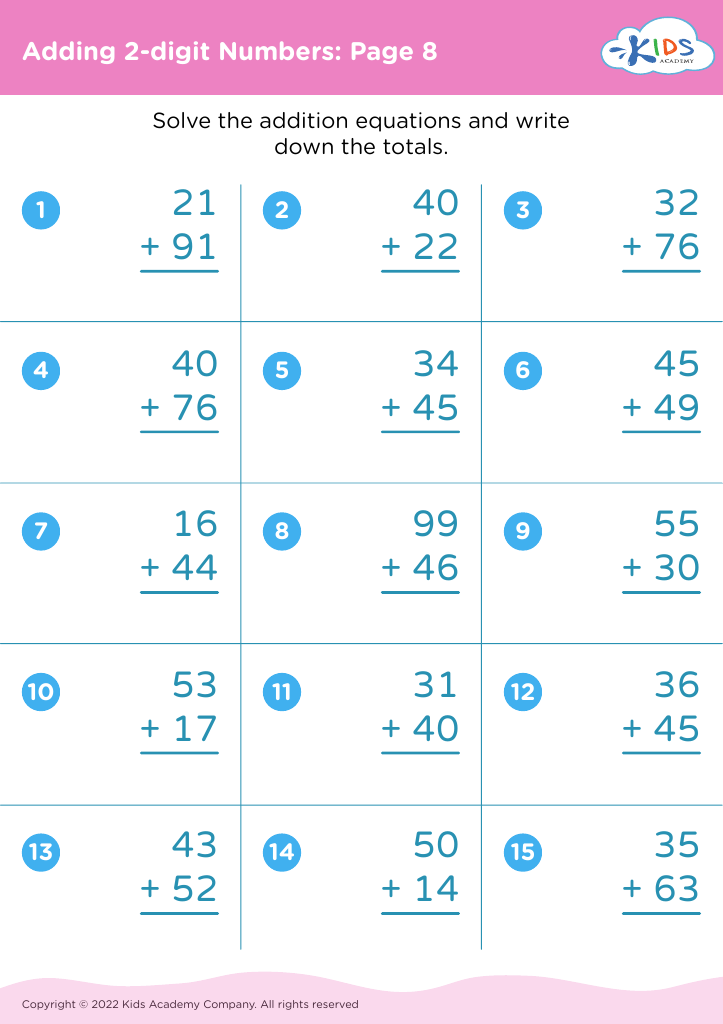








Parents and teachers should prioritize math problem-solving skills for children ages 3 to 7 because these skills lay the foundation for later academic success and lifelong learning. During these formative years, children develop critical thinking abilities, learn to analyze situations, and practice reasoning, which are essential components of problem-solving. Engaging young learners in math challenges enhances their cognitive skills and promotes creativity, encouraging them to explore multiple approaches to find solutions.
Additionally, early math experiences can demystify the subject, fostering a positive attitude towards mathematics as they grow. This is crucial, as children who enjoy math are more likely to pursue further studies in the subject, leading to greater opportunities in various fields like technology, science, and engineering. Moreover, math problem-solving promotes persistence and resilience; when faced with challenges, children learn to try again or discover different ways to tackle a problem.
Support from parents and teachers in developing these skills also enhances a child's social-emotional development, as they collaborate with peers, learn to communicate ideas, and manage frustration, all while reinforcing a strong number sense. Therefore, fostering math problem-solving since early childhood is integral to nurturing well-rounded, capable, and confident individuals.








