Math skills development Worksheets for Ages 3-7
5 filtered results
-
From - To
Discover our engaging Math Skills Development Worksheets for ages 3-7, designed to enhance your child's mathematical understanding in a fun and interactive way. Tailored for early learners, our worksheets cover essential concepts such as counting, addition, subtraction, shapes, and patterns. Each activity encourages critical thinking, problem-solving, and number recognition, fostering a love for math from an early age. With colorful designs and age-appropriate challenges, these worksheets not only make learning enjoyable but also help to build a strong foundational skill set. Perfect for parents and educators alike, our resources support the essential growth of young mathematicians! Explore and empower your child's math journey today!
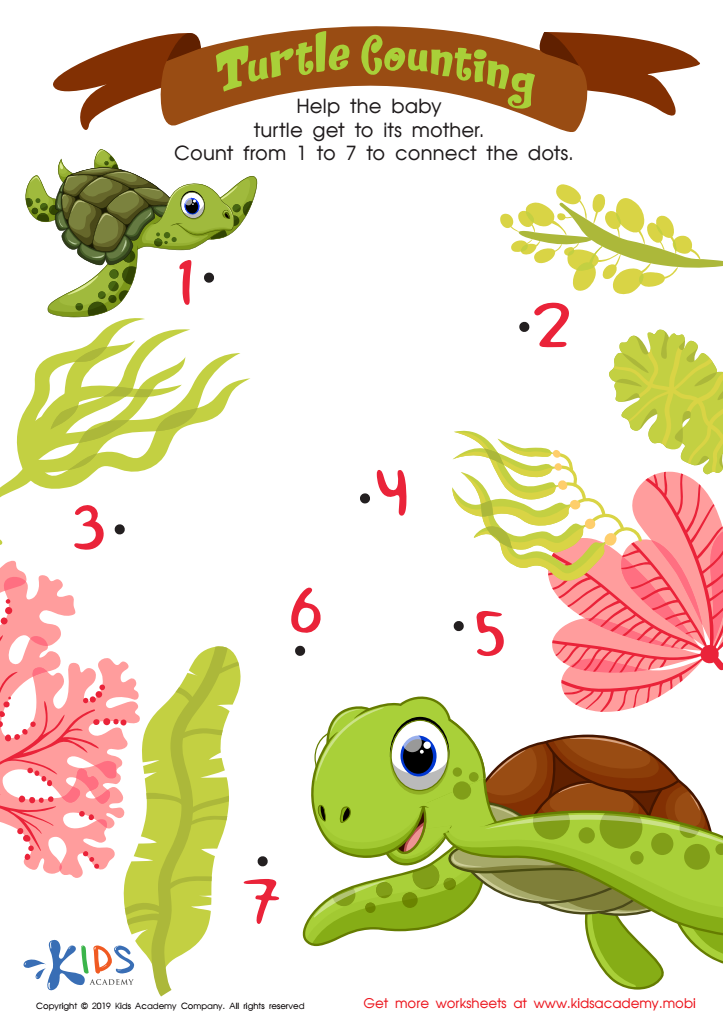
Turtle Counting Worksheet
 Assign to My Students
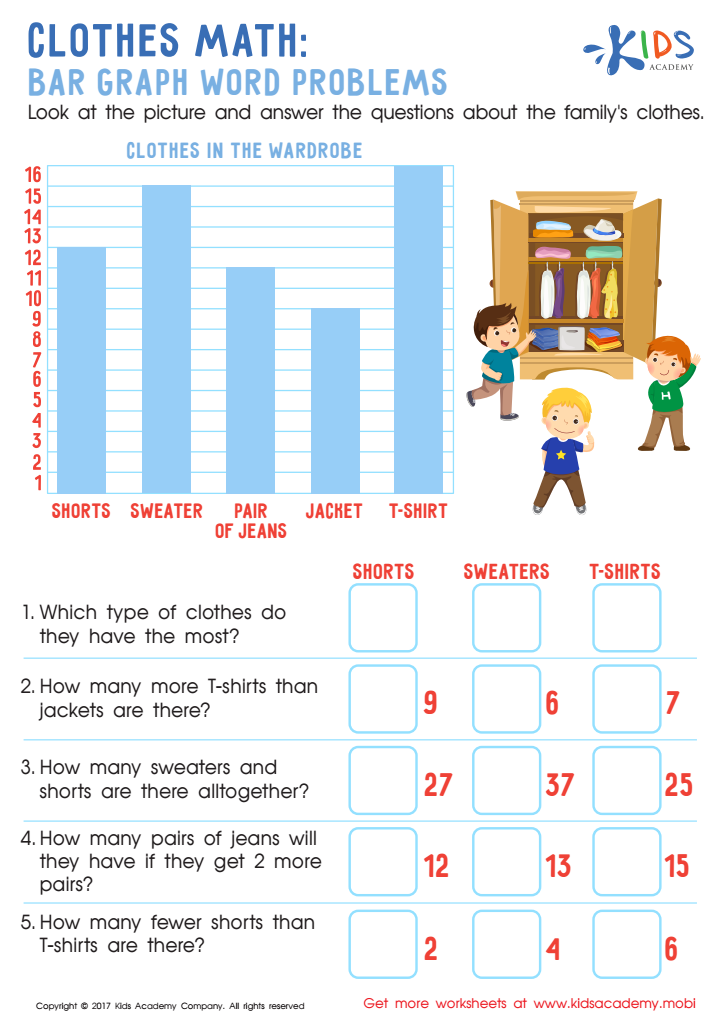
Clothes Math: Bar Graph Word Problems Worksheet
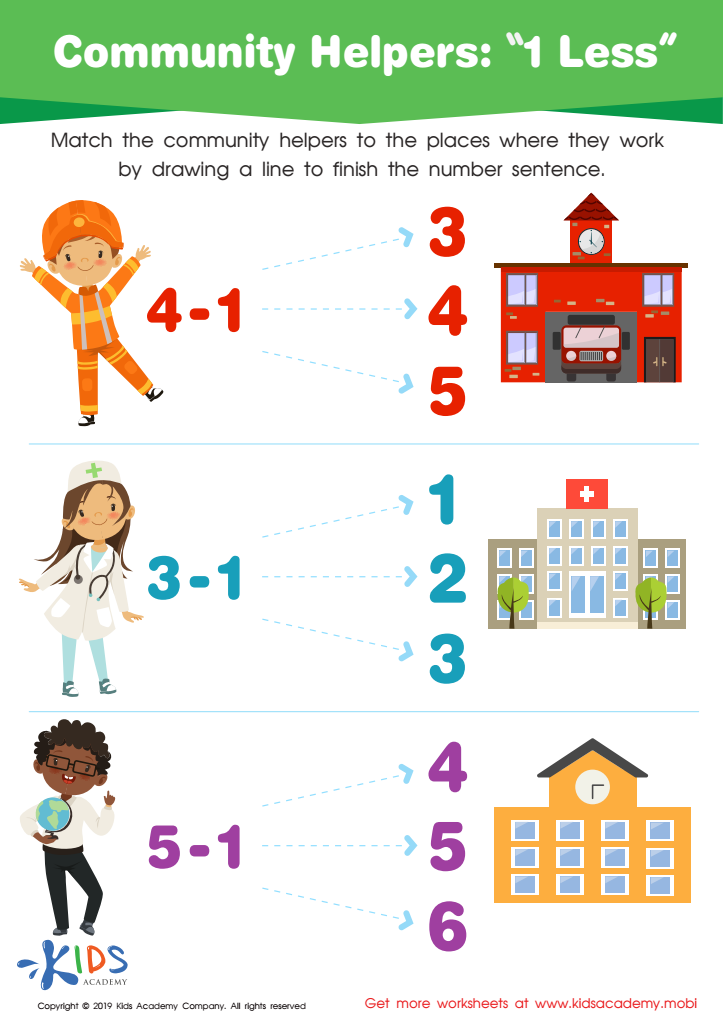
Community Helpers: 1 less Worksheet
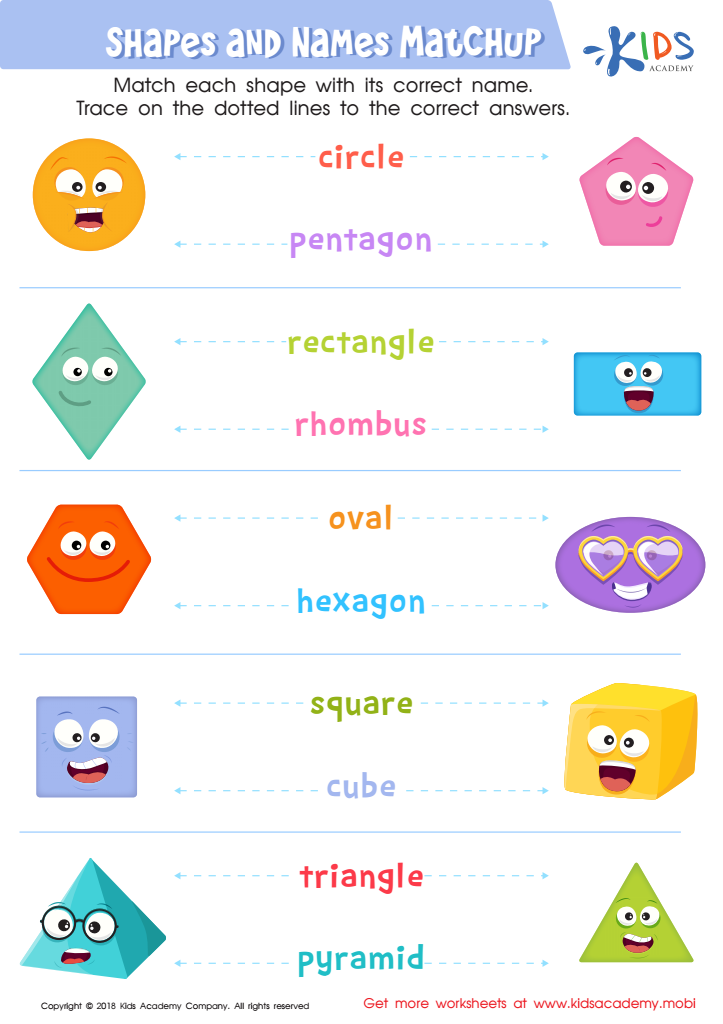
Shapes and Names Matchup Worksheet
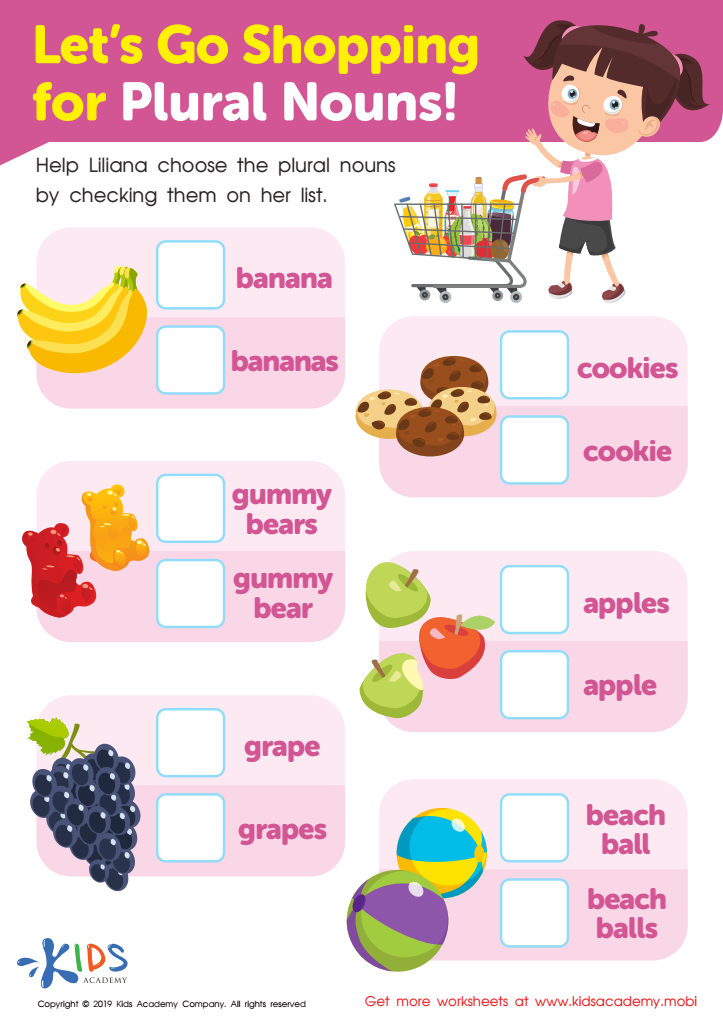
Let's Go Shopping for Plural Nouns! Worksheet







Math skills development in children aged 3 to 7 is crucial for several reasons. At this early stage, children build foundational skills that influence their future learning and academic success. Math is not just about numbers; it fosters critical thinking, problem-solving, and logical reasoning skills. These cognitive abilities are essential in everyday life, from understanding time to managing money.
Moreover, math skills enhance a child’s ability to communicate ideas and think analytically. Exposure to math concepts, such as counting, shape recognition, and patterns, cultivates confidence and curiosity in learning. Engaging with math in fun and meaningful ways, like through games and everyday activities, promotes a positive attitude toward the subject and reduces anxiety.
Additionally, early math skills are predictive of later success in academic subjects, particularly in literacy and science. By nurturing these skills, parents and teachers help lay the groundwork for lifelong learners who are prepared to tackle future challenges. As partners in education, both parents and teachers play a vital role in creating an enriching environment that encourages exploration, discovery, and mastery of essential math concepts, ensuring children are equipped for success in an increasingly complex world.








