
Motor skills Worksheets for Ages 3-7
3 filtered results
Difficulty Level
Grade
Age
-
From - To
Subject
Activity
Standards
Unlock your child's potential with our Motor Skills Worksheets designed for ages 3-7! These engaging and fun-filled activities promote essential motor skills development, including hand-eye coordination, fine motor control, and physical dexterity. Our thoughtfully crafted worksheets cater to various skill levels and interests, ensuring that every child can thrive. From tracing and cutting to coloring and matching, each activity supports learning through play. Boost your preschool or early grade curriculum with our printable resources, perfect for classroom or home use. Enhance your child's creativity and confidence while laying the foundation for future learning. Explore our Motor Skills Worksheets today and watch their skills soar!
Favorites
With answer key
Interactive
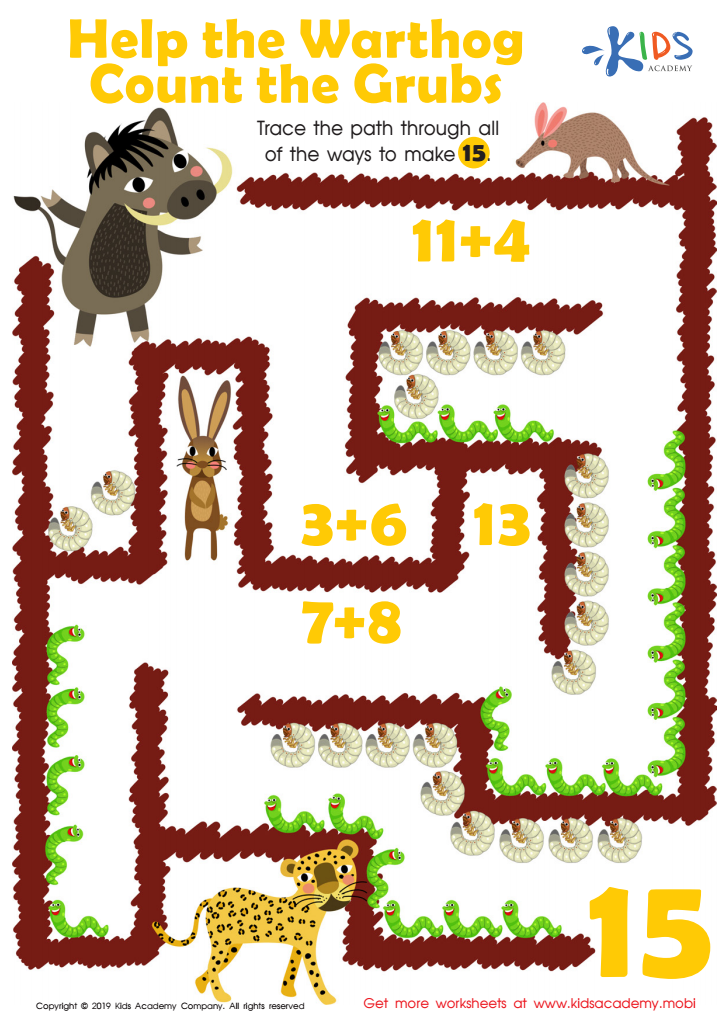
Help the Warthog Count the Grubs Worksheet
Test your kids' knowledge of wild animals. Ask them to name some they know, then have them identify the animals on this worksheet. If they can't, take the time to tell them the names. Finally, trace the warthog's path through the maze by solving the equations and going through paths that make 15.
 Assign to My Students
Help the Warthog Count the Grubs Worksheet
Worksheet
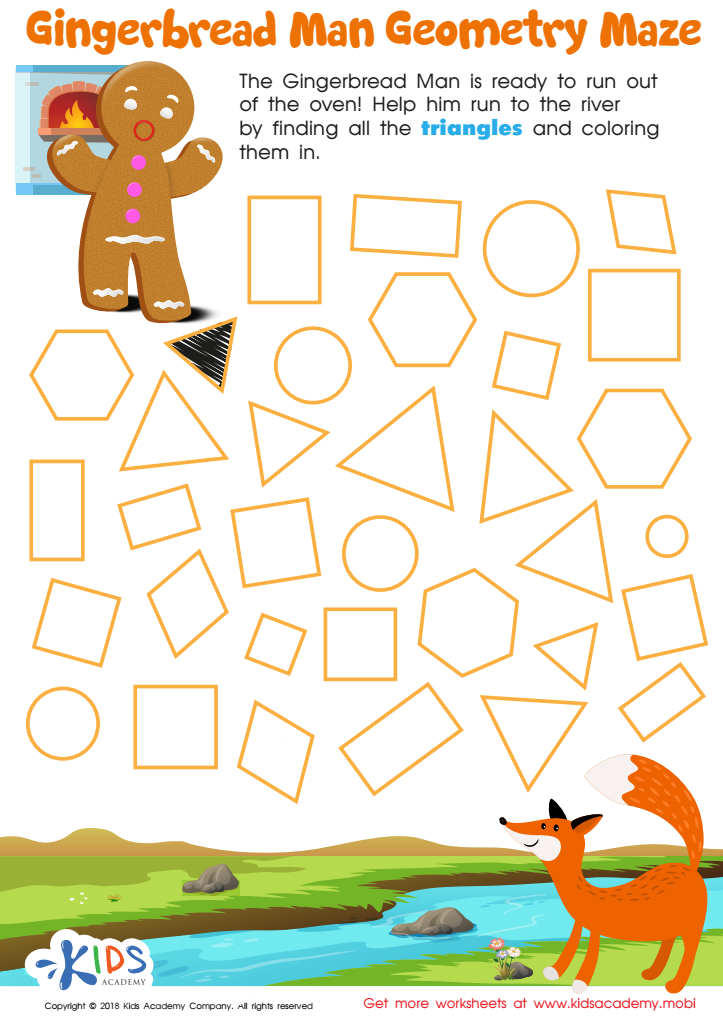
Gingerbread Man Geometry Maze Worksheet
Help a beloved character escape the oven! Kids race through a sea of geometrical shapes, searching for triangles of various sizes. With this free worksheet, they can have fun while learning about similarity of geometrical shapes concepts. Run, run, run as fast as they can!
Gingerbread Man Geometry Maze Worksheet
Worksheet
Join Kids Academy for Free
Who is primarily going to use this learning content?






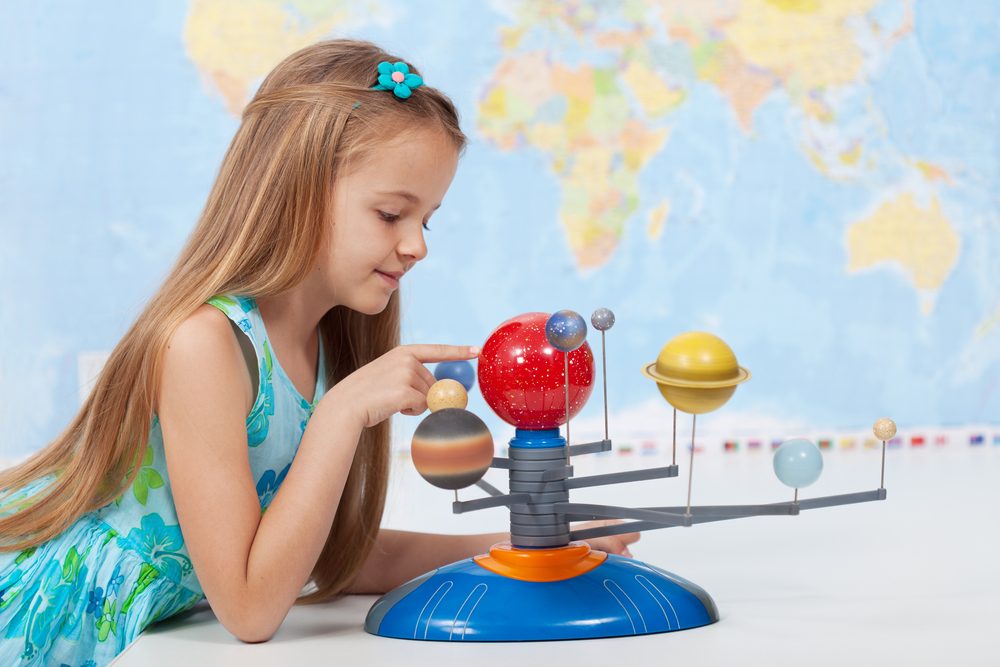

Motor skills development is crucial for children ages 3-7, demanding attention from both parents and teachers. During this vital stage, children are refining the coordination and control of their movements, which impact their overall development significantly. Fine motor skills, such as gripping a pencil or building with blocks, enable children to perform everyday tasks like writing, drawing, and self-care, fostering independence and confidence.
Gross motor skills, related to larger movements like running, jumping, and climbing, are vital for physical health and coordination. A strong foundation in these skills can lead to a lifelong appreciation for physical activity, reducing the risk of obesity and related health concerns later in life.
Moreover, motor skills play a critical role in cognitive development. Activities requiring physical coordination often enhance brain functions, improving focus and problem-solving abilities. When children engage in movement, they also stimulate social interactions, collaborating with peers during play, which nurtures emotional intelligence and cooperation.
By prioritizing motor skills development, parents and teachers can help lay the groundwork for successful learning experiences in various subjects and enhance children's self-esteem and resilience, essential traits as they navigate school and life challenges. Investing in this domain fosters holistic growth, setting children up for future success.








