Number ordering Worksheets for Ages 3-7
3 filtered results
-
From - To
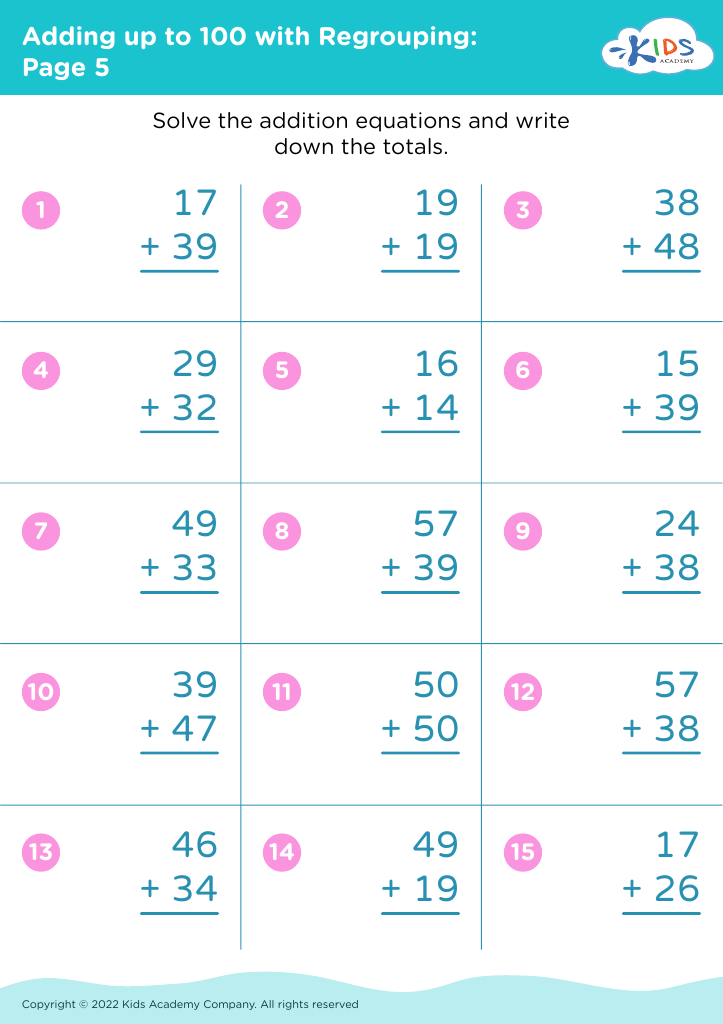
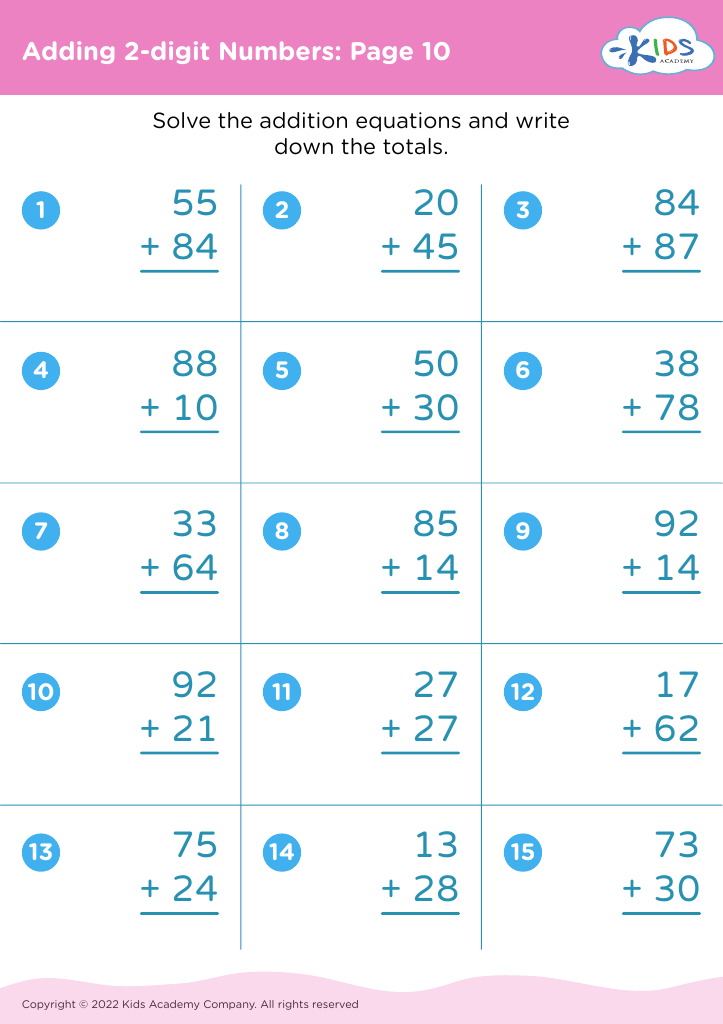
Discover our engaging Number Ordering Worksheets designed specifically for children aged 3 to 7! These worksheets help young learners strengthen their number recognition and sequencing skills through fun and interactive activities. Perfect for preschoolers and early grade schoolers, our resources encourage critical thinking as children practice arranging numbers in the right order. With visually appealing designs and age-appropriate challenges, these worksheets make learning enjoyable and effective. Whether in the classroom or as a home learning tool, our number ordering worksheets are an excellent way to build foundational math skills. Start your child’s mathematical journey today with our printable resources!
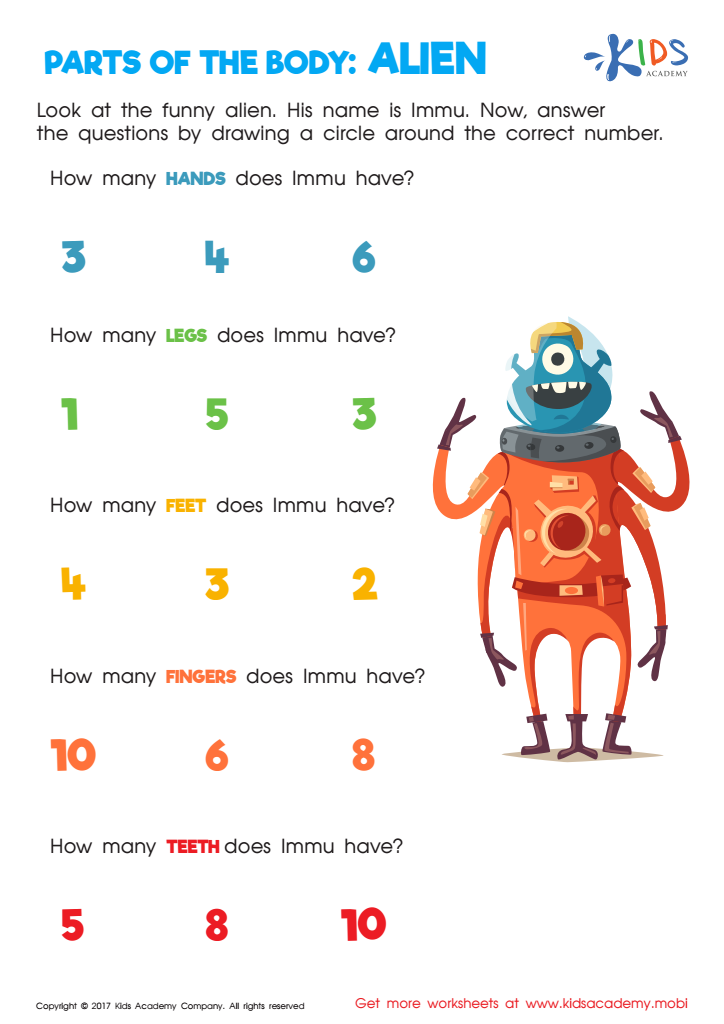
Alien Worksheet
 Assign to My Students






Number ordering is a fundamental skill in early childhood education that lays the groundwork for a child’s future mathematical understanding. For children aged 3-7, developing the ability to order numbers fosters critical cognitive skills, such as logical reasoning and pattern recognition. These skills are vital not only in mathematics but also in problem-solving and decision-making in various aspects of life.
When parents and teachers focus on number ordering, they help children grasp the concept of sequence, which is important for understanding larger mathematical principles, like addition and subtraction. This early exposure aids in developing a sense of numeracy and reinforces the understanding of quantities and relationships between numbers.
Moreover, mastering number ordering builds a child's confidence in their mathematical abilities. It encourages enthusiasm toward learning, as children who feel competent are more likely to engage in challenging tasks. Additionally, incorporating number ordering into daily activities—like sorting toys or counting snacks—makes learning contextual and fun.
Ultimately, by emphasizing number ordering in early education, parents and teachers equip children with essential skills that not only contribute to academic success but also to their overall cognitive development and independence in learning.








