
Numerical problem solving Worksheets for Ages 3-7
6 filtered results
Difficulty Level
Grade
Age
-
From - To
Subject
Activity
Standards
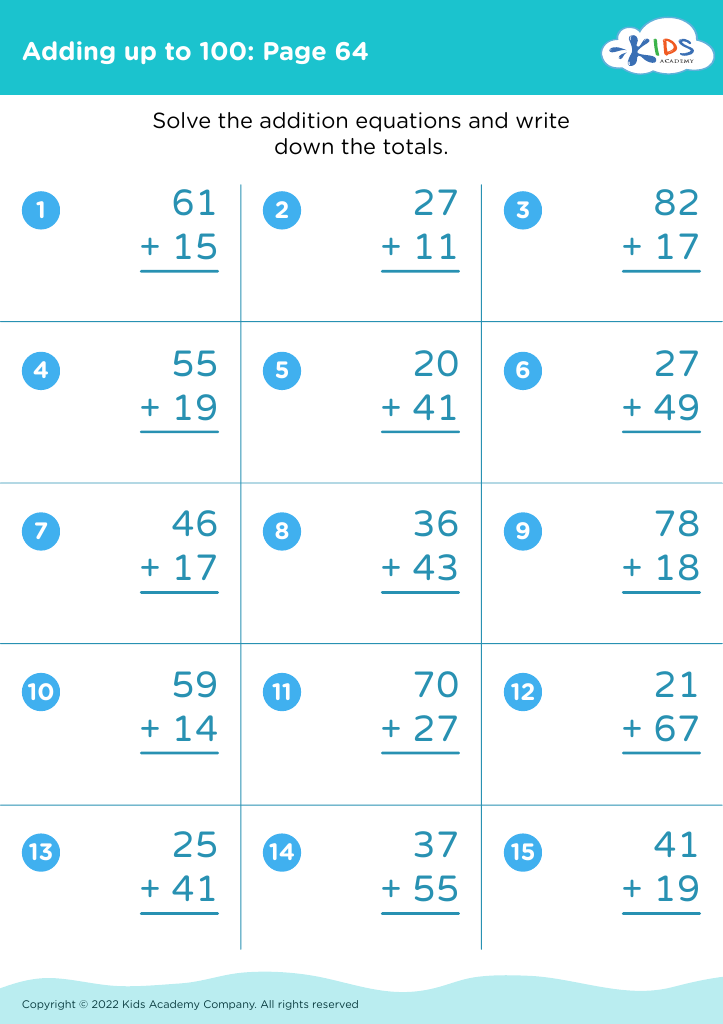
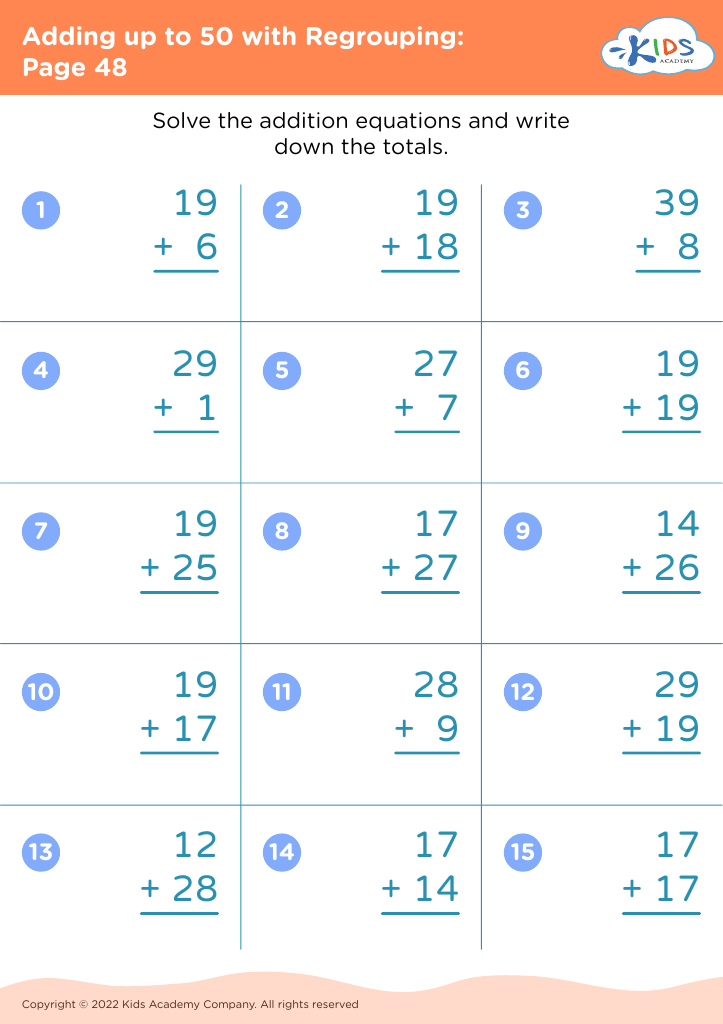
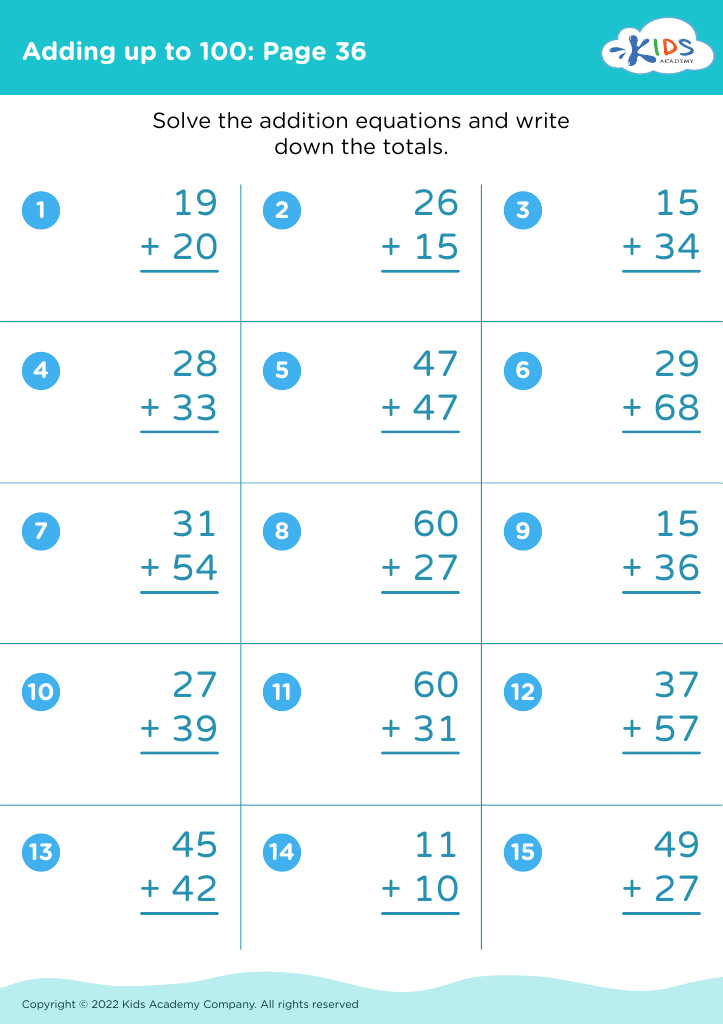
Unlock your child’s mathematical potential with our engaging numerical problem-solving worksheets, perfect for ages 3-7. Designed to sharpen early learning skills, these printable activities foster critical thinking and number recognition. Our worksheets feature fun, age-appropriate challenges, including counting, basic arithmetic, and problem-solving puzzles, making learning enjoyable. Whether at home or in the classroom, these resources will inspire confidence and a love for math in your little learner. Customize their learning experience today and watch them thrive in a world of numbers! Boost their success with our expertly crafted worksheets from Kids Academy.
Favorites
With answer key
Interactive
Join Kids Academy for Free
Who is primarily going to use this learning content?








Numerical problem solving for children aged 3-7 is crucial as it forms the bedrock of their future mathematical understanding and overall cognitive development. At this tender age, children's brains are highly receptive, and introducing them to basic numerical concepts like counting, addition, and subtraction can significantly boost their intellectual growth.
Engaging with numbers helps children develop critical thinking and analytical skills by encouraging them to explore patterns, make predictions, and solve problems. These cognitive skills are not only vital for math but are transferable to other subjects and daily life scenarios. Early numerical proficiency also lays a foundation for more complex mathematical concepts that children will encounter as they progress in their education.
Moreover, mastering numerical problem solving at an early age can boost children's confidence and enthusiasm for learning. Success in early math experiences often encourages a positive attitude towards challenging tasks and academic endeavors later on. For parents and teachers, fostering these skills through engaging, playful, and age-appropriate activities can support balanced intellectual development, ensuring children are well-prepared for future academic success.
In summary, investing in early numerical problem solving enriches children's thinking abilities, instills confidence, and equips them with essential skills that benefit their overall academic trajectory and life experiences.








