Object identification Worksheets for Ages 3-7
6 filtered results
-
From - To
Discover our engaging Object Identification Worksheets designed specifically for children ages 3-7! These worksheets provide a fun and interactive way for young learners to improve their cognitive skills while enhancing their vocabulary and visual recognition abilities. Each activity encourages children to identify, name, and categorize everyday objects, fostering critical thinking and observation skills. Ideal for classrooms or at-home learning, our printable worksheets are colorful, stimulating, and easy to navigate, perfect for curious minds. Boost your child's learning experience with these creative worksheets that make education enjoyable! Explore the wide range of activities to help your child thrive in their early learning journey.
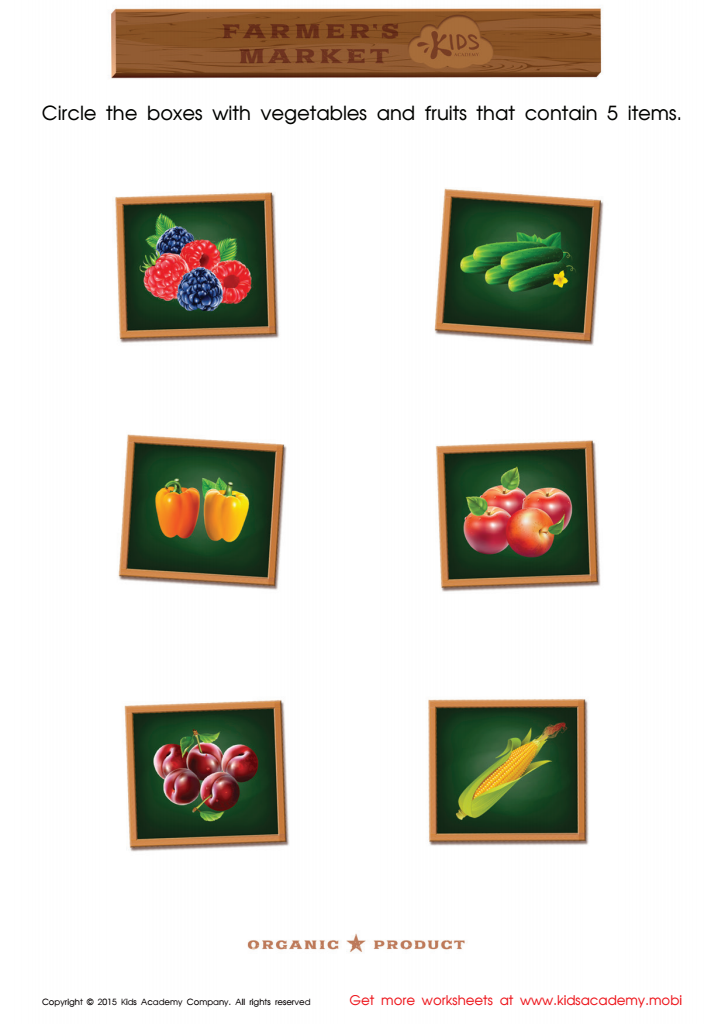
Count and Match Vegetables 1 – 7 Math Worksheet
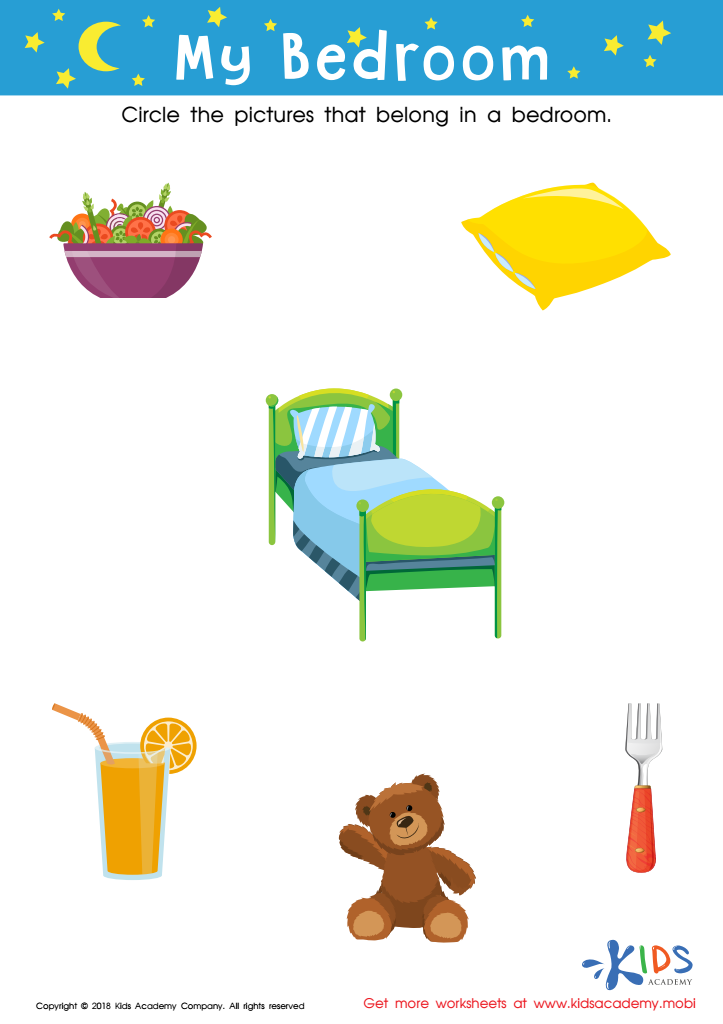
My Bedroom Worksheet
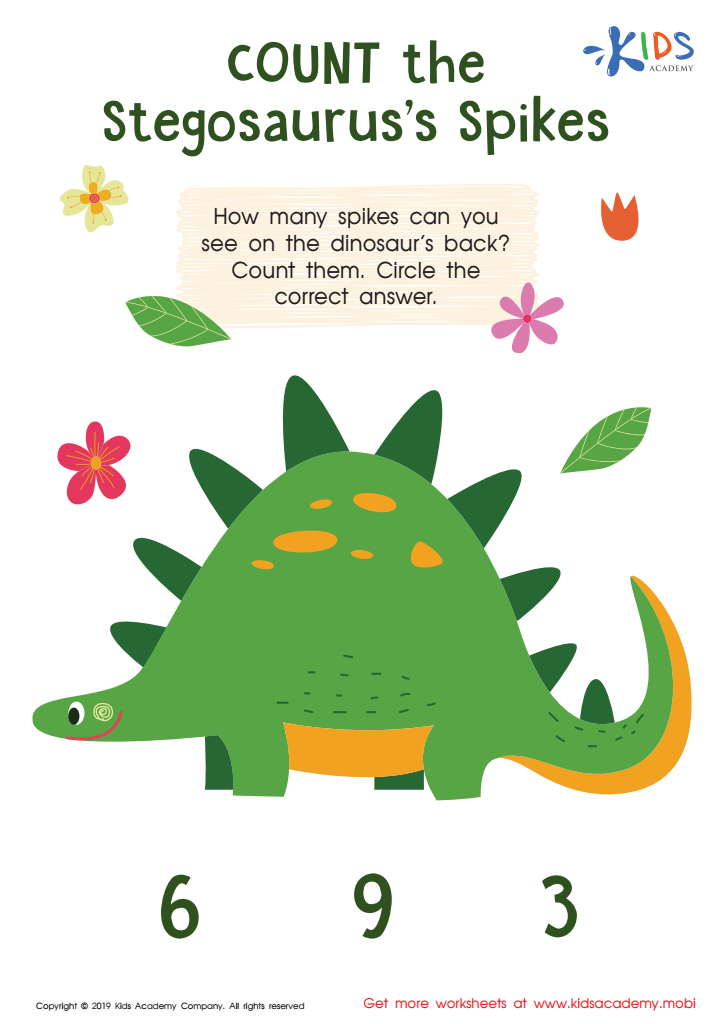
Count the Stegosaurus's Spikes Worksheet
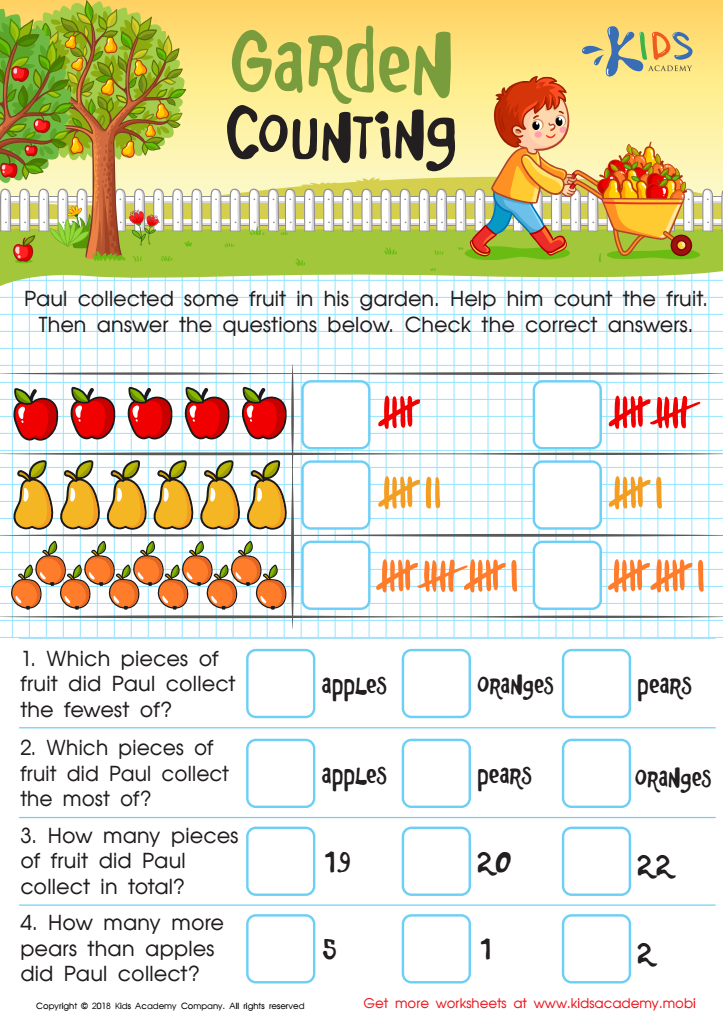
Garden Counting Worksheet
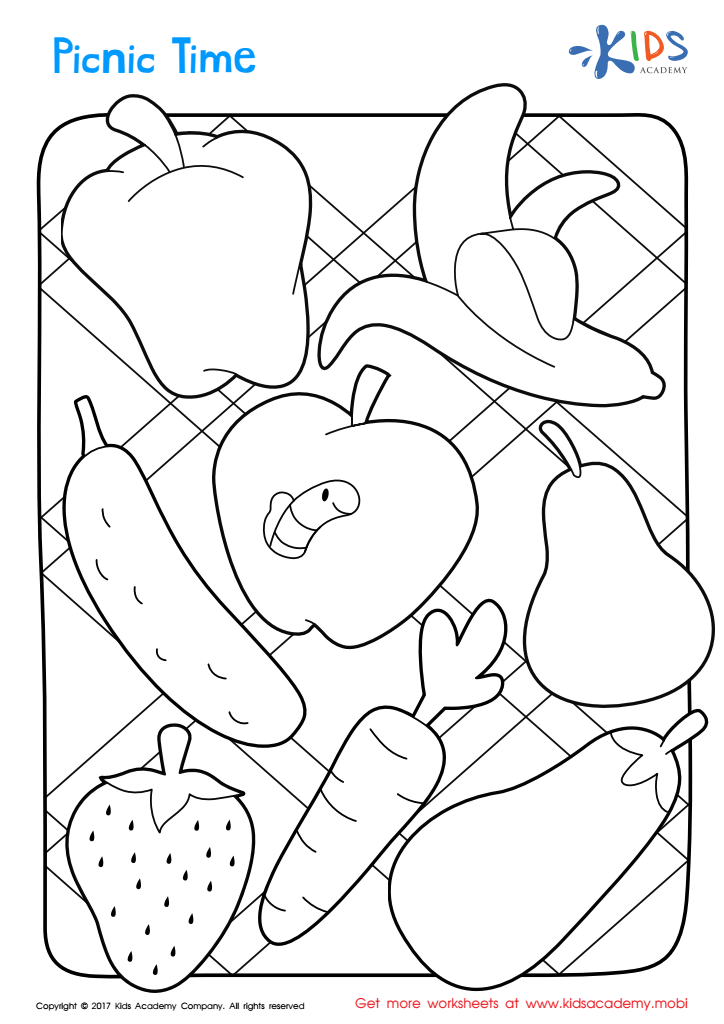
Picnic Time Coloring Page
 Assign to My Students
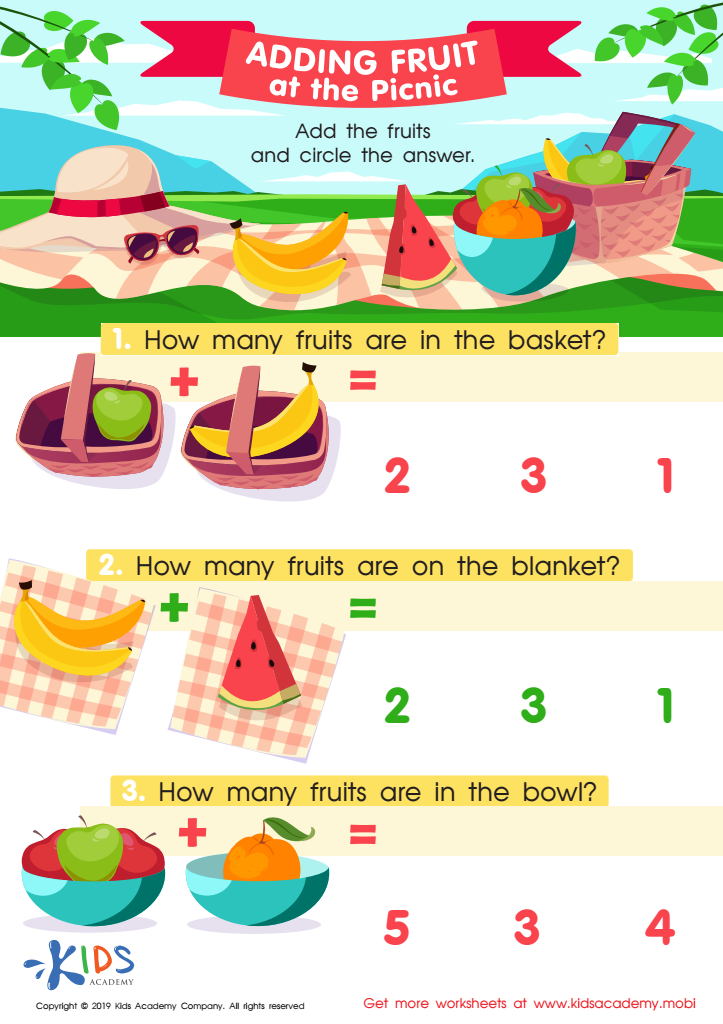
Adding Fruit at the Picnic Worksheet







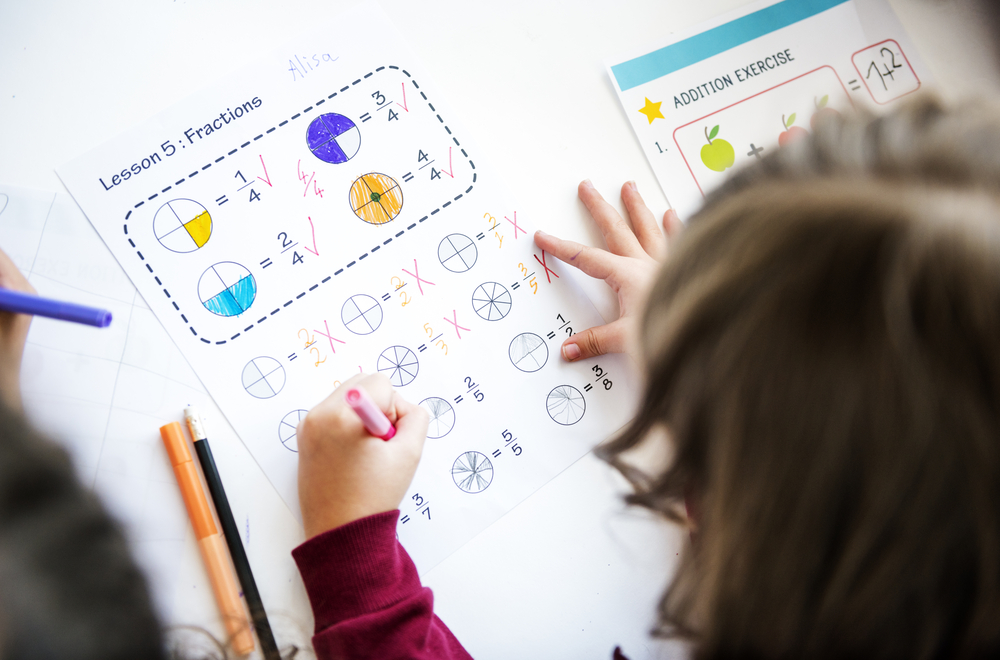
Object identification is a fundamental skill that lays the groundwork for language development, cognitive growth, and social interactions in children aged 3-7. During this critical developmental stage, children are actively exploring their environment and forming connections with the world around them. Teaching object identification helps children expand their vocabulary, as they learn to name and describe various items in their surroundings. This linguistic enhancement is crucial for effective communication and socialization.
Additionally, object identification sharpens cognitive abilities by encouraging children to categorize, compare, and contrast objects. These skills are vital for problem-solving and analytical thinking as they progress in their education. For instance, recognizing similarities and differences between objects can enhance critical thinking skills in mathematics, science, and everyday life.
Moreover, fostering object identification supports children's confidence and autonomy as they engage with their environment. When children can identify and articulate what they see, they participate more actively in discussions and activities, bolstering their enthusiasm for learning.
In summary, object identification equips young learners with essential skills that promote language development, cognitive abilities, and social competence. It is essential for parents and teachers to prioritize this learning aspect to ensure holistic growth and readiness for future academic challenges.








