Pattern recognition Worksheets for Ages 3-7 - Page 2
30 filtered results
-
From - To
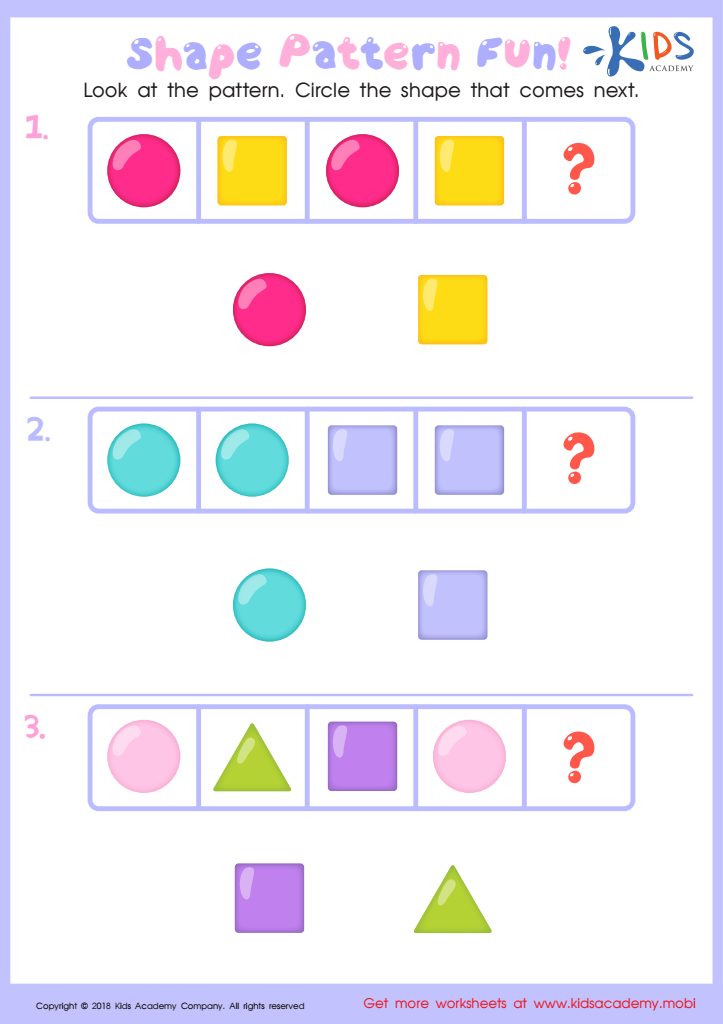
Shape Pattern Fun Worksheet
 Assign to My Students
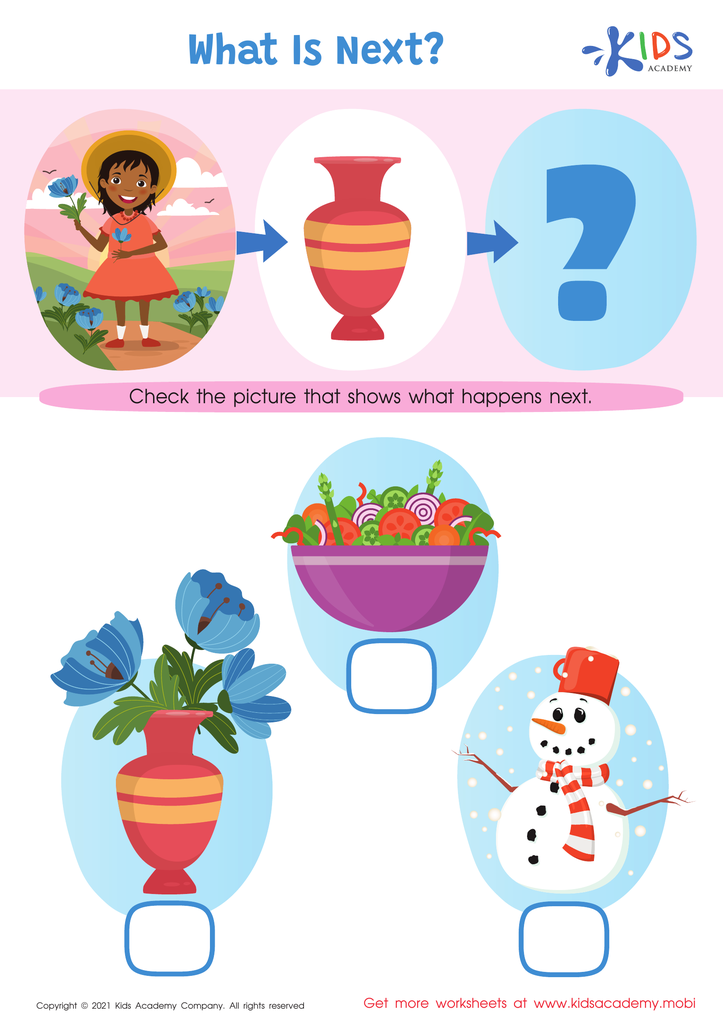
What is Next? Worksheet
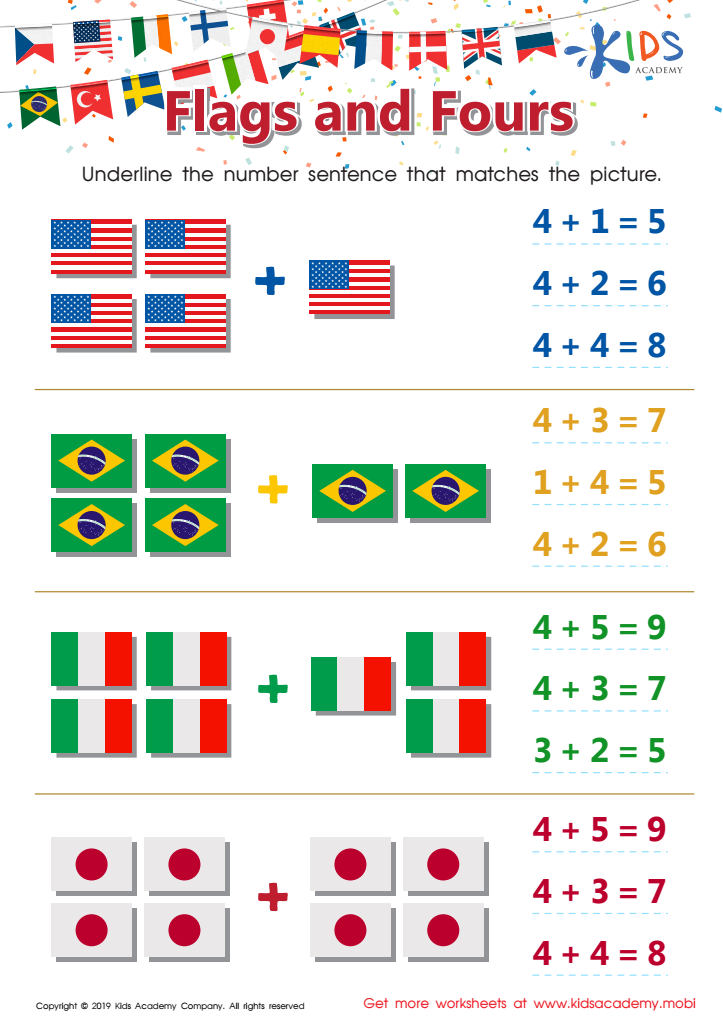
Flags and Fours Worksheet
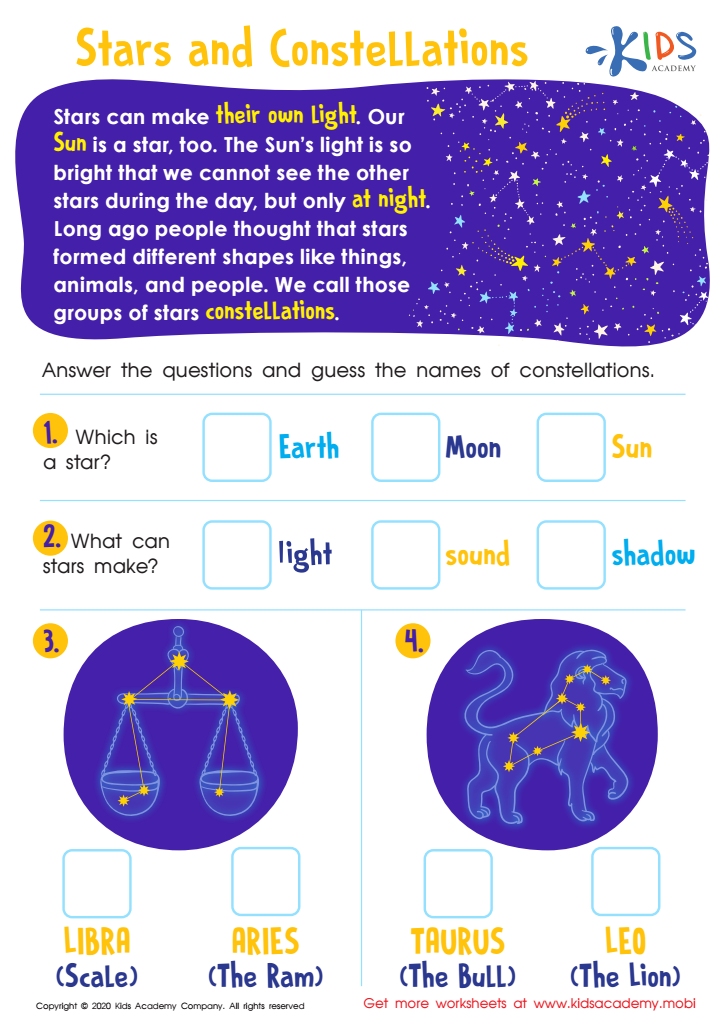
Stars and Constellations Worksheet
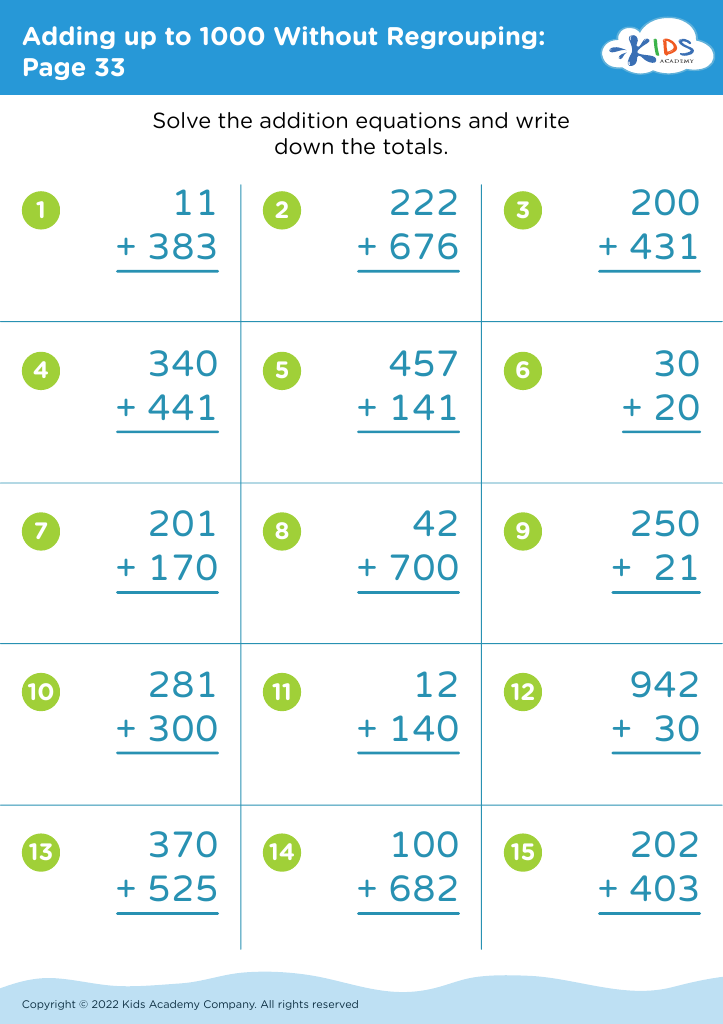
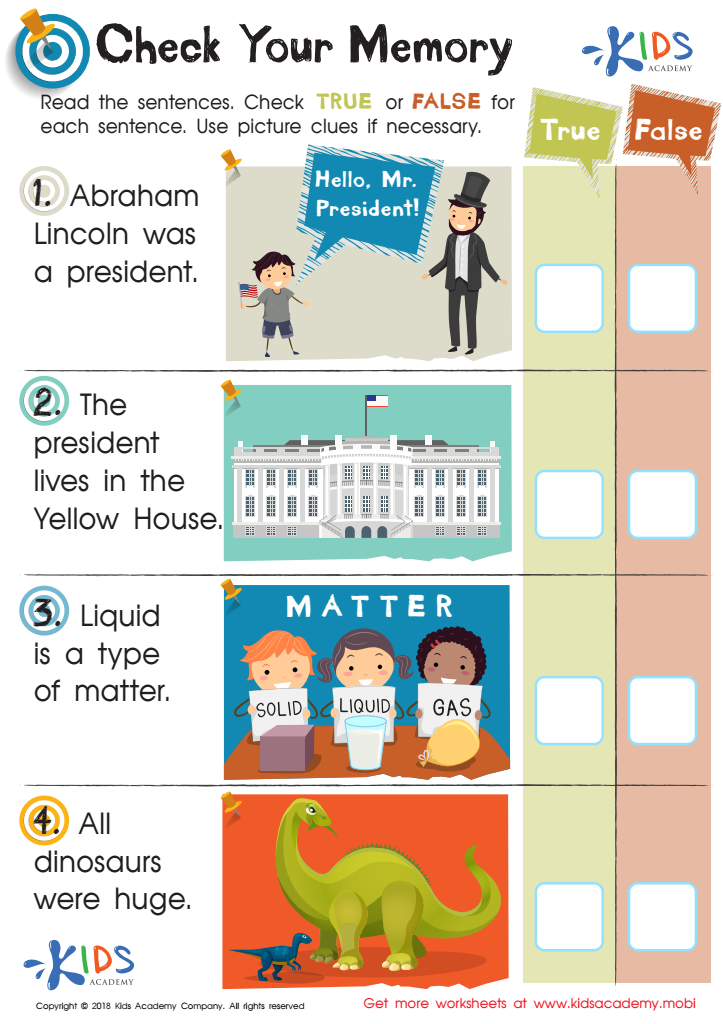
Check Memory Worksheet








Pattern recognition is a fundamental skill that underlies many areas of learning, making it crucial for parents and teachers to prioritize its development in children ages 3-7. At this stage, children are naturally curious and eager to make sense of the world around them. Engaging in pattern recognition activities helps enhance their cognitive skills by improving their ability to identify, analyze, and predict relationships in various contexts.
Recognizing patterns fosters mathematical understanding, as children learn to see sequences, numbers, and shapes in a structured way. Additionally, it plays a key role in literacy development; recognizing rhymes, syllable patterns, or letter sequences aids phonemic awareness. Furthermore, the skill transfers to other areas, such as problem-solving and critical thinking, as children begin to understand how to approach new situations based on their previous experiences.
By encouraging pattern recognition, parents and teachers can cultivate a child’s ability to think logically and creatively. Games, music, arts, and hands-on activities can all be incorporated into learning, making the process enjoyable and interactive. Nurturing this skill not only enhances academic readiness but also helps children develop confidence in their abilities, setting a strong foundation for lifelong learning.








