Phonics recognition Worksheets for Ages 3-7
23 filtered results
-
From - To
Unlock your child's reading potential with our engaging Phonics Recognition Worksheets designed for ages 3-7. These worksheets offer a fun and interactive way for young learners to master letter-sound relationships, blending, and early reading skills. Each activity is carefully crafted to build a strong phonetic foundation, promoting confident and proficient readers. Whether practicing at home or in the classroom, our expertly designed worksheets provide an essential stepping stone in early literacy. Download now to give your child the tools they need to excel in reading and language development. Discover the joy of learning with our Phonics Recognition Worksheets today!
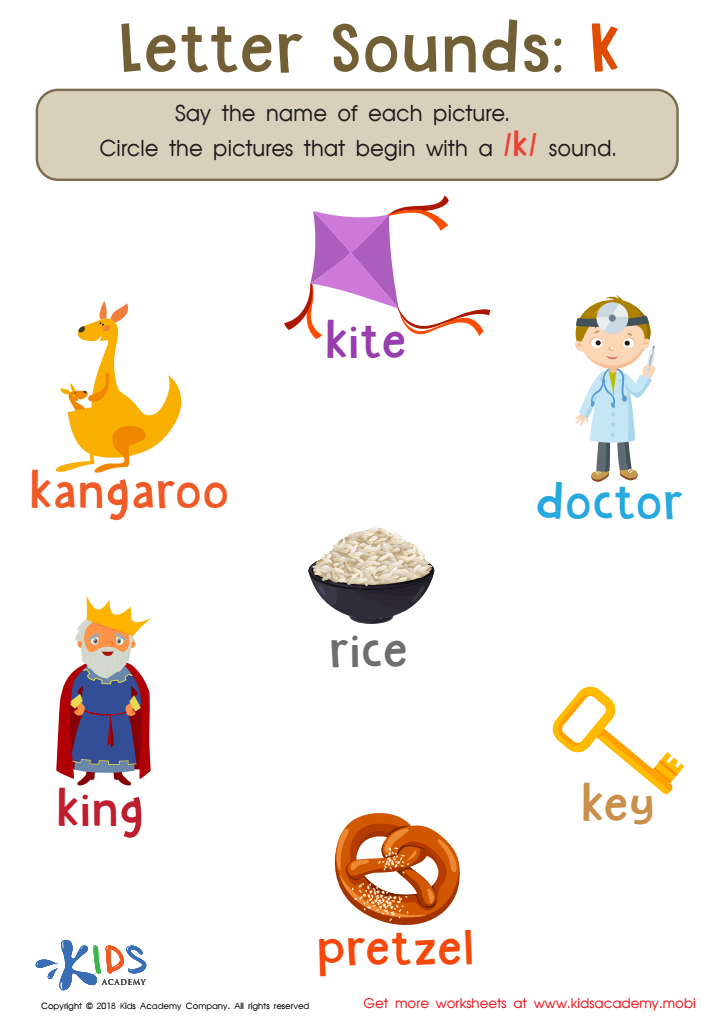
Letter K Sounds Worksheet
 Assign to My Students
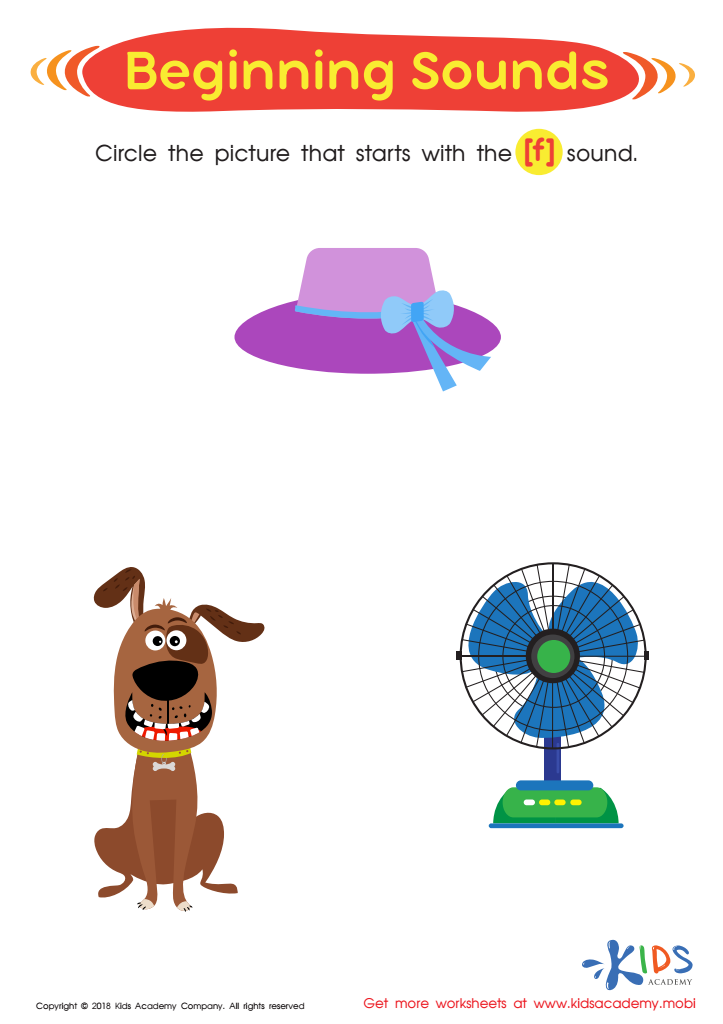
Beginning Sounds Assessment Printable
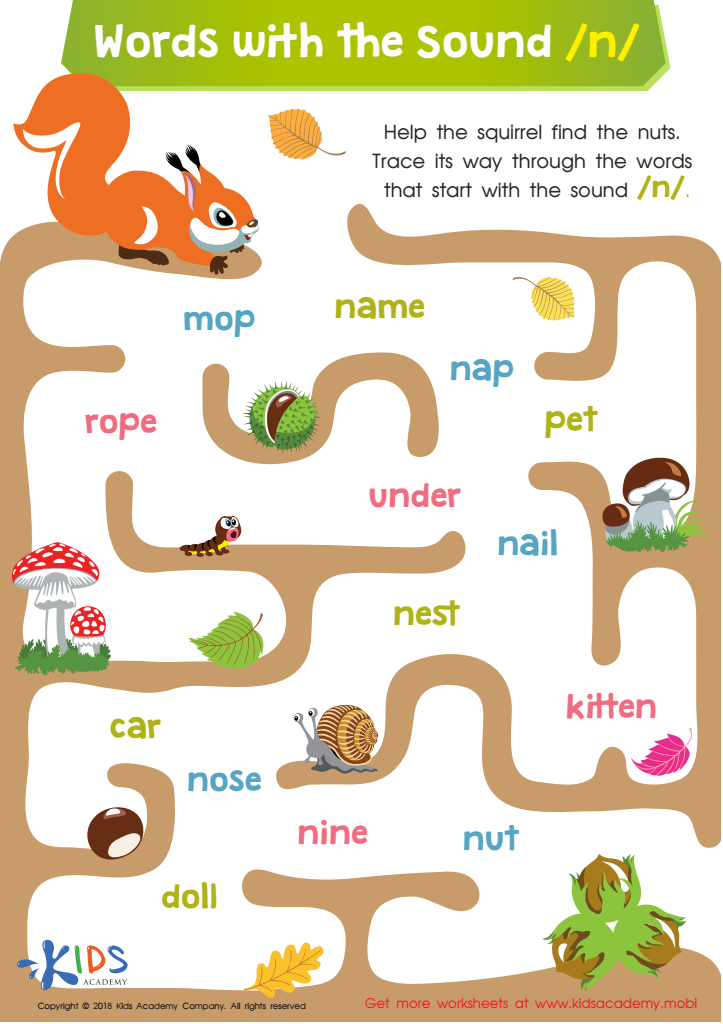
Words with Sound N Reading Worksheet
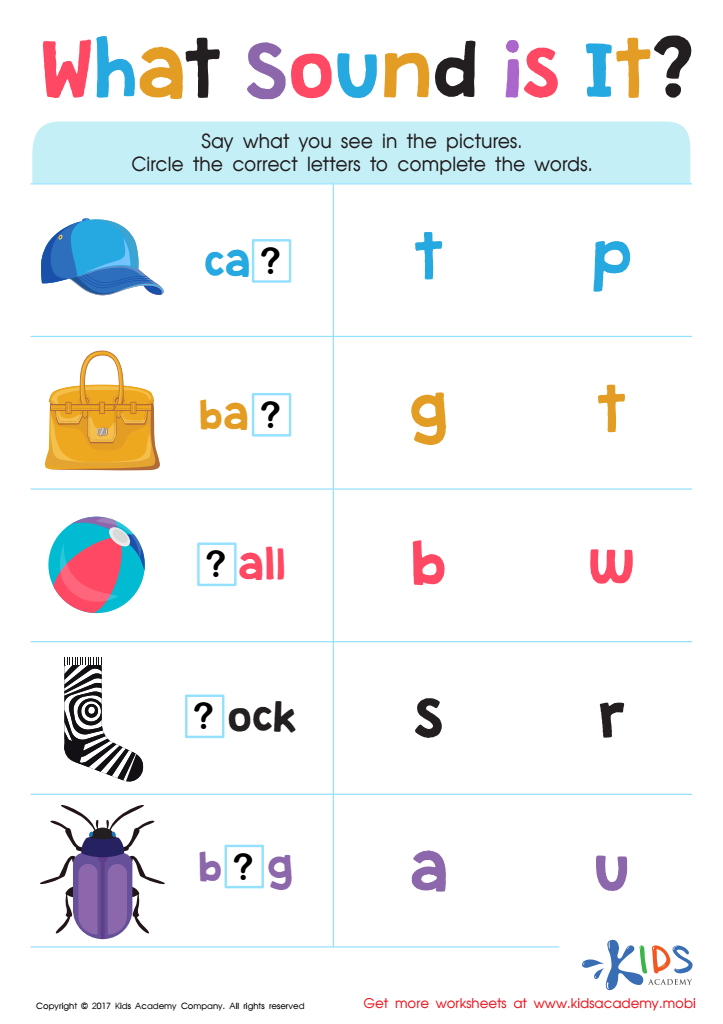
What Sound Is it? Worksheet
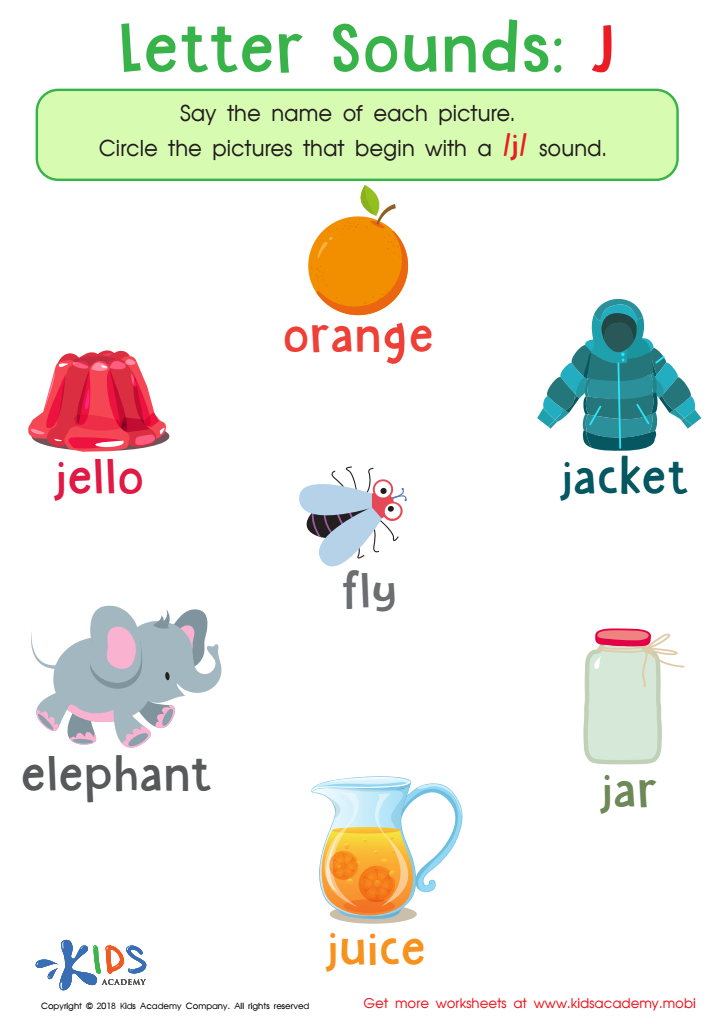
Letter Sounds: J Printable Worksheet
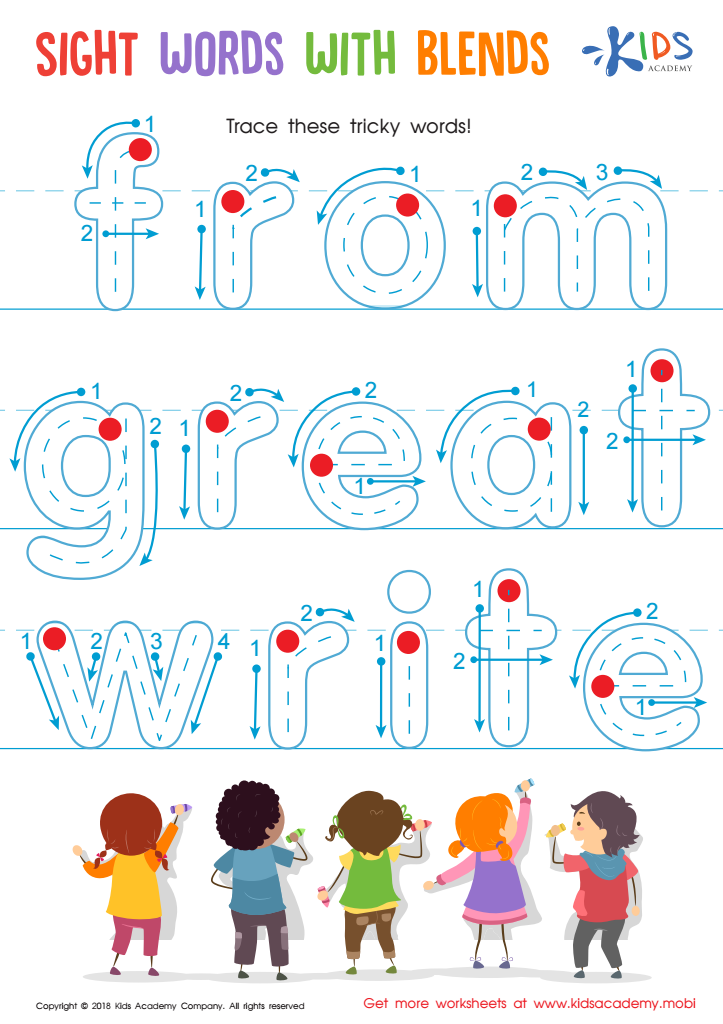
Sight Words with Blends Worksheet
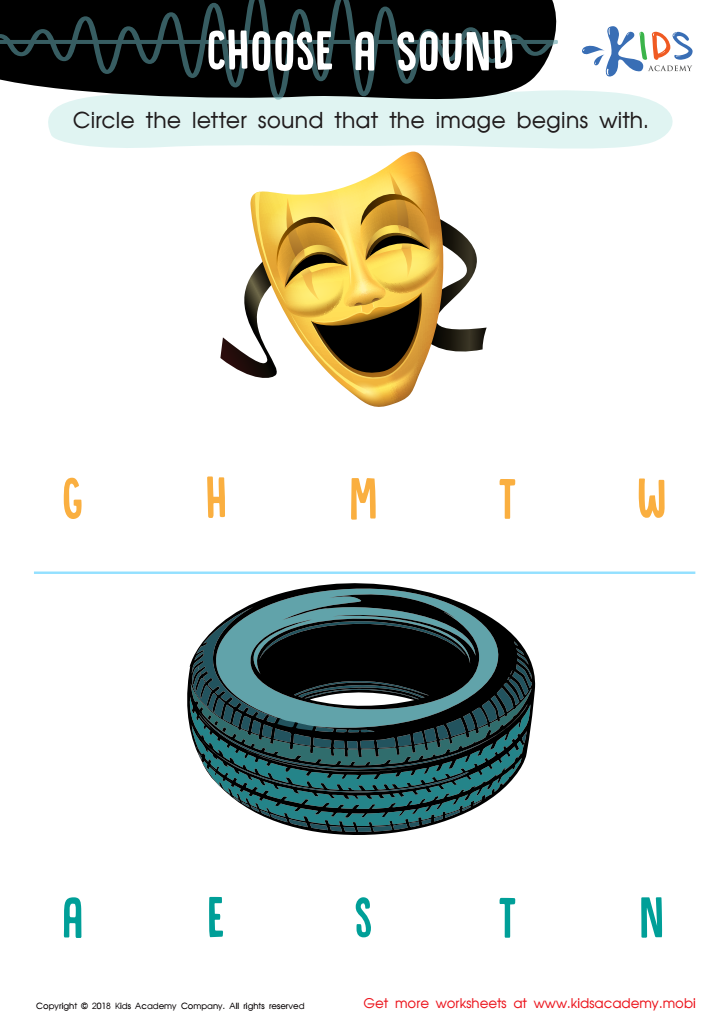
Choose a Sound Worksheet
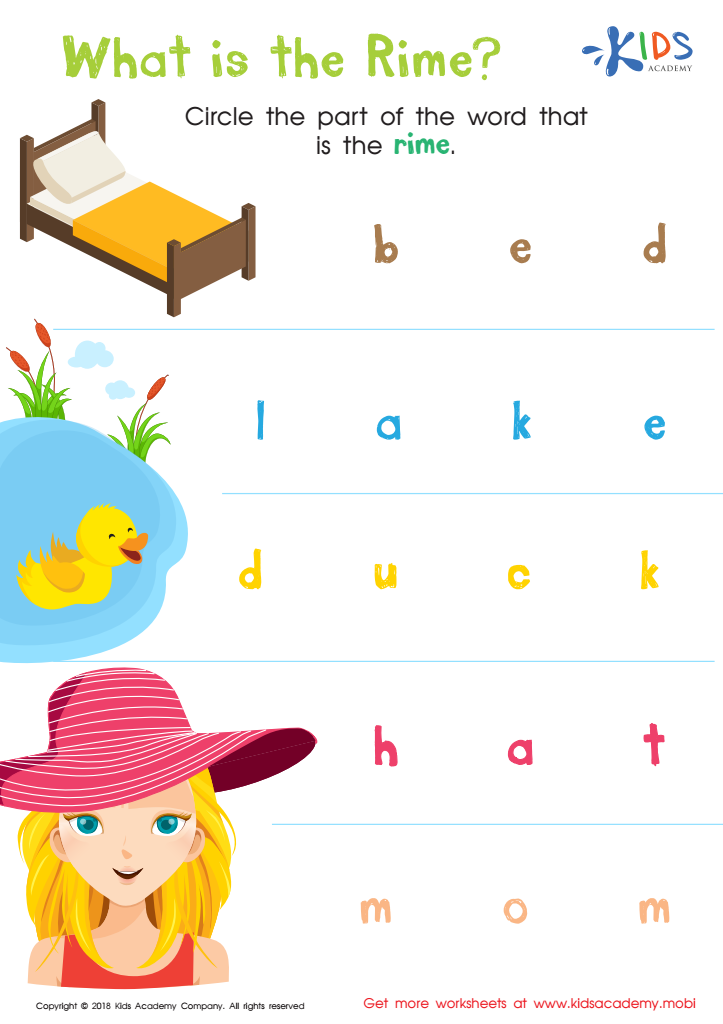
What Is the Rime? Worksheet
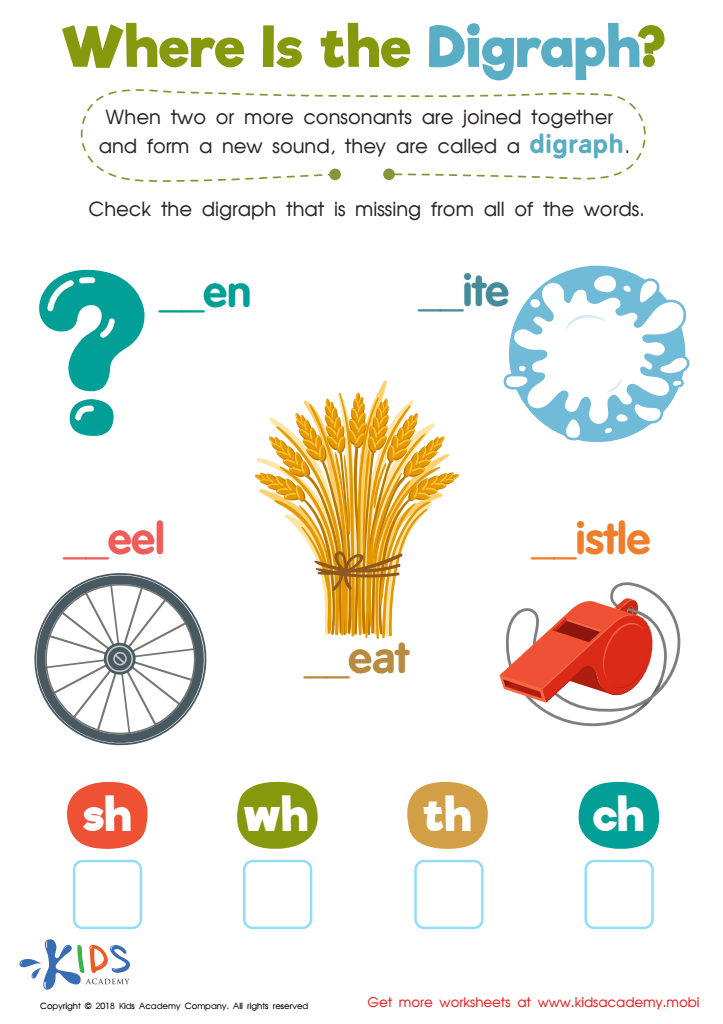
Where Is the Digraph? Worksheet
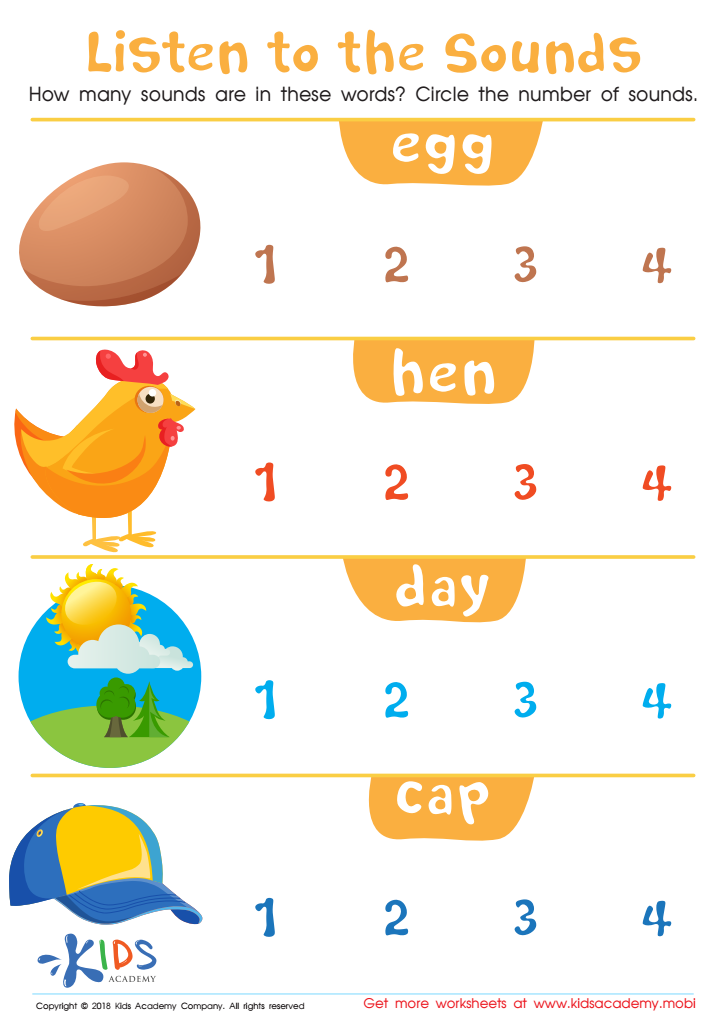
Listen to the Sounds Worksheet
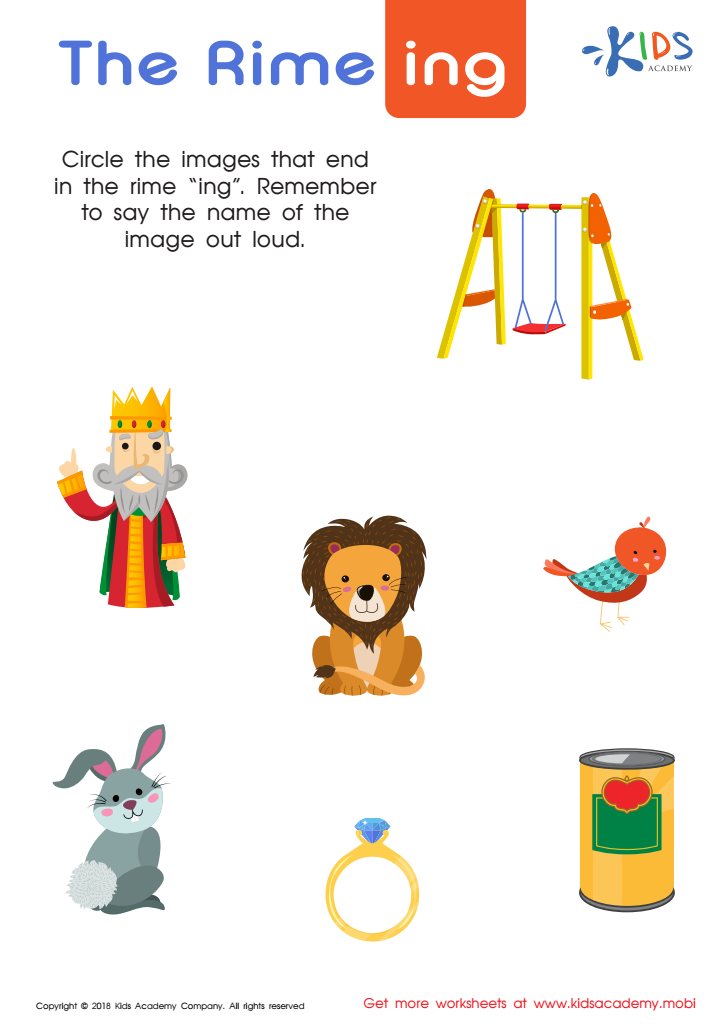
The Rime "ing" Worksheet
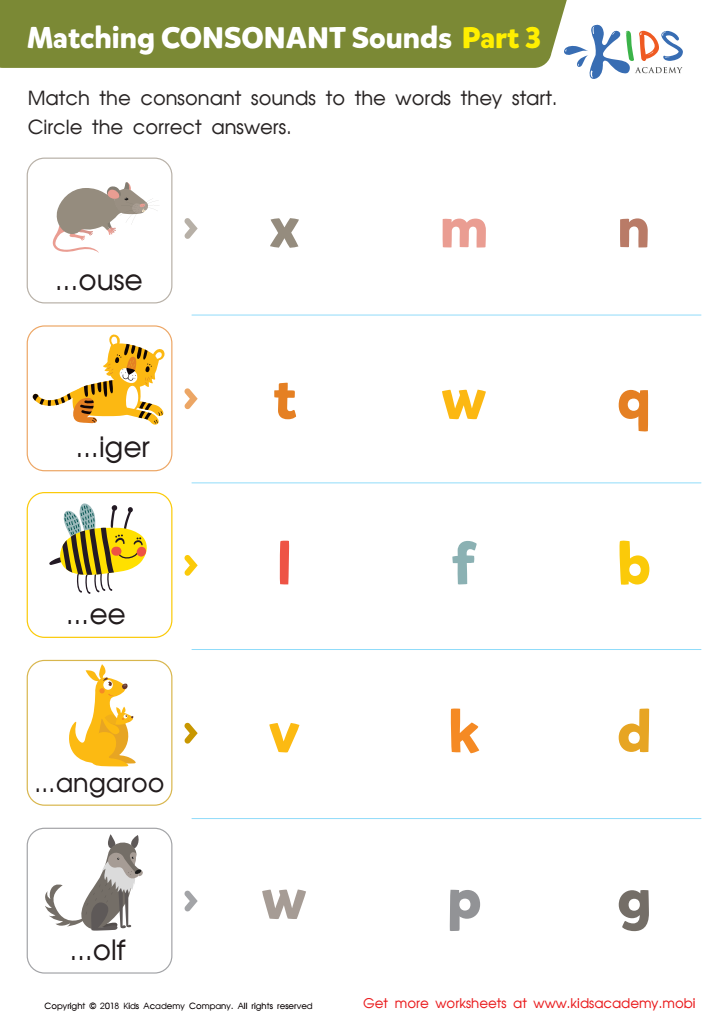
Matching Consonant Sounds: Part 3 Worksheet
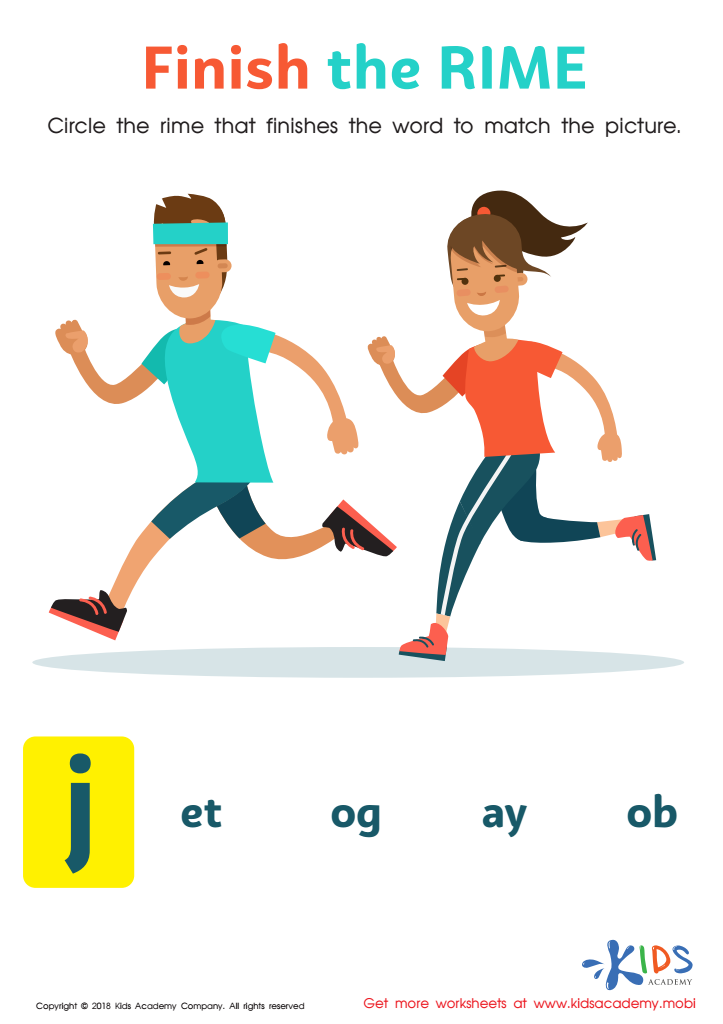
Finish the Rime Worksheet
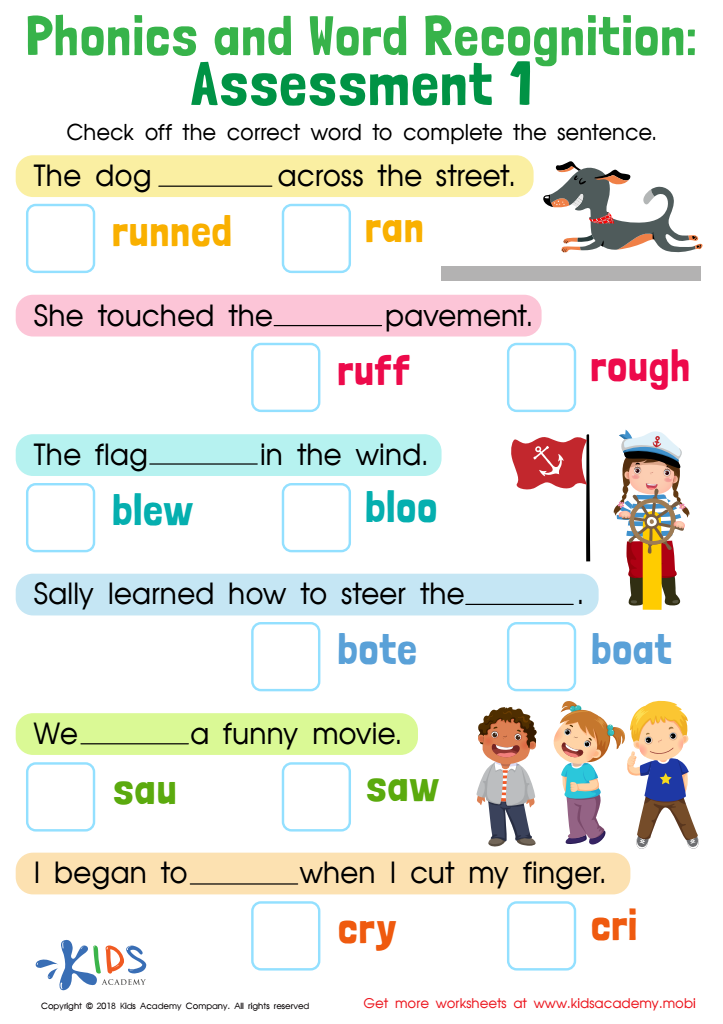
Phonics and Word Recognition: Assessment 1 Worksheet
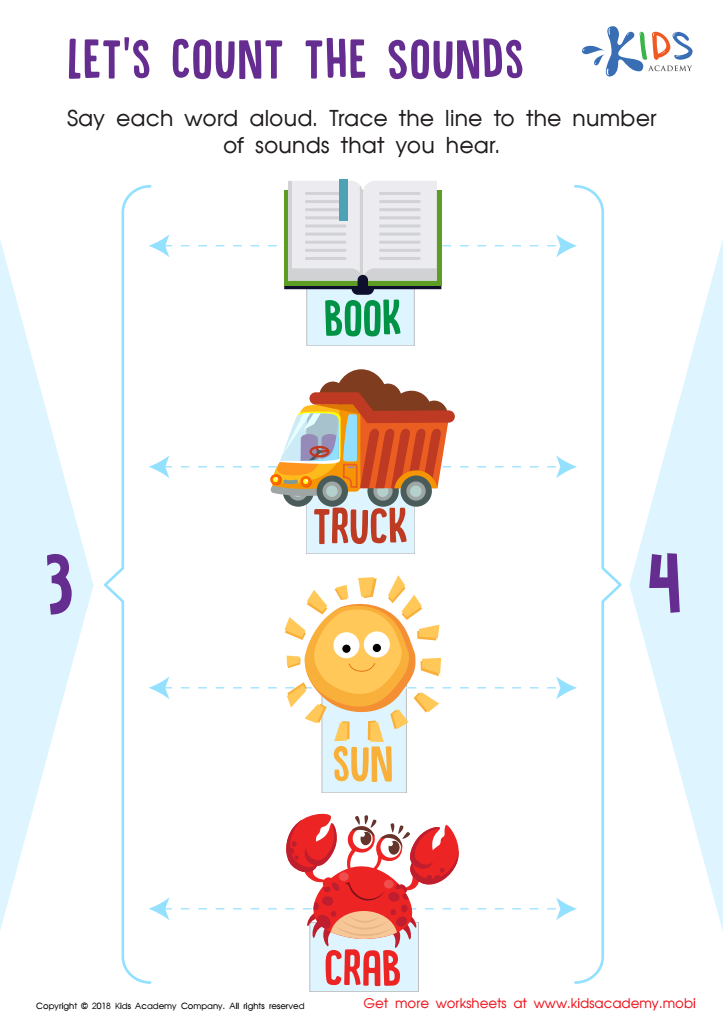
Let's Count the Sounds Worksheet
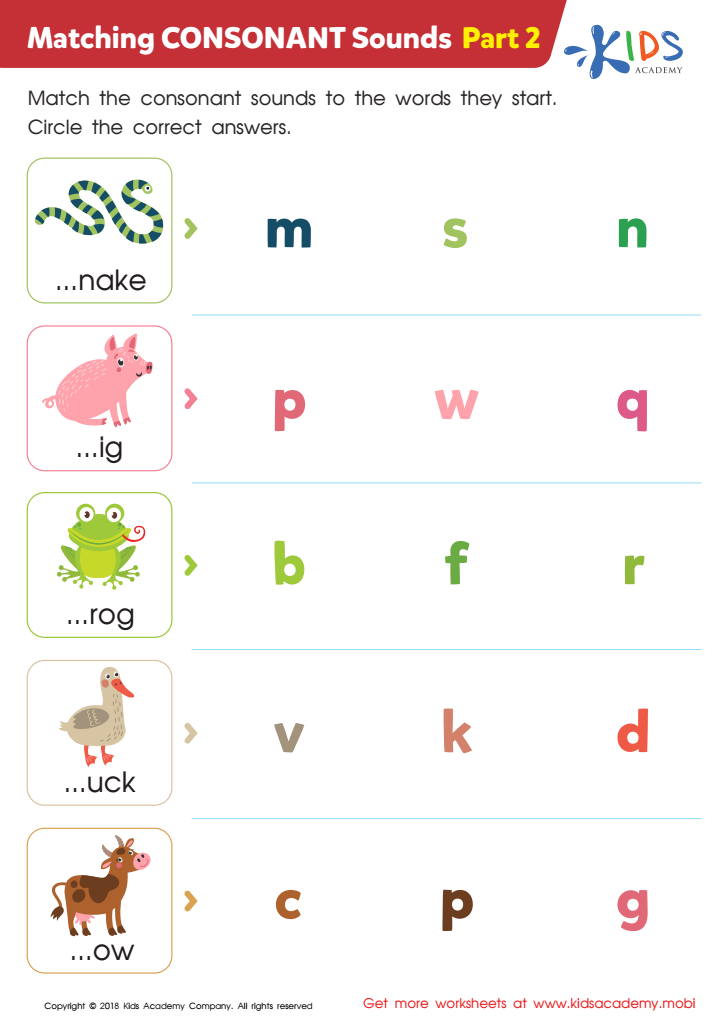
Matching Consonant Sounds: Part 2 Worksheet
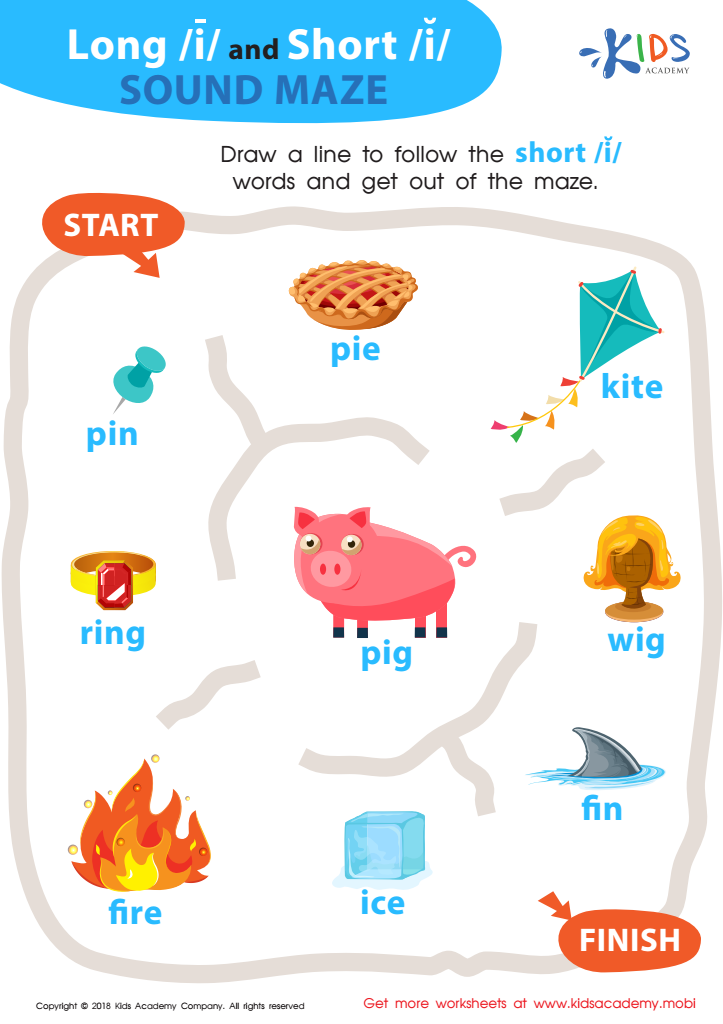
Reading: Long I and Short I Sound Maze Worksheet
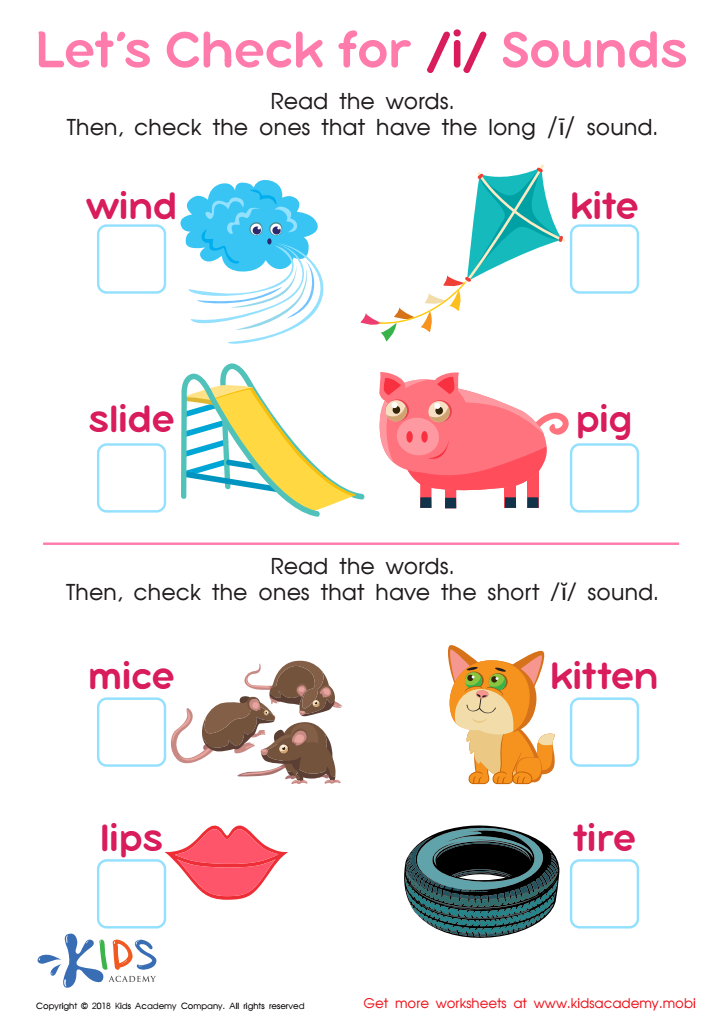
Let's Check for «i» Sounds Worksheet
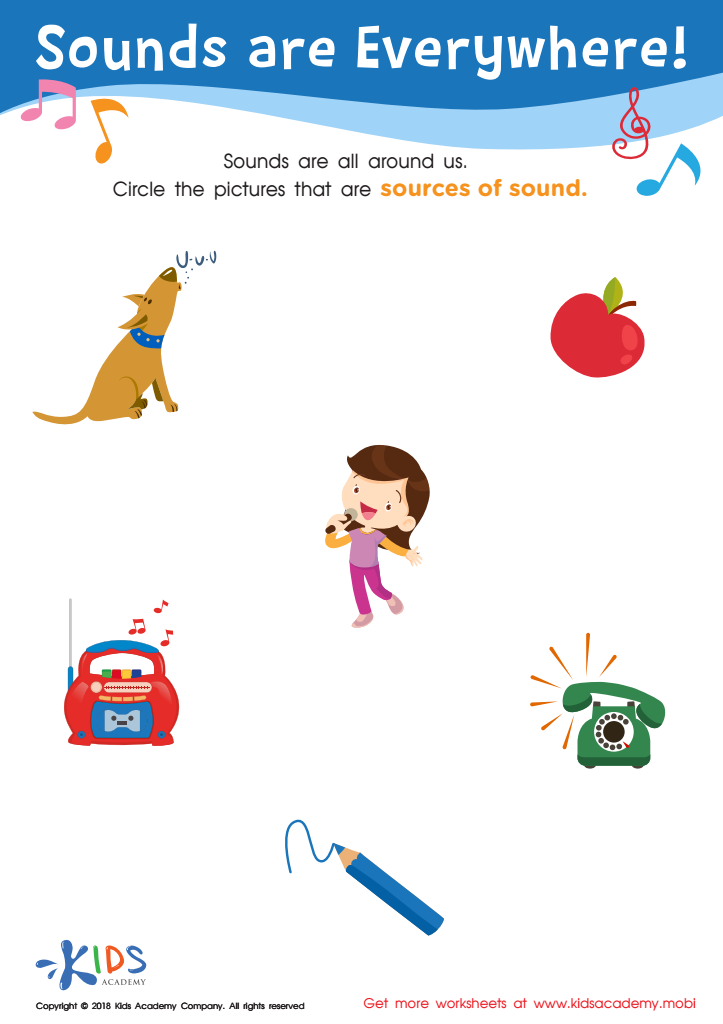
Sounds Are Everywhere! Worksheet
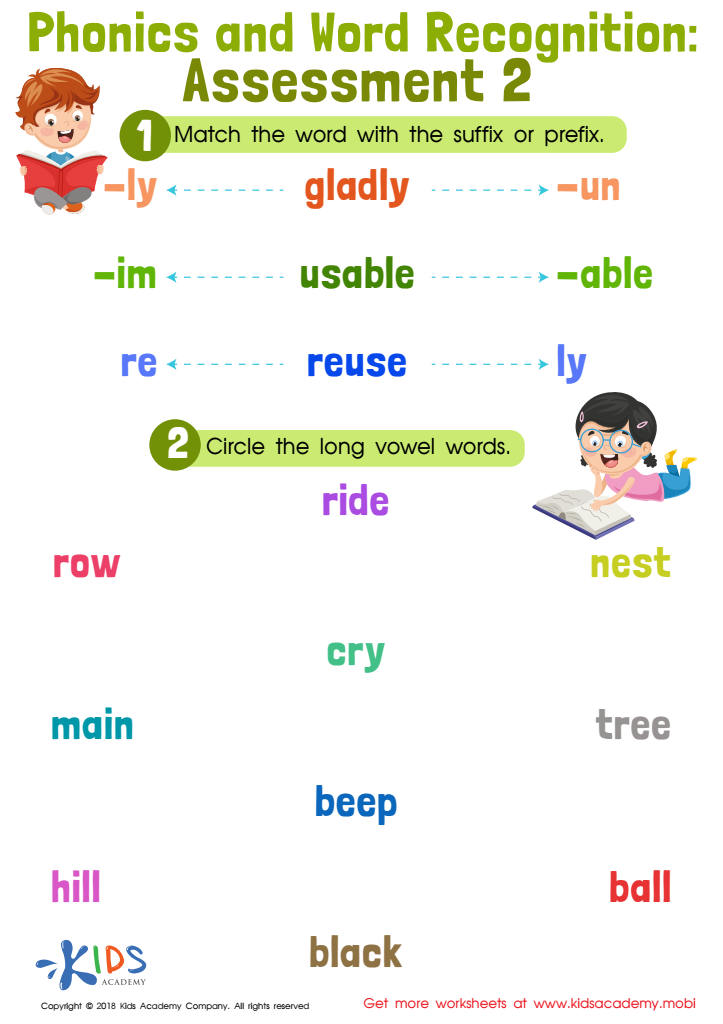
Phonics and Word Recognition: Assessment 2
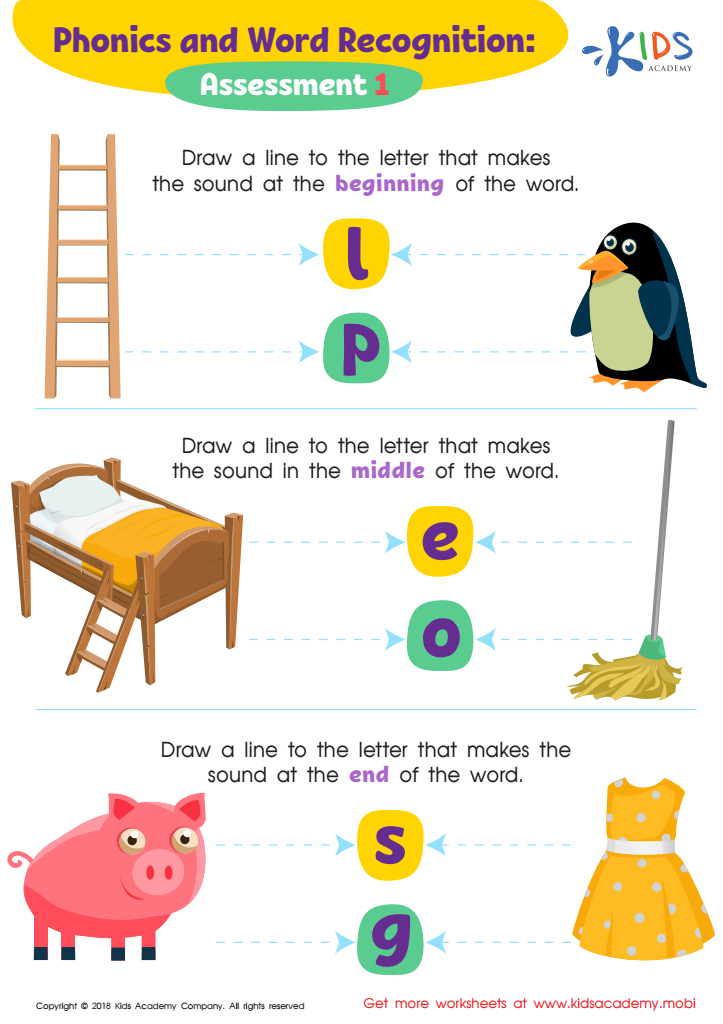
Phonics and Word Recognition: Assessment 1 ELA Worksheet
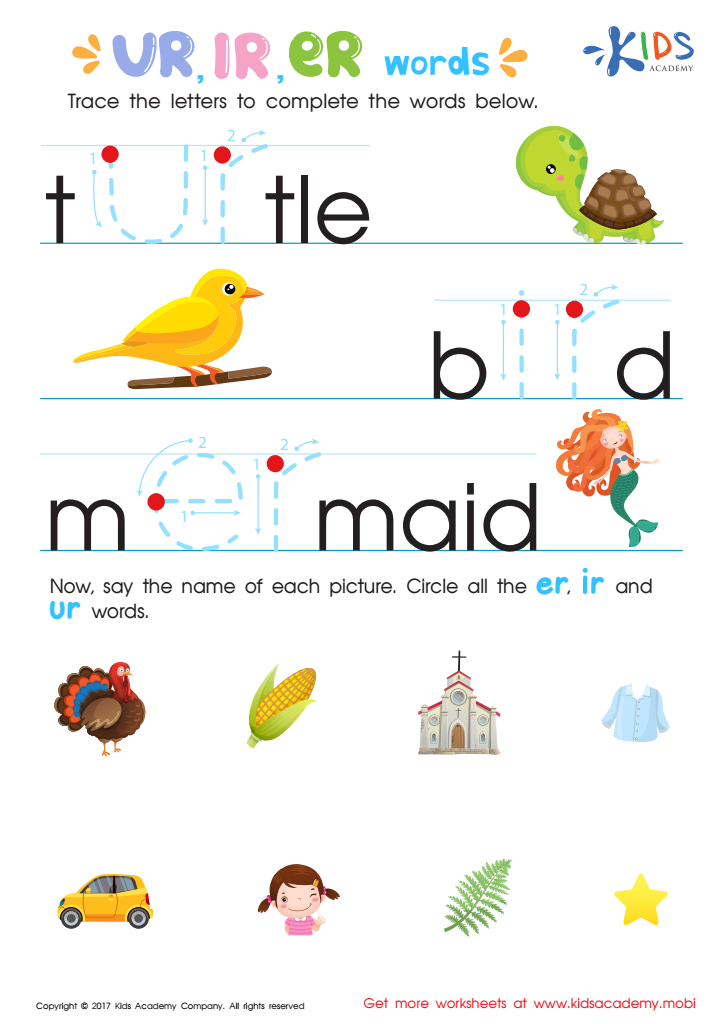
IR UR ER Words Worksheet
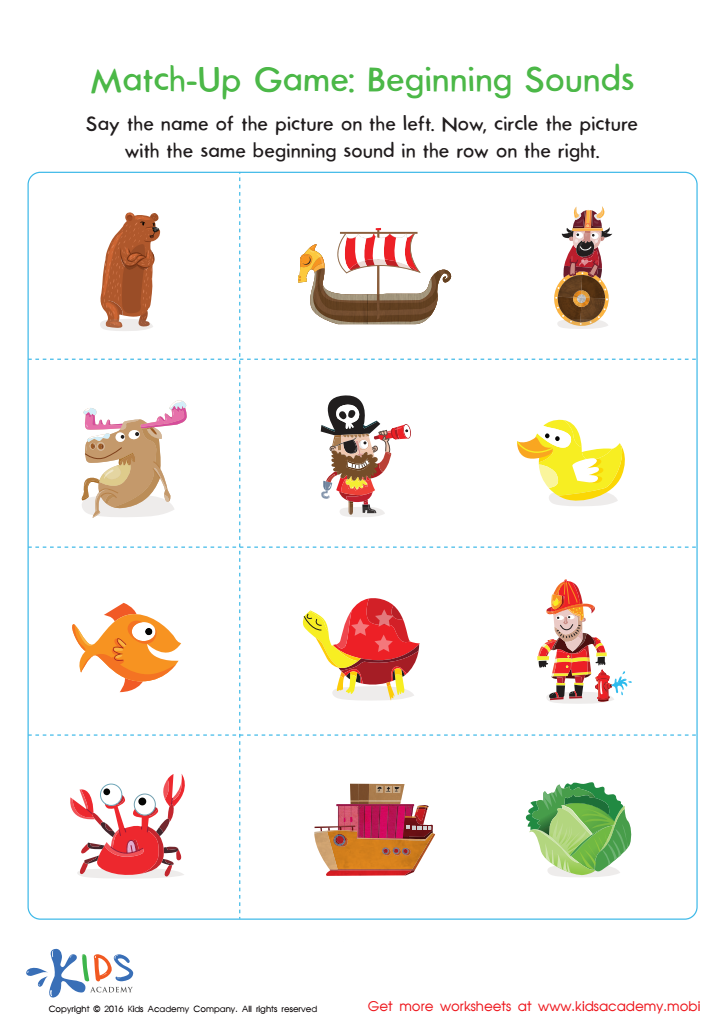
Match–Up Game: Beginning Sounds Worksheet




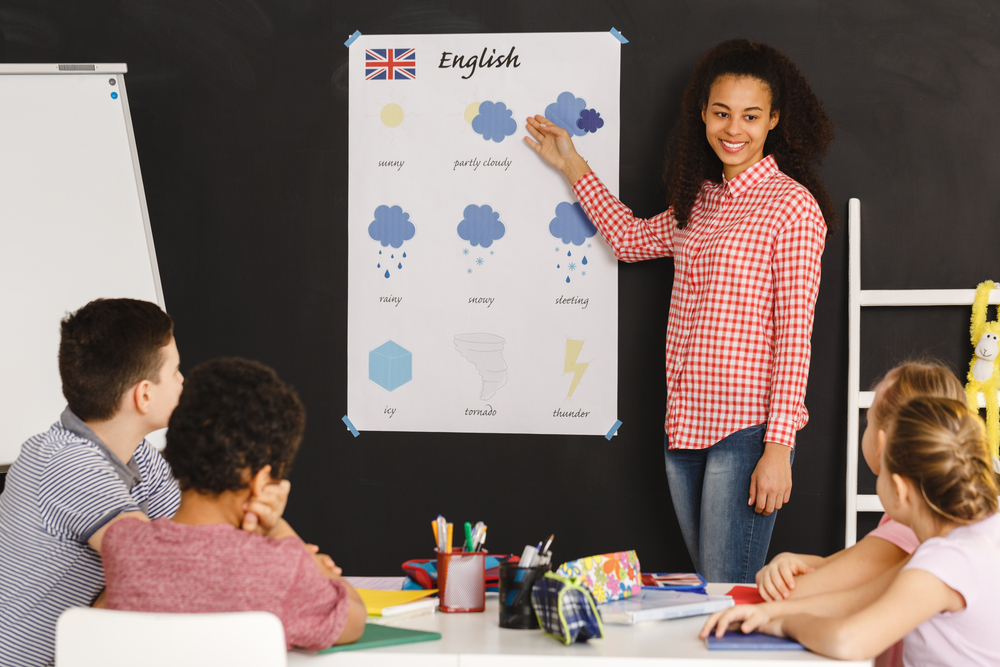


Phonics recognition is a crucial aspect of early literacy development for children aged 3-7. It involves understanding the relationship between letters and sounds, which is foundational to reading and writing. For parents and teachers, ensuring that young children grasp phonics is immensely beneficial for several reasons.
Firstly, phonics recognition lays the groundwork for fluent reading. When children can decode words by associating letters with their corresponding sounds, they can read more quickly and accurately. This fluency provides a smoother transition to comprehension, allowing children to focus on understanding the content rather than struggling over individual words.
Secondly, early mastery of phonics can boost a child’s confidence and enthusiasm for learning. Children who find reading challenging may become frustrated and disengaged, impacting their overall academic performance. Conversely, those who successfully learn to read early on are more likely to perceive reading as enjoyable and rewarding.
Furthermore, phonics education supports spelling and writing skills. Understanding phonetic principles enables children to spell words correctly and recognize patterns, making their writing more coherent and legible.
In summary, parents and teachers should prioritize phonics recognition for young children to foster strong reading skills, enhance academic confidence, and support overall educational development. Making this investment in early literacy can offer lifelong benefits and set the stage for academic success.








