Practice inference skills Worksheets for Ages 3-7
4 filtered results
-
From - To
Enhance your child's critical thinking with our "Practice Inference Skills Worksheets" designed for ages 3-7! These engaging, printable activities help young learners develop essential inference skills by encouraging them to draw conclusions from images and simple texts. Each worksheet features colorful illustrations and relatable scenarios that foster creativity and comprehension. By exploring various worksheets, children will improve their ability to make guesses based on context clues, promoting both cognitive growth and literacy. Ideal for parents and educators, these resources ensure a fun and interactive learning experience. Start building your child's inference skills today with our easy-to-use worksheets!
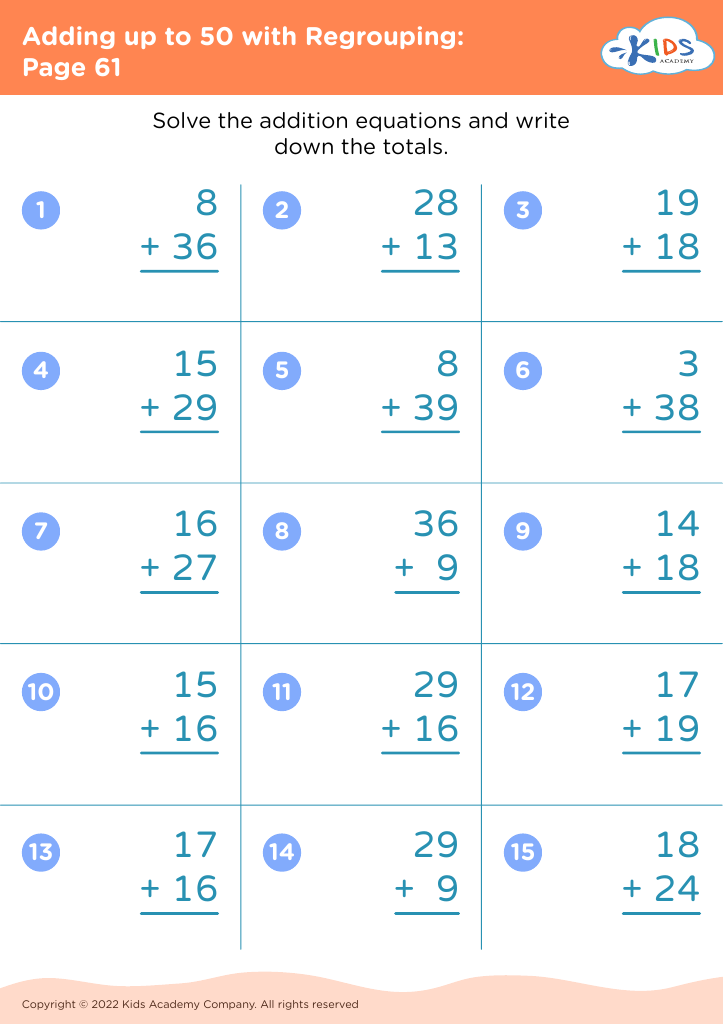
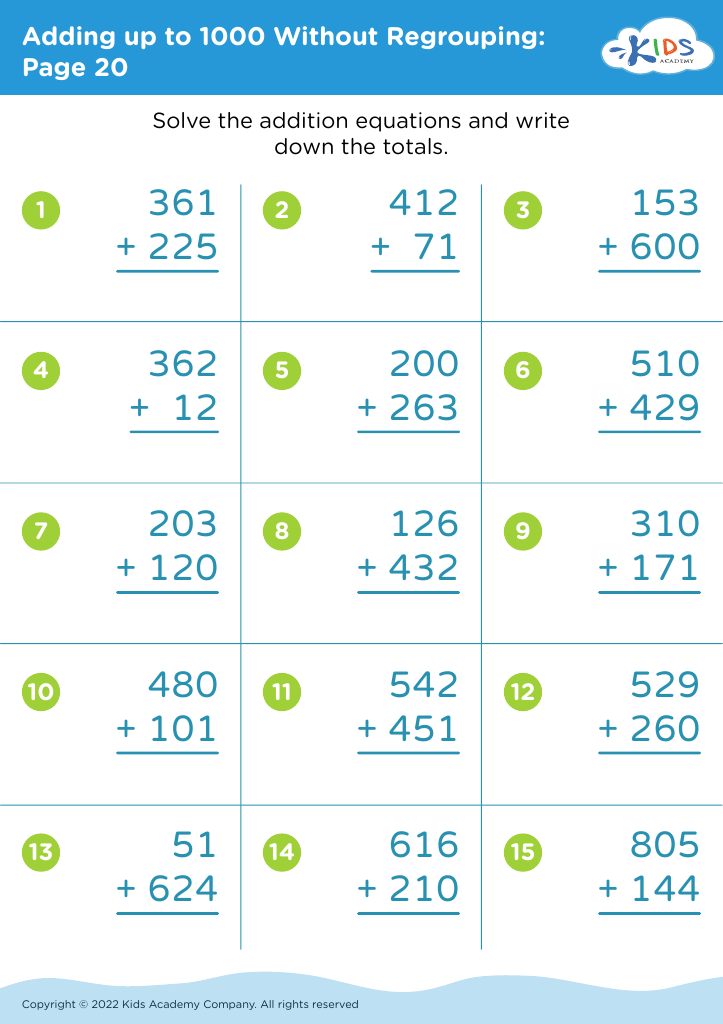
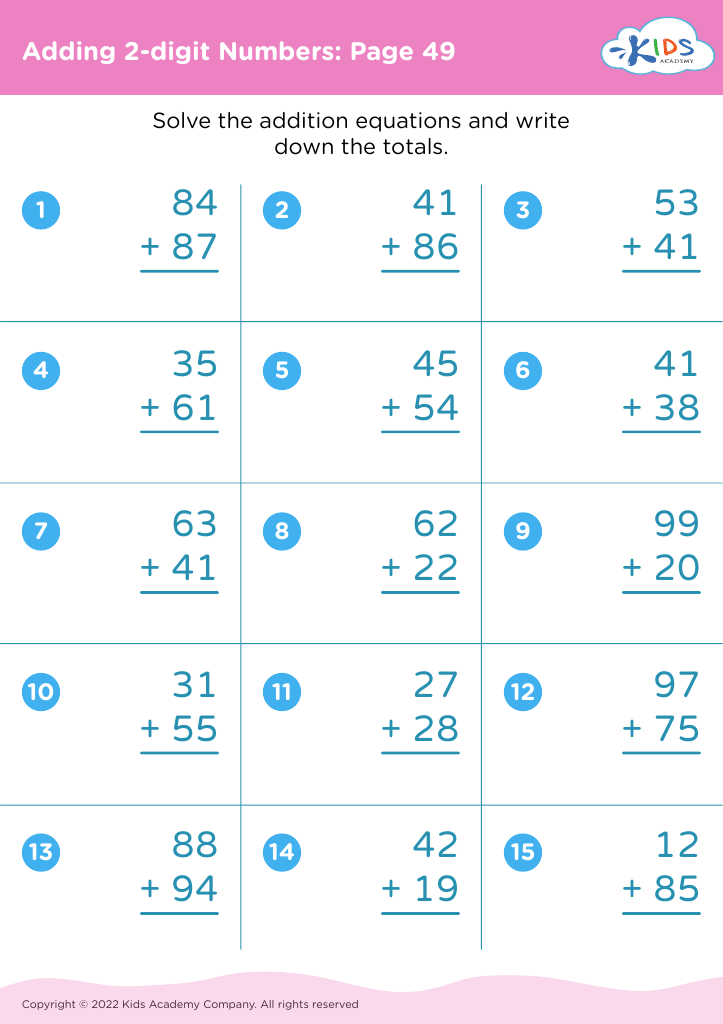
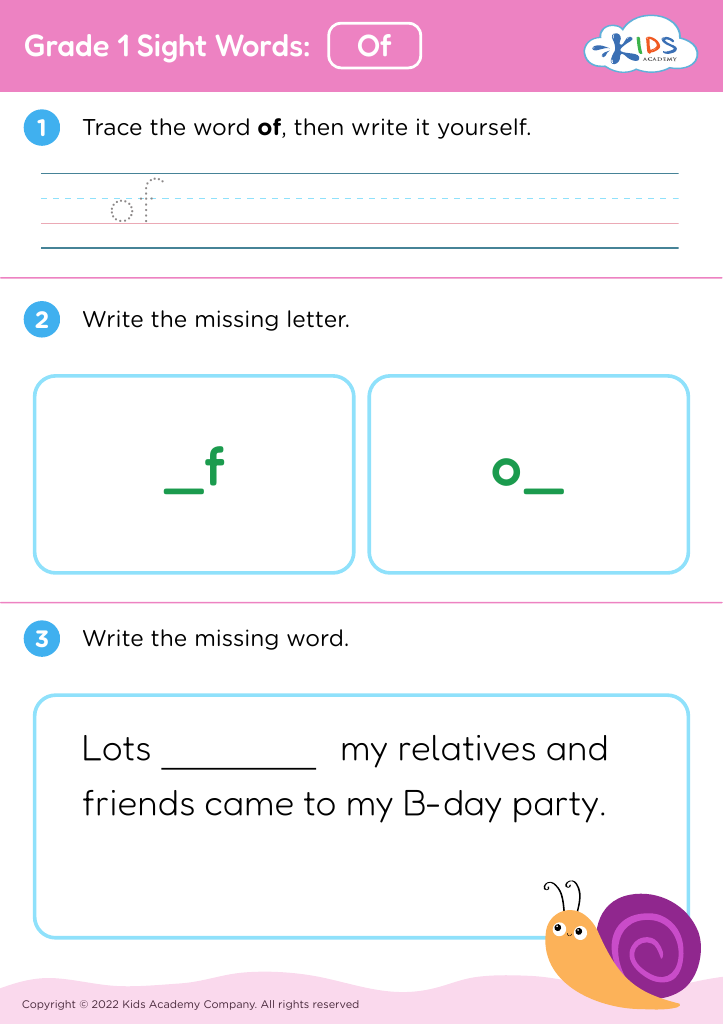








Practice in inference skills is vital for children aged 3-7 as it lays the foundation for their critical thinking and comprehension abilities. During these formative years, children are developing the cognitive abilities required to interpret information and draw conclusions based on what they observe and experience. By encouraging inference skills, parents and teachers help children wield the tools necessary for effective communication and problem-solving.
Engaging in inference-based activities, such as reading stories or discussing pictures, enhances a child’s ability to understand subtle clues and nuances. This skill aids comprehension in literacy and supports emotional intelligence by helping them to recognize feelings in themselves and others. It also fosters curiosity, encouraging children to ask questions and delve deeper into concepts instead of simply accepting facts.
Choosing to support inference practice can significantly impact a child’s academic success. This foundational skill not only supports language development but also prepares children for future learning challenges. Ultimately, nurturing inference skills creates a framework for children to navigate their environments more effectively, making educated guesses about situations, and building confidence in their understanding of the world around them. Investing in this developmental area is vital for holistic growth during these crucial early years.








