Problem Solving Worksheets for Ages 3-7 - Page 2
42 filtered results
-
From - To
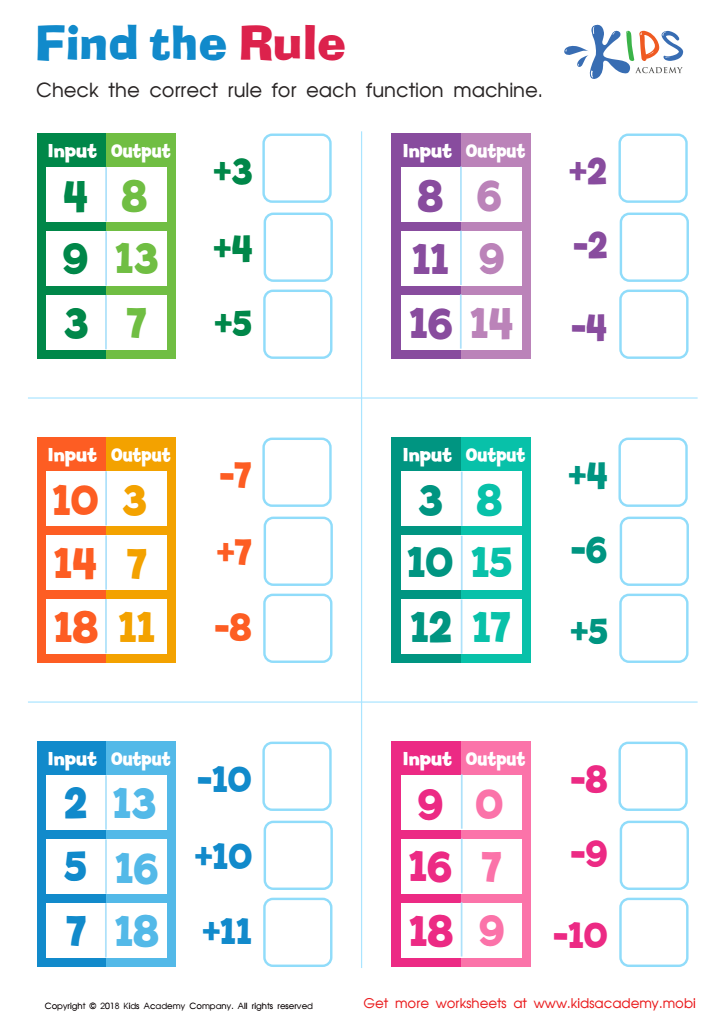
Find the Rule Worksheet
 Assign to My Students
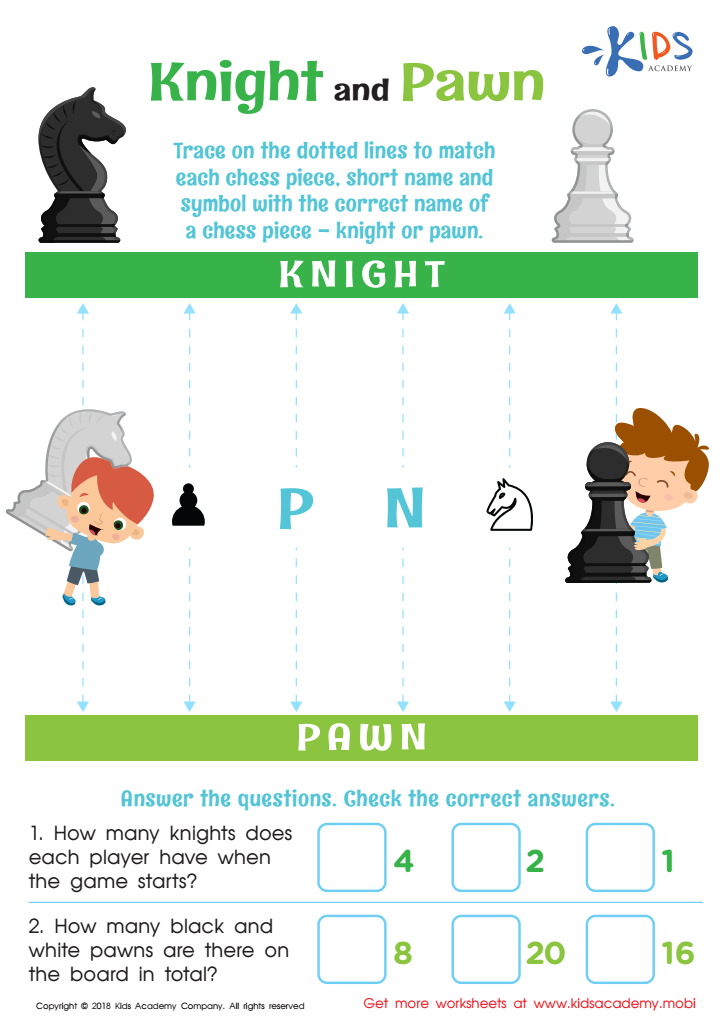
Knight and Pawn Worksheet
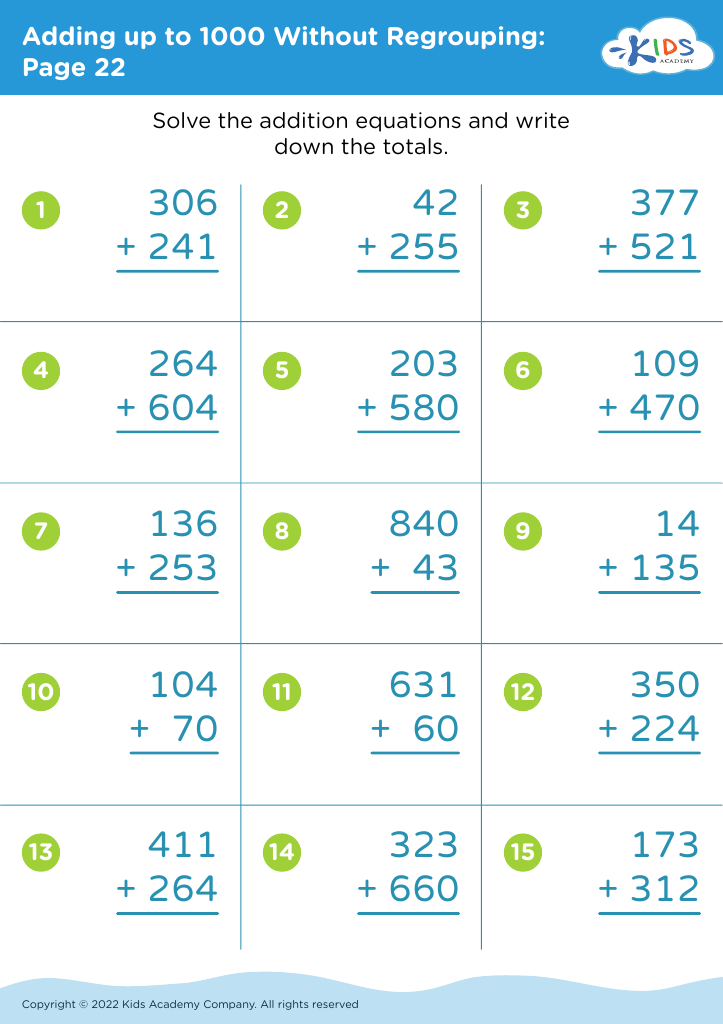
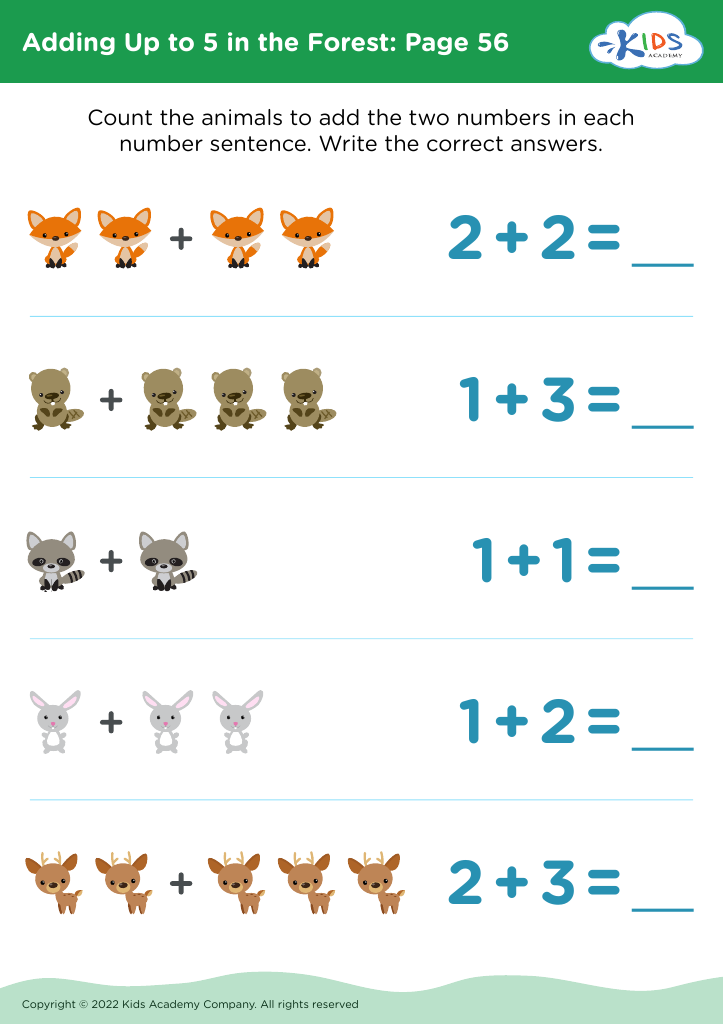
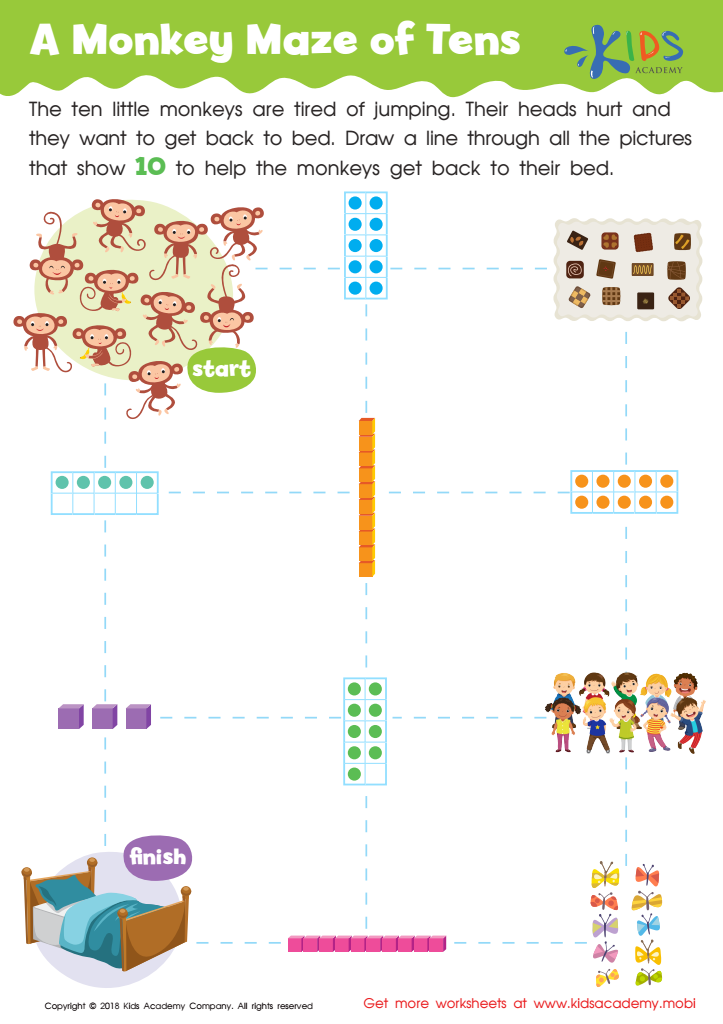
A Monkey Maze of Tens Worksheet
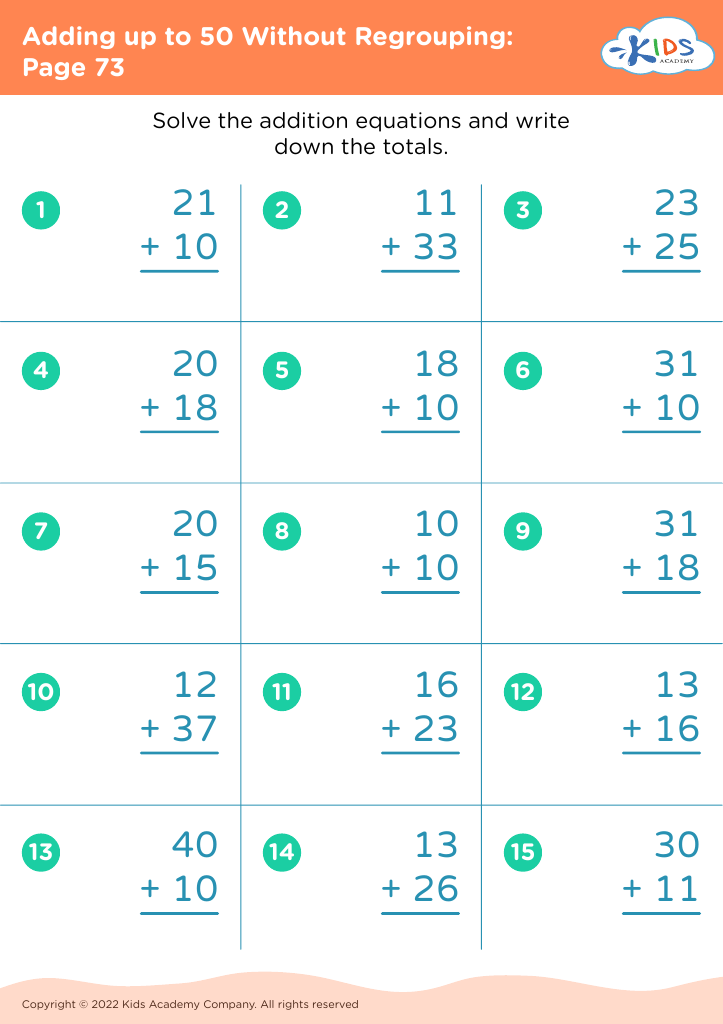
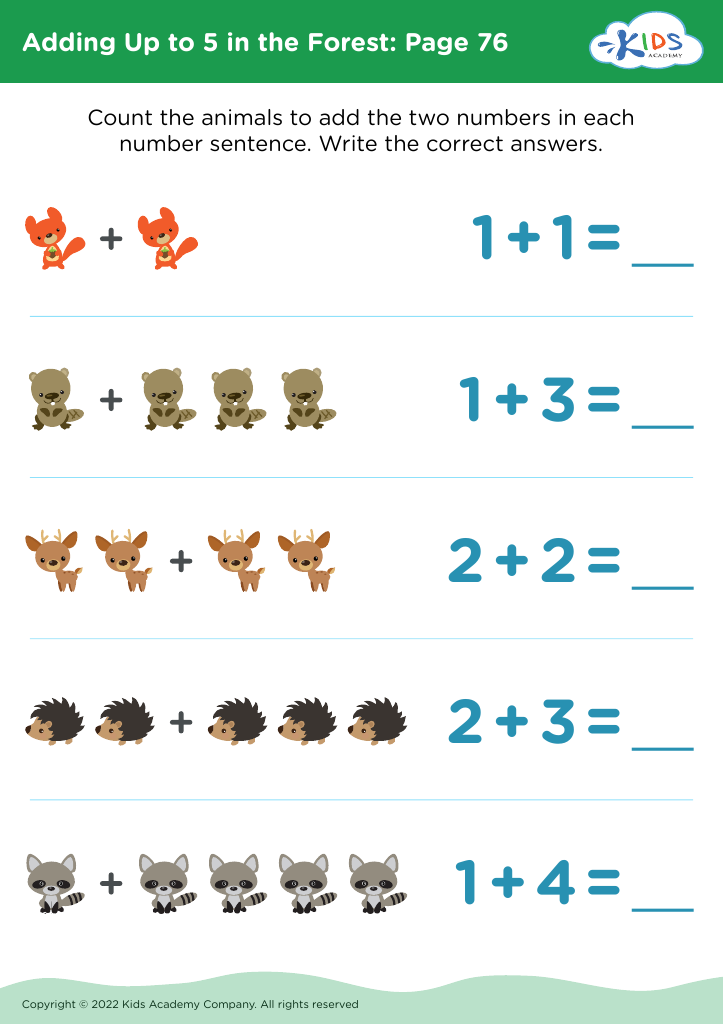
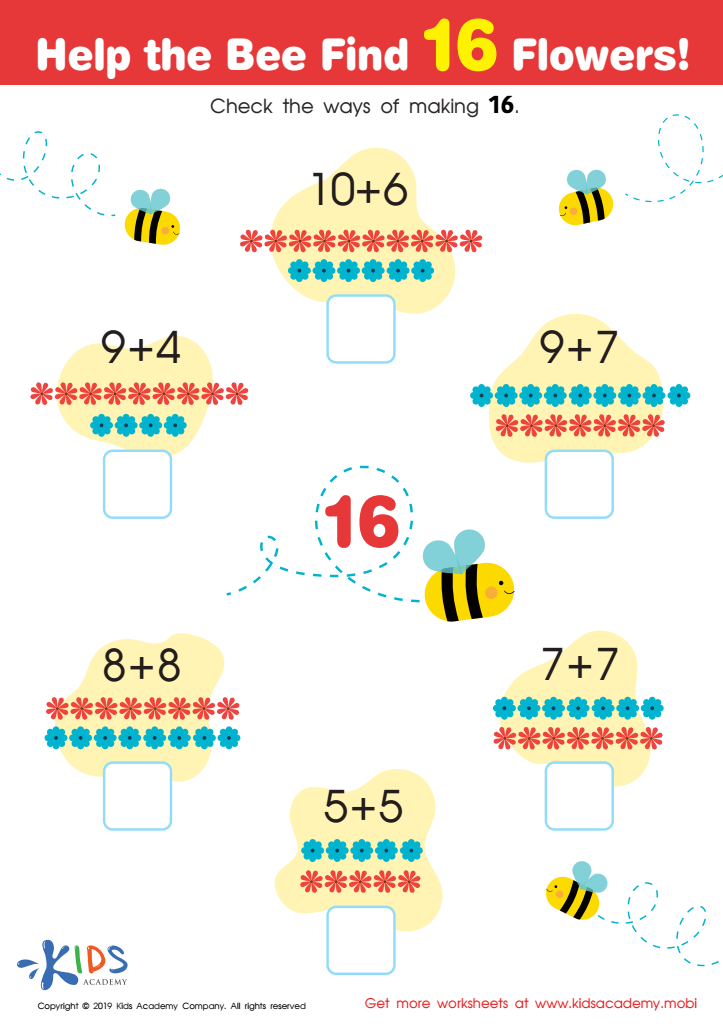
Help the Bee Find 16 Flowers Worksheet
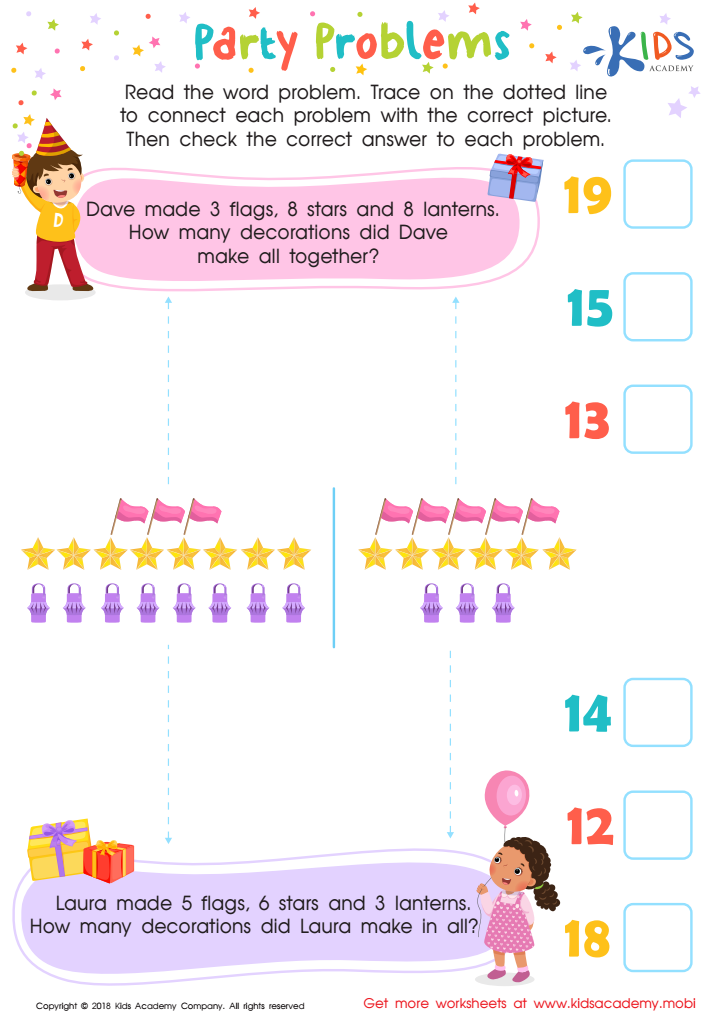
Party Problems Worksheet
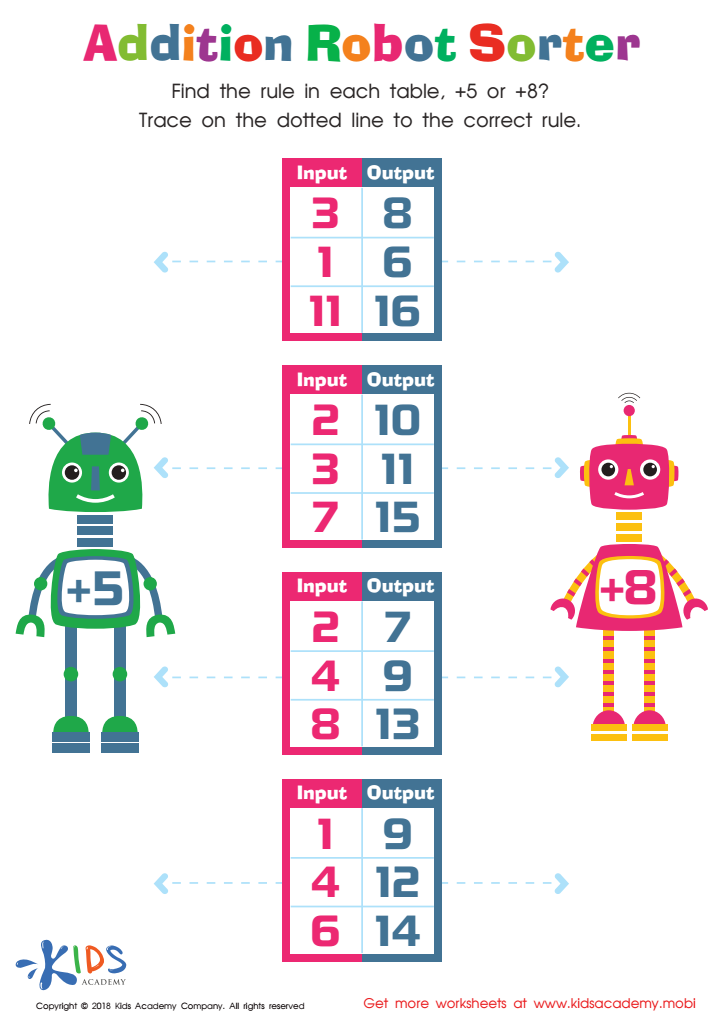
Addition Robot Sorter Worksheet
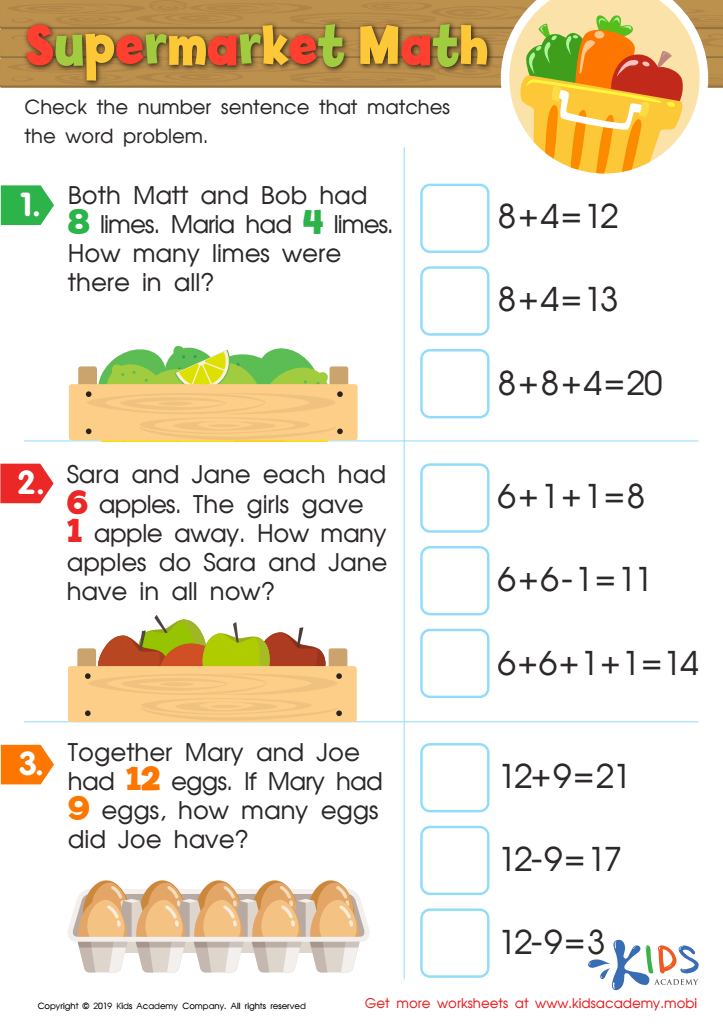
Supermarket Math Worksheet
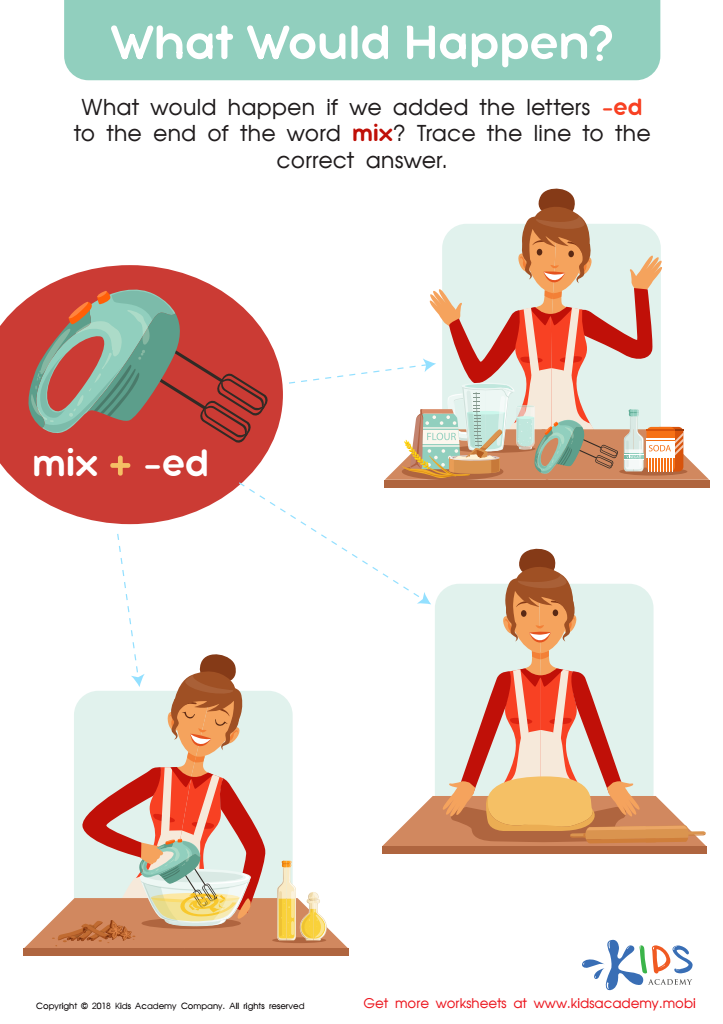
What Would Happen? Worksheet
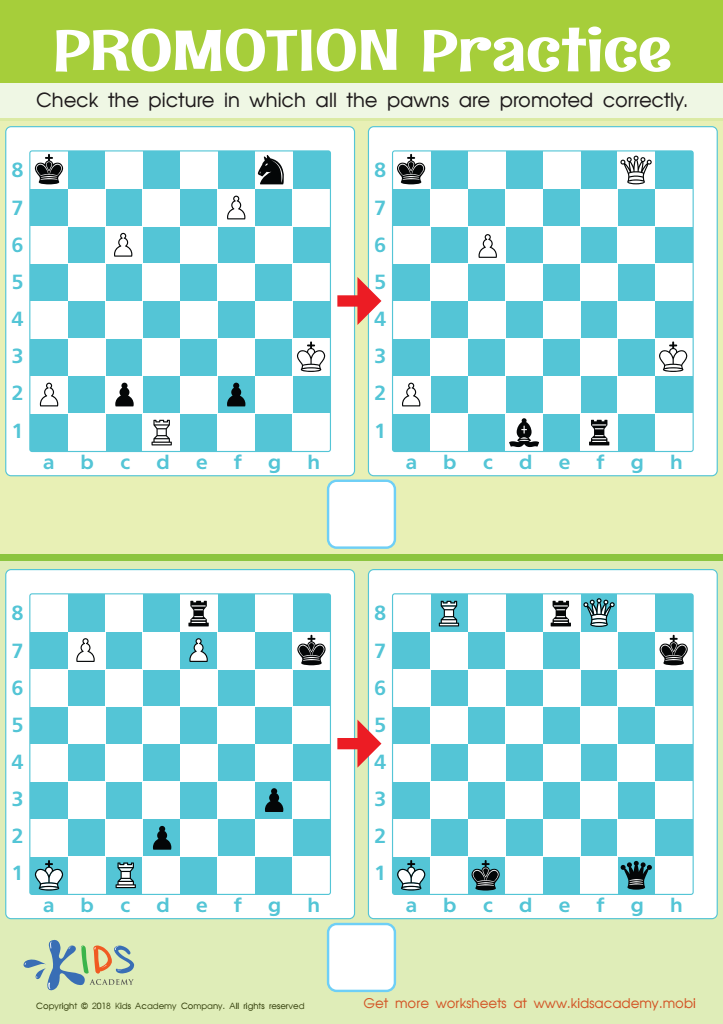
Promotion Practice Worksheet
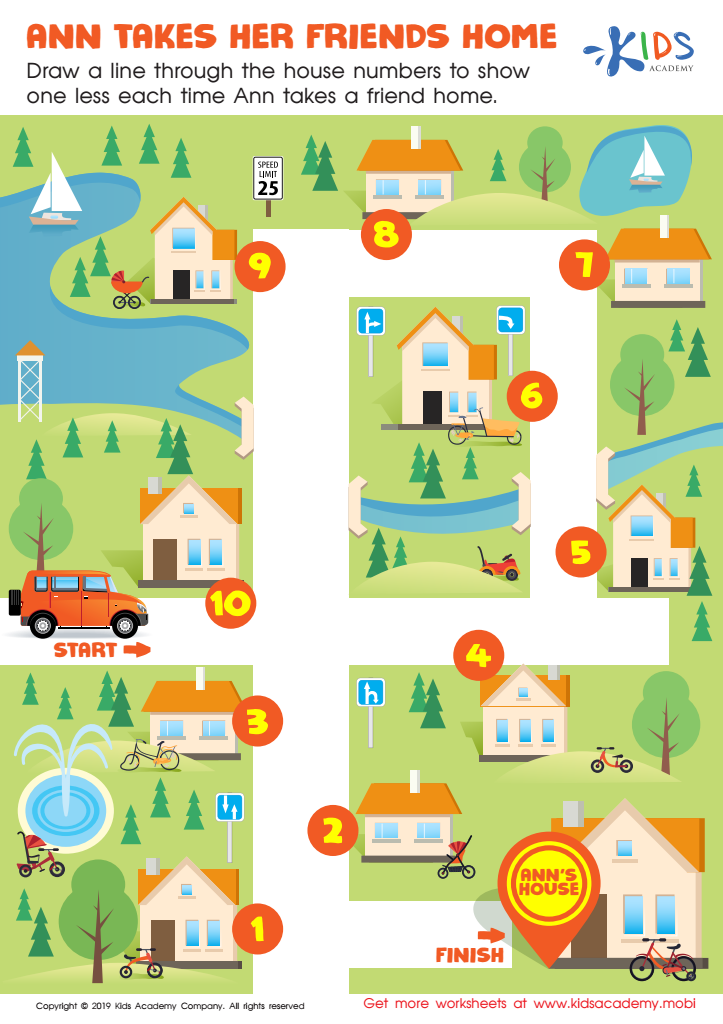
Ann Takes her Friends Home Worksheet
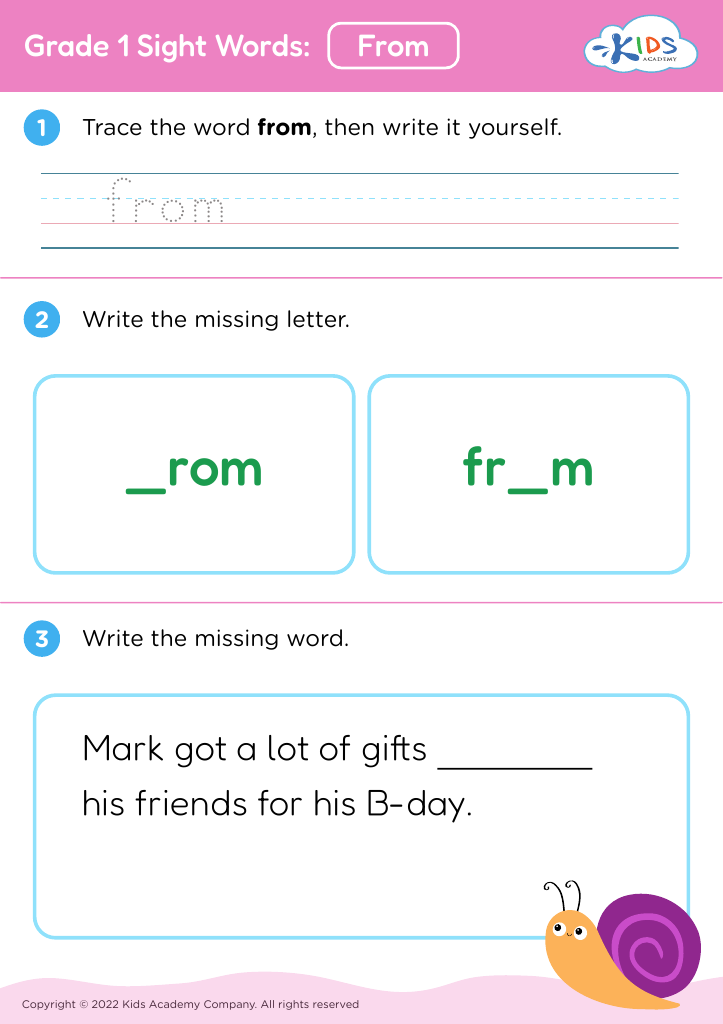
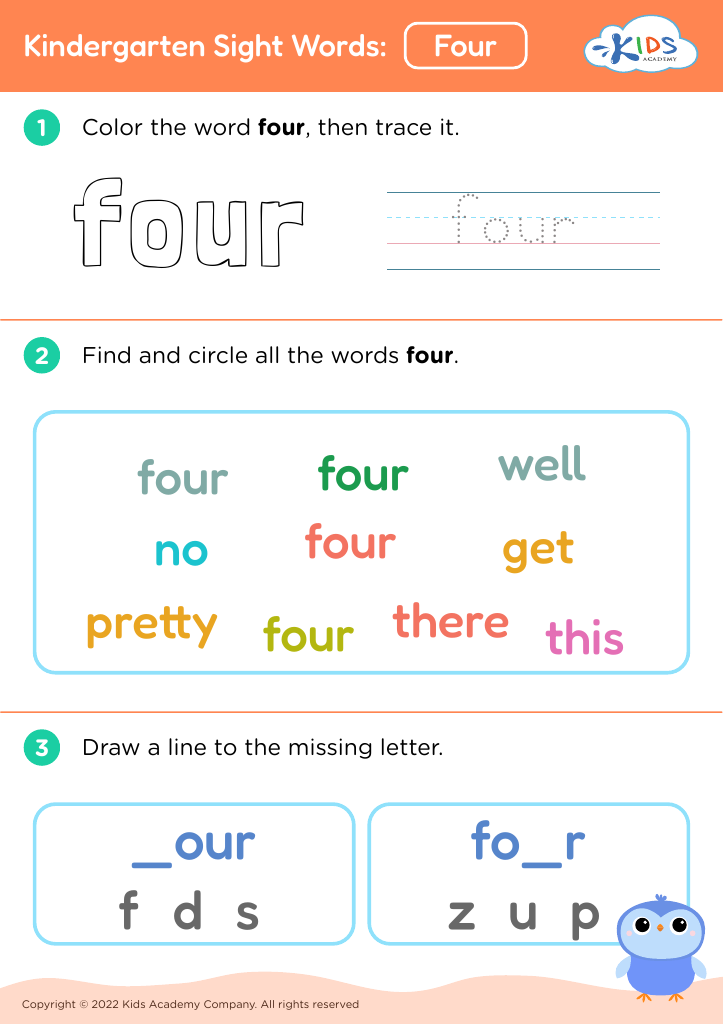








Problem-solving skills are vital for children aged 3-7 as they lay the foundation for lifelong learning and success. At this early stage, children are like sponges, eagerly absorbing new information and experiences. Fostering problem-solving abilities helps them develop critical thinking, creativity, and resilience—all essential traits for navigating challenges in life.
Parents and teachers should care about problem-solving because it encourages independent thinking. When children learn to analyze a situation, explore alternative solutions, and evaluate outcomes, they not only enhance cognitive skills but also build confidence in their abilities. This process fosters a sense of accomplishment and encourages curiosity, motivating them to tackle new challenges as they grow.
Moreover, problem-solving supports social and emotional development. When children engage in collaborative problem-solving with peers or adults, they learn valuable interpersonal skills like communication, negotiation, and empathy. These skills are essential for successful interactions later in life.
Incorporating problem-solving activities into daily routines—whether through play, puzzles, or games—can make learning enjoyable and impactful. Ultimately, investing time and effort into developing problem-solving skills in young children equips them to think critically and adaptively, preparing them for a future filled with complexities and opportunities.








