Recognize numbers Worksheets for Ages 3-7
3 filtered results
-
From - To
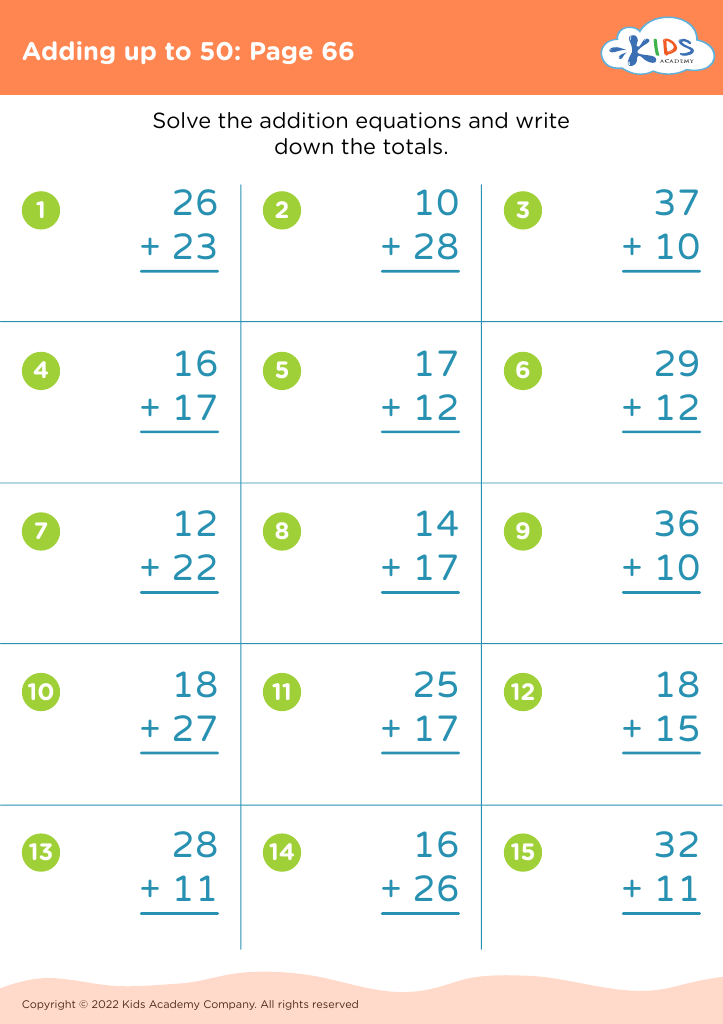
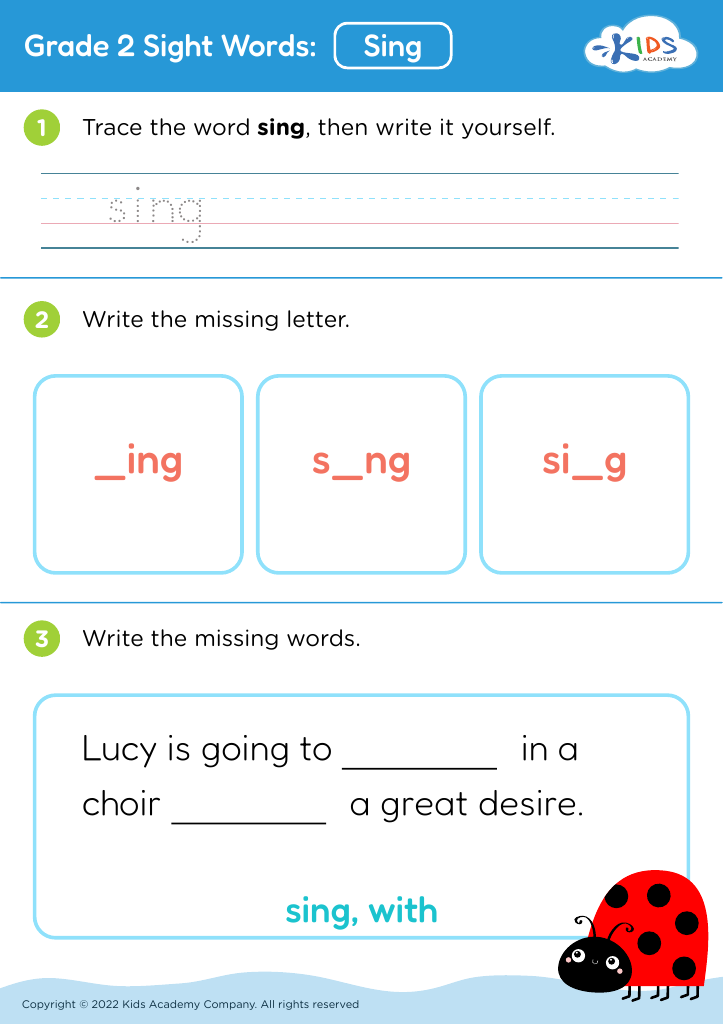
Introduce your child to the world of numbers with our 'Recognize Numbers Worksheets for Ages 3-7'. These engaging worksheets are designed to help young learners build essential math skills, learn number recognition, and develop a strong foundation in early math concepts. Featuring colorful illustrations and fun activities, each worksheet keeps your child excited about learning while effectively reinforcing their ability to identify and understand numbers. Perfect for preschoolers, kindergarteners, and early grade students, our worksheets cater to varying skill levels, ensuring a productive and enjoyable learning experience. Help your child succeed in math with Kids Academy’s expertly crafted resources!
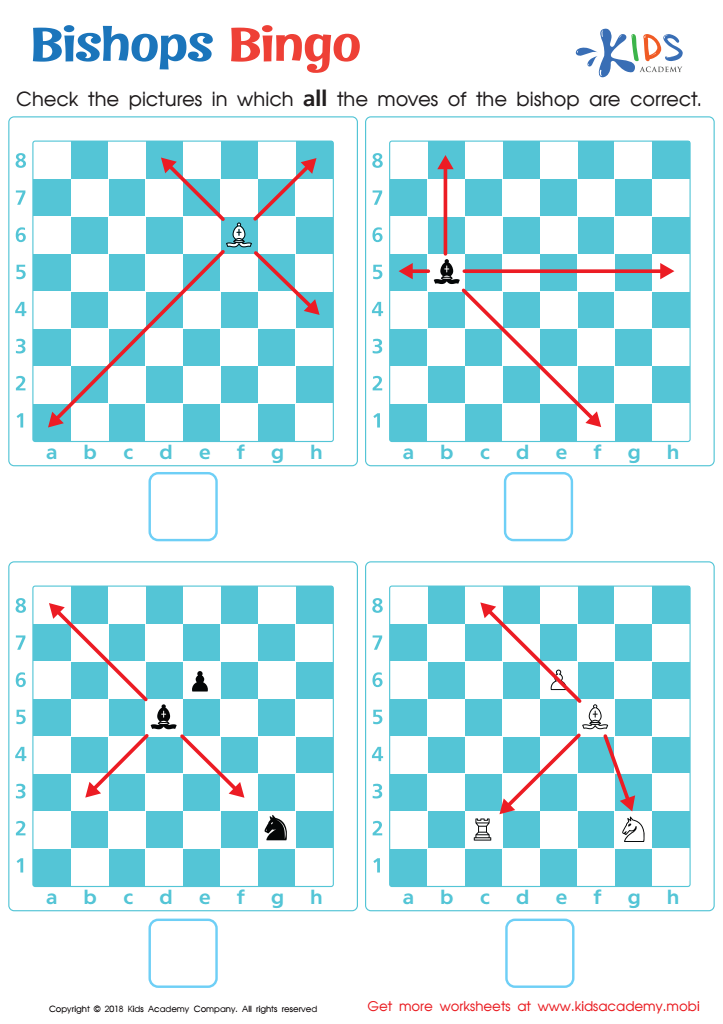
Bishops Bingo Worksheet


.jpg)





Recognizing numbers is a foundational skill for children ages 3-7 and helps pave the way for future mathematical understanding. At this early age, children’s brains are exceptionally adaptable, making it an ideal time to introduce basic math concepts like number recognition. Parents and teachers who focus on developing this skill can set their children up for success both in and out of school.
Firstly, recognizing numbers contributes to numeracy—the ability to understand and work with numbers. This competency is crucial not only for success in subjects like math but also for real-life situations such as telling time, measuring ingredients for cooking, and handling money. Secondly, early number recognition boosts cognitive development, including memory and problem-solving skills, providing a strong foundation for learning more complex math concepts later, such as addition and subtraction.
Moreover, being able to identify and understand numbers enhances a child's confidence in their abilities. Children who feel competent in number recognition are more likely to participate actively in classroom activities, leading to a positive self-image and a love for learning. This early academic achievement also has long-term benefits, including improved performance across other subjects and a greater likelihood of academic success.
In summary, parents and teachers engaging children in number recognition build essential skills that support comprehensive cognitive development and instill lifelong educational and real-world competencies.








