Recognizing Patterns Worksheets for Ages 3-7
34 filtered results
-
From - To
Discover our engaging Recognizing Patterns Worksheets designed specifically for children aged 3-7! These interactive activities help young learners develop essential pattern recognition skills, enabling them to identify sequences, shapes, colors, and more. By completing these worksheets, kids enhance their critical thinking abilities and boost their early mathematical skills in a fun, stimulating environment. Our carefully crafted exercises also promote fine motor skills and hands-on learning through coloring, matching, and drawing. Perfect for preschool and early grade education, our worksheets provide valuable resources for parents and teachers looking to cultivate a strong foundation in mathematics and problem-solving. Start nurturing your child's learning journey today!
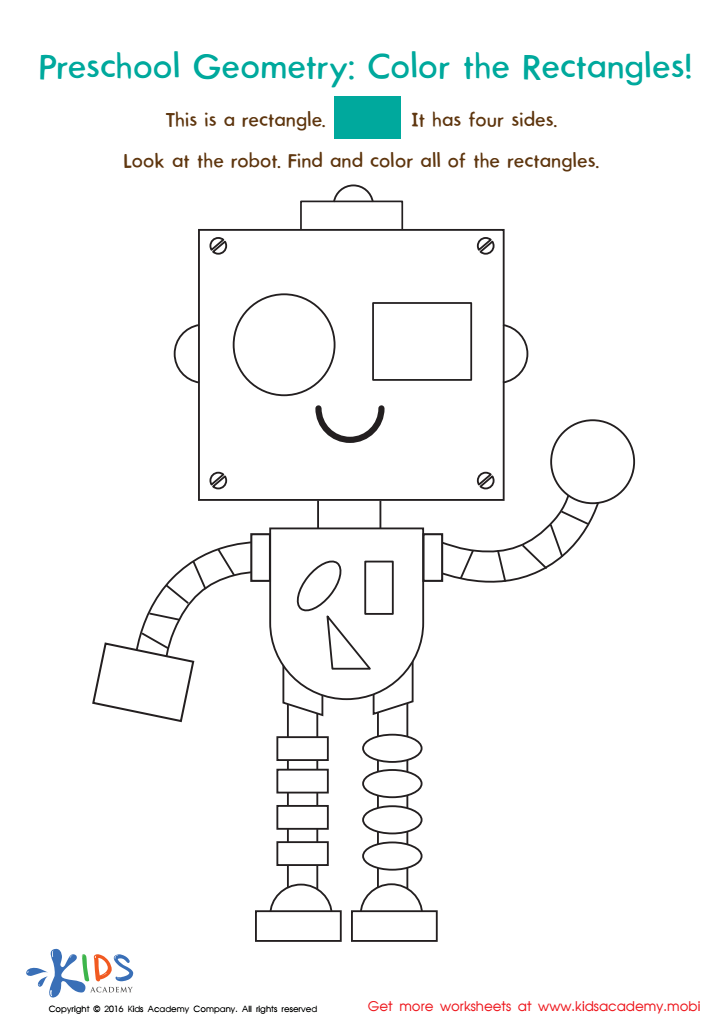
Geometry Worksheet
 Assign to My Students
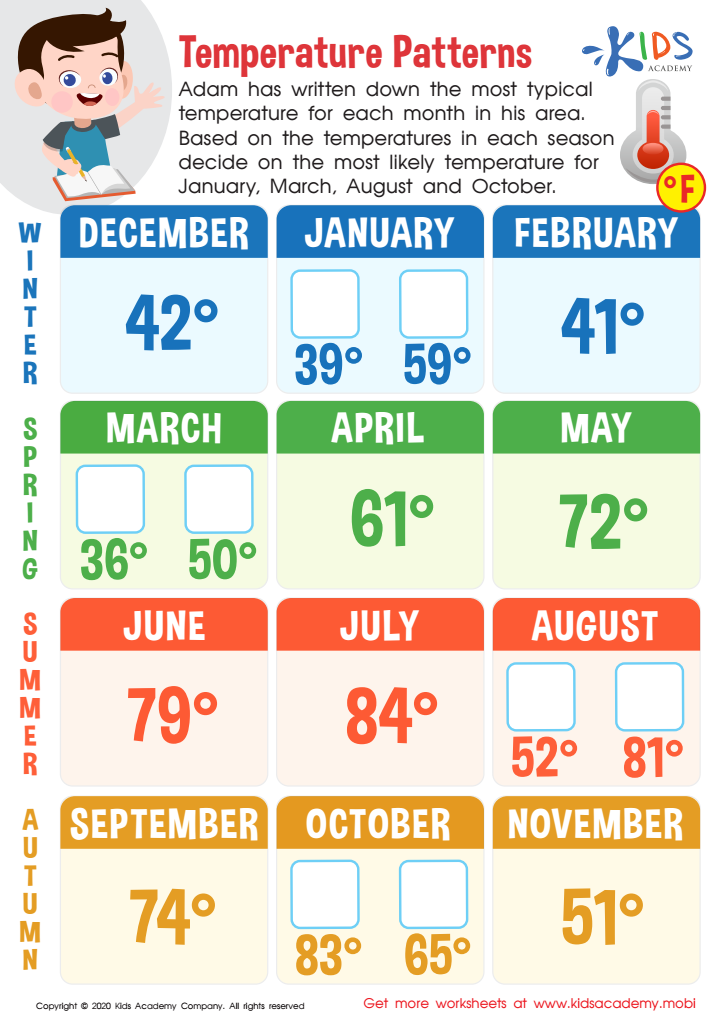
Temperature Patterns Worksheet
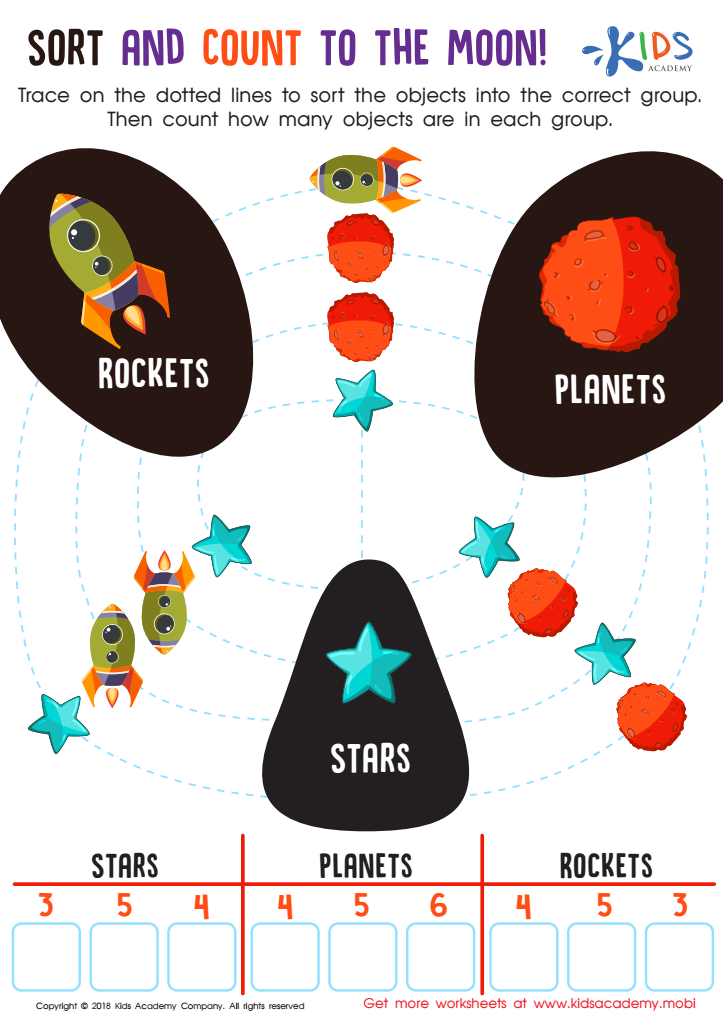
Sort and Count to the Moon Worksheet
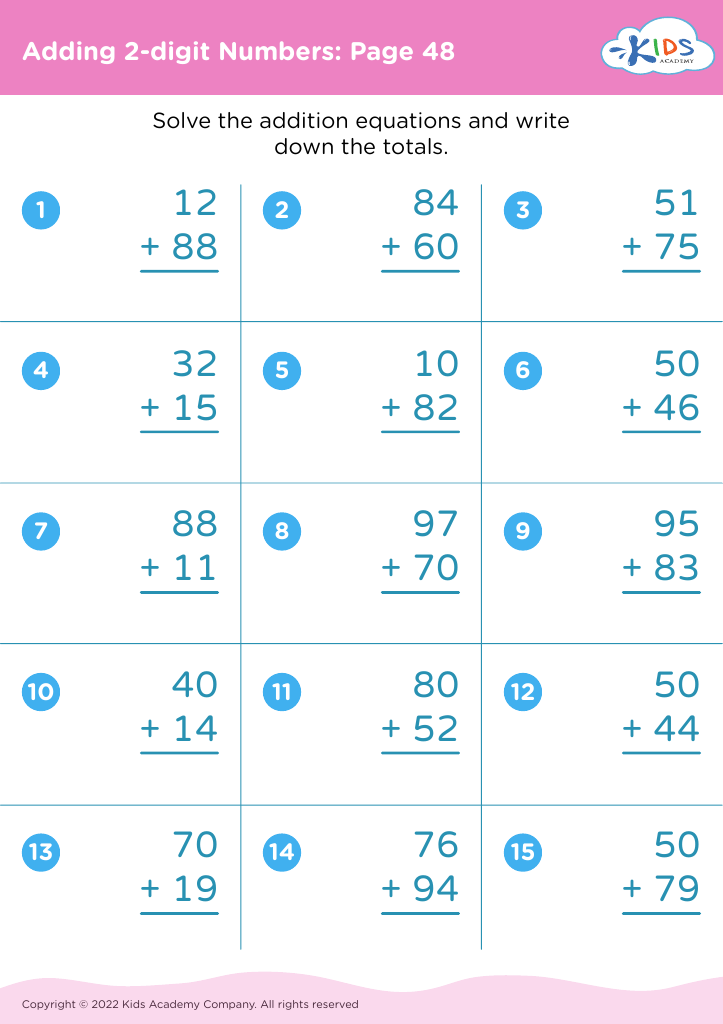
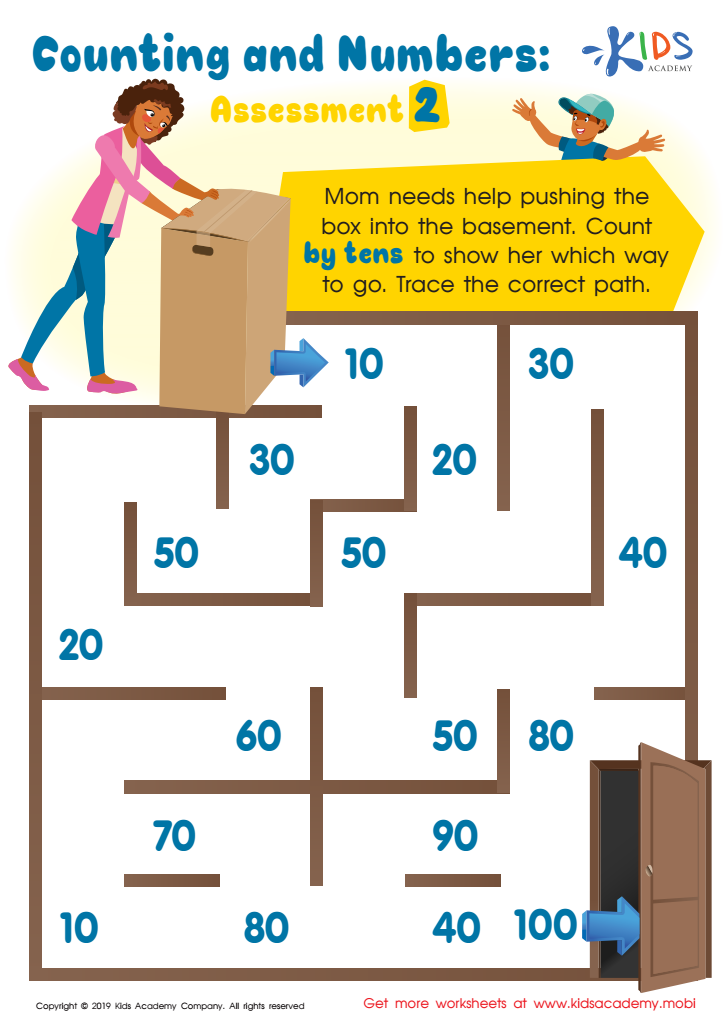
Counting and Numbers: Assessment 2 Worksheet
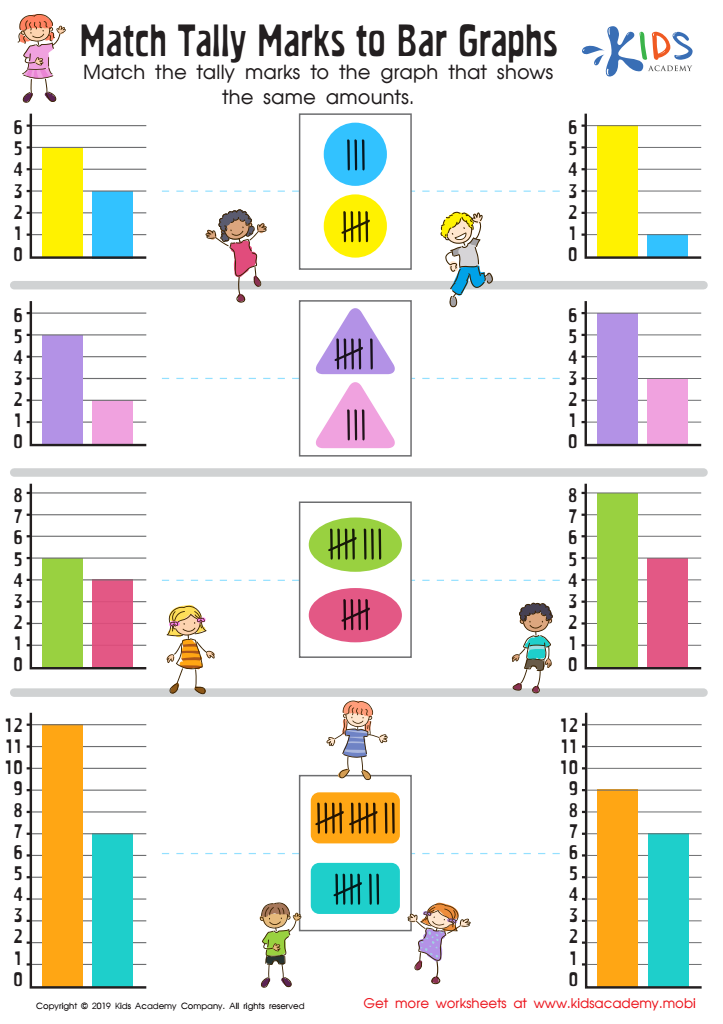
Match Tally Marks to Bar Graphs Worksheet
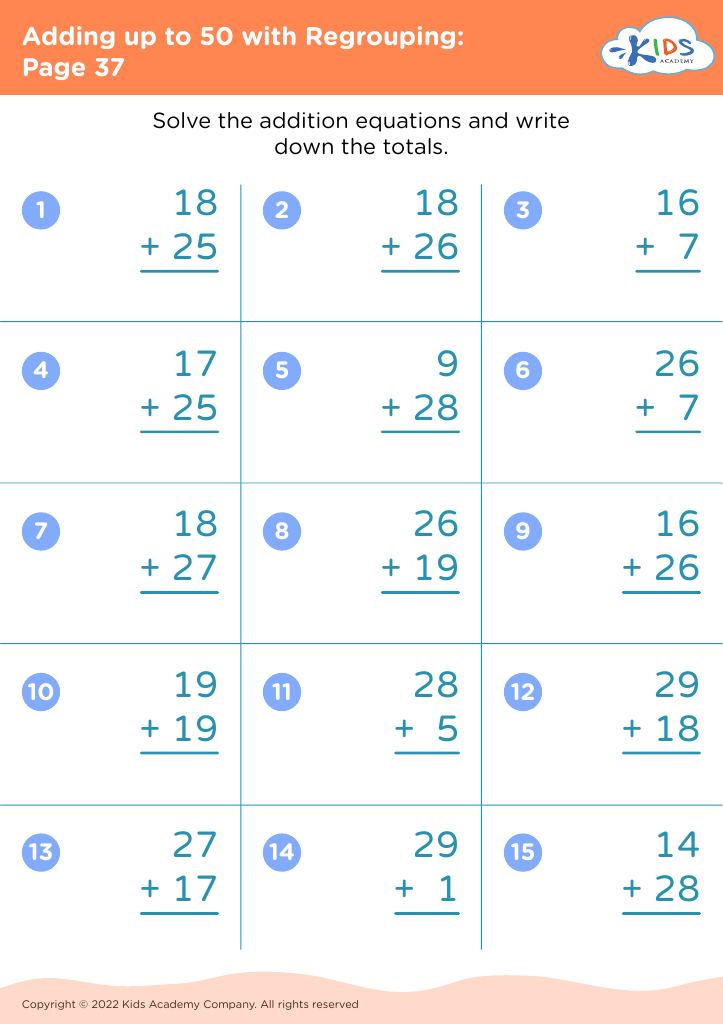
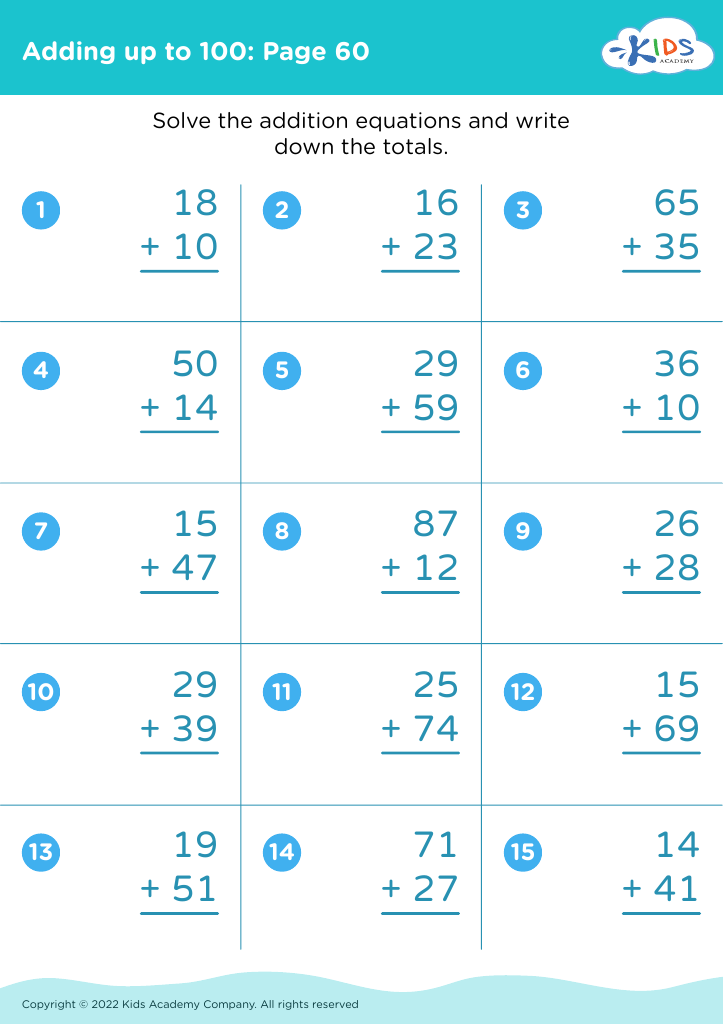
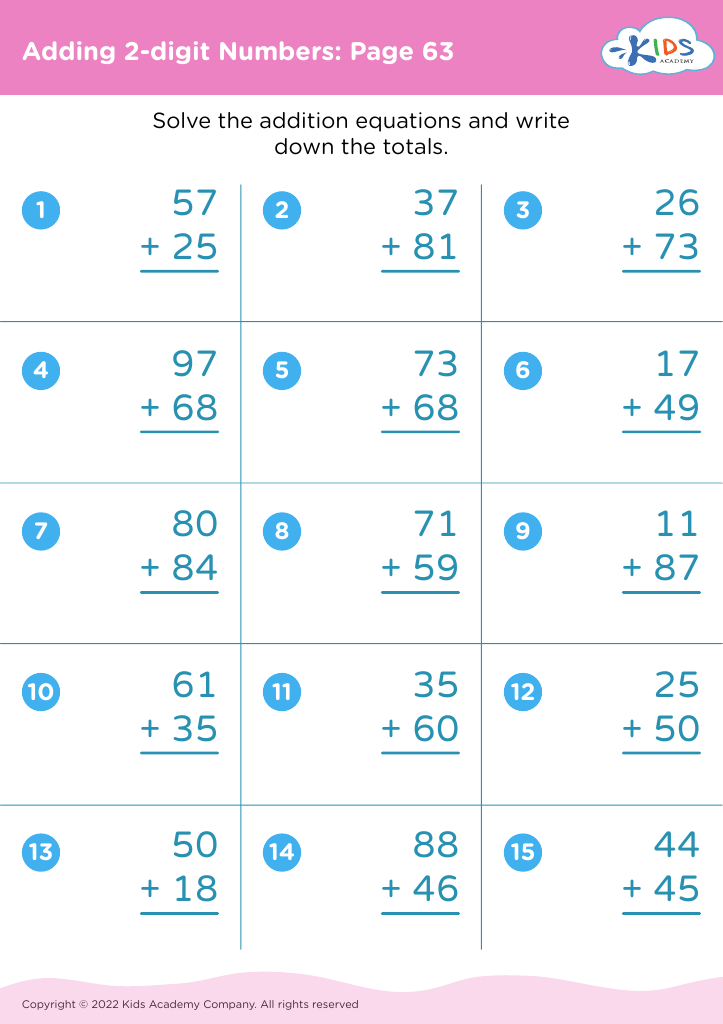
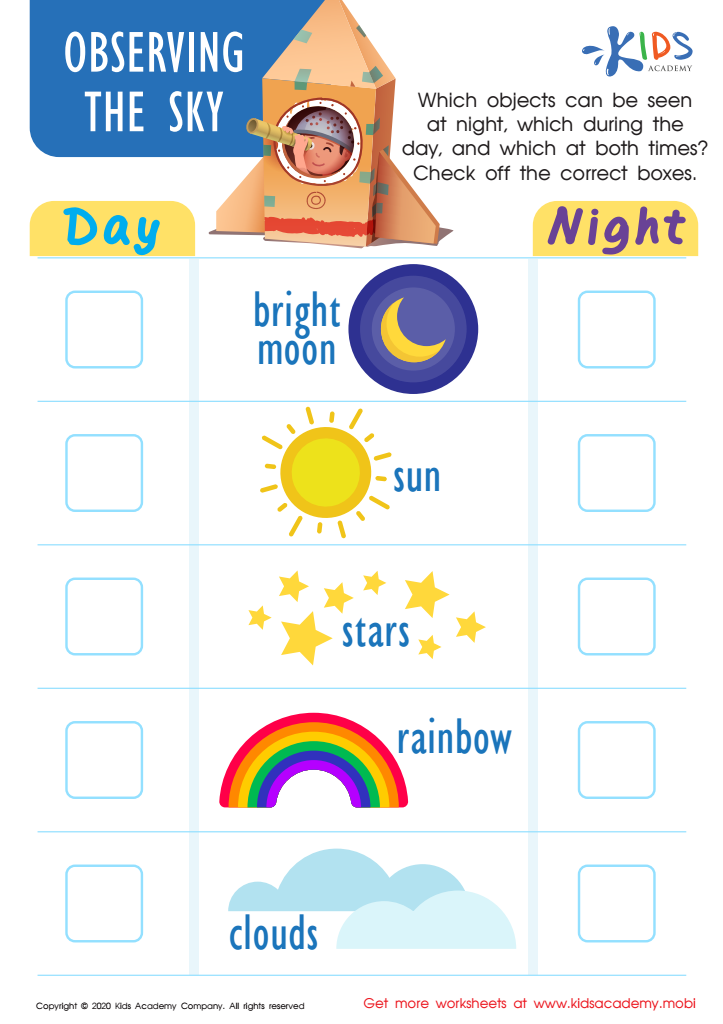
Observing the Sky Worksheet
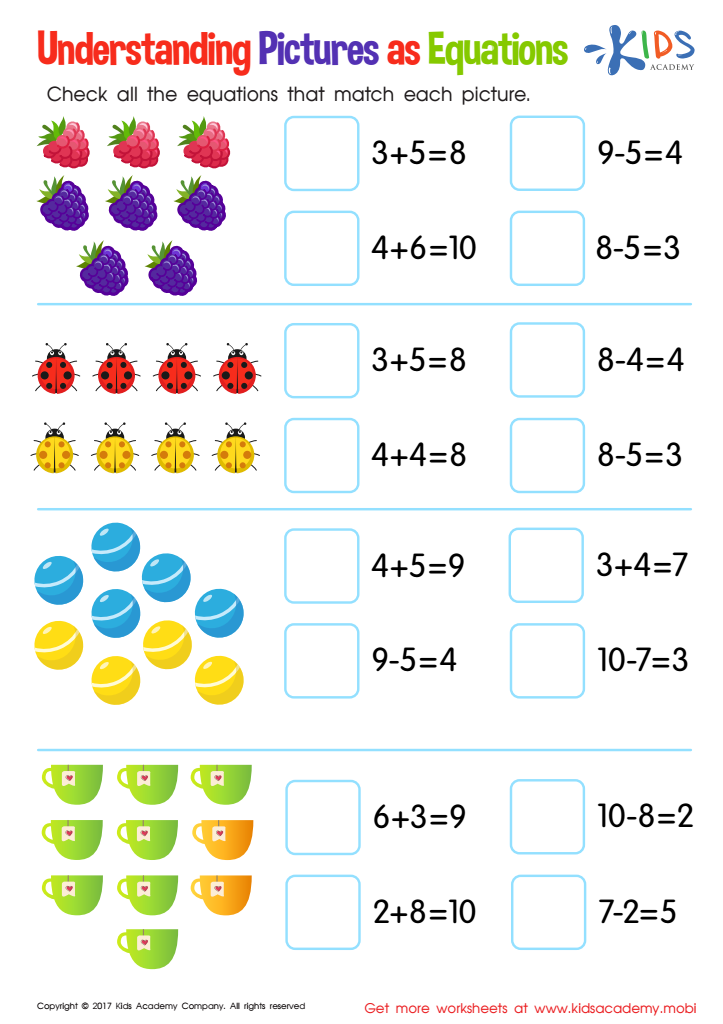
Understanding Pictures as Equations Worksheet
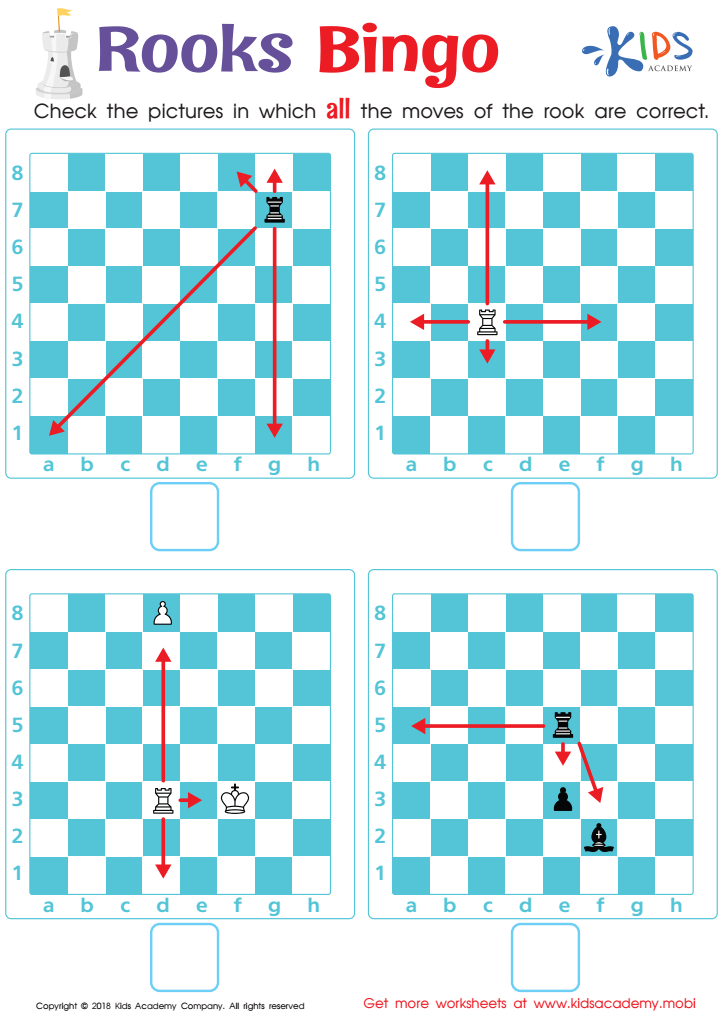
Rooks Bingo Worksheet




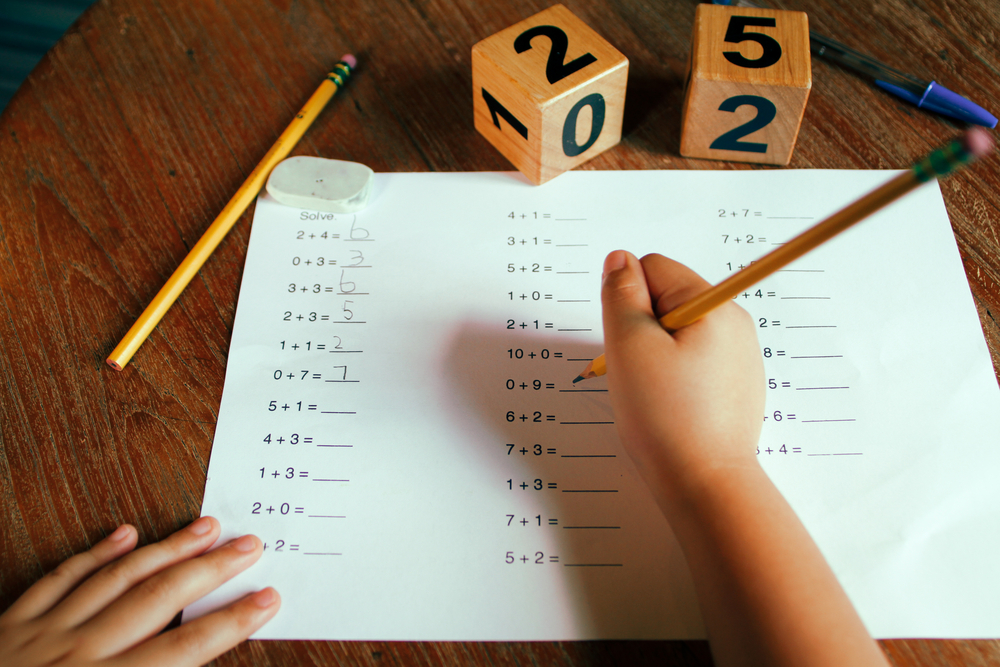

Recognizing patterns is a fundamental skill that plays a crucial role in the cognitive development of children aged 3 to 7. For parents and teachers, fostering this ability not only enhances mathematical understanding but also supports critical thinking and problem-solving skills. By identifying patterns, children learn to make predictions, establish relationships, and develop logical reasoning.
Moreover, recognizing patterns is foundational to various subjects, including math, science, and language arts. For instance, recognizing patterns in number sequences is essential for later arithmetic operations, while identifying patterns in language helps with reading and comprehension. Additionally, pattern recognition encourages creativity as children learn to predict what comes next, spurring innovative thinking.
Early exposure to pattern recognition promotes greater confidence in learning. Games, music, arts and crafts, and daily routines can provide engaging opportunities for children to practice recognizing patterns in multisensory ways. Parents and teachers who advocate for this skill can nurture a child’s curiosity and love for learning, ensuring they are well-prepared to tackle more complex concepts as they grow. Ultimately, prioritizing pattern recognition contributes to a child’s overall cognitive development and academic success.








