Sorting abilities Worksheets for Ages 3-7
3 filtered results
-
From - To
Enhance your child's sorting abilities with our engaging worksheets designed for ages 3-7! These resources offer a fun way for young learners to develop vital cognitive skills through hands-on sorting activities. Each worksheet features colorful, age-appropriate images that encourage children to categorize objects by attributes such as size, shape, and color, fostering both critical thinking and creativity. Perfect for parents and educators, these worksheets can be easily printed and integrated into playful learning sessions. Support your child’s early development and lay the groundwork for future math skills as they learn to recognize patterns and organize information with confidence!
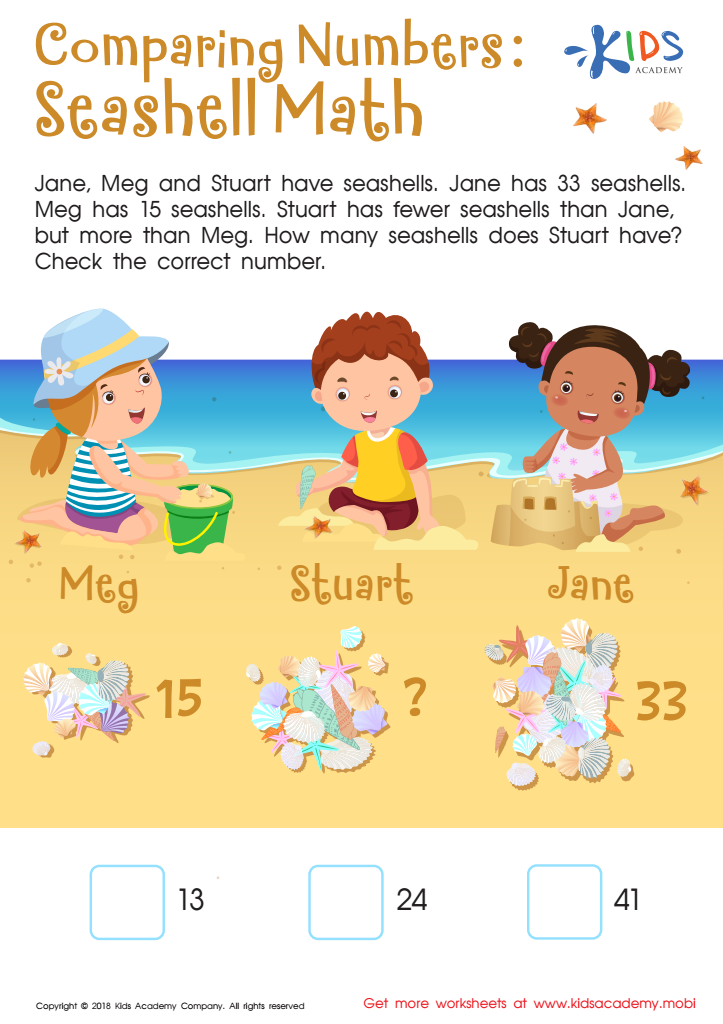
Seashell Collectors Worksheet
 Assign to My Students
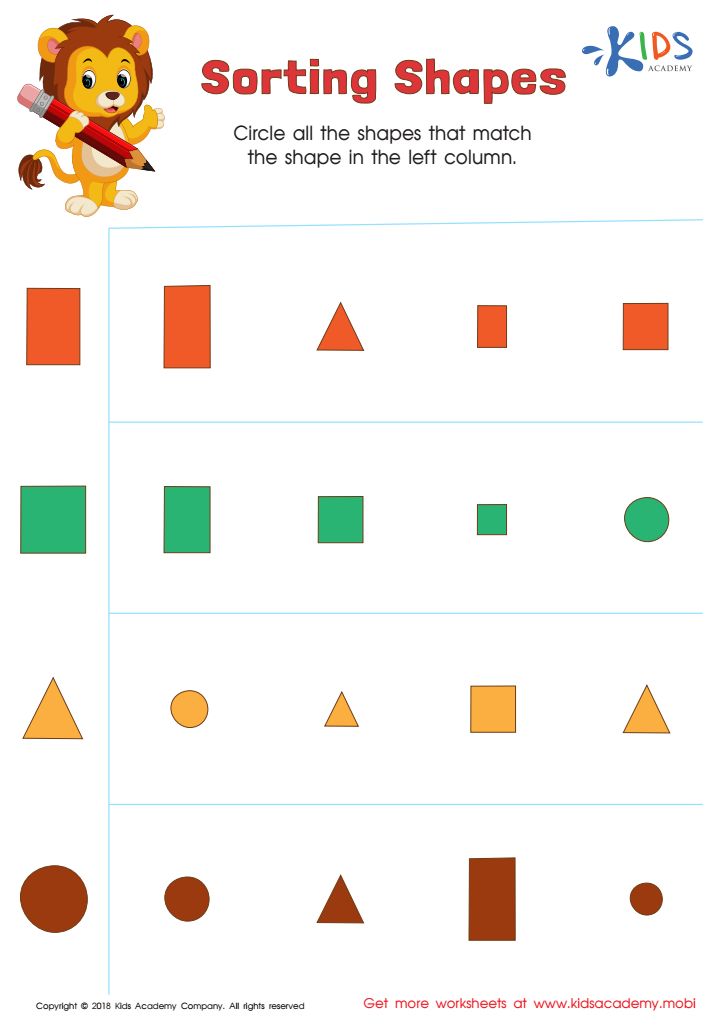
Sorting Shapes - Part 2 Worksheet
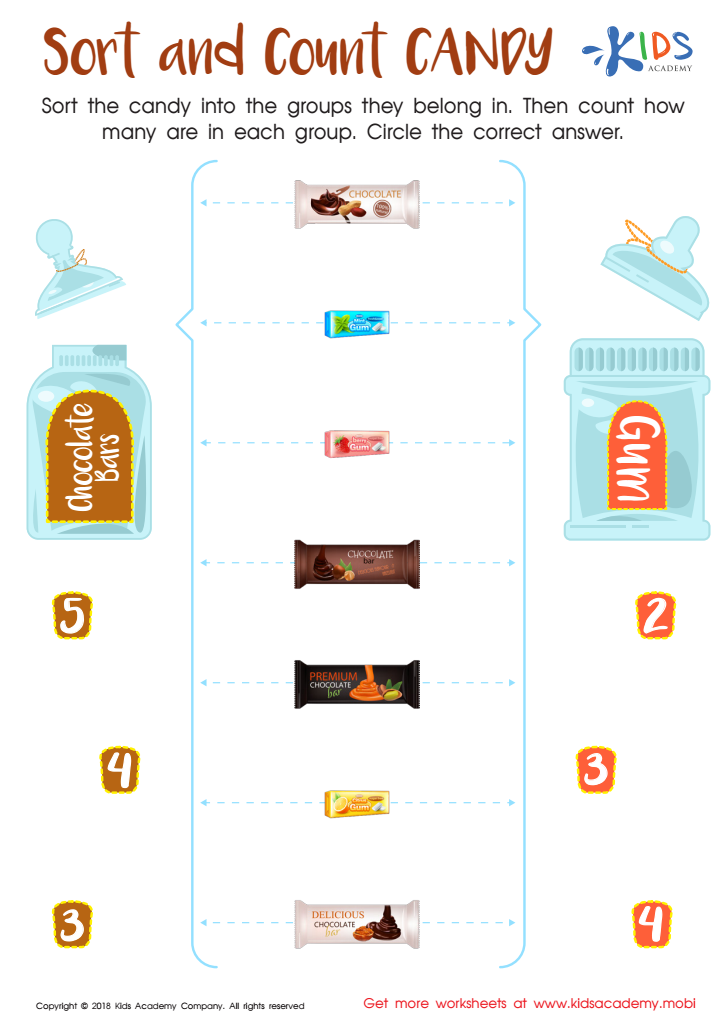
Sort and Count Candy Worksheet


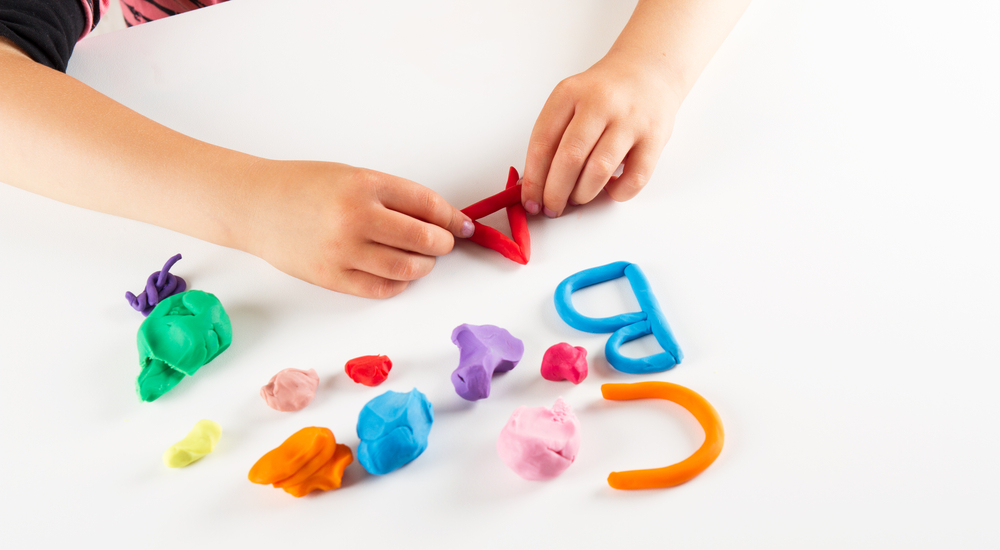





Sorting abilities are essential skills that emerge during early childhood, typically between ages 3 to 7, and are crucial for cognitive development. Parents and teachers should care about these abilities because they lay the groundwork for more complex cognitive tasks and problem-solving skills later in life. When children engage in sorting activities, they learn to recognize differences and similarities, enhancing their critical thinking and observational capabilities.
Sorting helps children develop an understanding of categorization, which is foundational for math concepts like counting, classifying, and even simple addition or subtraction. It also fosters language development as children learn to describe and articulate their reasoning while categorizing objects based on attributes such as size, color, or shape.
Moreover, sorting promotes fine motor skills through hands-on activities, improving dexterity and coordination. These skills are significant for later tasks, like writing or crafting. Socially, sorting activities often encourage cooperative play, allowing children to work together and communicate, thereby enhancing their social skills.
Ultimately, supporting sorting abilities in young children equips them with vital tools for lifelong learning and development, making it essential for parents and teachers to prioritize these activities in early education.








