Story sequencing Worksheets for Ages 3-7 - Page 2
29 filtered results
-
From - To
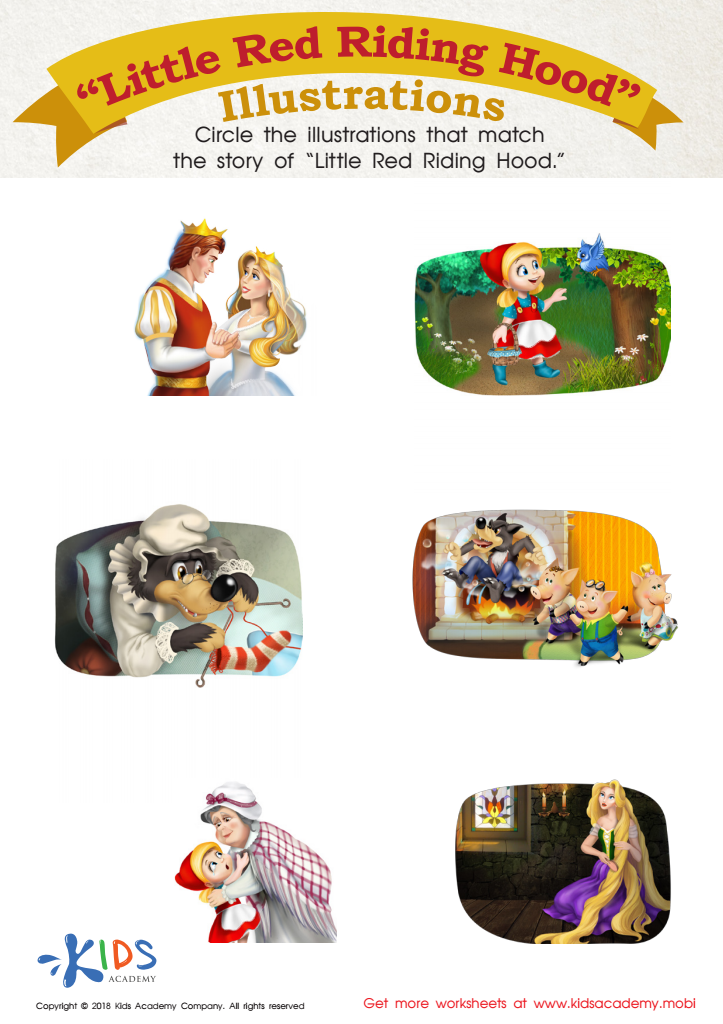
Little Red Riding Hood: Illustrations Worksheet
 Assign to My Students
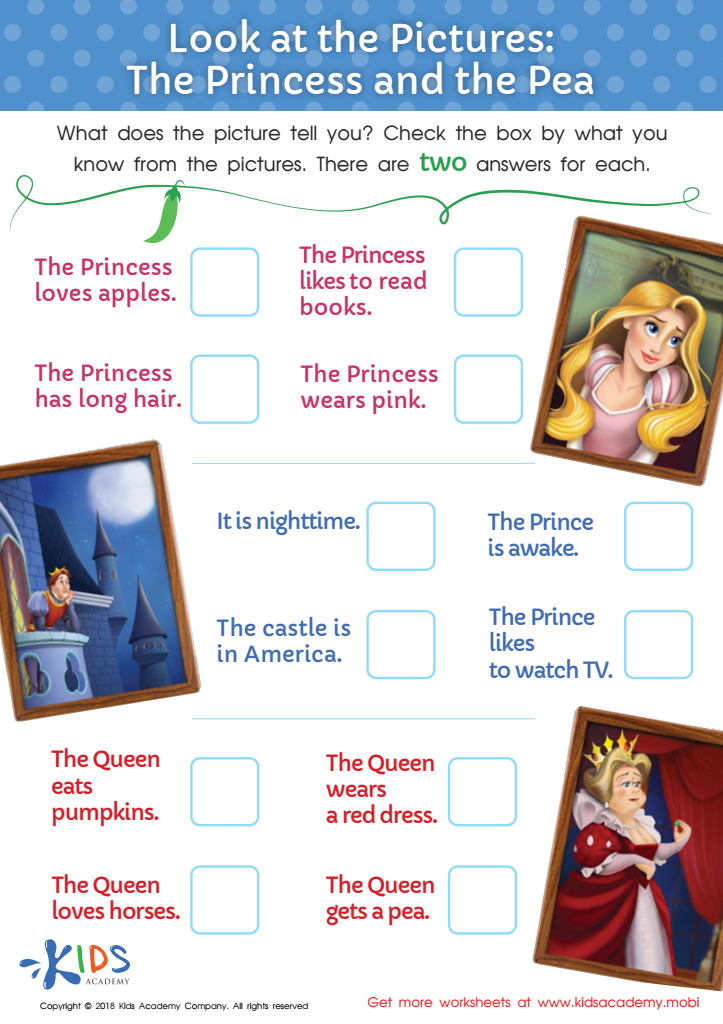
Look at the Pictures: The Princess and the Pea Worksheet
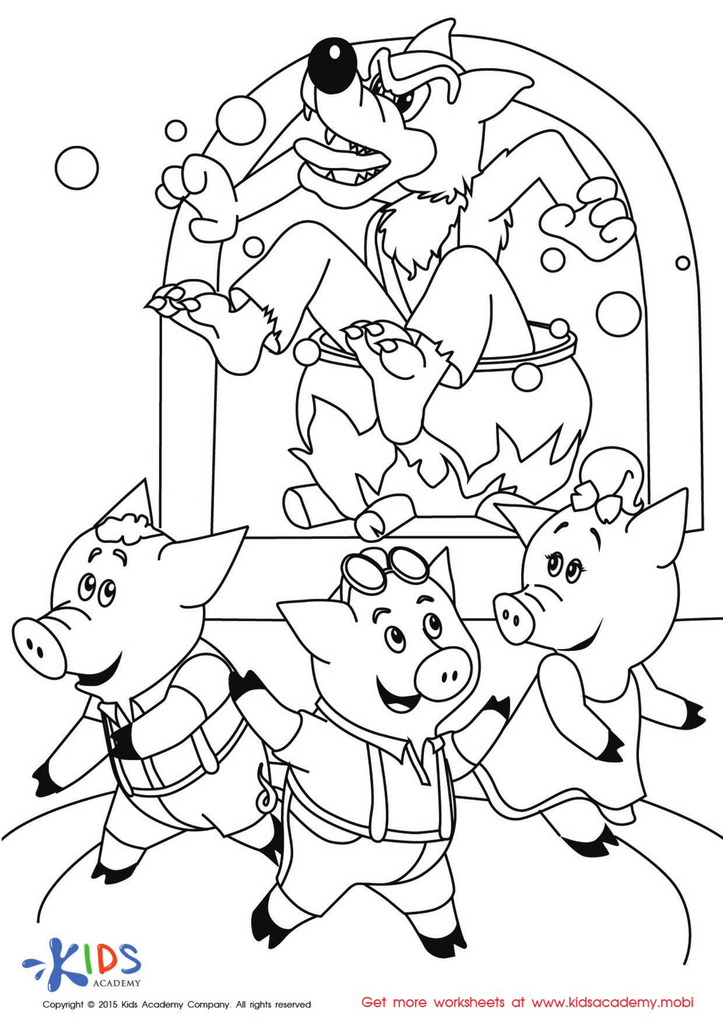
The Three Little Pigs and The Big Bad Wolf Printable
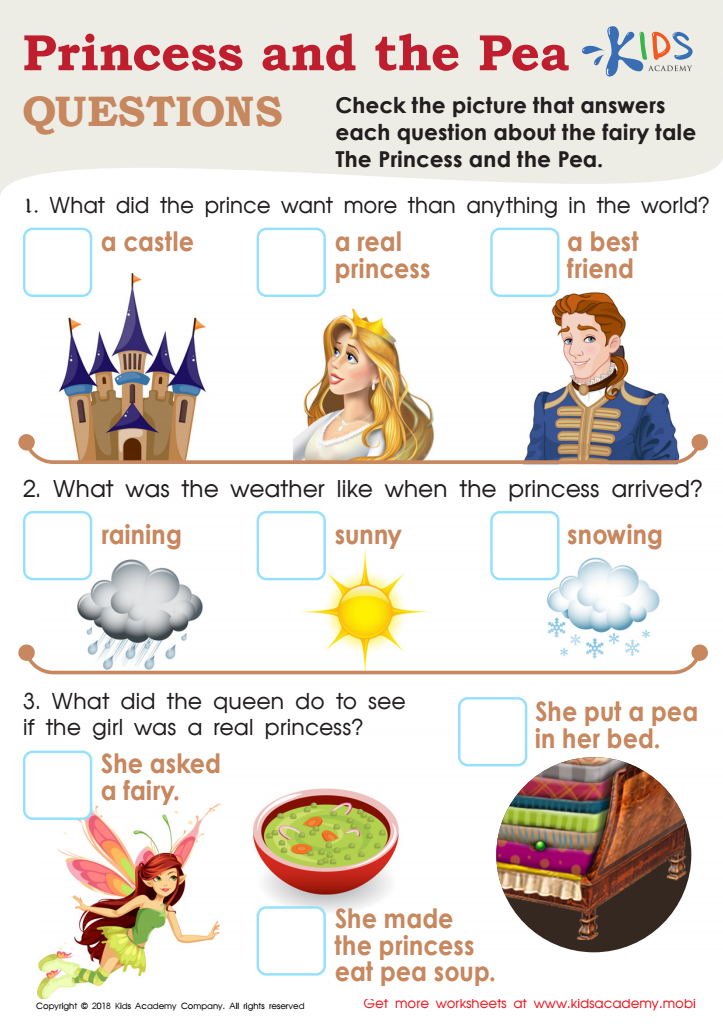
Princess and the Pea Questions Worksheet
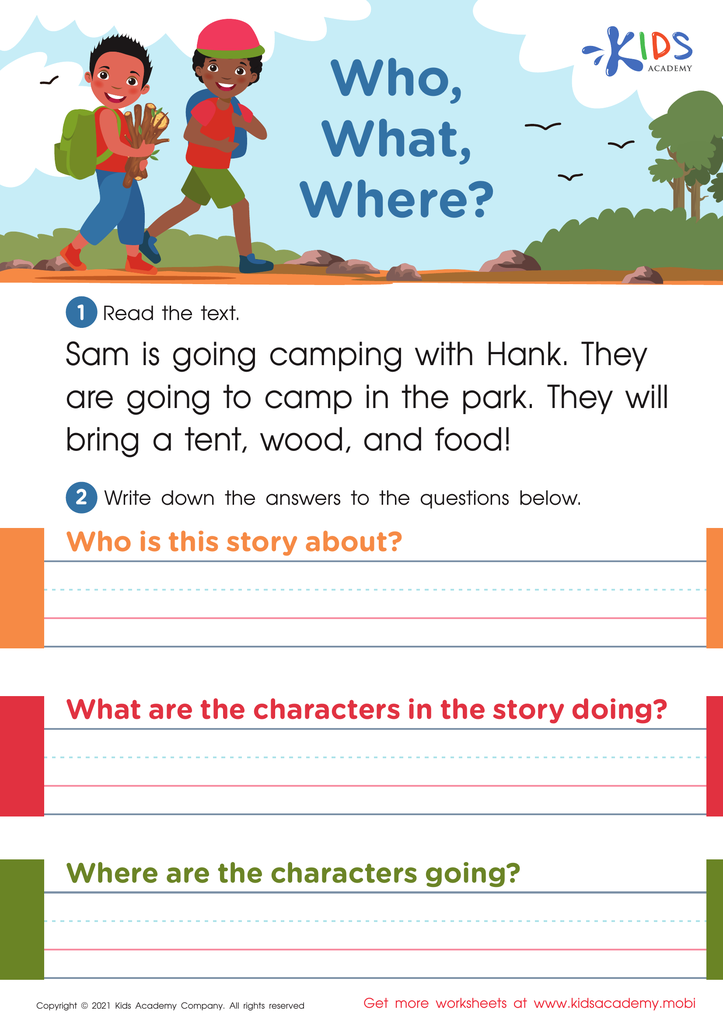
Who, What, Where? Worksheet







Story sequencing is an essential skill for young children aged 3-7 as it lays the foundation for critical literacy and cognitive development. Understanding story sequence helps children comprehend narratives better, allowing them to recognize the structure of a beginning, middle, and end in stories. This skill fosters creativity, as children learn to predict what happens next and relate stories to their own experiences.
For parents and teachers, guiding children in story sequencing enhances their listening and speaking abilities. It encourages discussion and active engagement with texts, fostering a love for reading. When children can sequence events, they develop stronger memory recall and are better equipped to retell stories in an organized manner, boosting their narrative skills.
Moreover, story sequencing promotes problem-solving and critical thinking. Children learn to identify cause-and-effect relationships and understand character motivations, enriching their comprehension skills in all subjects, not just literacy. By focusing on story sequencing, parents and teachers can create a supportive and enriching environment that bolsters children's communication skills, confidence, and academic success. This foundational skill is crucial for lifelong learning, enabling children to navigate increasingly complex texts as they grow.








