Check out this FREE "Understanding symmetry" Trial Lesson for age 3-7!

Match Exactly the Same

Favorites
With answer key
Interactive
  • 3-7
  • Understanding symmetry
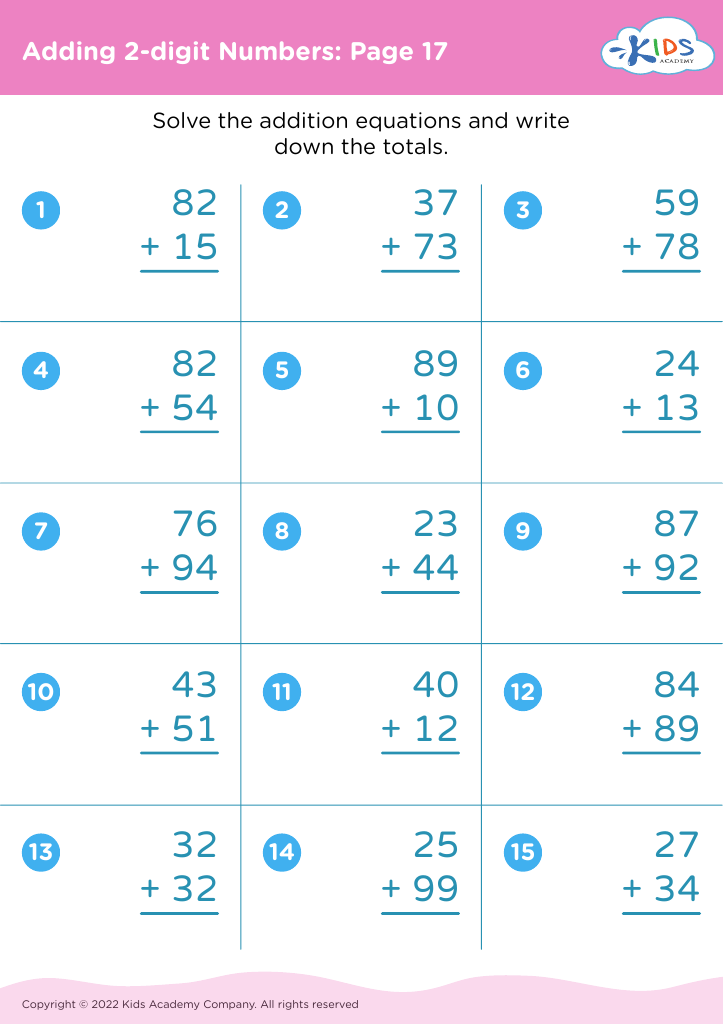
Adding 2-digit Numbers: Page 17

Adding 2-digit Numbers: Page 17

Adding 2-digit Numbers: Page 17
Worksheet
Force and Interactions: Assessment 2 Worksheet

Force and Interactions: Assessment 2 Worksheet

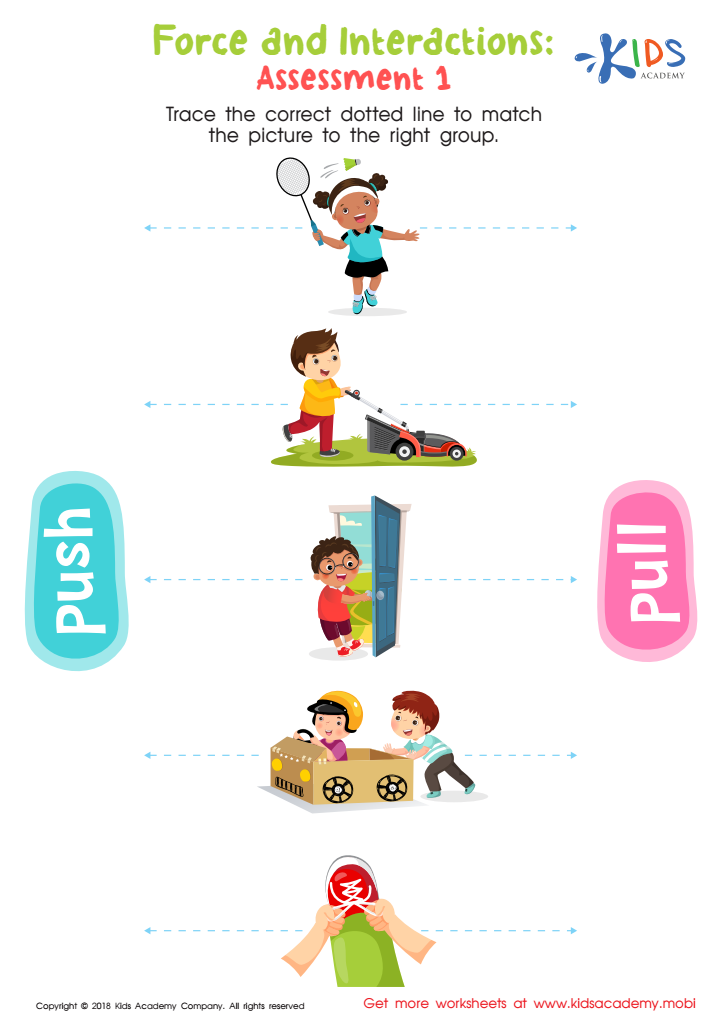
Help your child see the difference between push and pull with this fun worksheet. Ask them to match each picture to the right group. The "push" is on the left and the "pull" is on the right. Assist them in tracing the activities and explain what it is the people are doing.
Force and Interactions: Assessment 2 Worksheet
Worksheet
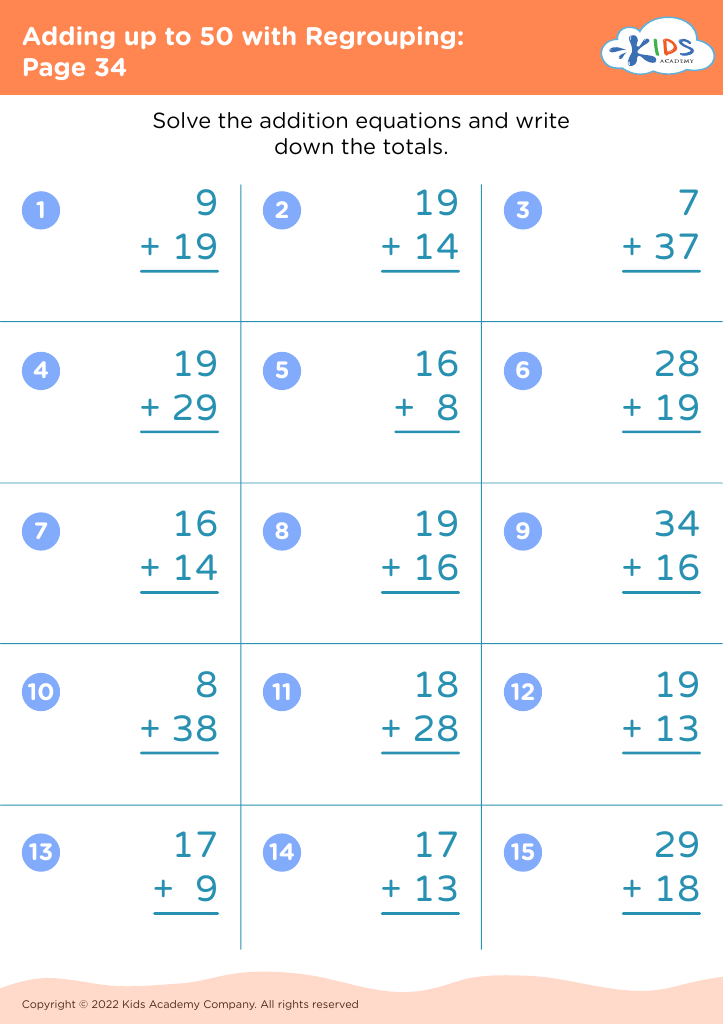
Adding up to 50 with Regrouping: Page 34
Worksheet
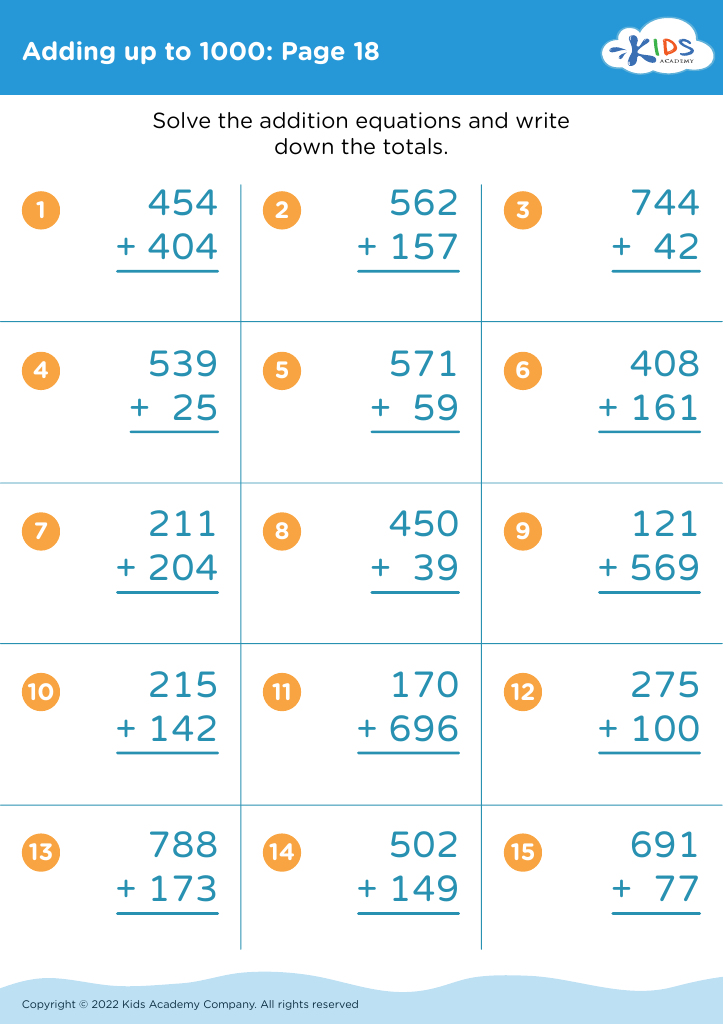
Adding up to 1000: Page 18

Adding up to 1000: Page 18

Adding up to 1000: Page 18
Worksheet
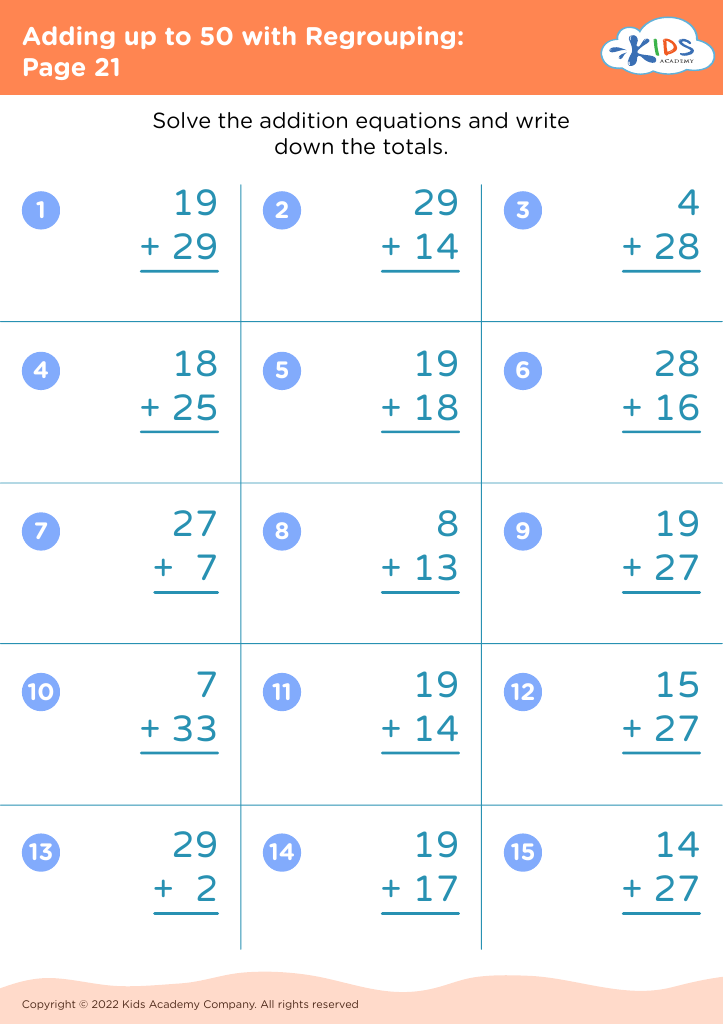
Adding up to 50 with Regrouping: Page 21
Worksheet
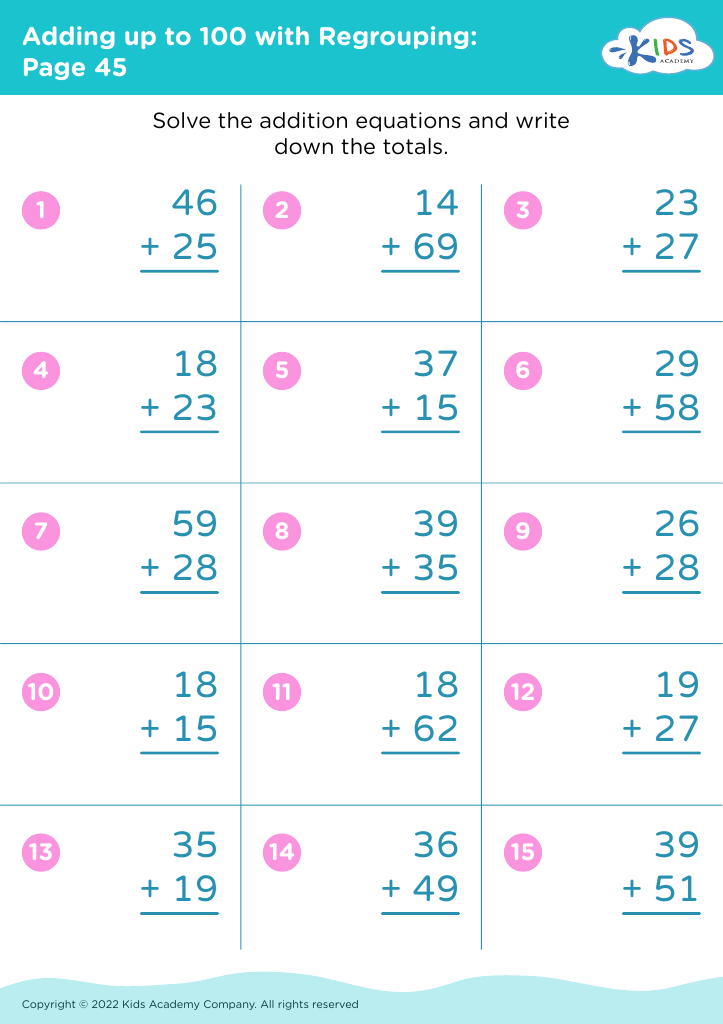
Adding up to 100 with Regrouping: Page 45
Worksheet
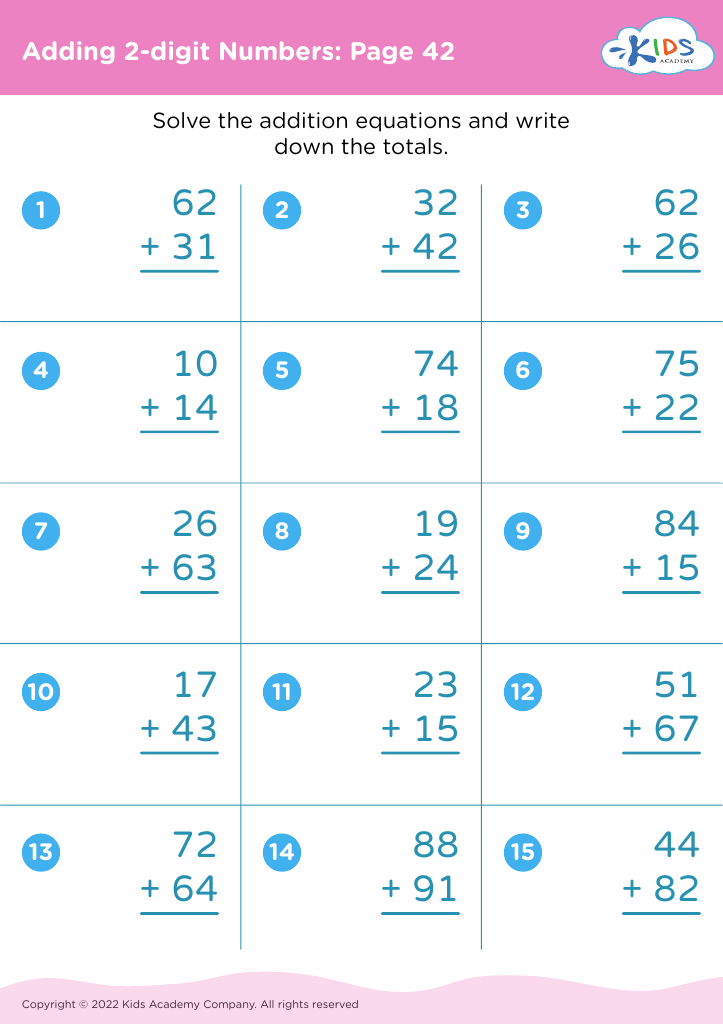
Adding 2-digit Numbers: Page 42

Adding 2-digit Numbers: Page 42

Adding 2-digit Numbers: Page 42
Worksheet
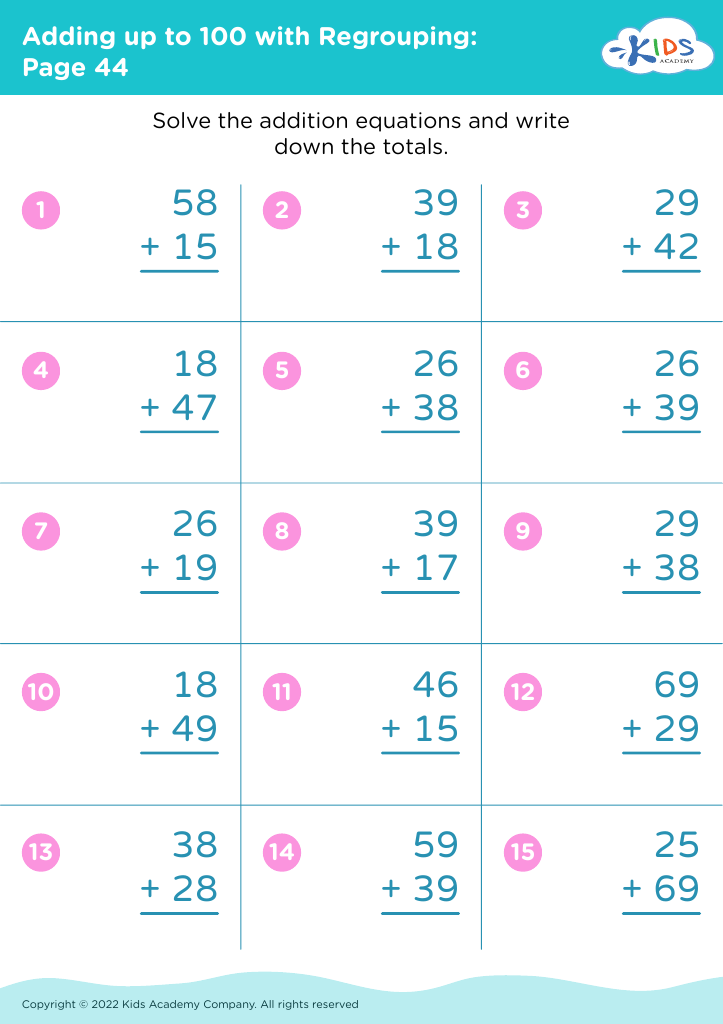
Adding up to 100 with Regrouping: Page 44
Worksheet
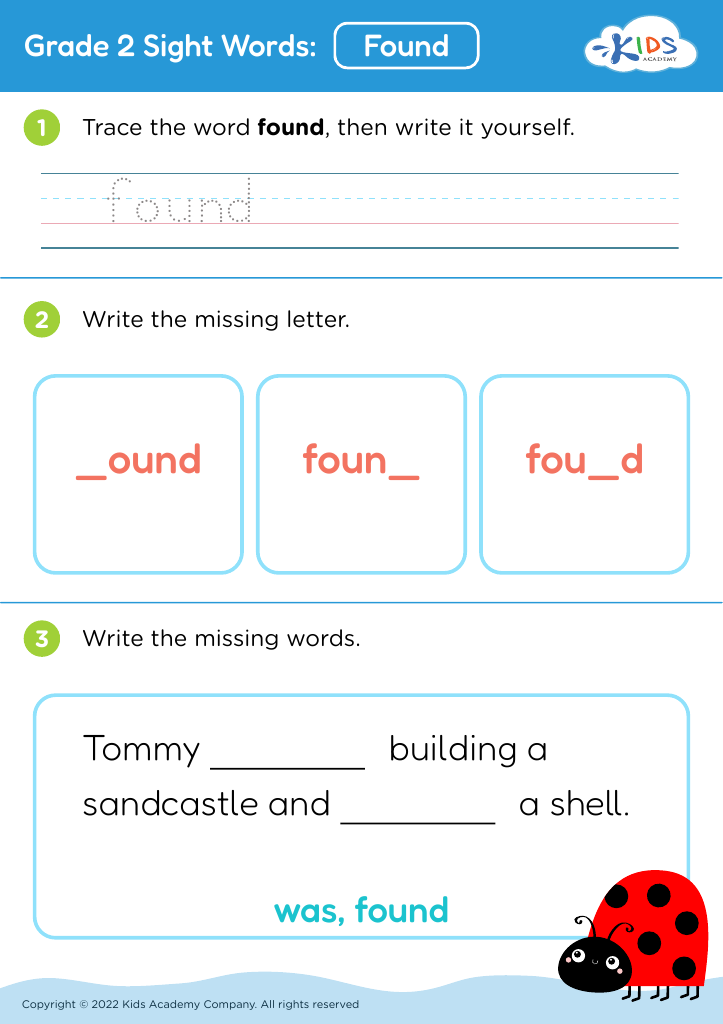
Grade 2 Sight Words: Found

Grade 2 Sight Words: Found

Grade 2 Sight Words: Found
Worksheet
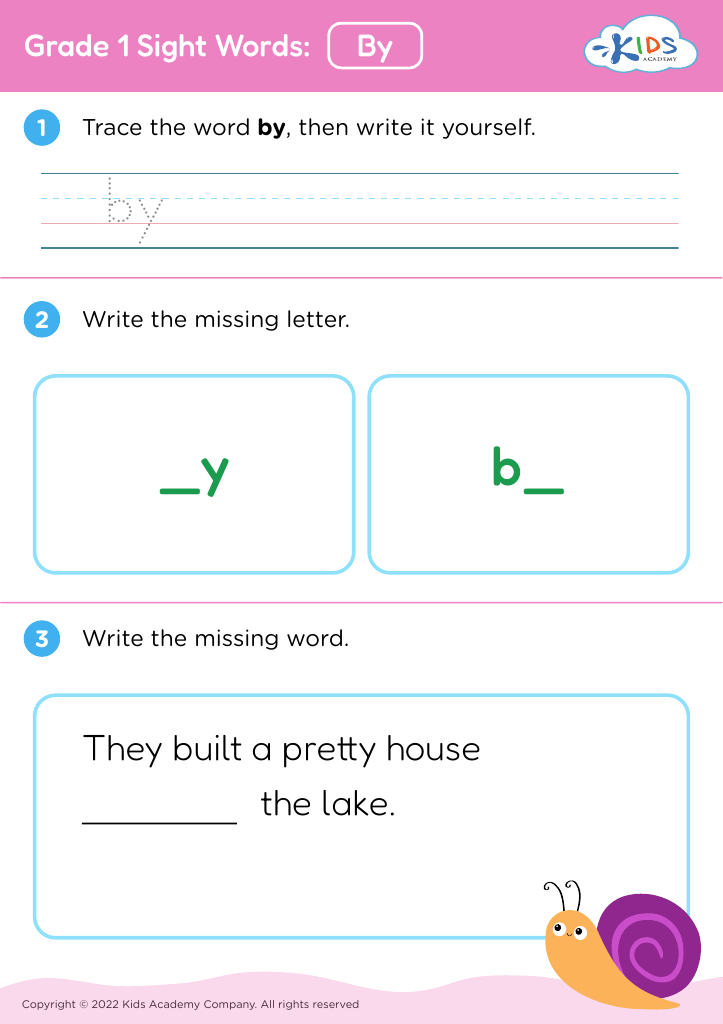
Grade 1 Sight Words: By

Grade 1 Sight Words: By

Grade 1 Sight Words: By
Worksheet
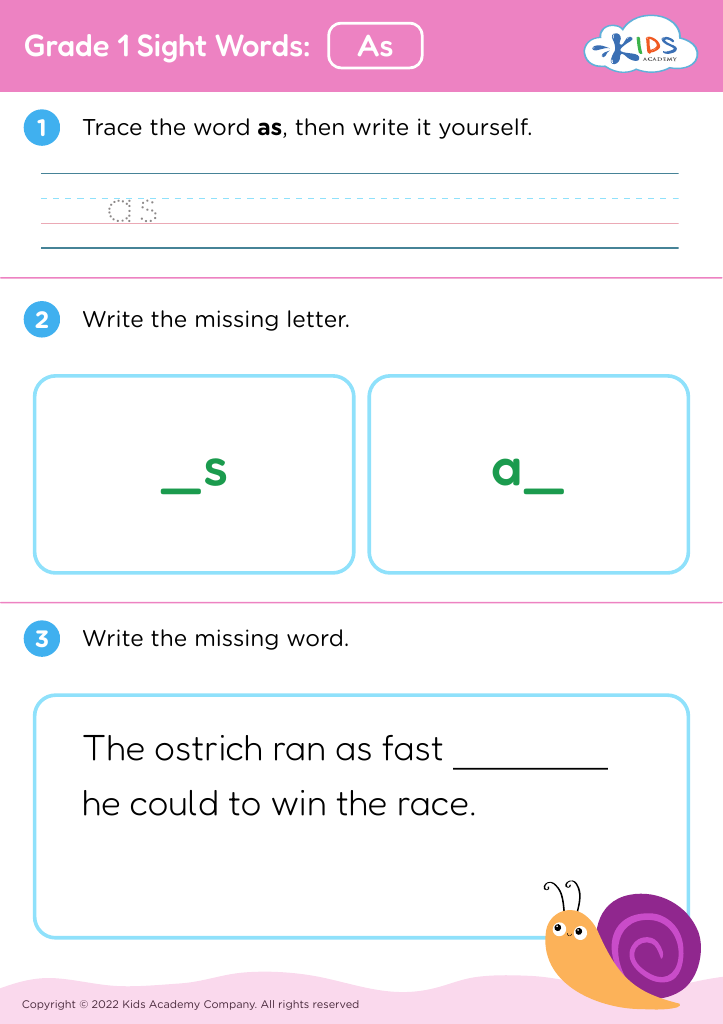
Grade 1 Sight Words: As

Grade 1 Sight Words: As

Grade 1 Sight Words: As
Worksheet
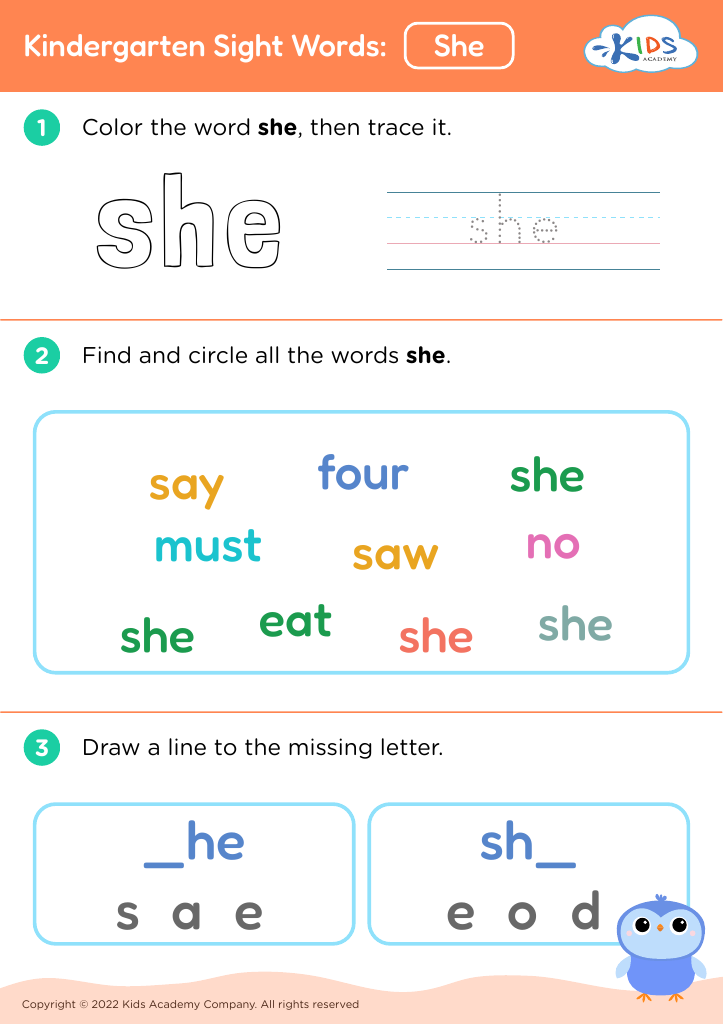
Kindergarten Sight Words: She

Kindergarten Sight Words: She

Kindergarten Sight Words: She
Worksheet


Understanding symmetry for ages 3-7 is important because it helps young children develop essential cognitive and motor skills that serve as the foundation for more complex learning. Symmetry introduces children to basic mathematical concepts like balance and proportion, which are crucial for later understanding of geometry and spatial reasoning. These early encounters with symmetry also enhance their pattern recognition skills, essential for problem solving and logical thinking.

Moreover, symmetry lessons often involve hands-on activities like drawing, cutting, and folding paper, which can improve fine motor skills and hand-eye coordination. These activities are not just entertaining; they contribute to the overall development of a child’s brain. Engaging with symmetry also encourages observational skills and attention to detail, because children learn to notice consistent patterns and differences in their environment.

Additionally, understanding symmetry has applications outside of math. In the natural world, children can recognize symmetrical patterns in leaves, flowers, and animals, fostering an appreciation for nature. Art and music also use symmetrical patterns, which can make learning in these areas more intuitive and enjoyable for young learners. Therefore, parents and teachers should value the role of symmetry in early childhood education, as it supports a multitude of developmental milestones.