Vocabulary development Worksheets for Ages 3-7 - Page 3
74 filtered results
-
From - To
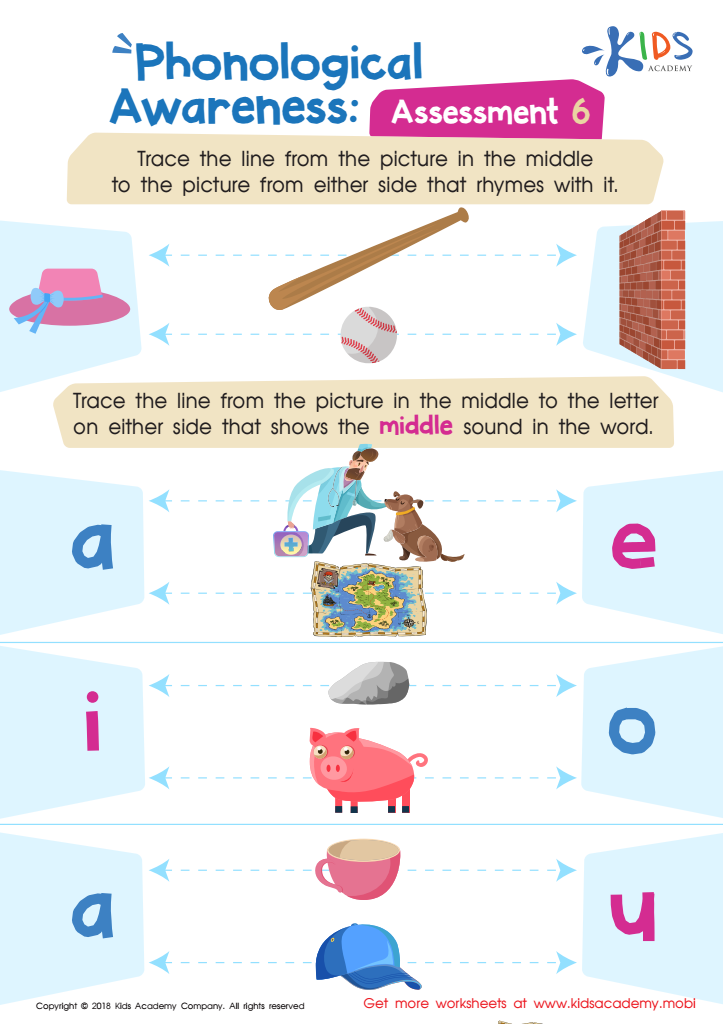
Phonological Awareness: Assessment 6 Worksheet
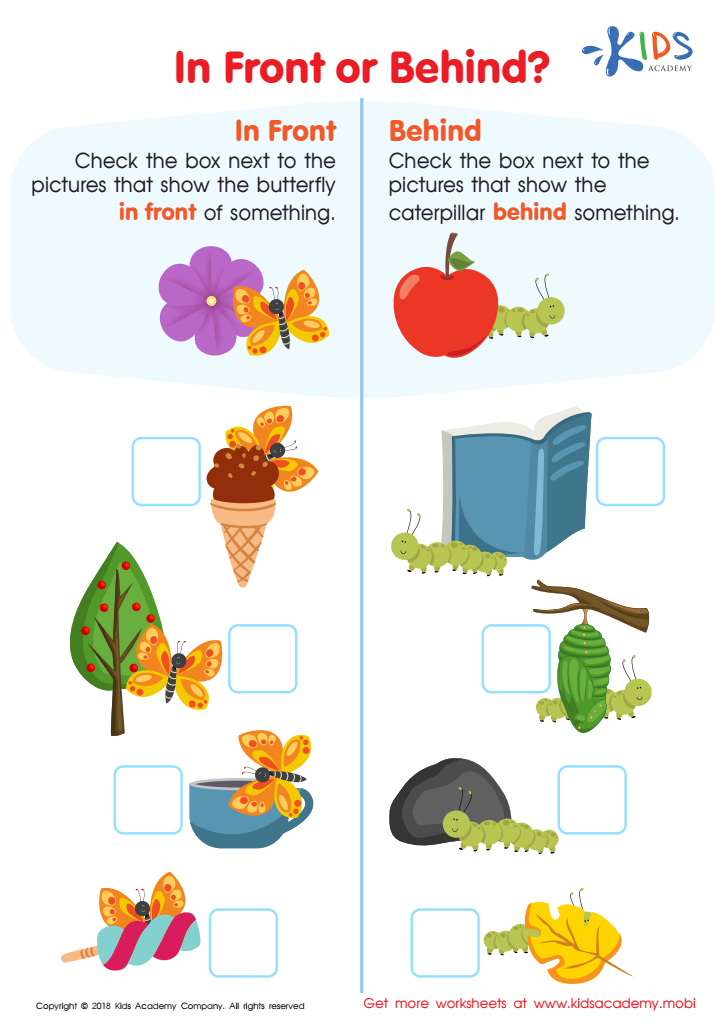
In Front or Behind Worksheet
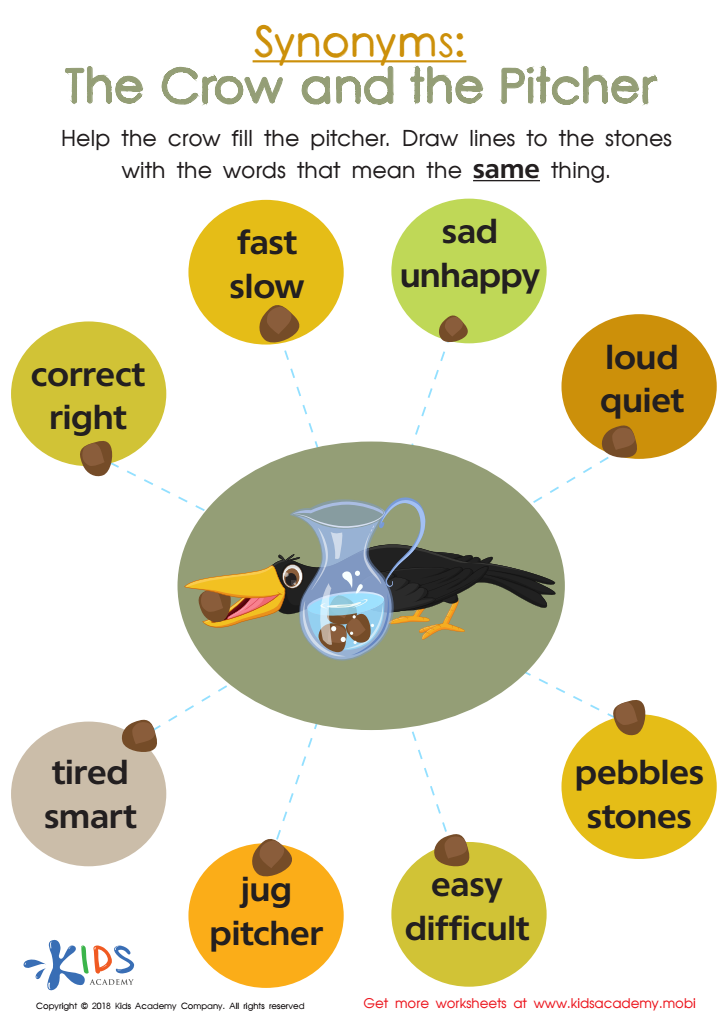
The Crow and the Pitcher Synonyms Worksheet
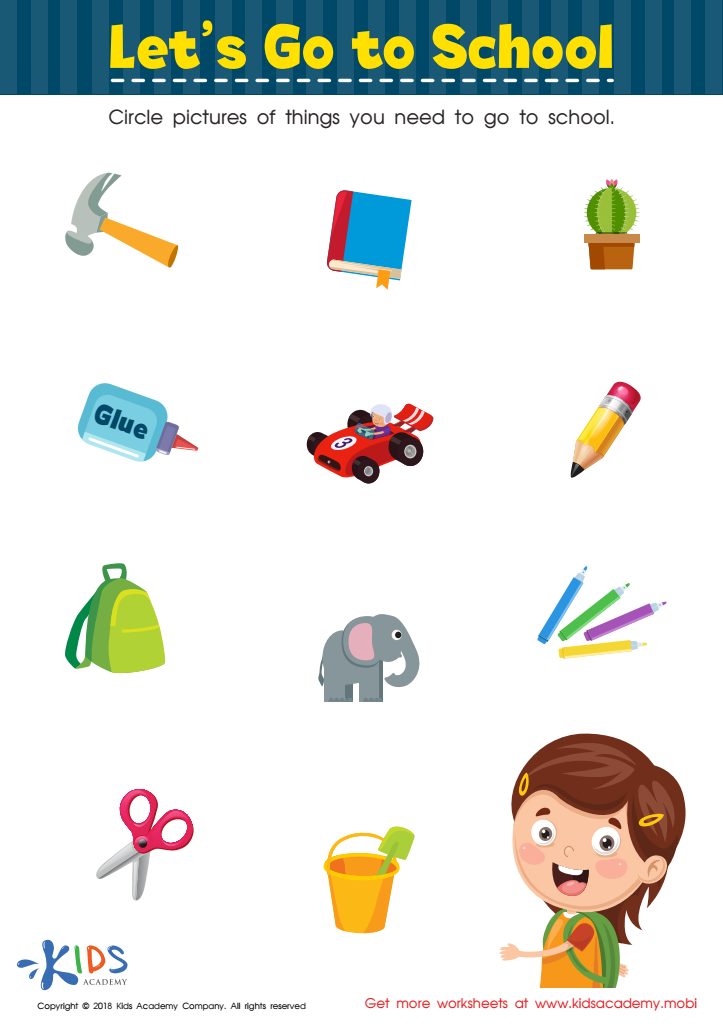
Let's Go to School! Worksheet
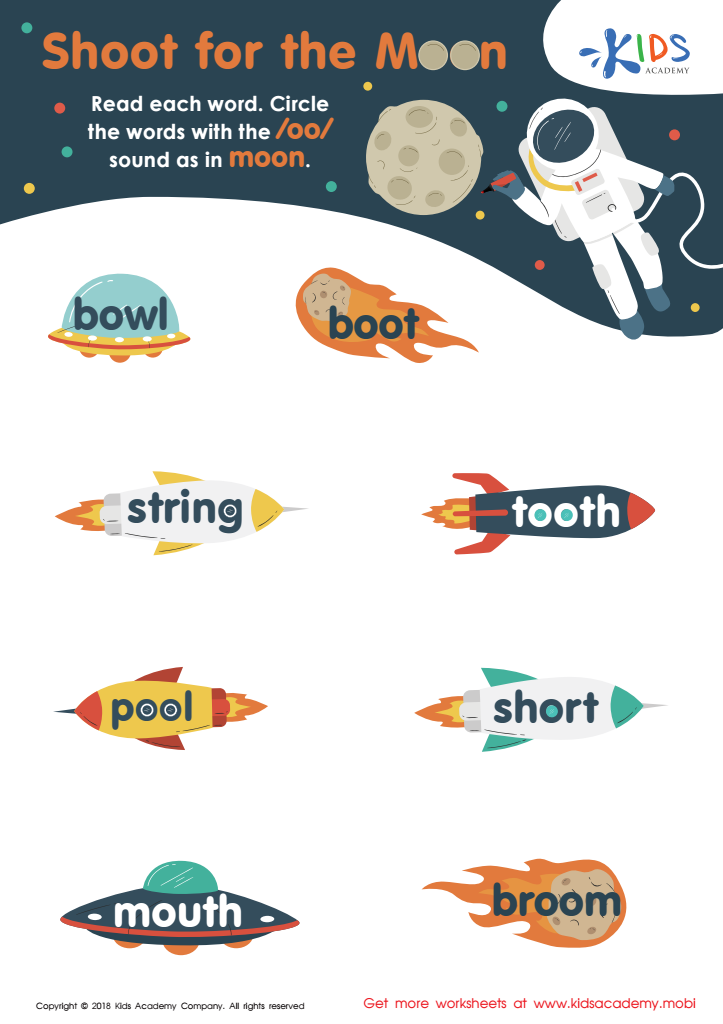
Reading: Shoot for the Moon Worksheet
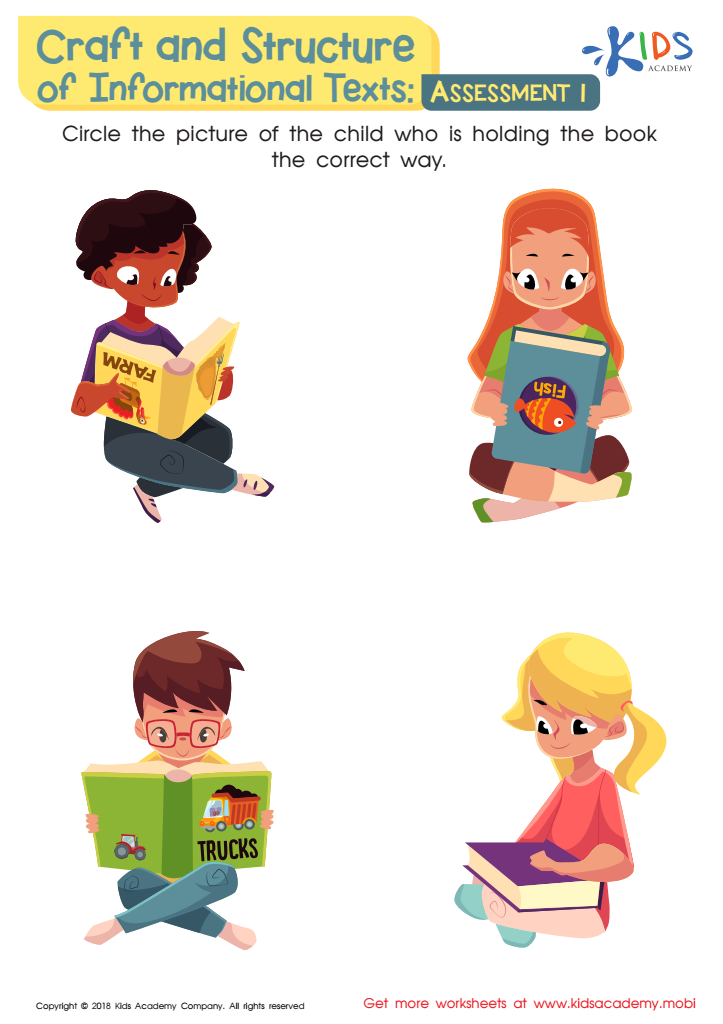
Craft and Structure of Informational Texts: Assessment 1 Worksheet

Turkey Thanksgiving Day Worksheet
 Assign to My Students
The Three Little Pigs Worksheet
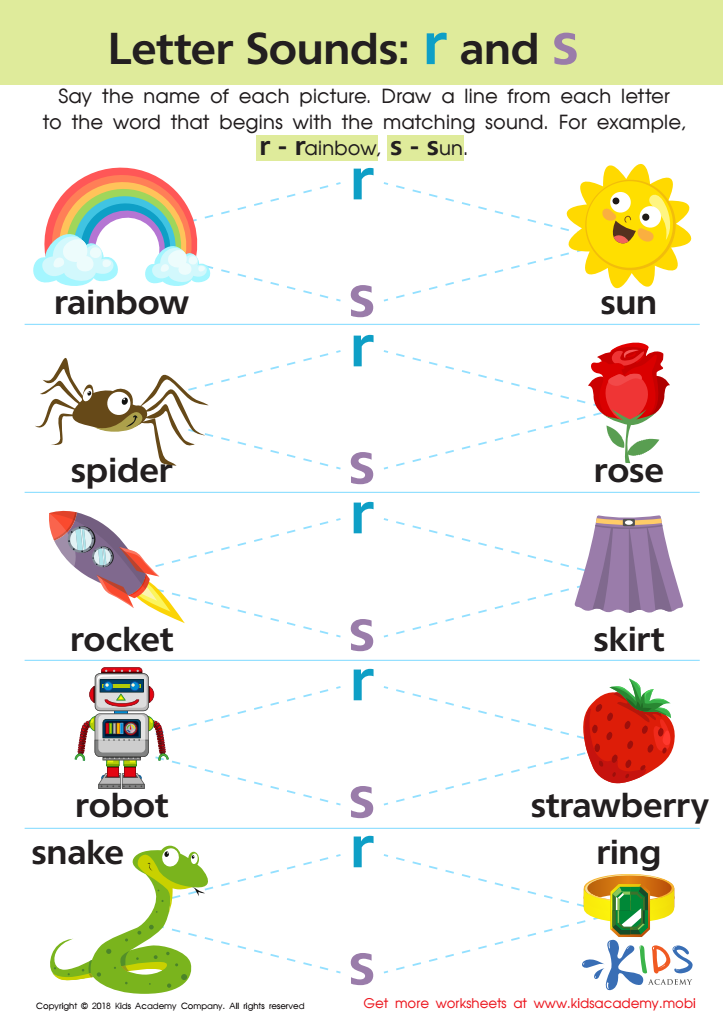
Letter R and S Sounds Worksheet
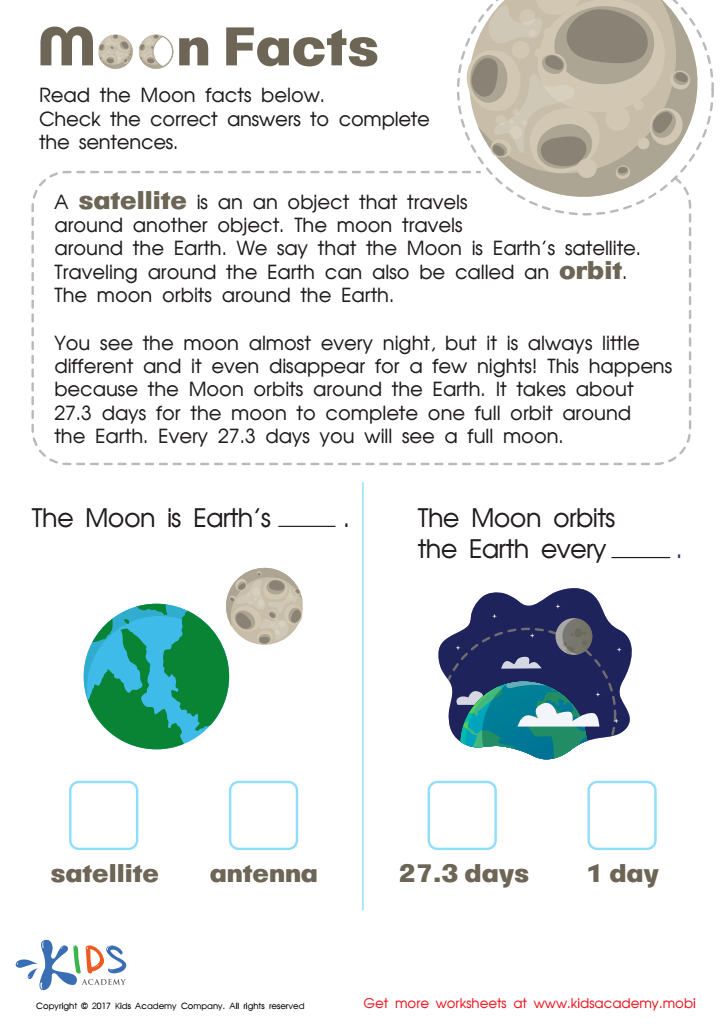
Moon Facts Worksheet
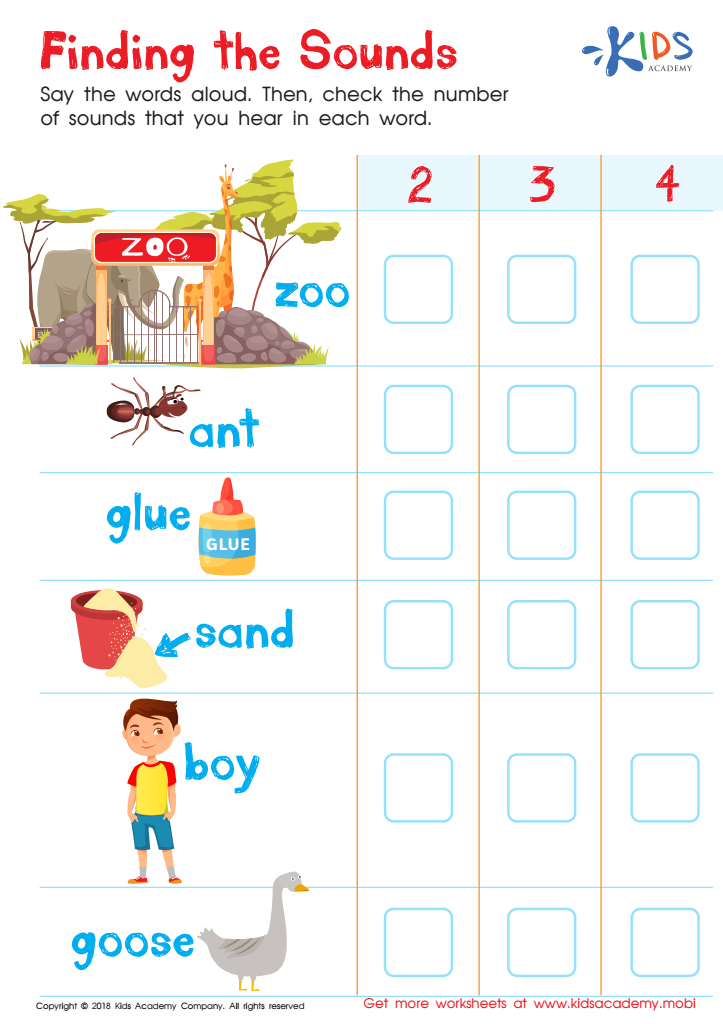
Finding the Sounds Worksheet
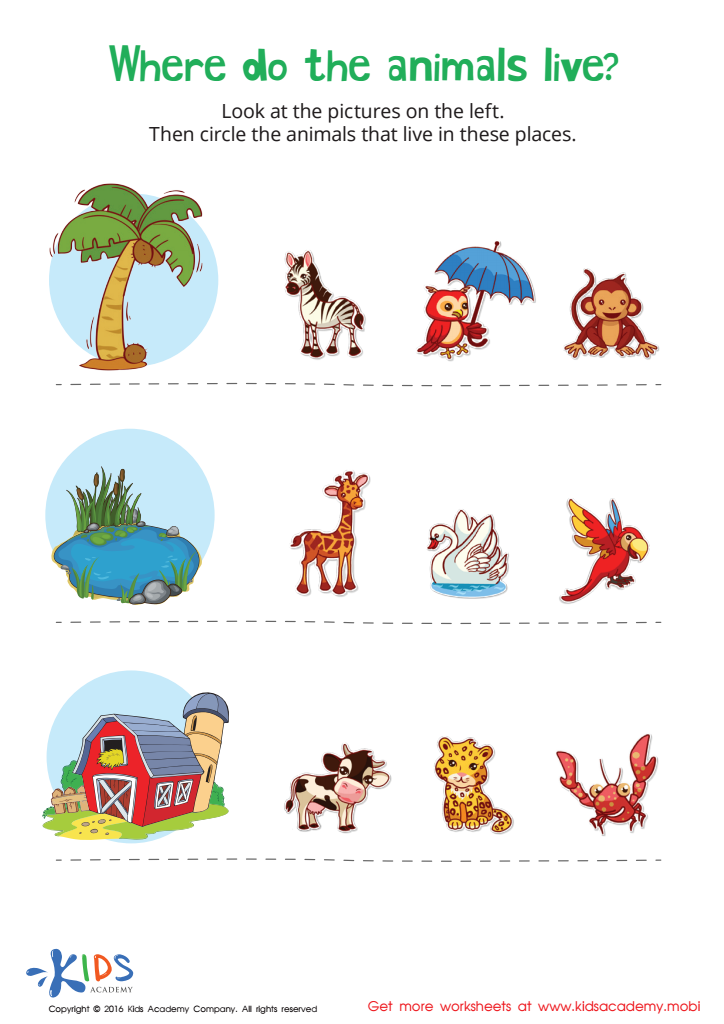
Where Animals Live Worksheet
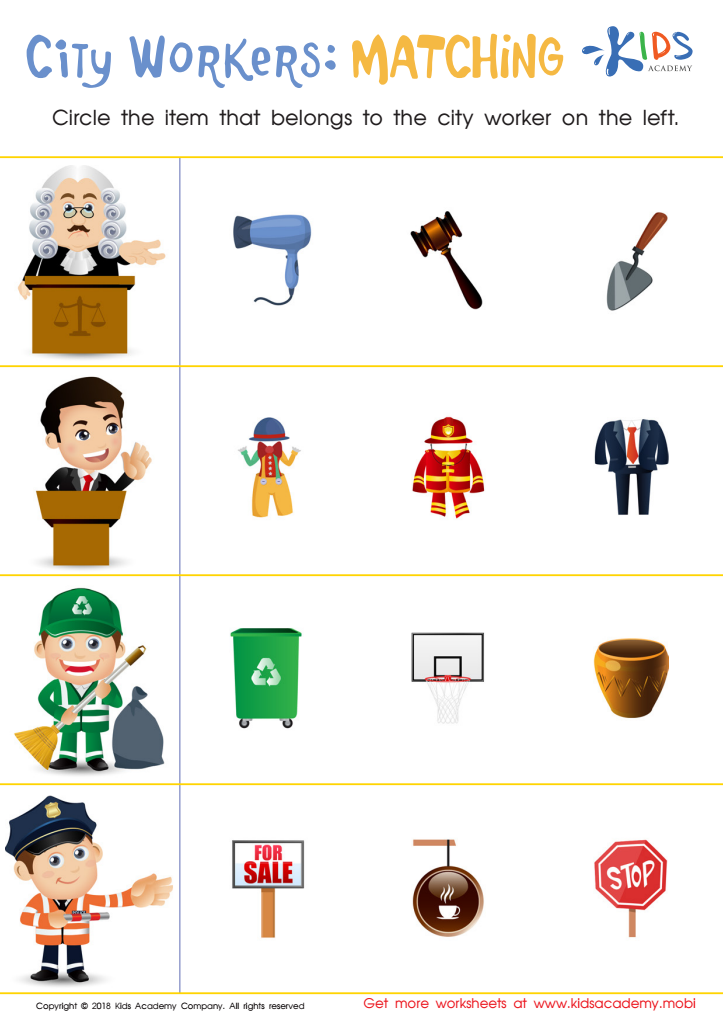
City Workers: Matching Worksheet
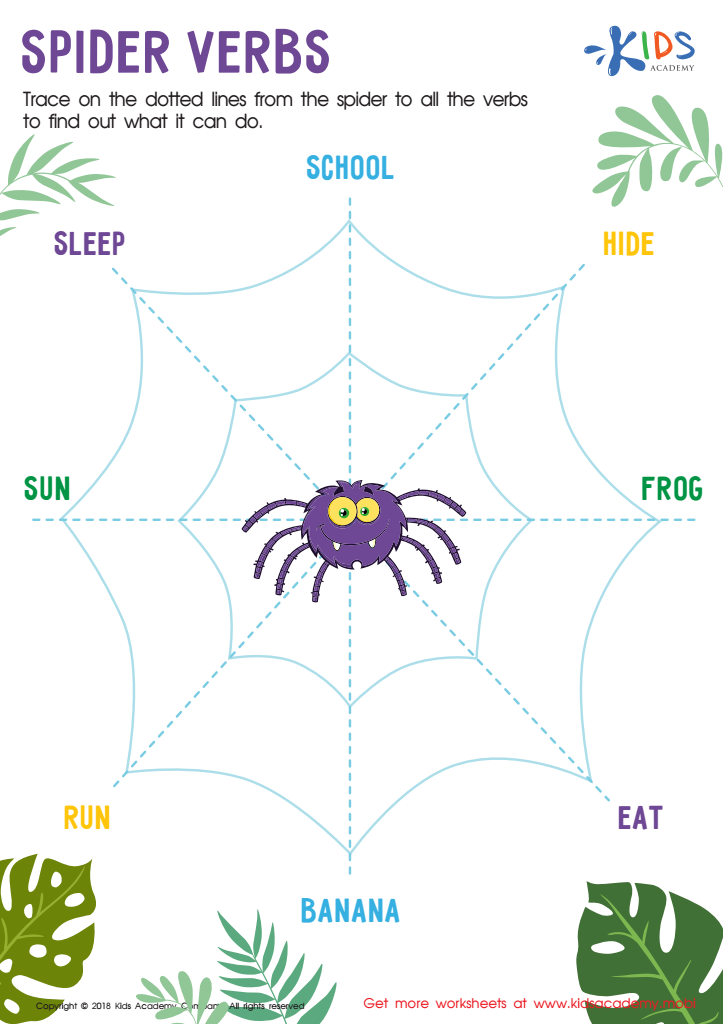
Spider Verbs Worksheet
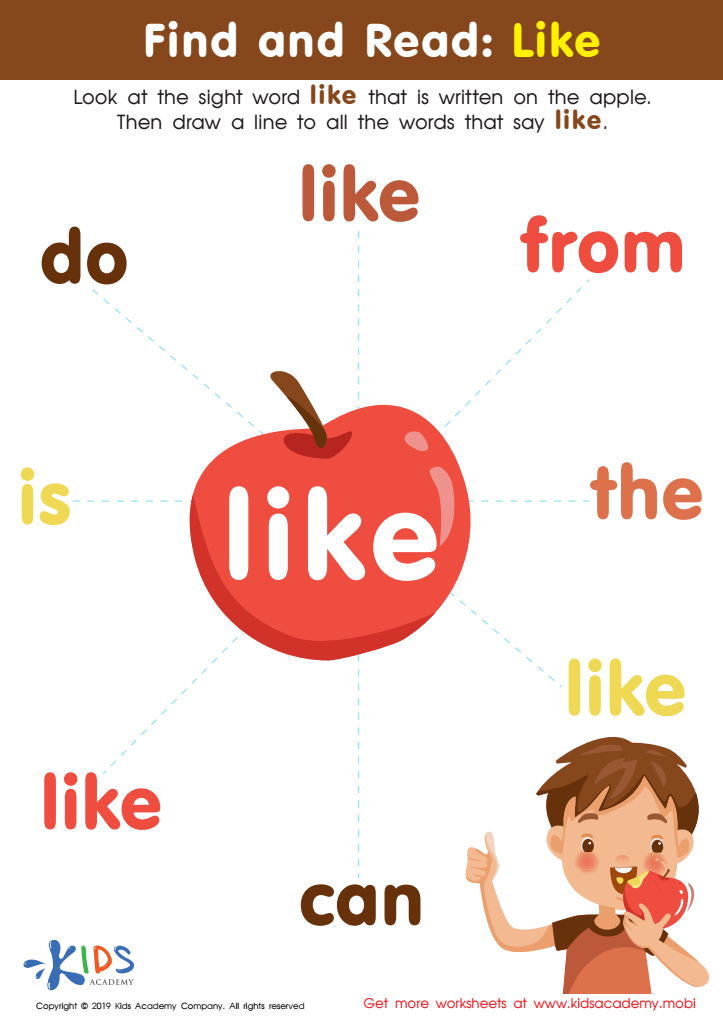
Find and Read: Like Worksheet
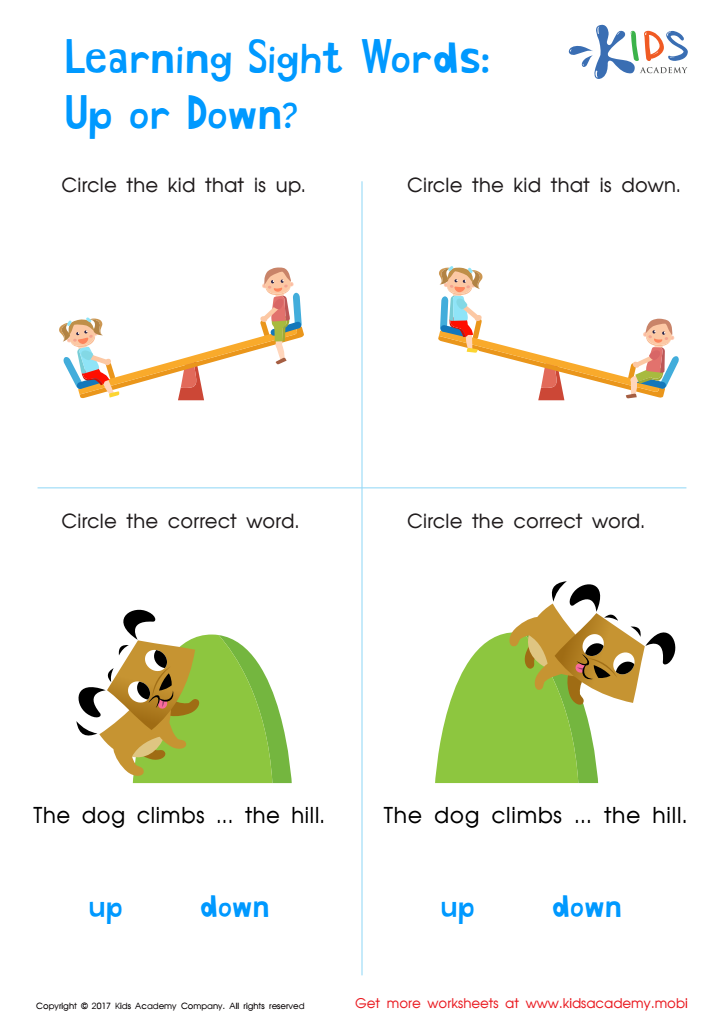
Up or Down Printable Sight Words Worksheet
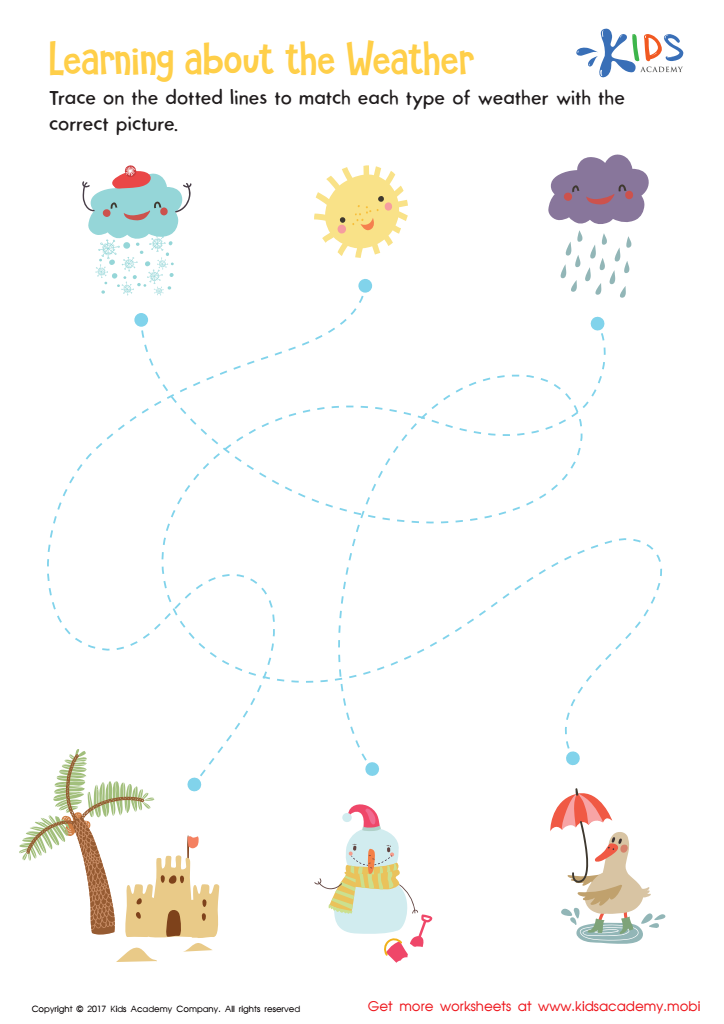
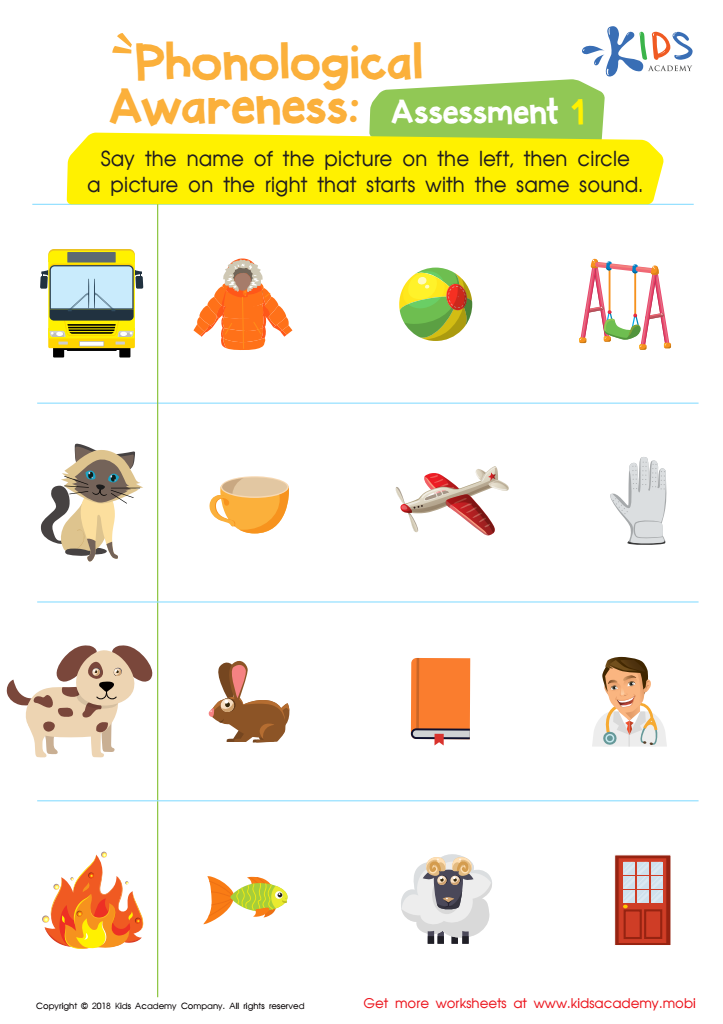
Phonological Awareness: Assessment 1 Worksheet
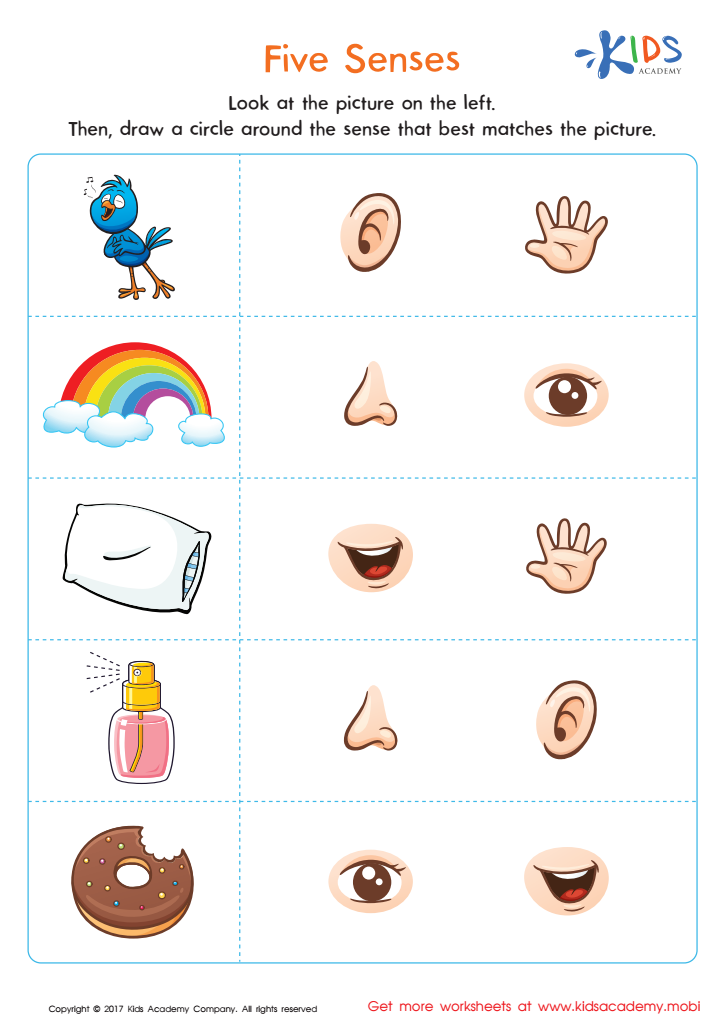
Five Senses Printable
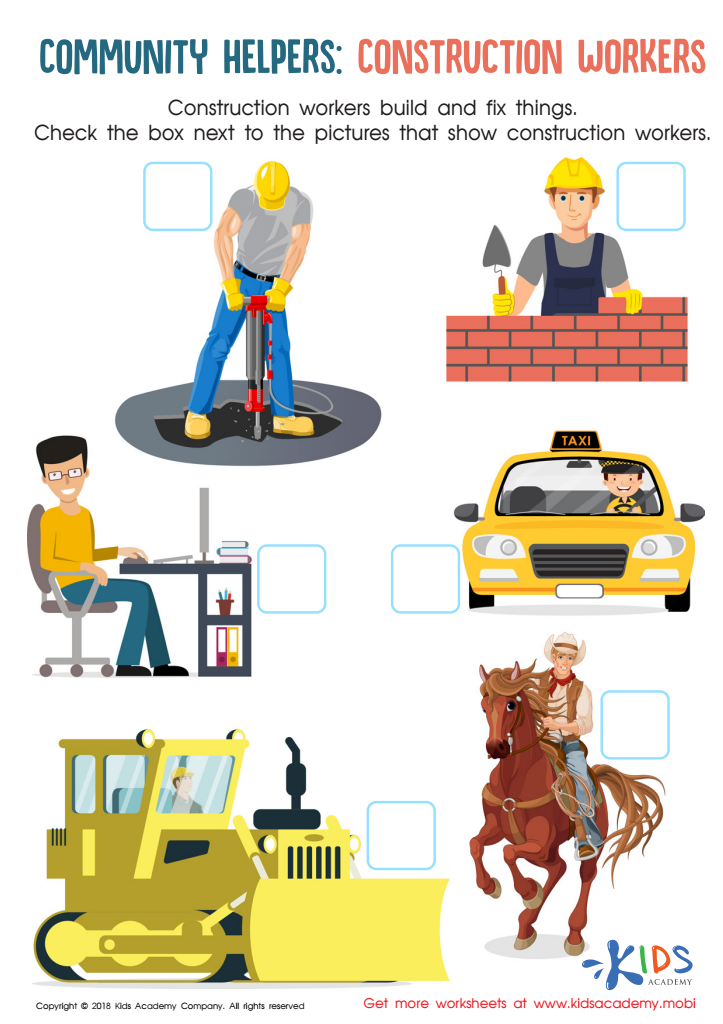
Construction Workers Community Helpers Worksheet
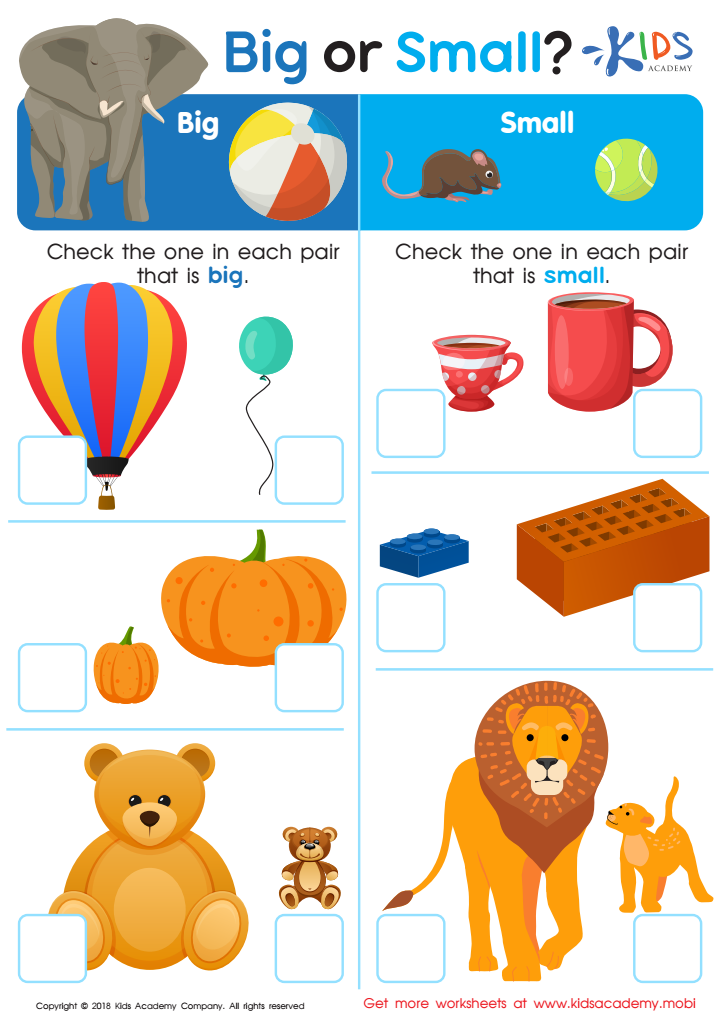
Big or Small? Worksheet
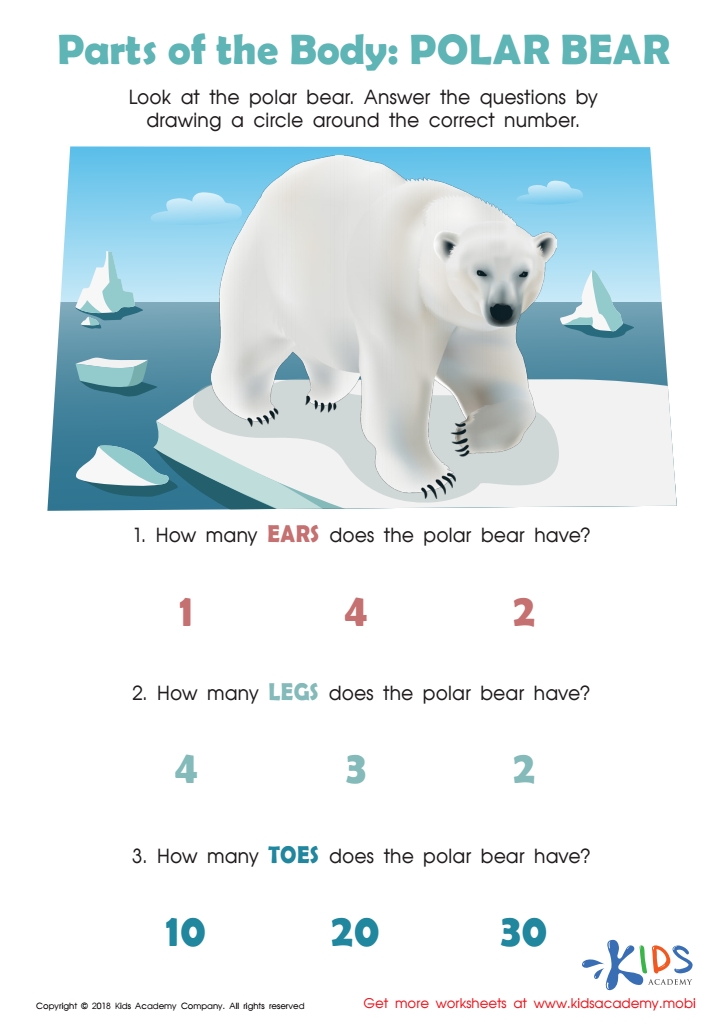
Parts of the Body: Polar Body Worksheet
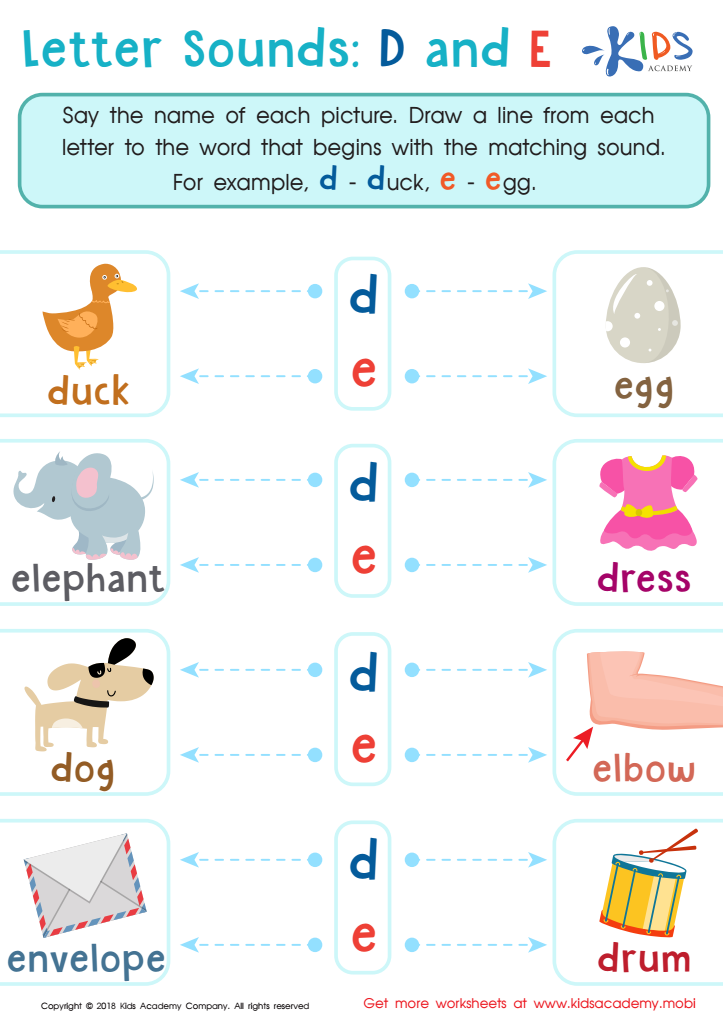
Letter D and E Sounds Worksheet
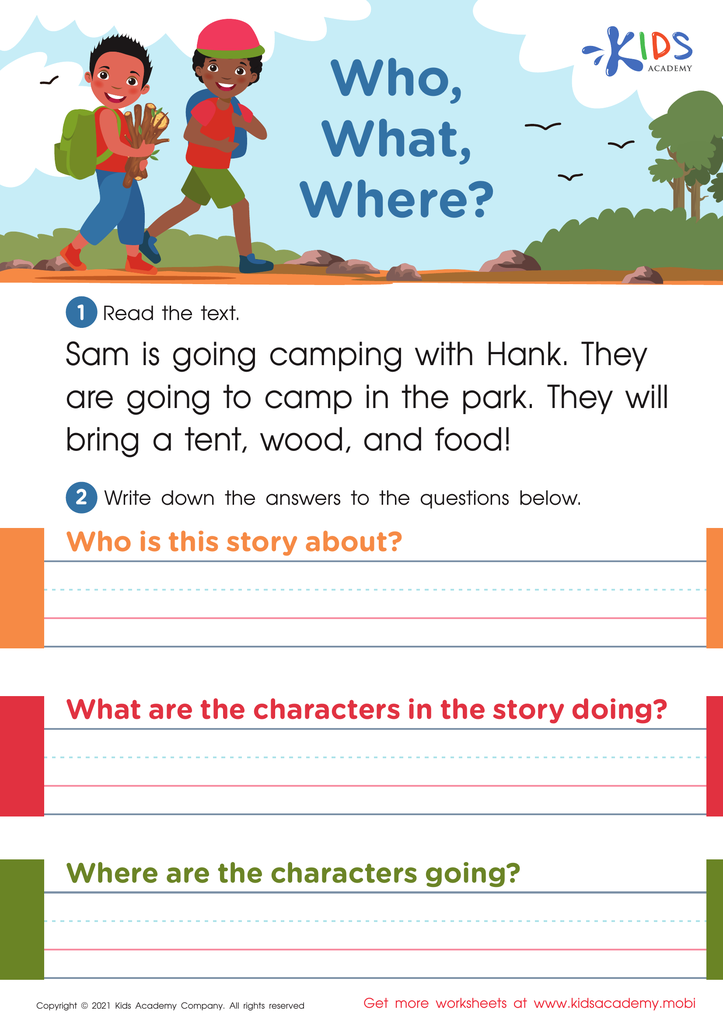
Who, What, Where? Worksheet







Vocabulary development is crucial for children aged 3-7, as it forms the foundation for their literacy and communication skills. During these formative years, children areLanguage simultaneously building their understanding of the world and learning to express it. A rich vocabulary enhances reading comprehension, which is essential for academic success and lifelong learning. When children have a stronger vocabulary, they are better equipped to understand concepts, follow directions, and interact with peers.
Parents and teachers should care about vocabulary development because it significantly impacts social and emotional growth. Children with a well-developed vocabulary can articulate their feelings and needs, facilitating healthier relationships and reducing frustration. Moreover, vocabulary exposure models effective communication, encouraging children to engage in conversations and express themselves creatively.
Furthermore, vocabulary is linked to cognitive development. Children learn to categorize ideas, think critically, and solve problems when they encounter and understand new words. By emphasizing vocabulary development through reading, playful conversations, and vocabulary-rich activities, parents and teachers can foster an environment where children thrive academically and socially. Investing in early vocabulary building sets a trajectory for children to become confident and articulate individuals ready to navigate complex ideas and engage with the world around them.








