Fine Motor Skills Logic and Early Math Worksheets for Ages 3-7
5 filtered results
-
From - To
Discover our engaging Fine Motor Skills Logic and Early Math Worksheets designed for children ages 3-7! These thoughtfully crafted activities not only promote the development of essential fine motor skills but also introduce early math concepts in a fun and interactive way. Young learners will practice their hand-eye coordination and dexterity while completing puzzles, tracing, and sorting exercises. Each worksheet fosters critical thinking and problem-solving abilities, laying a strong foundation for future academic success. Perfect for classrooms or at-home learning, our resources are tailored to keep children excited and motivated. Start nurturing your child's fine motor skills and math readiness today!

Trumpeter Maze Worksheet

Superman Maze Worksheet
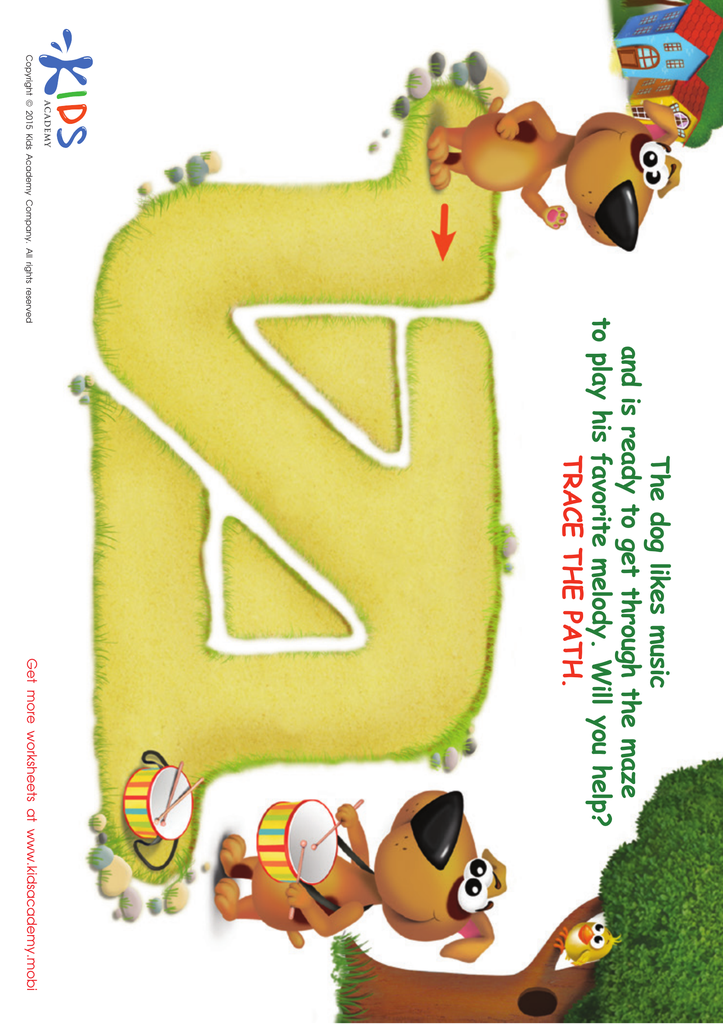
Drummer Maze Worksheet

Artist Maze Worksheet

Tennis Player Maze Worksheet








Fine motor skills and early math concepts are critical components of a child's development, particularly for ages 3-7. Fine motor skills involve the coordination of small muscles to perform tasks such as gripping, pinching, and writing. These skills are foundational for everyday activities like drawing, cutting, and eventually typing, all of which foster academic success and self-sufficiency. As children manipulate objects, draw shapes, or use scissors, they build the dexterity necessary for more complex tasks.
On the other hand, early math skills—like counting, sorting, and recognizing patterns—are equally important. Research shows that a child's competence in mathematics by the end of kindergarten significantly predicts their future success in math and literacy. Integrating fine motor activities with early math concepts can enhance cognitive development; for example, threading beads can help with both counting and fine motor refinement.
By supporting the development of fine motor skills and early math understanding, parents and teachers equip children with key tools for problem-solving and critical thinking. These skills not only promote academic achievement but also boost children's confidence and encourage a lifelong love of learning. Therefore, investing time in these foundational areas can set the stage for a child’s overall cognitive and social development.