



%20(1).jpg)



Animal recognition and basic addition, such as adding up to five, are essential skills for children aged 3-7. Parents and teachers should prioritize these concepts for several reasons. Firstly, recognizing animals helps children develop observation and categorization skills, enhancing their cognitive development. Understanding different animals also introduces children to the natural world, fostering empathy and care for living creatures.
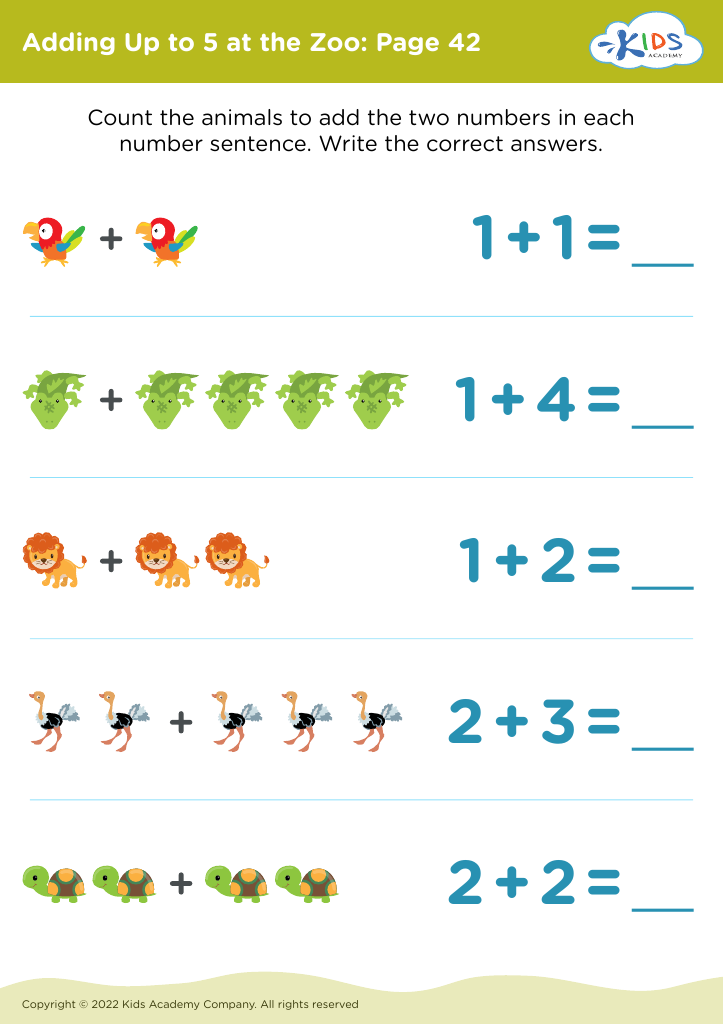
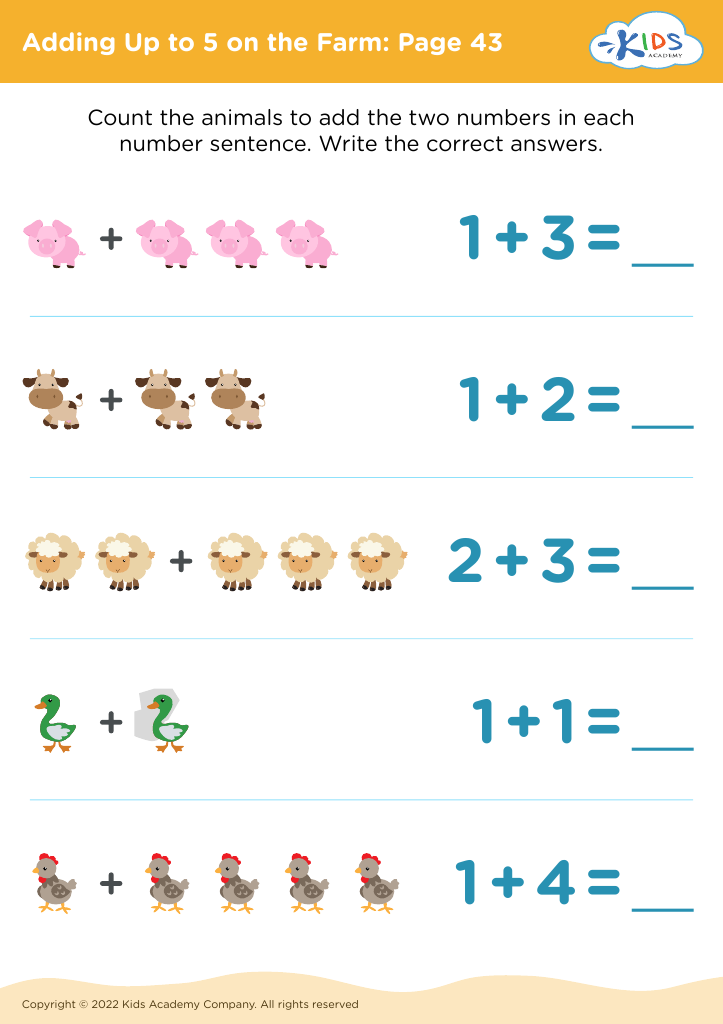
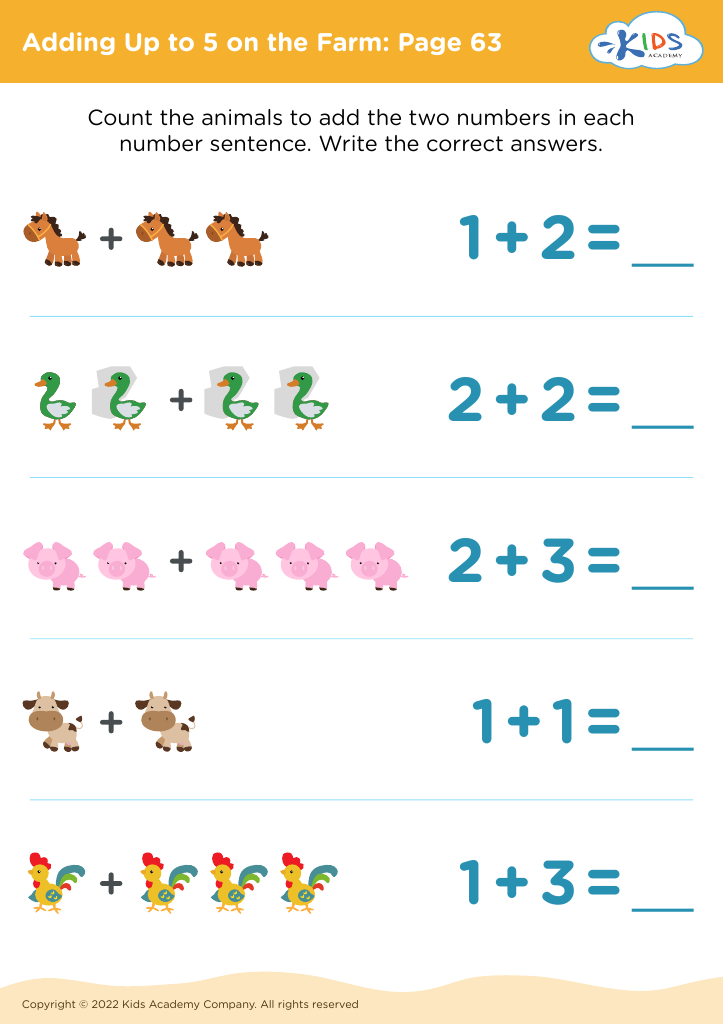
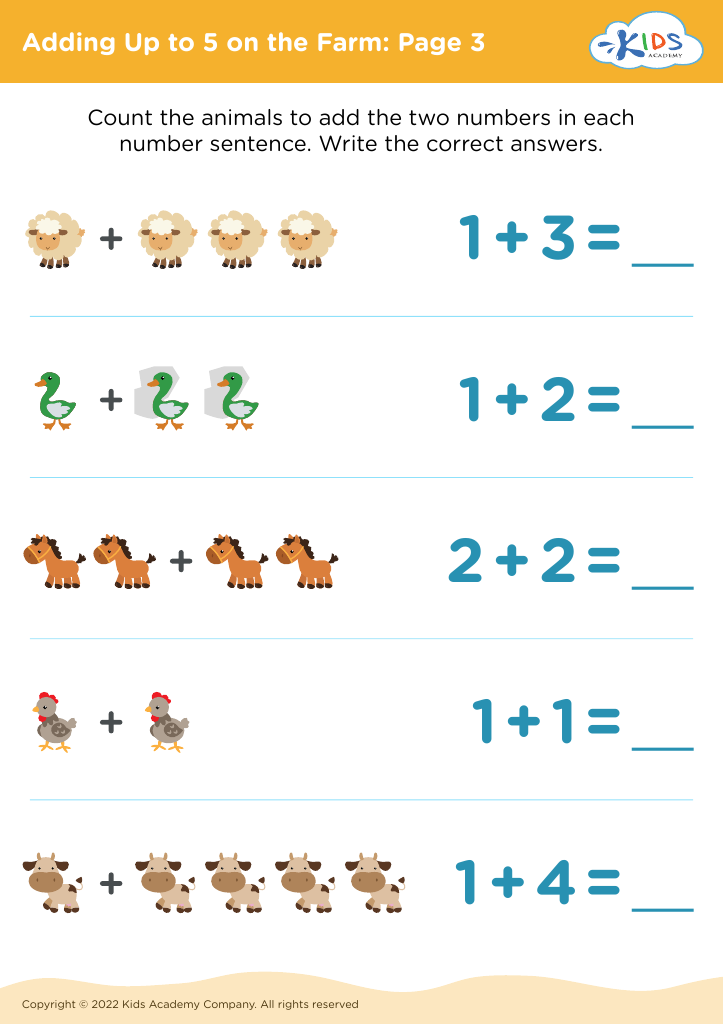
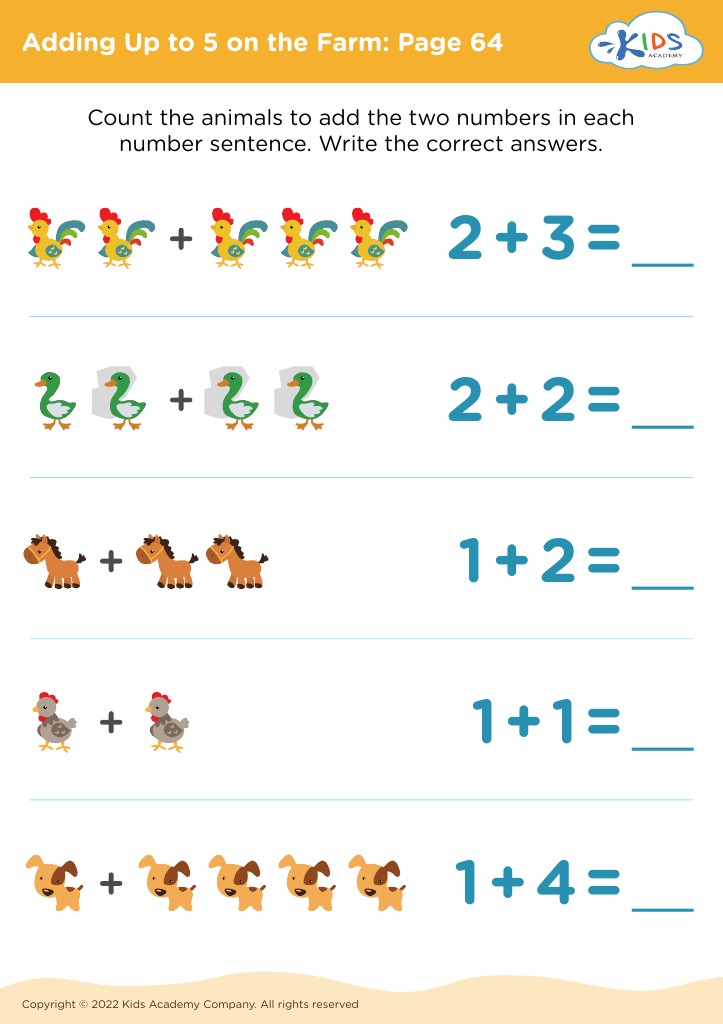
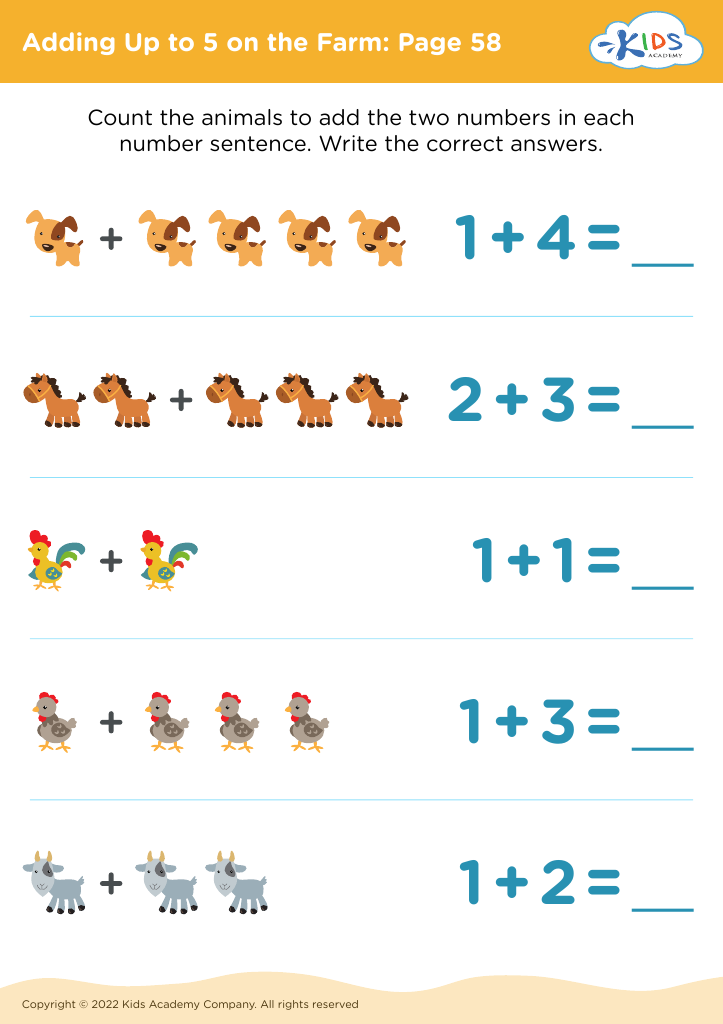
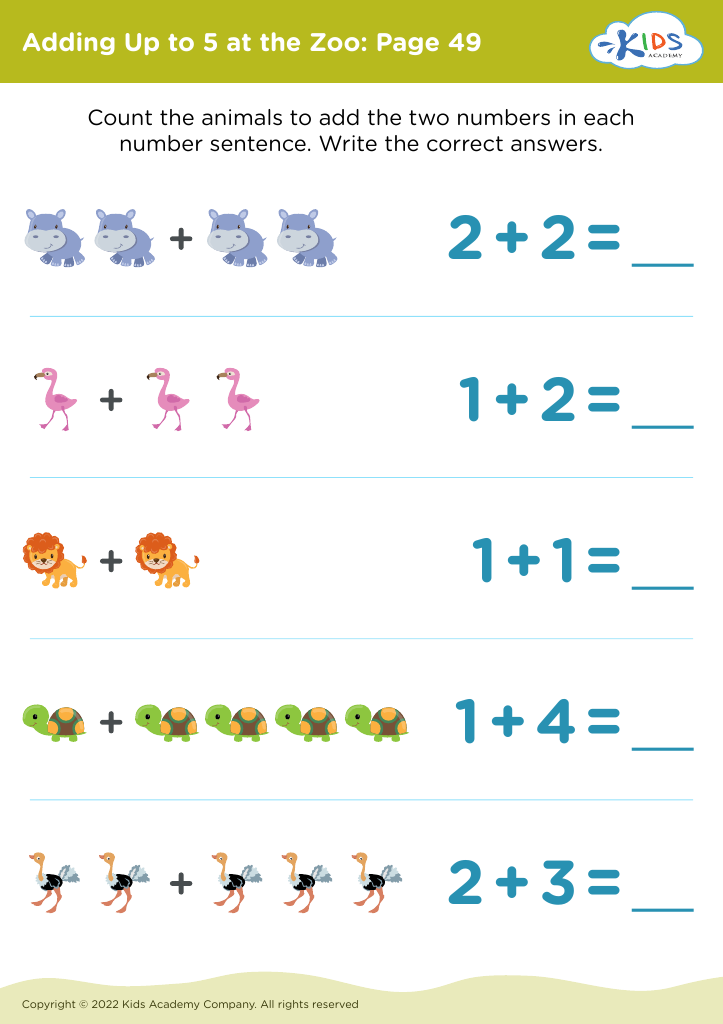
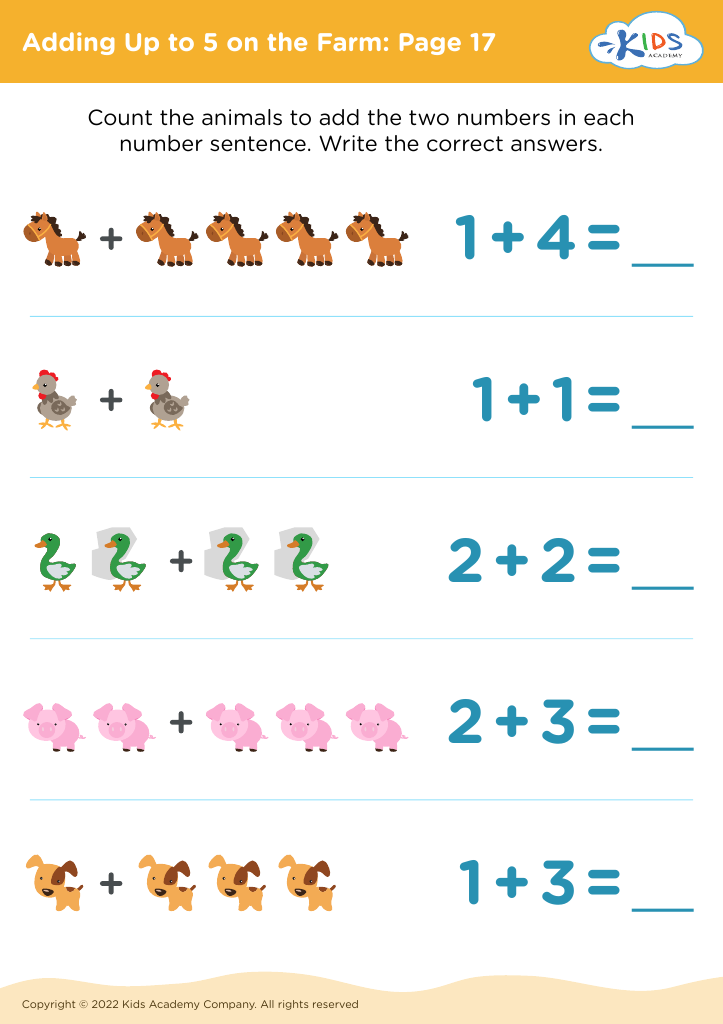
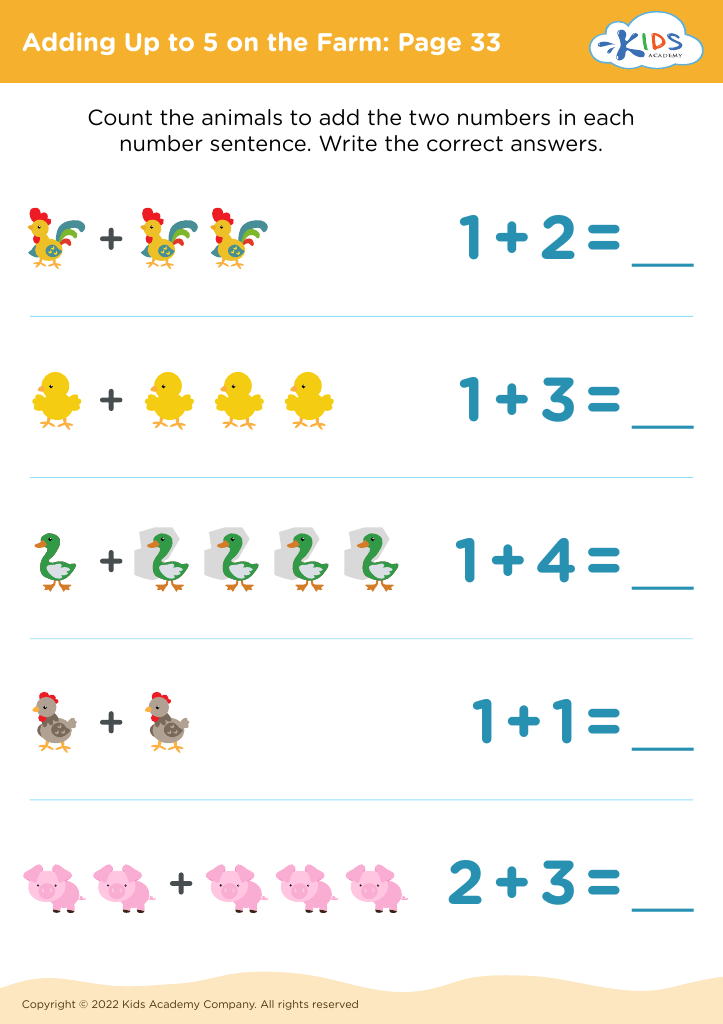
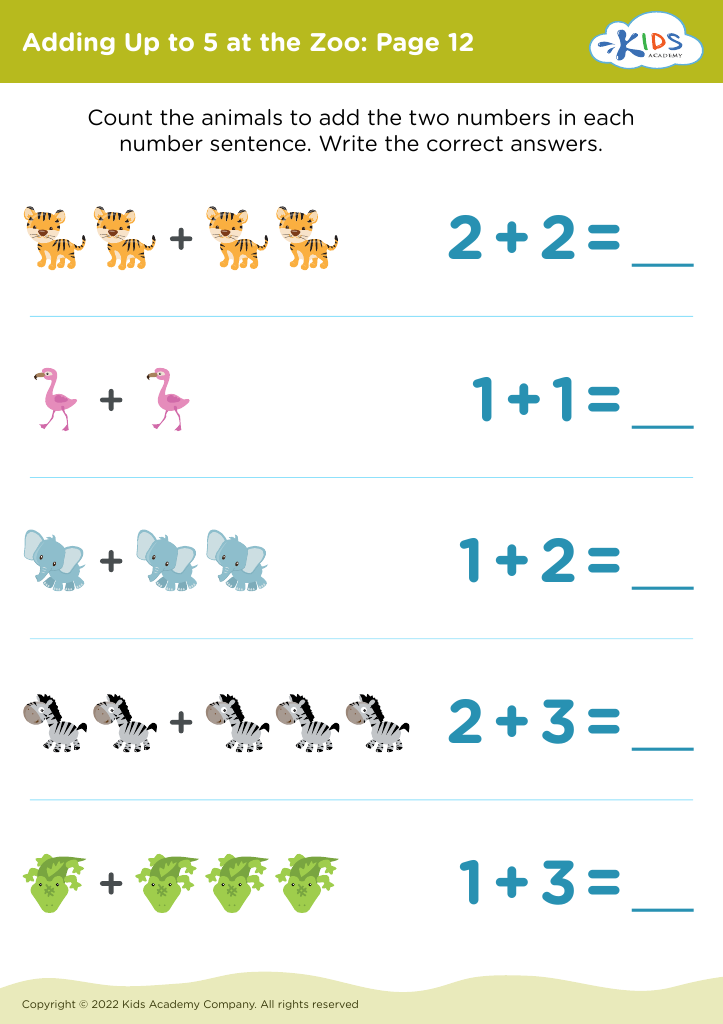
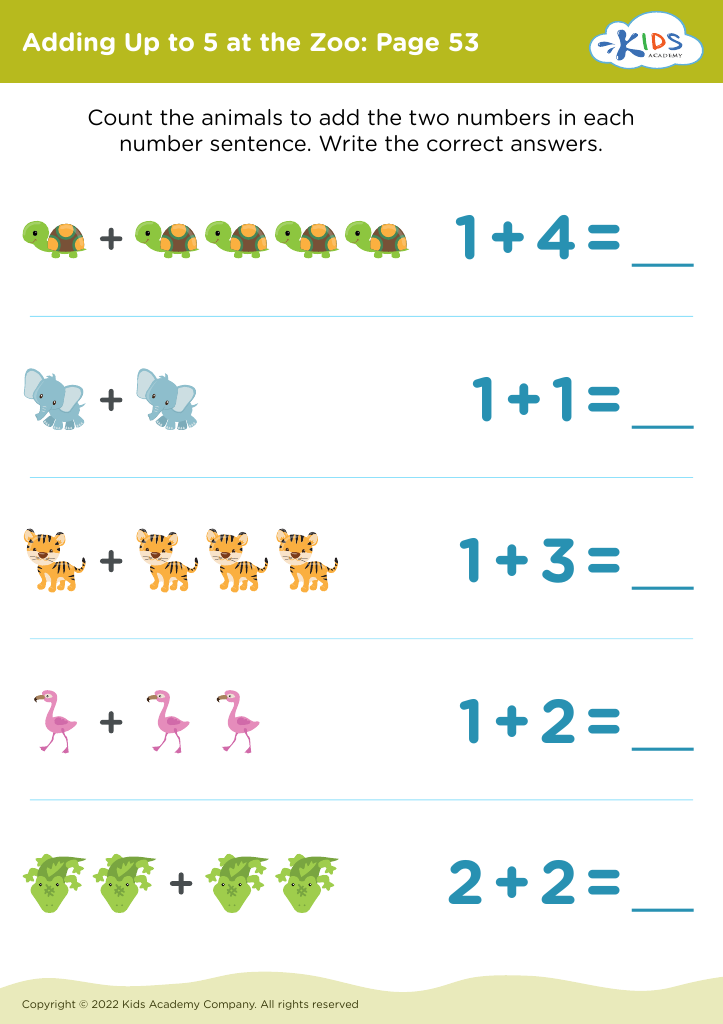
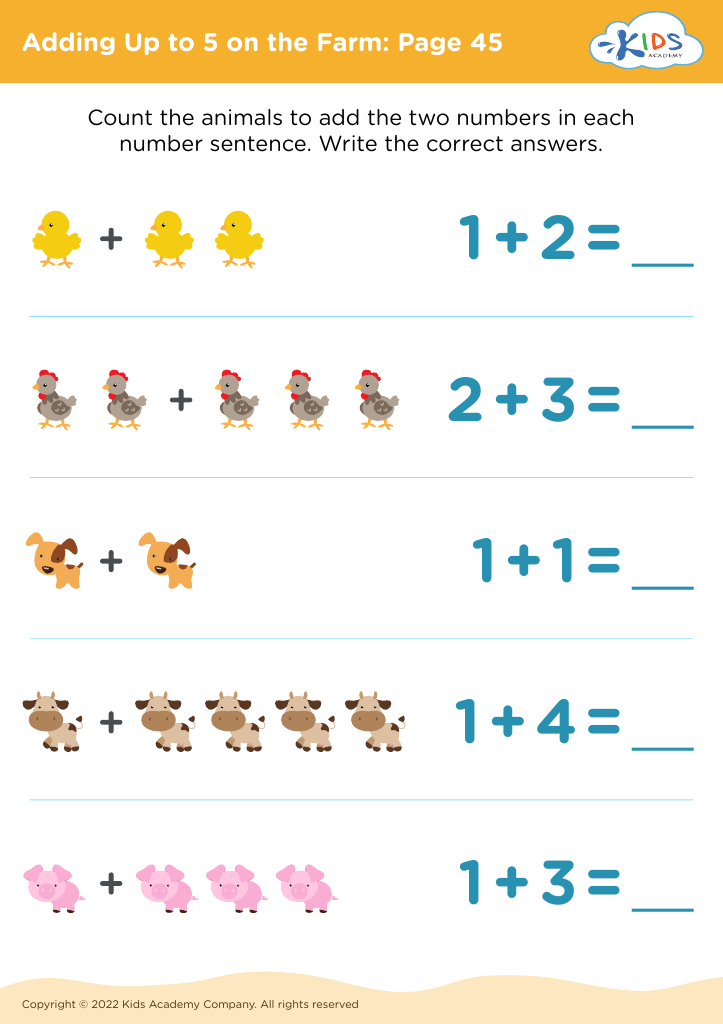
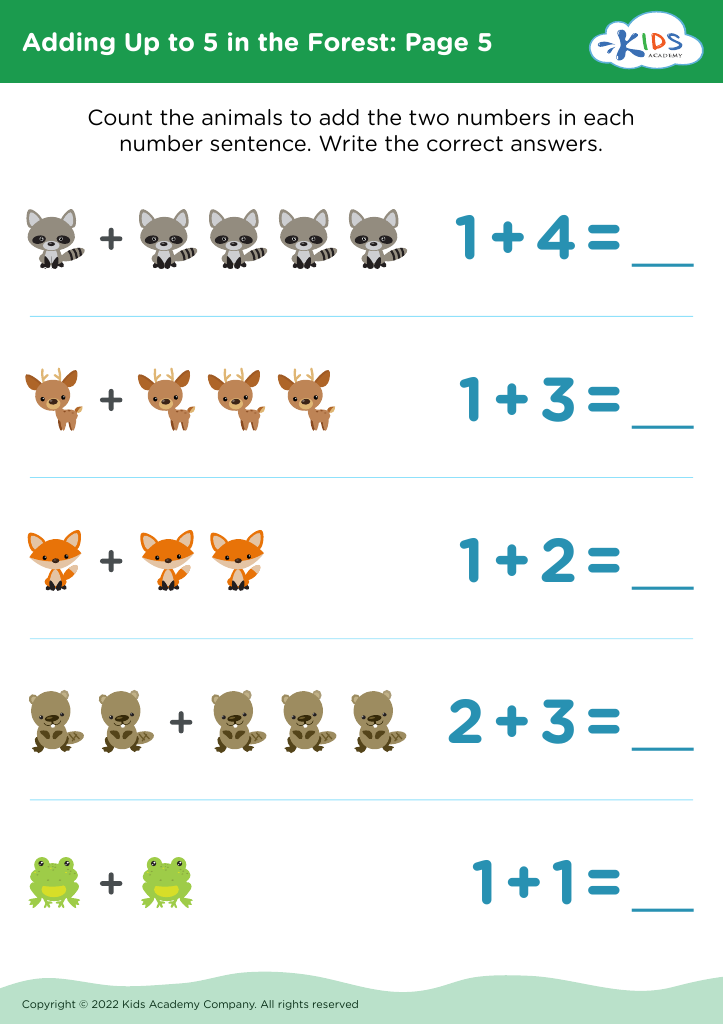
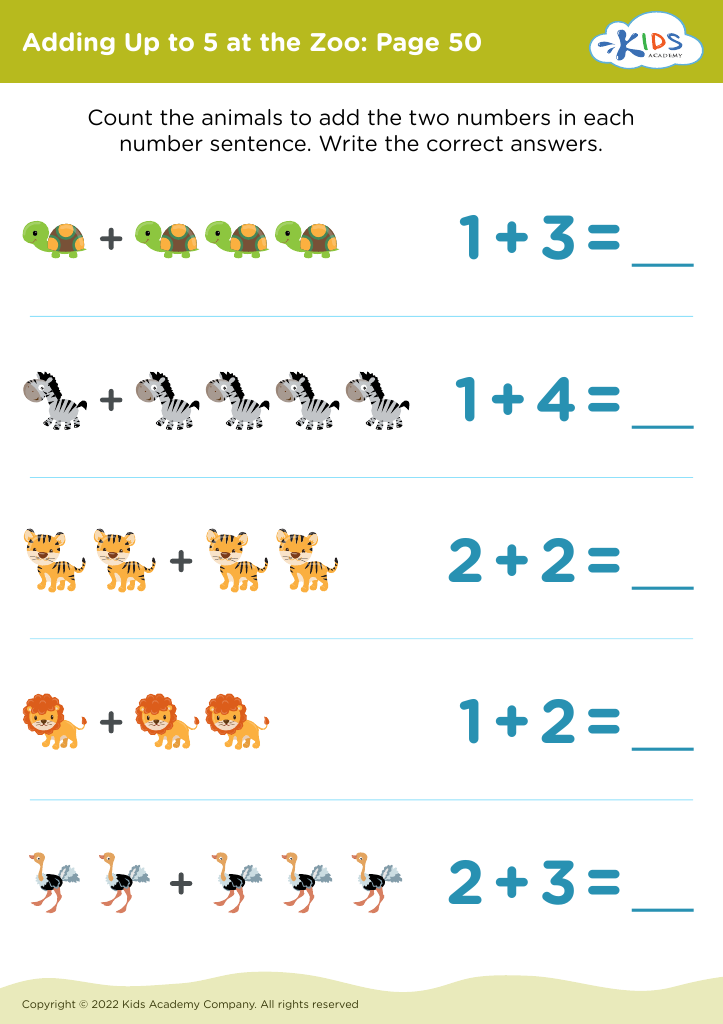
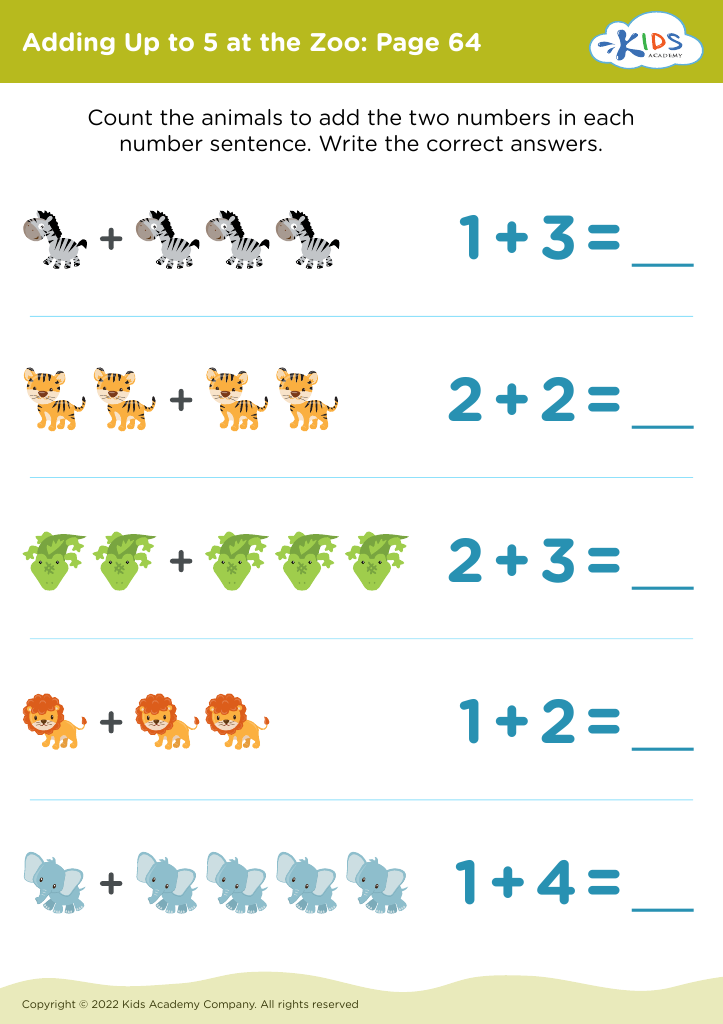
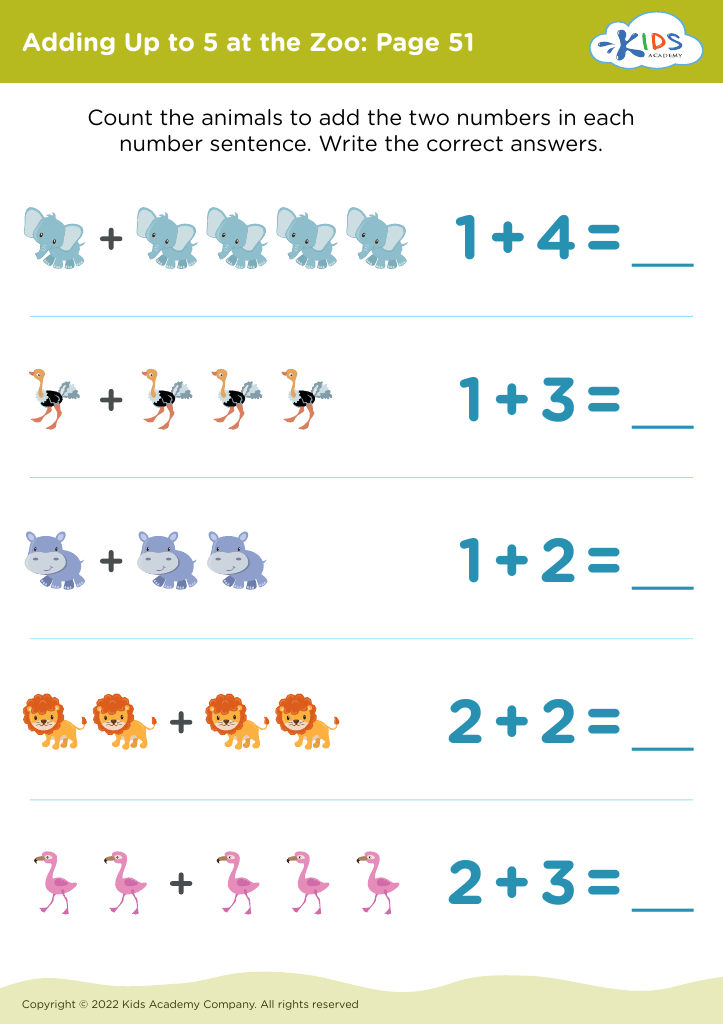
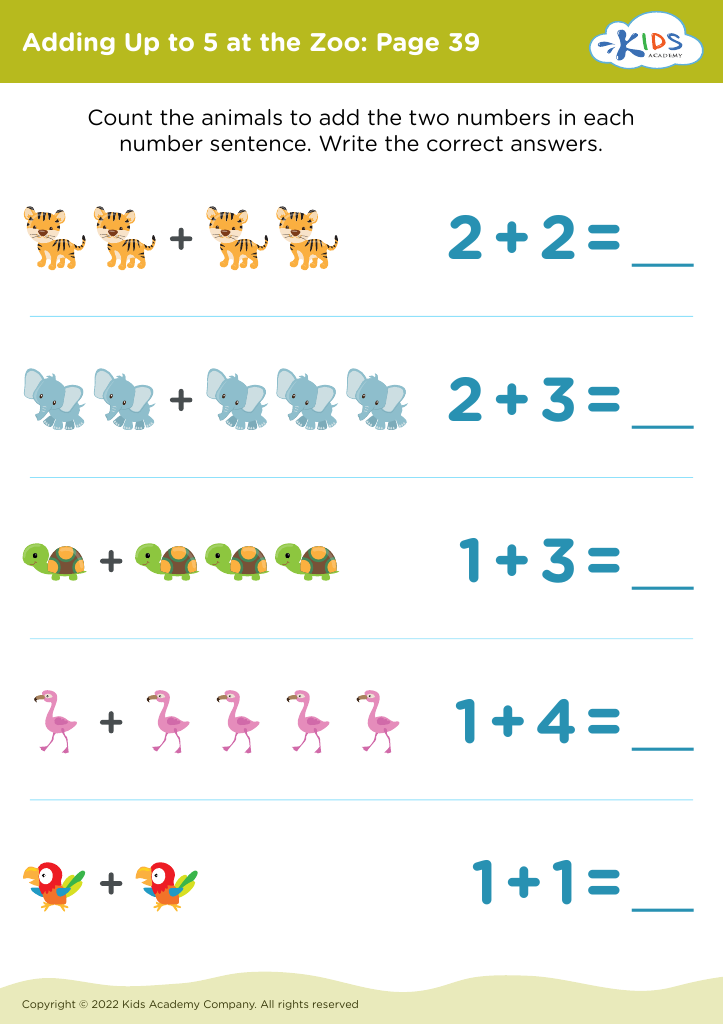
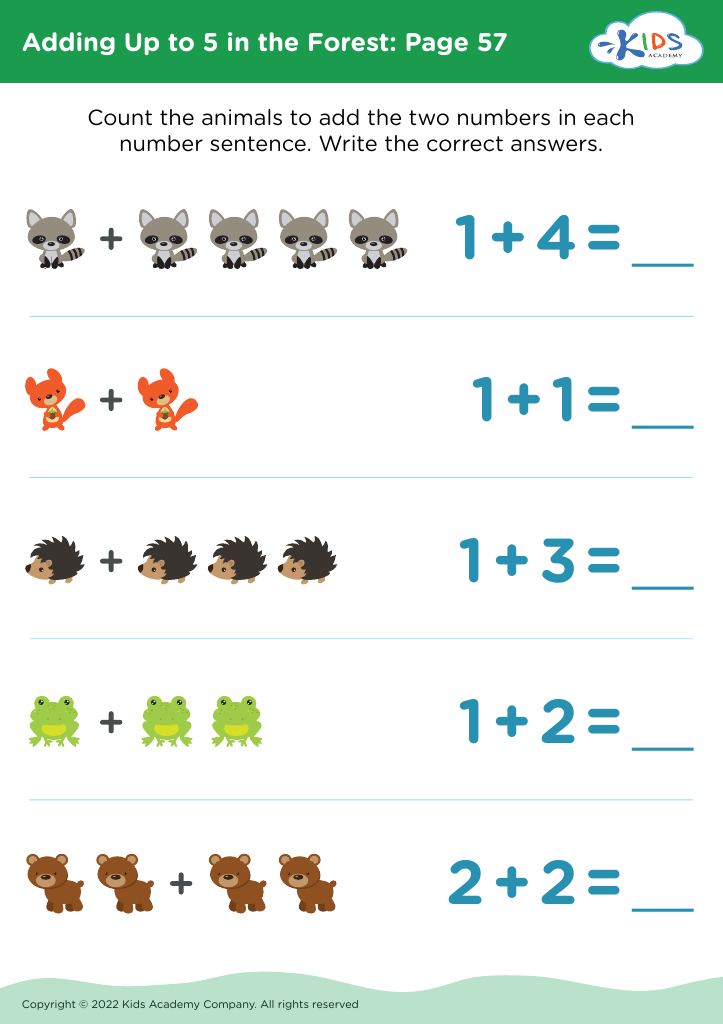
Additionally, linking animal recognition with basic math concepts helps create a playful learning environment. When children count animals, they engage with numbers in a tangible and relatable way, promoting early mathematical skills. This hands-on approach makes learning enjoyable, increasing motivation and retention.
Furthermore, these activities often integrate opportunities for language development. By naming animals and describing their characteristics, children expand their vocabulary and communication skills.
Lastly, encouraging recognition of animals and basic addition prepares children for future academic success. Mastering these early skills builds a solid foundation for more complex subjects, including science and mathematics, as they progress.
Overall, the combination of animal recognition and foundational math creates a well-rounded educational experience that promotes curiosity, critical thinking, and a positive attitude toward learning, which are all vital traits as children grow.








