Basic Math Skills Addition & Subtraction Worksheets for Ages 3-7 - Page 3
95 filtered results
-
From - To
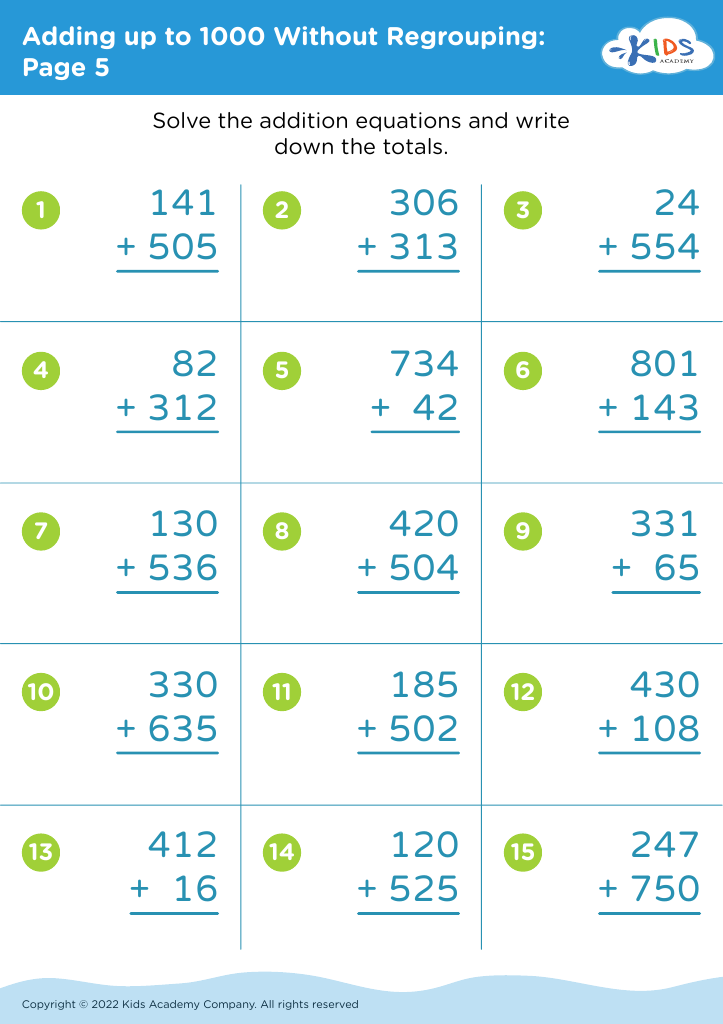
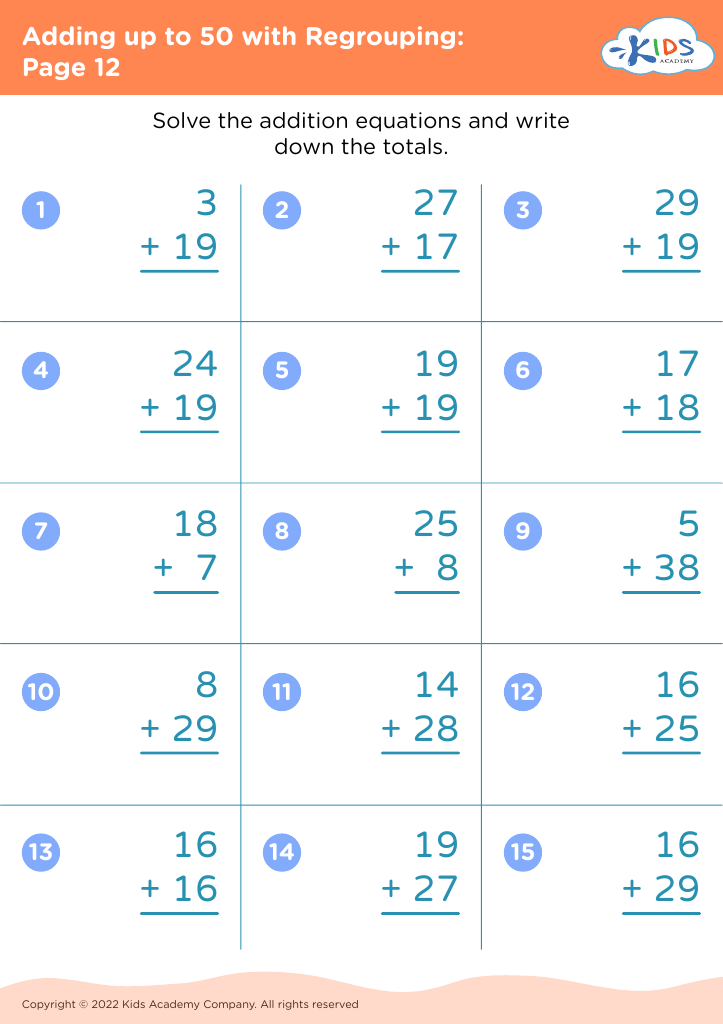
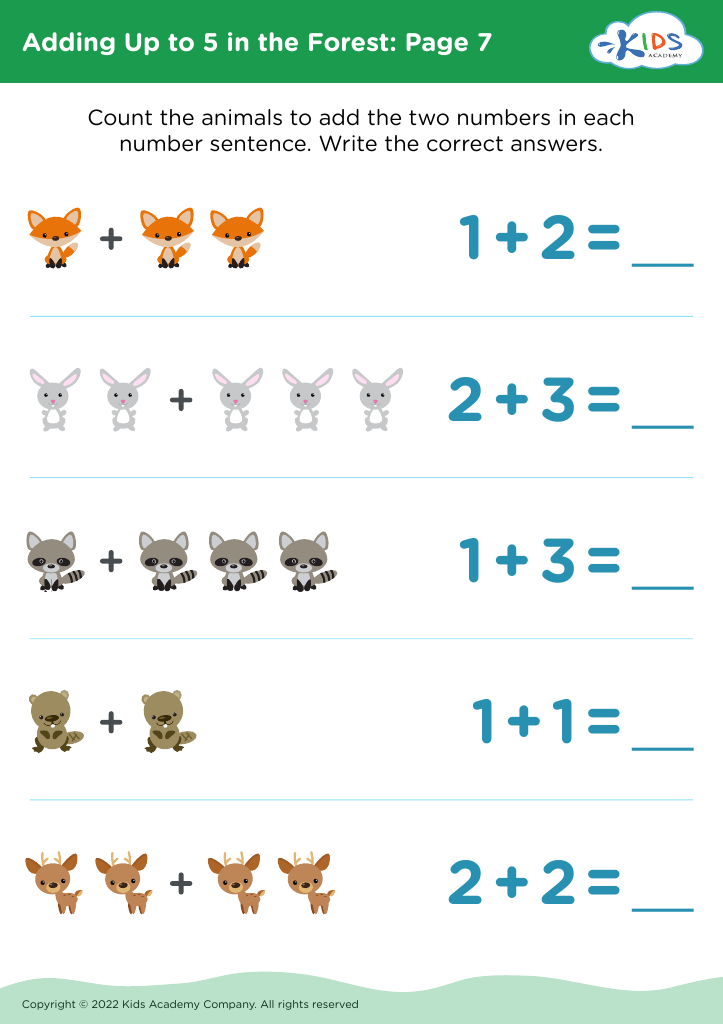
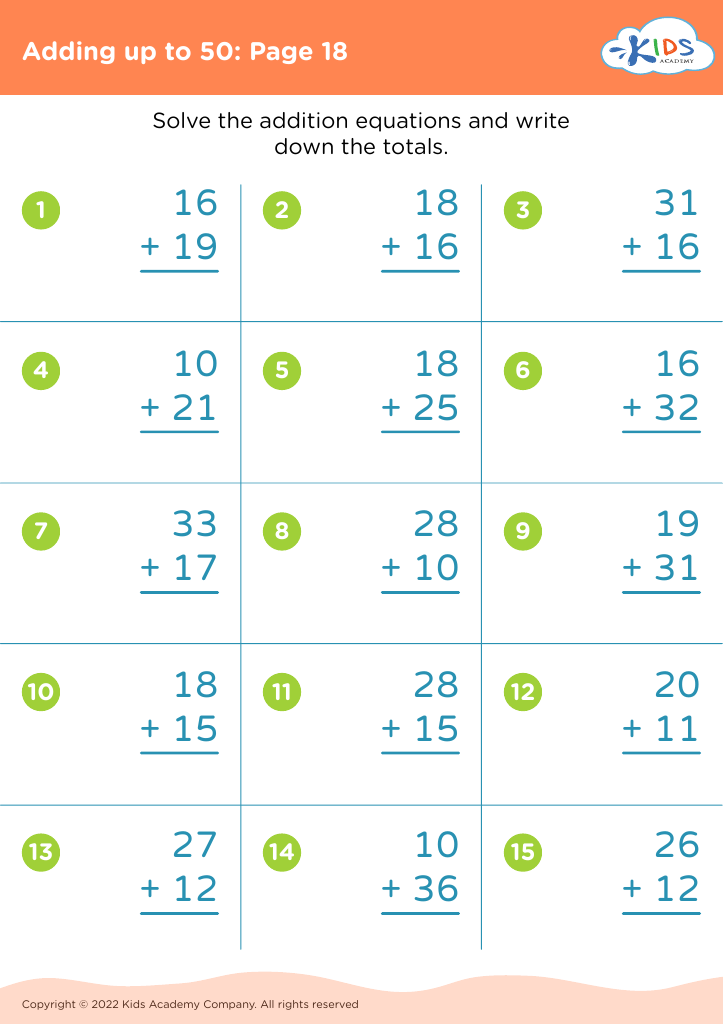
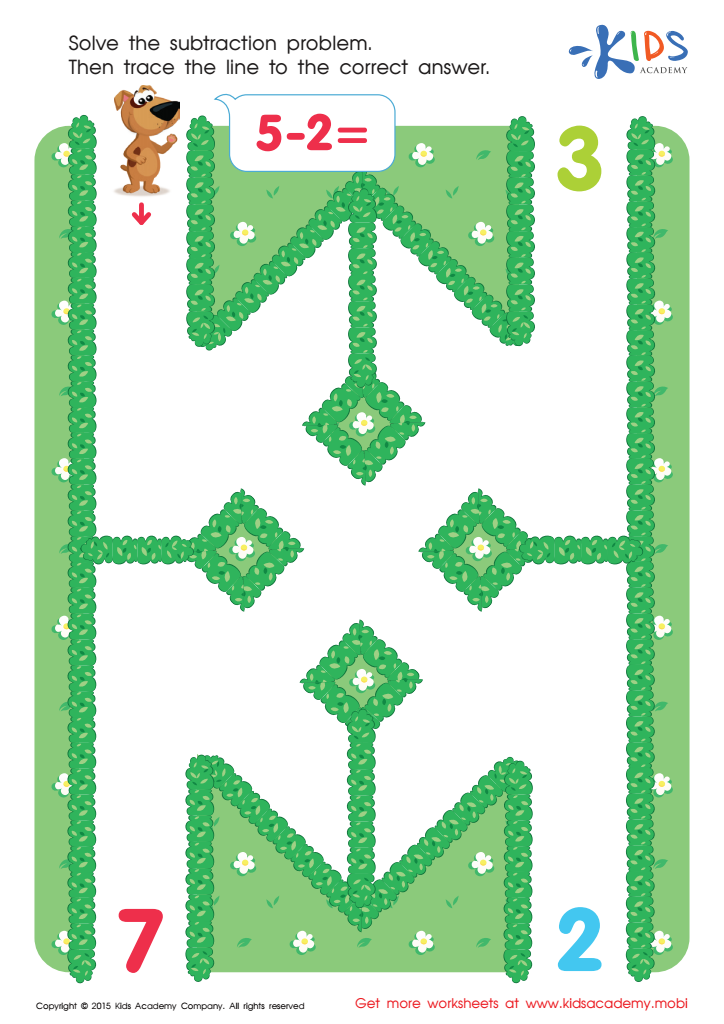
Five Minus Two Worksheet
 Assign to My Students
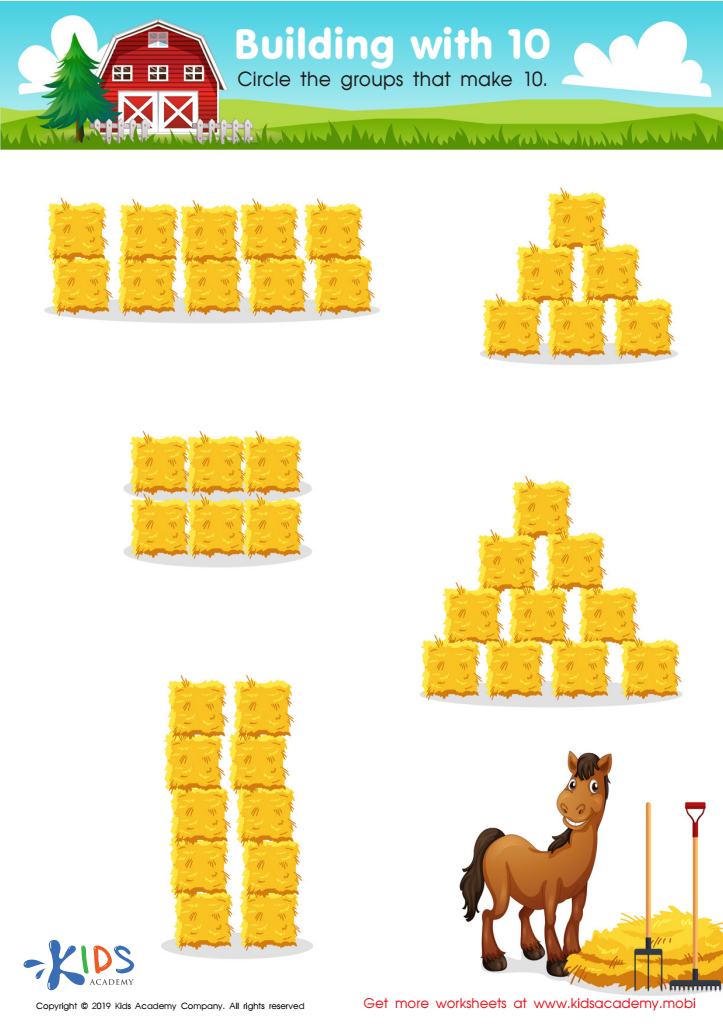
Building with 10 Worksheet
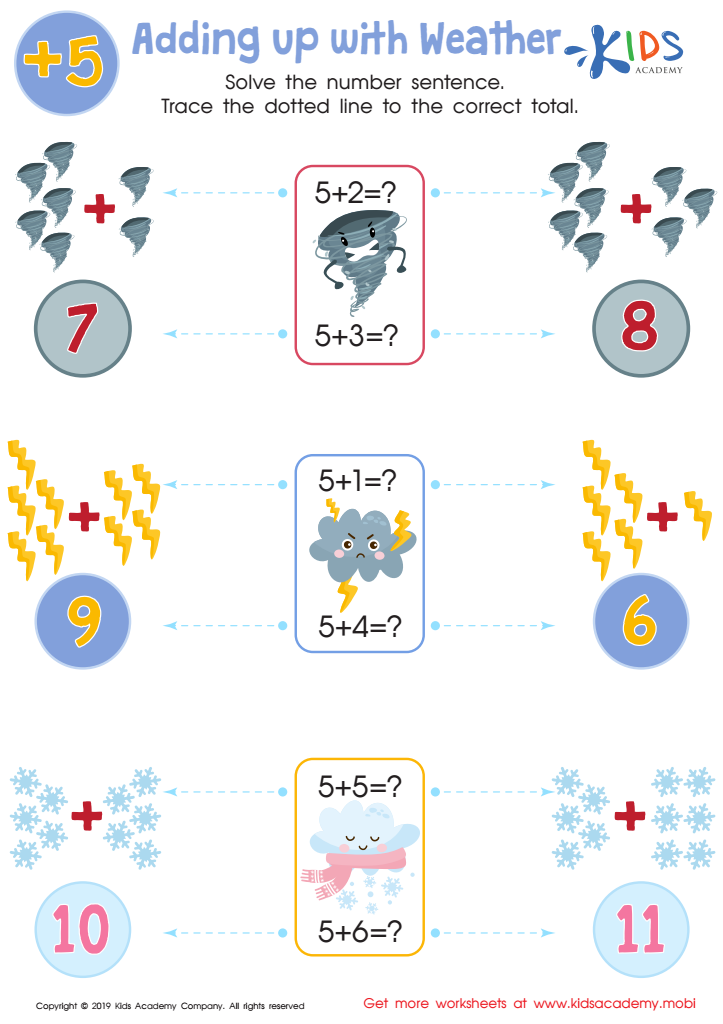
Adding up With Water Worksheet
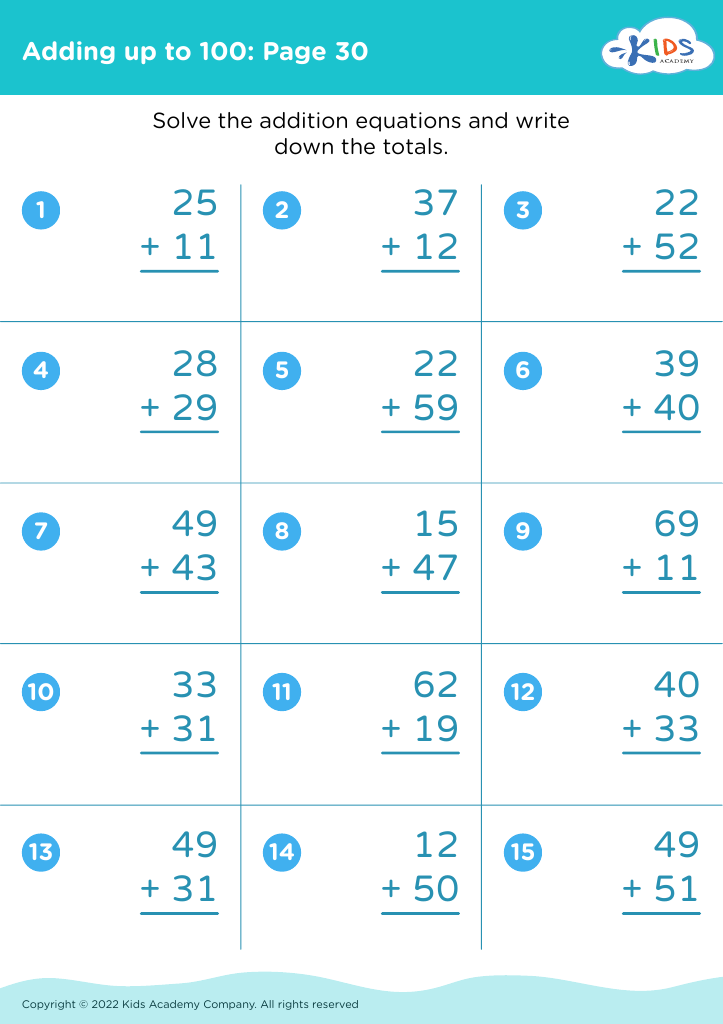
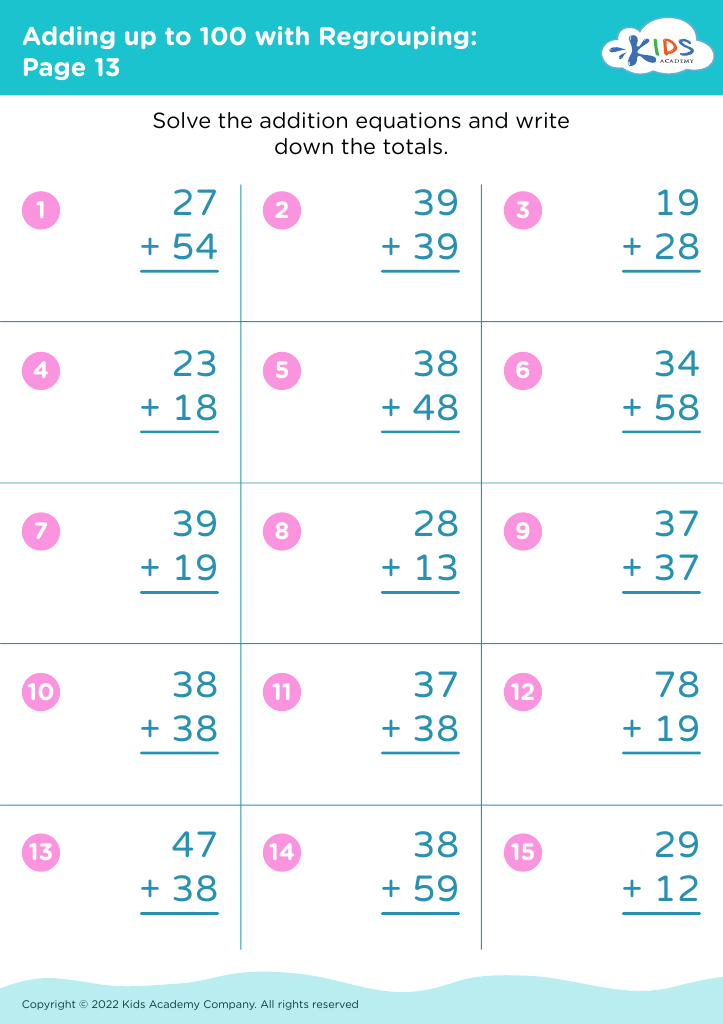
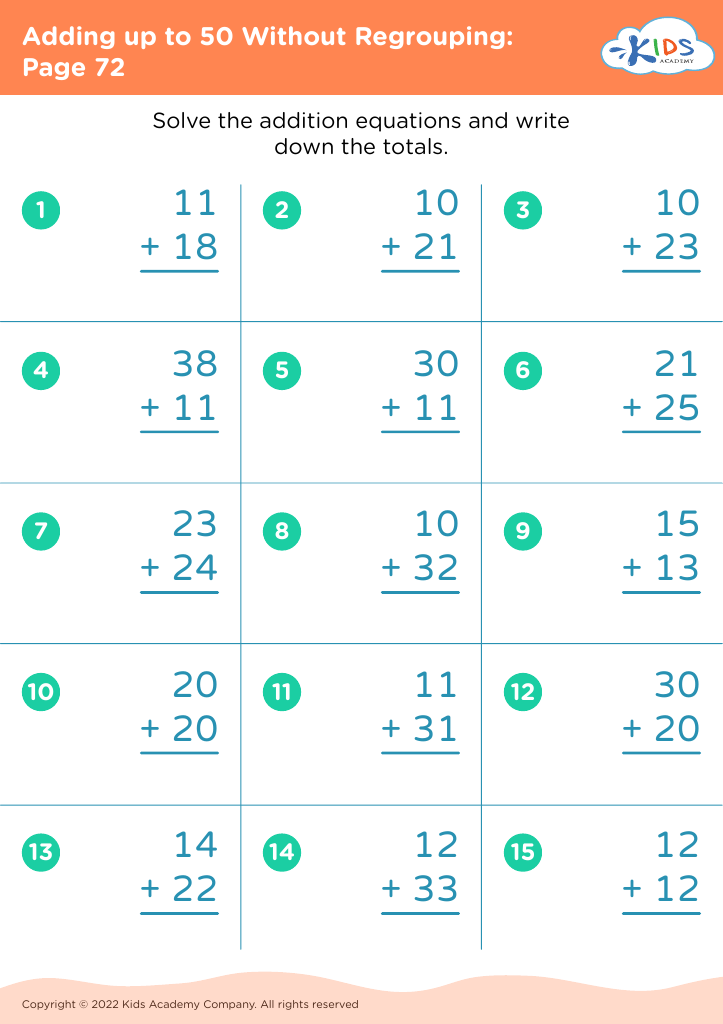
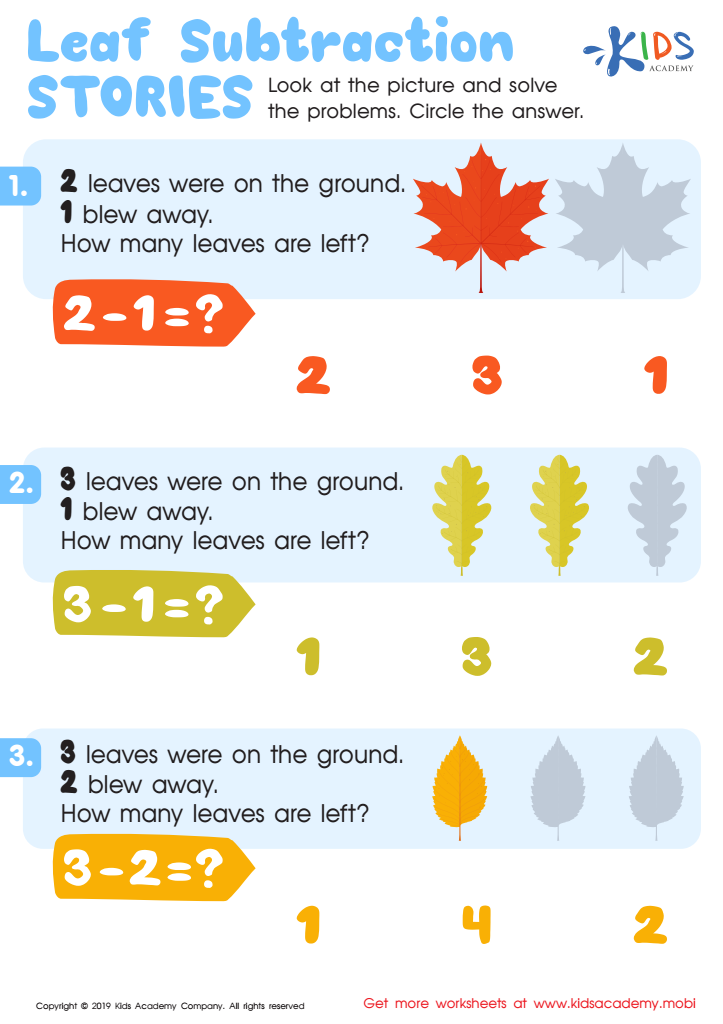
Leaf Subtraction Stories Worksheet
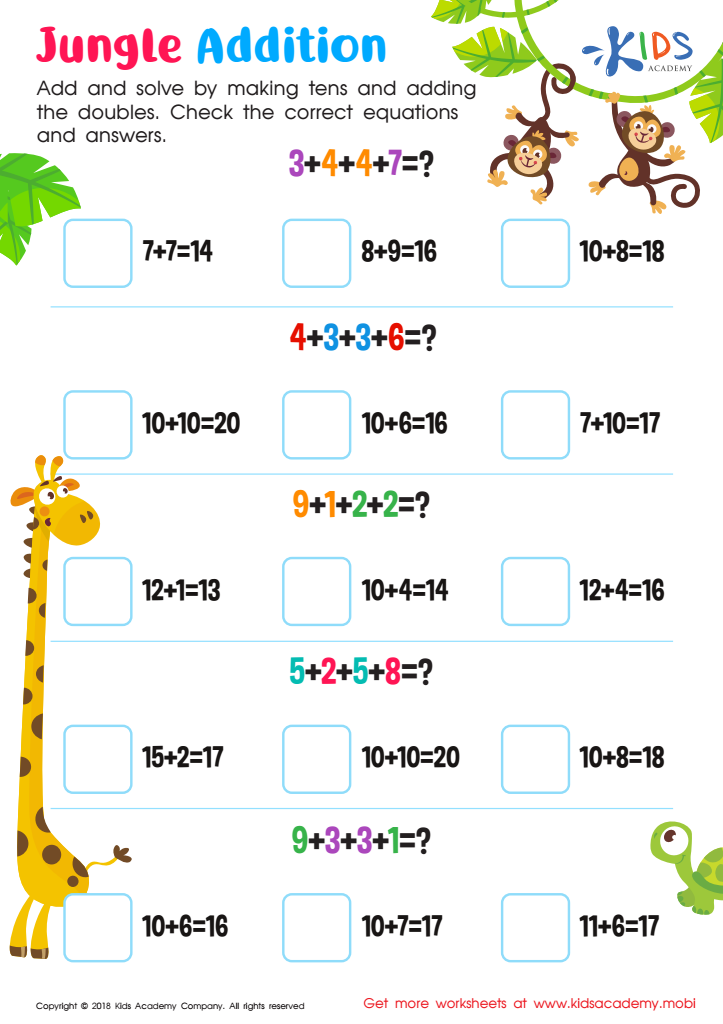
Jungle Addition Worksheet
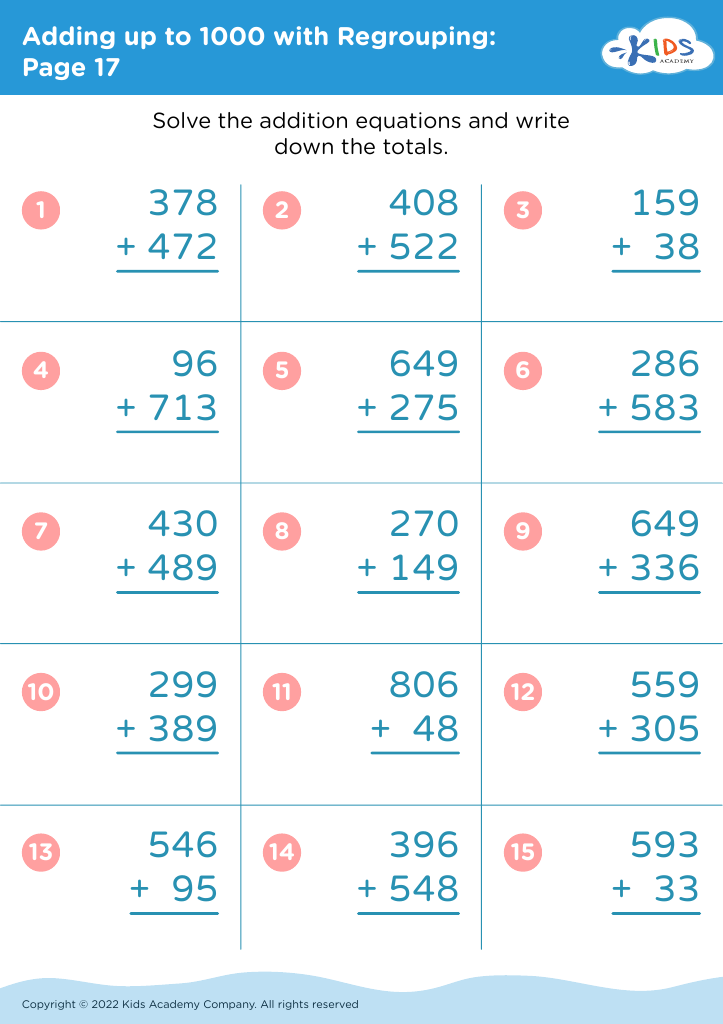
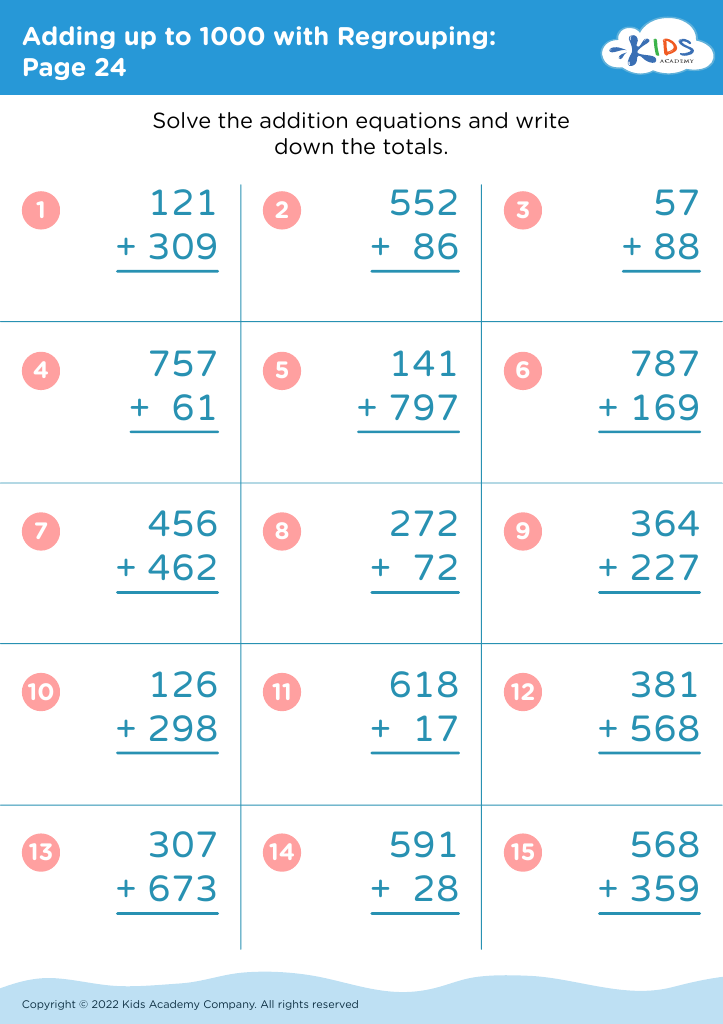
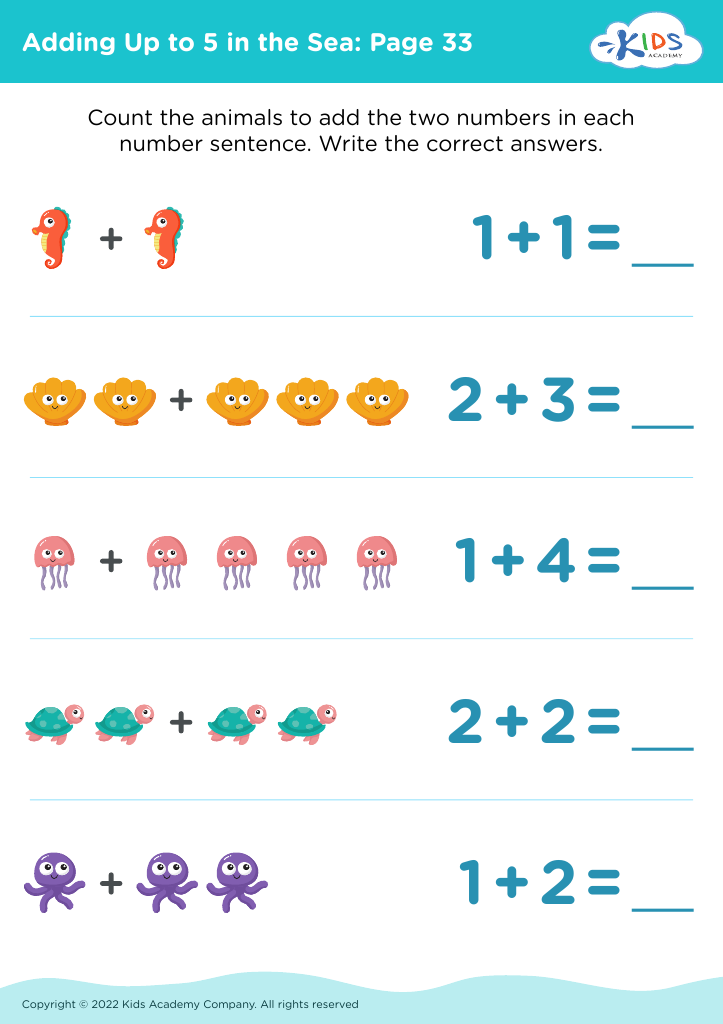
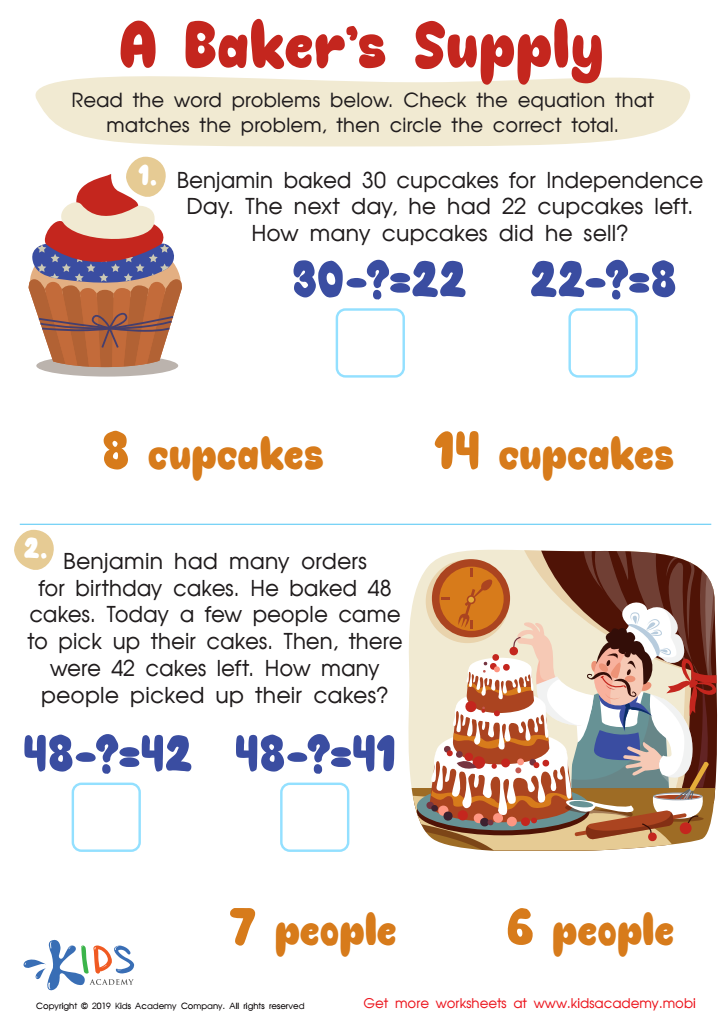
A Baker's Supply Worksheet
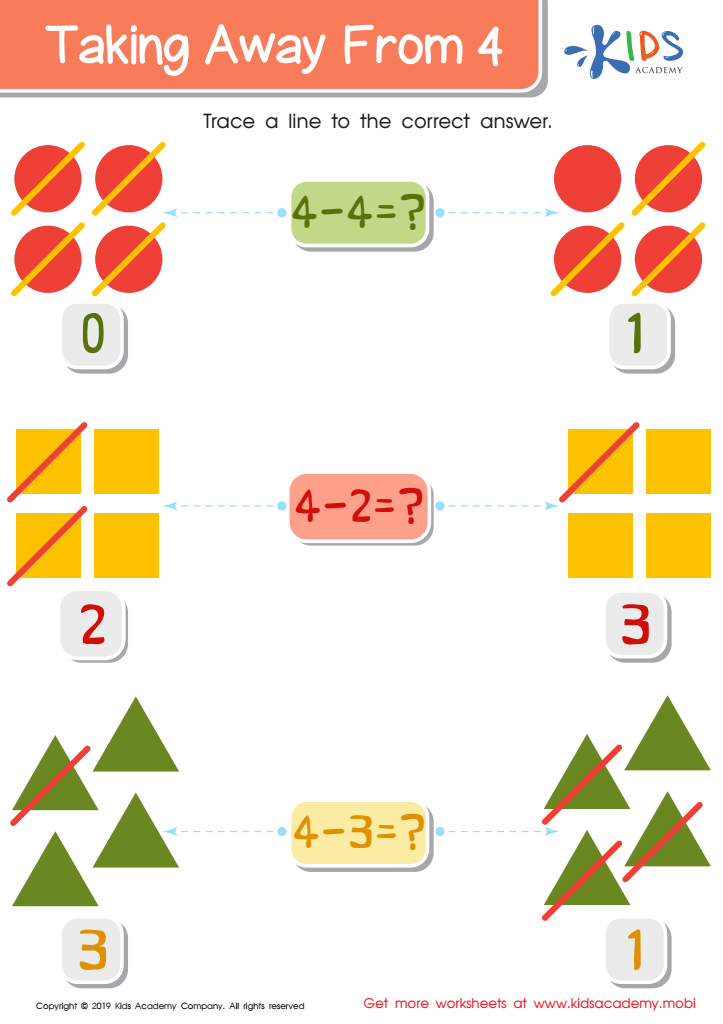
Taking Away from 4 Worksheet
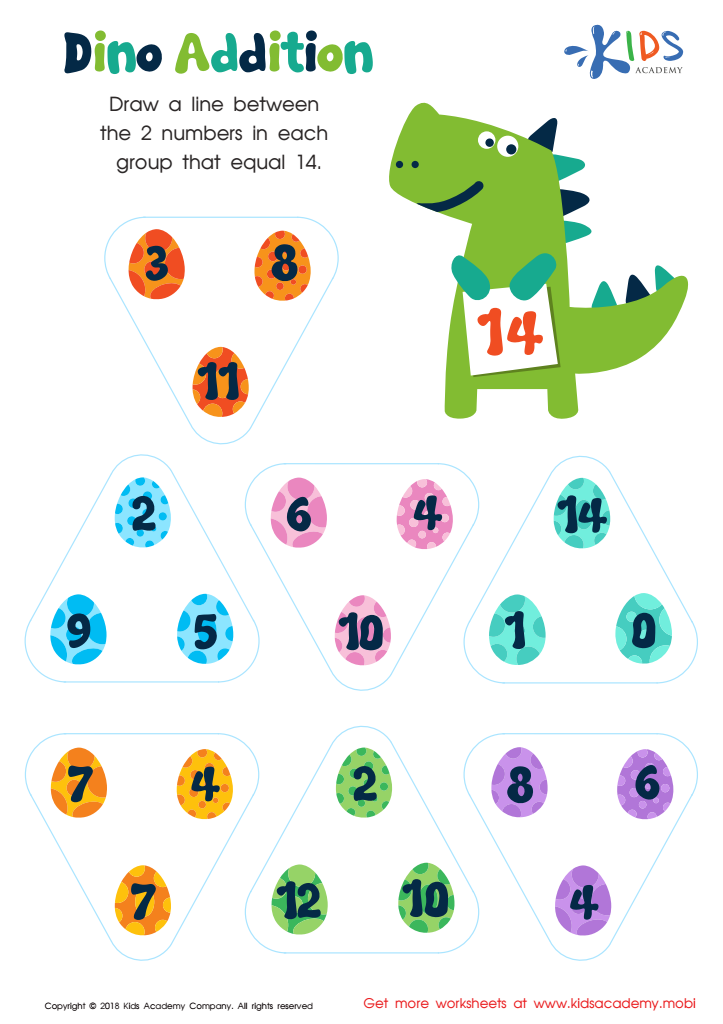
Dino Addition Worksheet
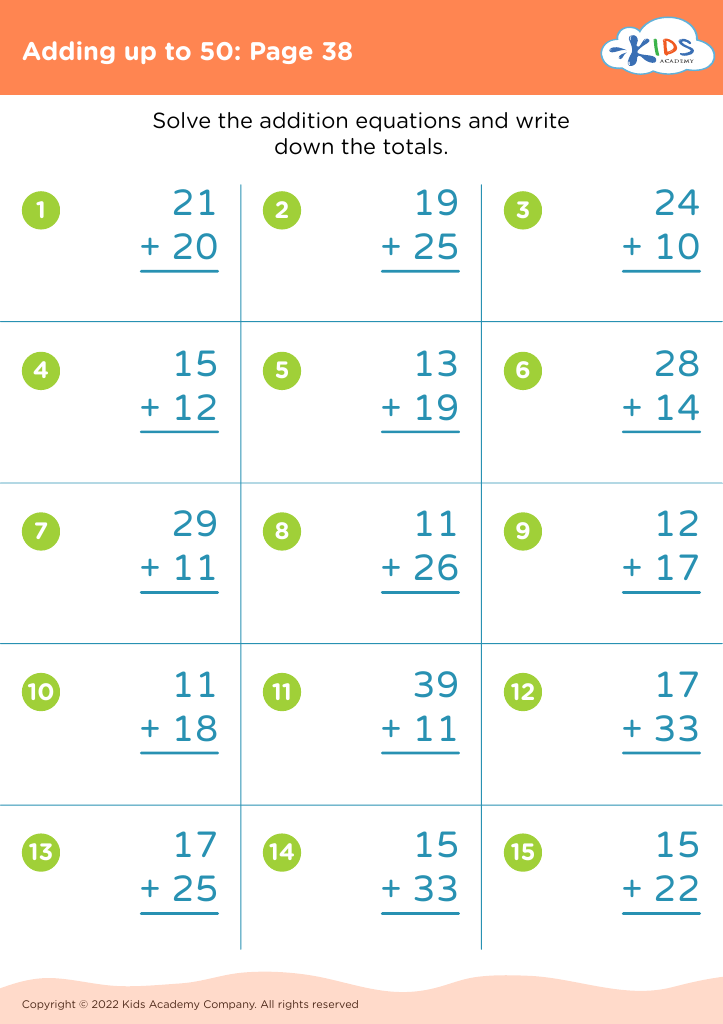








Basic math skills, notably addition and subtraction, are foundational for children aged 3–7 and significantly impact their future learning experiences and everyday life activities. For parents and teachers, fostering these skills at an early age is crucial for several reasons.
Firstly, basic math proficiency creates a strong foundation for more complex mathematical concepts learned in later years. Children who are comfortable with addition and subtraction will find it easier to grasp multiplication, division, and eventually algebra, which can open doors to numerous academic and career opportunities.
Secondly, early math skills are closely linked to cognitive development. Engaging in arithmetic encourages logical thinking, problem-solving, and pattern recognition. These cognitive skills are not only vital in academics but also in making informed and practical decisions in daily life.
Moreover, fostering math skills enhances a child's confidence and promotes a positive attitude towards learning. Like reading, math literacy starts from an early age and nurturing an interest now can lead to sustained academic success and lifelong learning.
Finally, incorporating math in everyday activities, such as counting toys, groceries, or steps, ingrains it as a practical and enjoyable part of life. Love and support from parents and teachers in this fundamental stage provide a nurturing environment where children can thrive and grow both intellectually and emotionally.








