Cognitive Development Addition & Subtraction Worksheets for Ages 3-7 - Page 2
122 filtered results
-
From - To
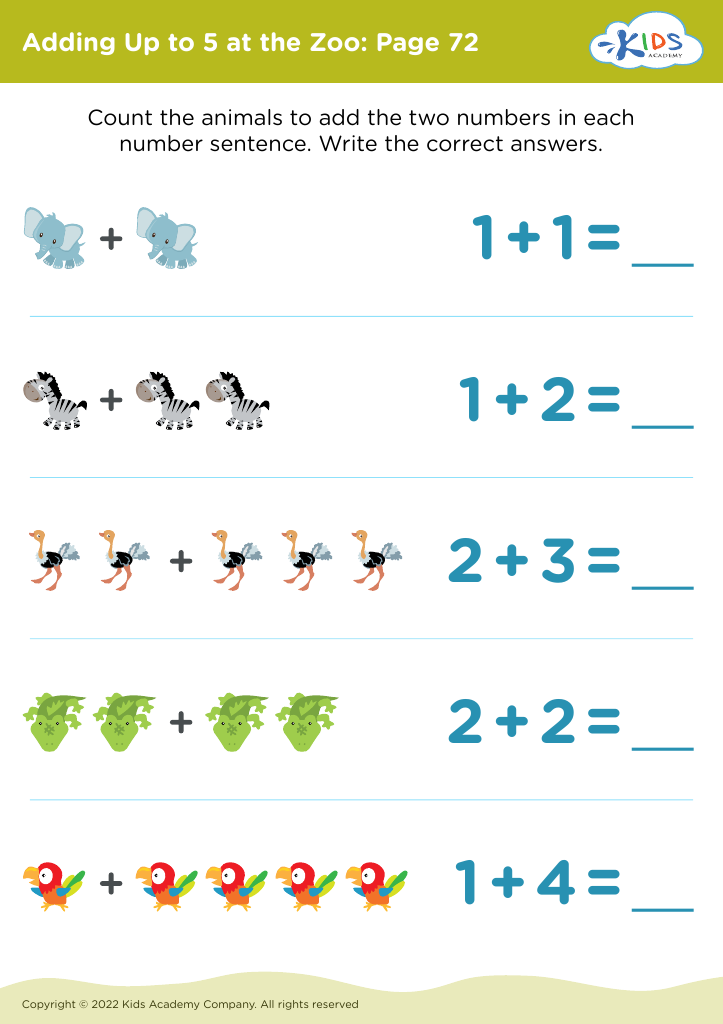
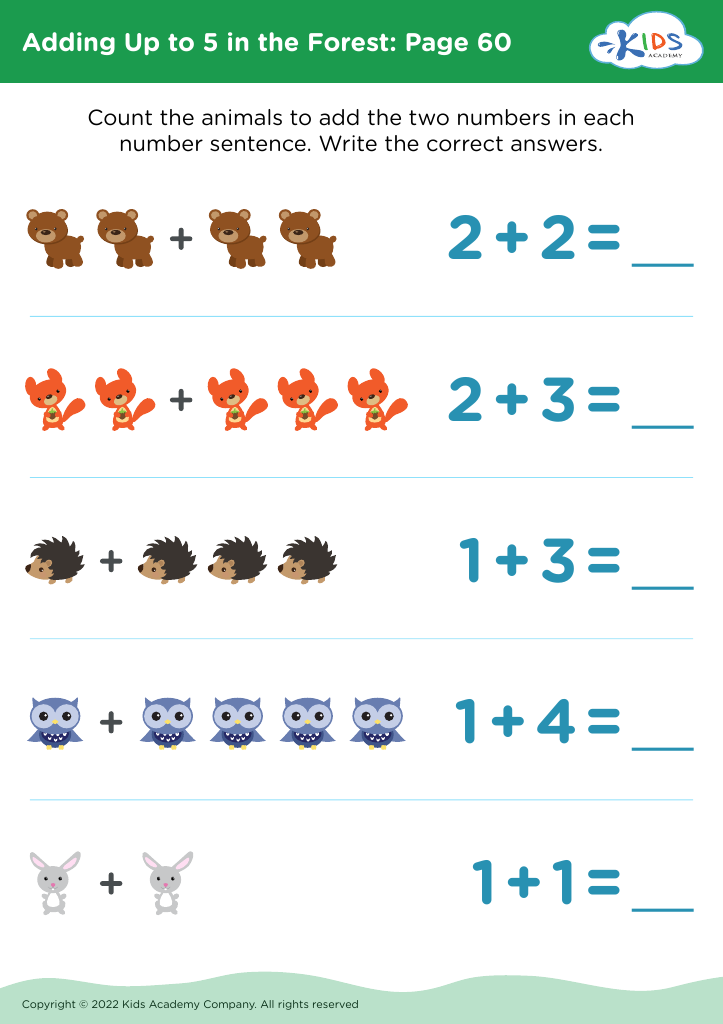
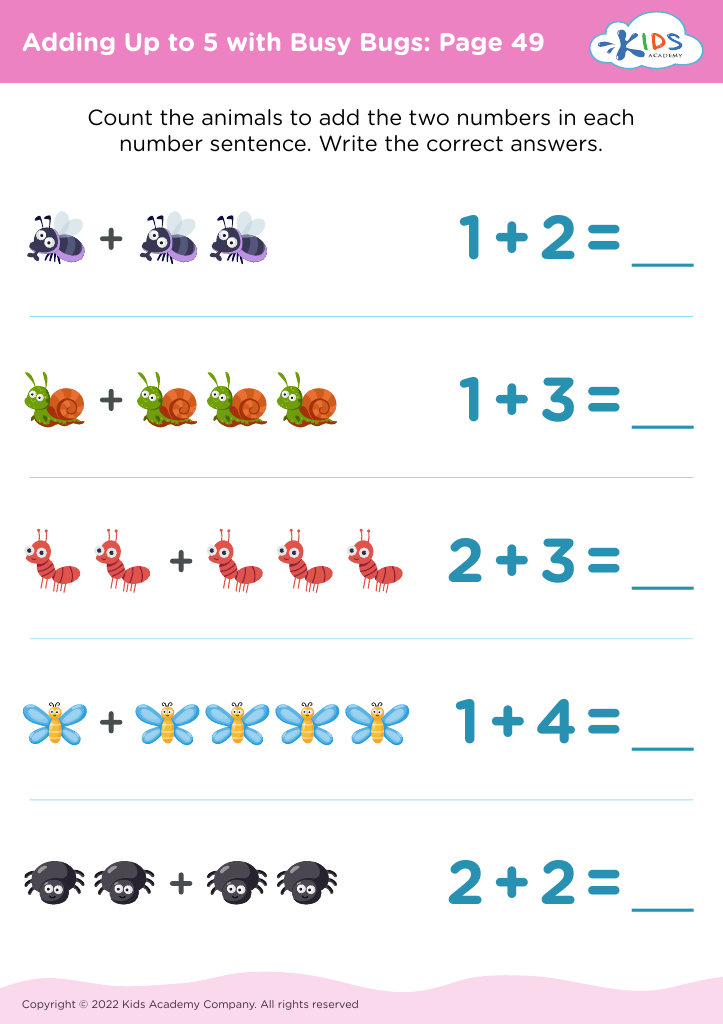
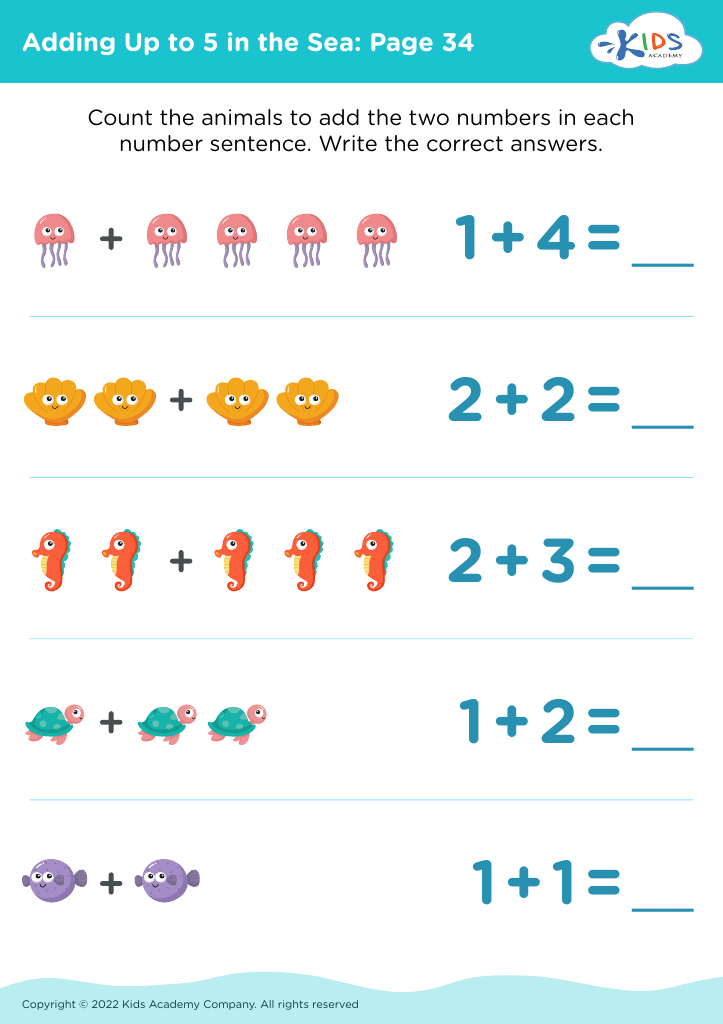
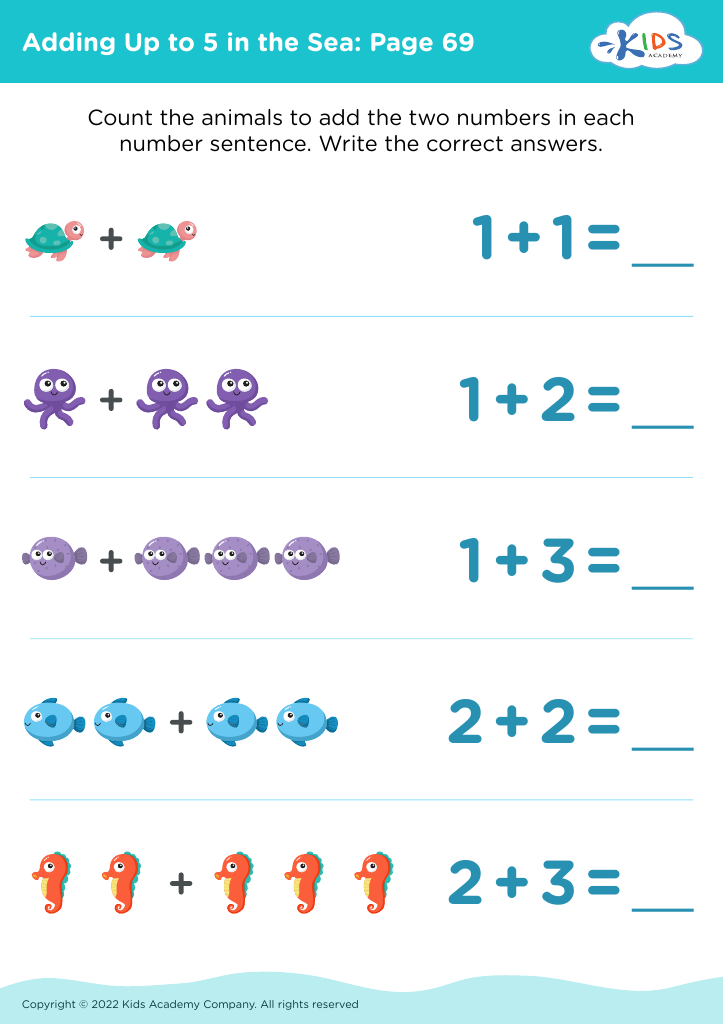
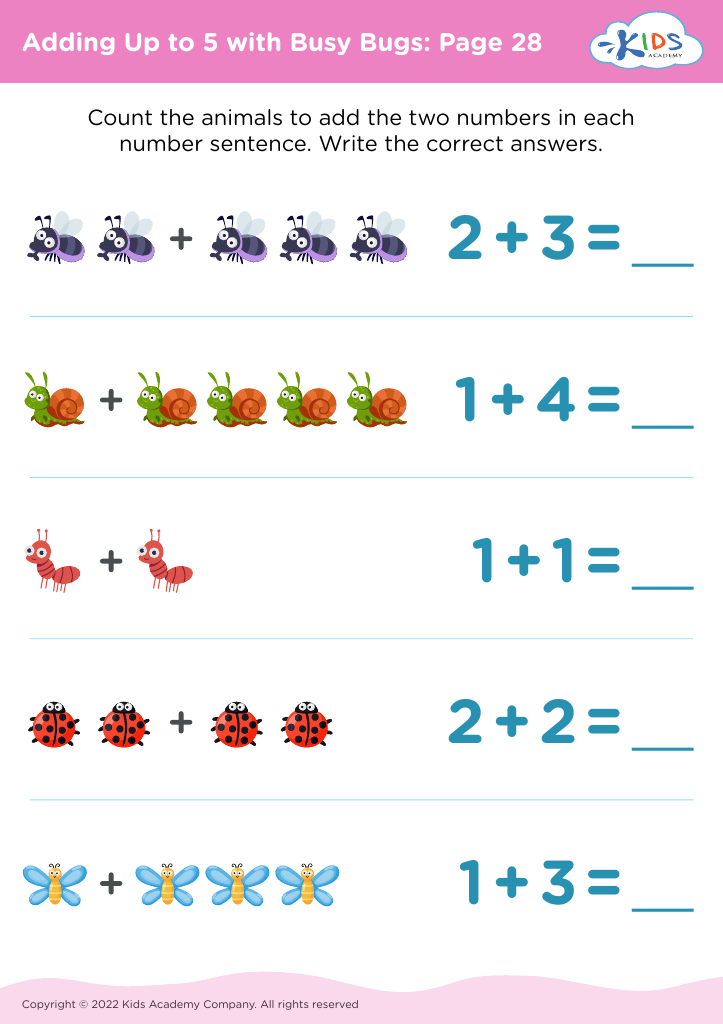
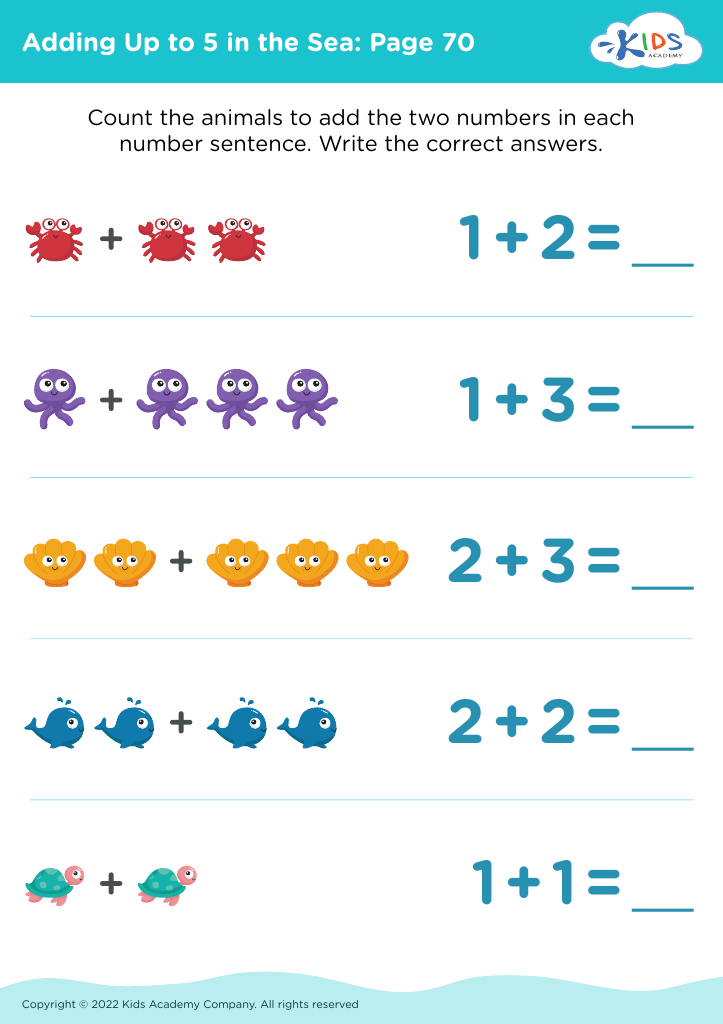
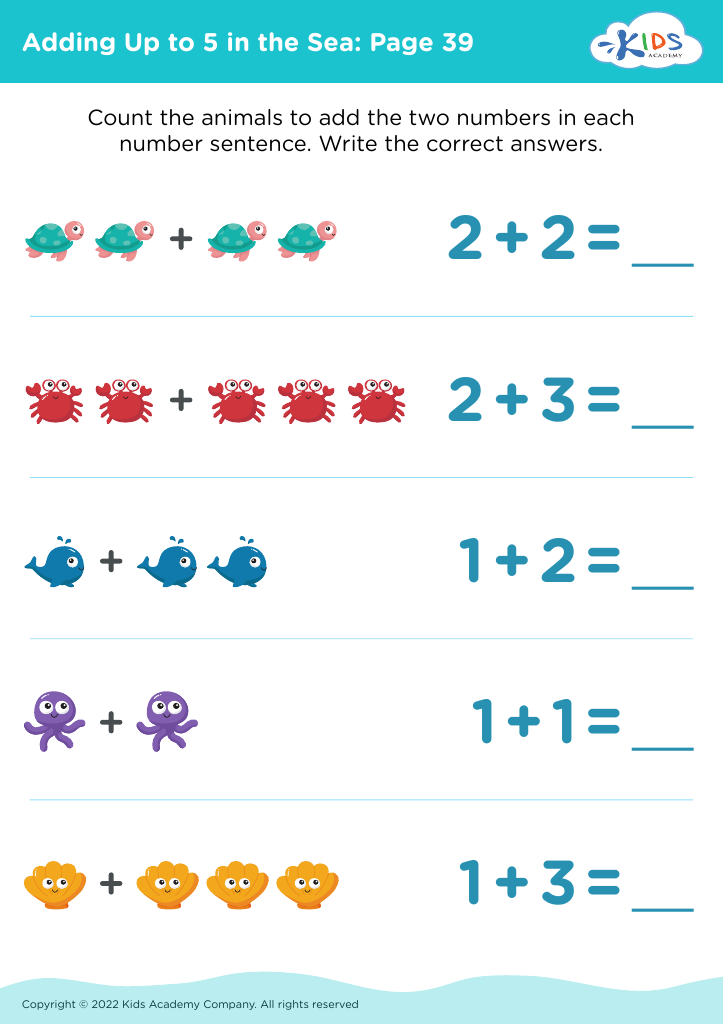
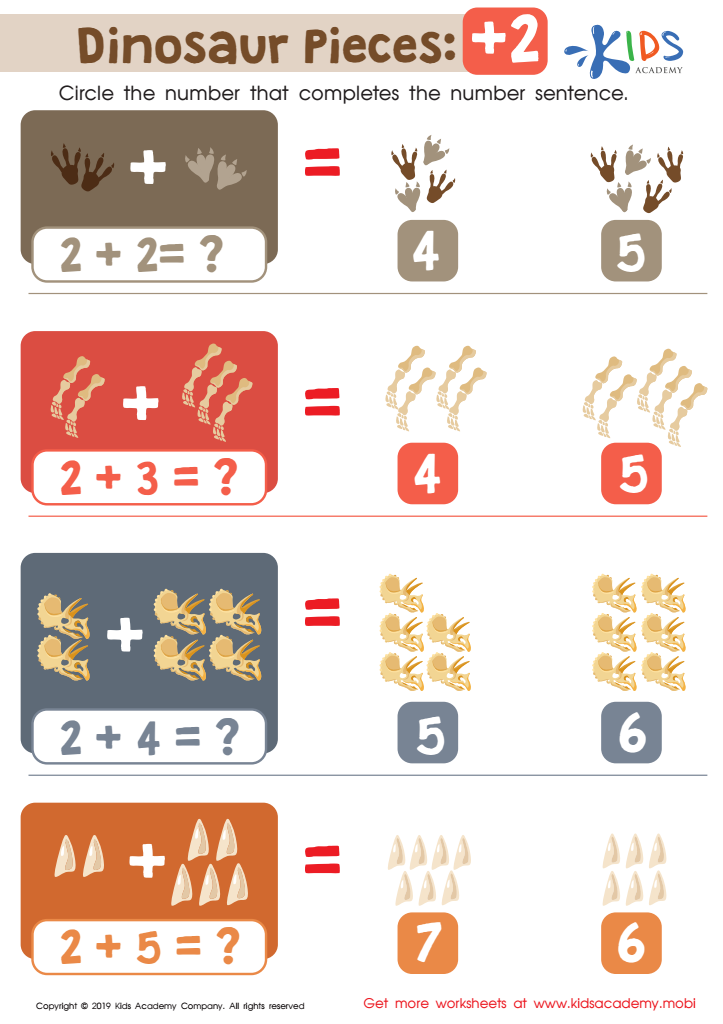
Dinosaur Pieces: +2 Worksheet
 Assign to My Students
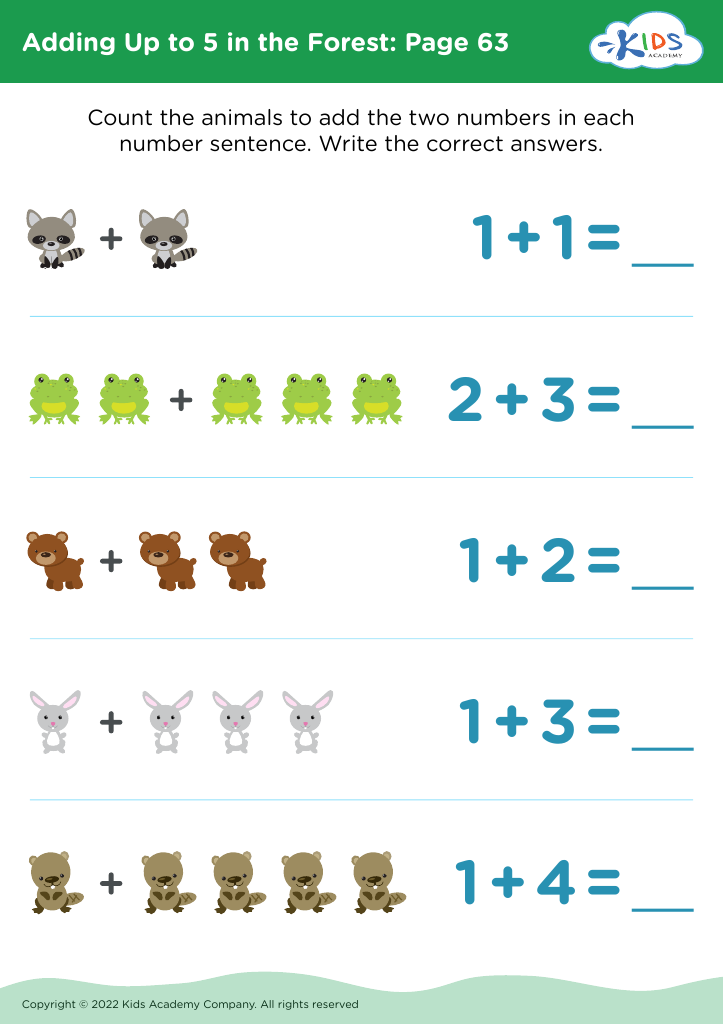
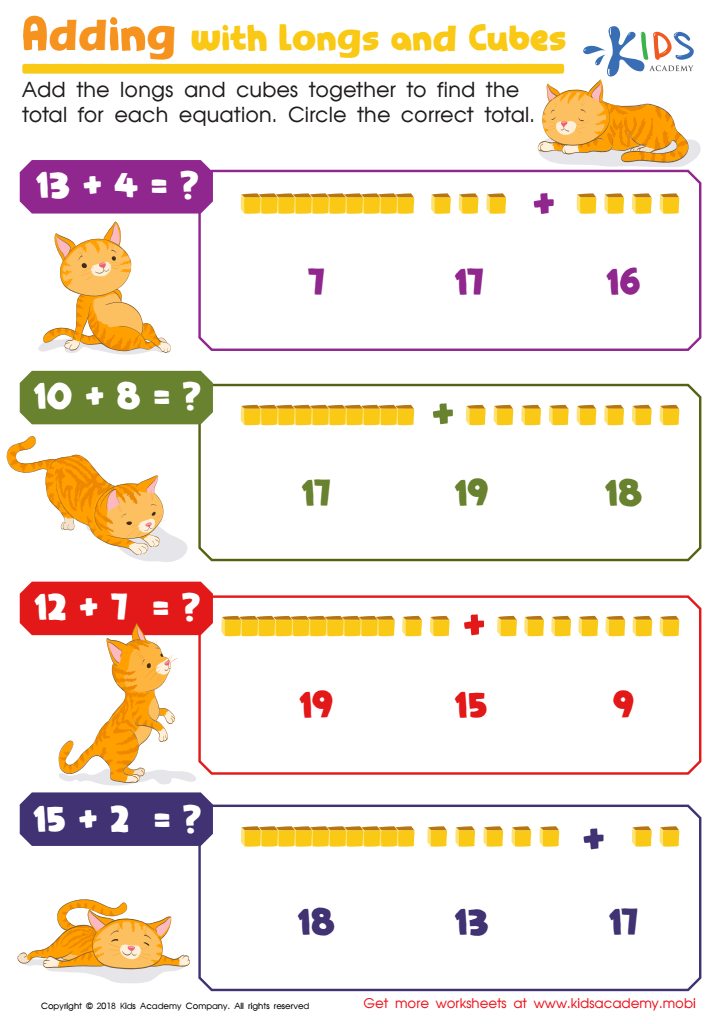
Adding With Longs and Cubes Worksheet
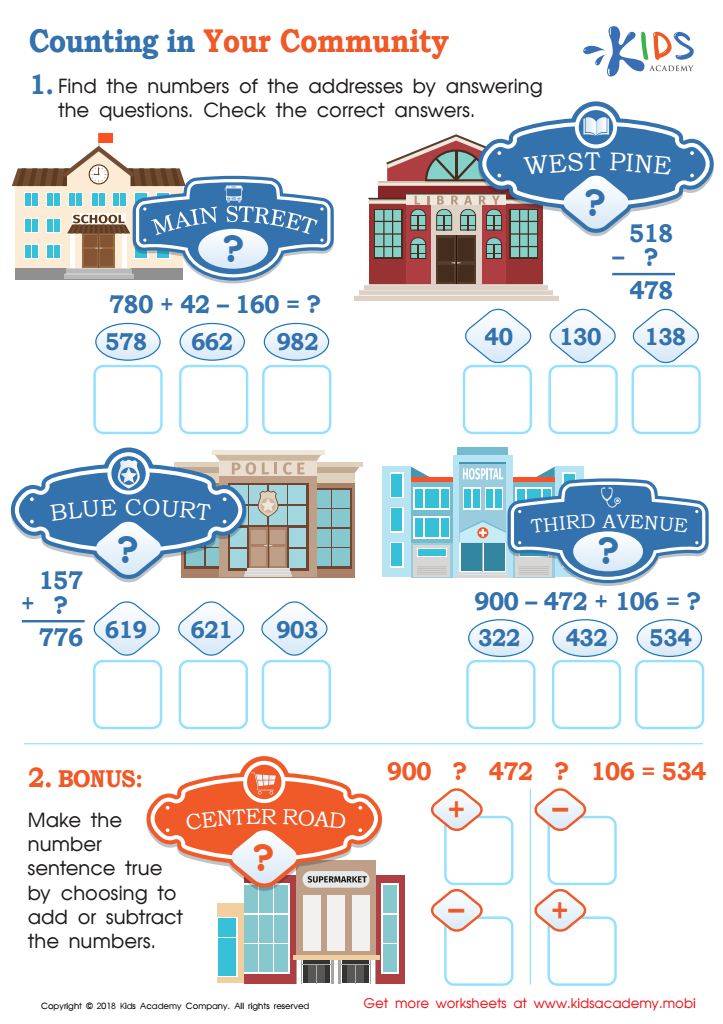
Counting in Your Community Worksheet
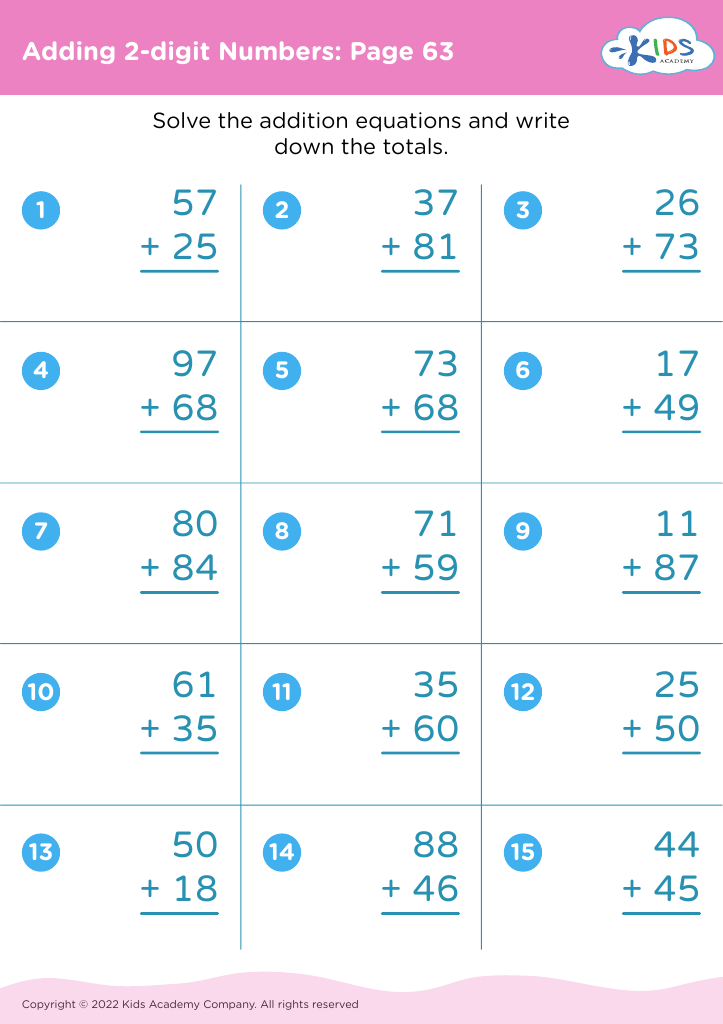
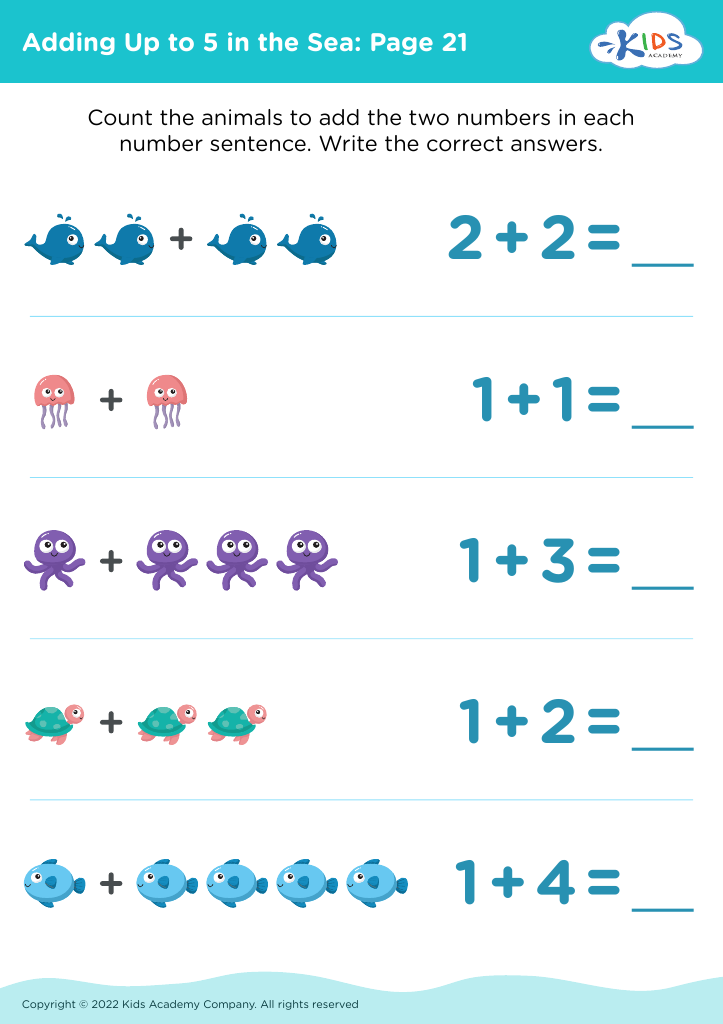
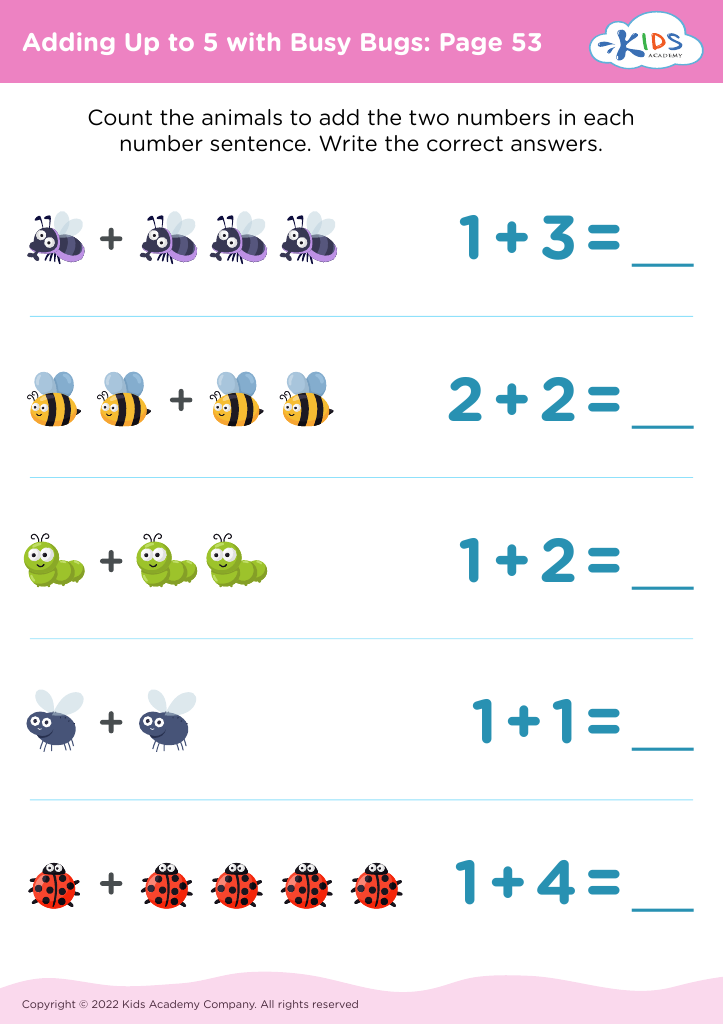
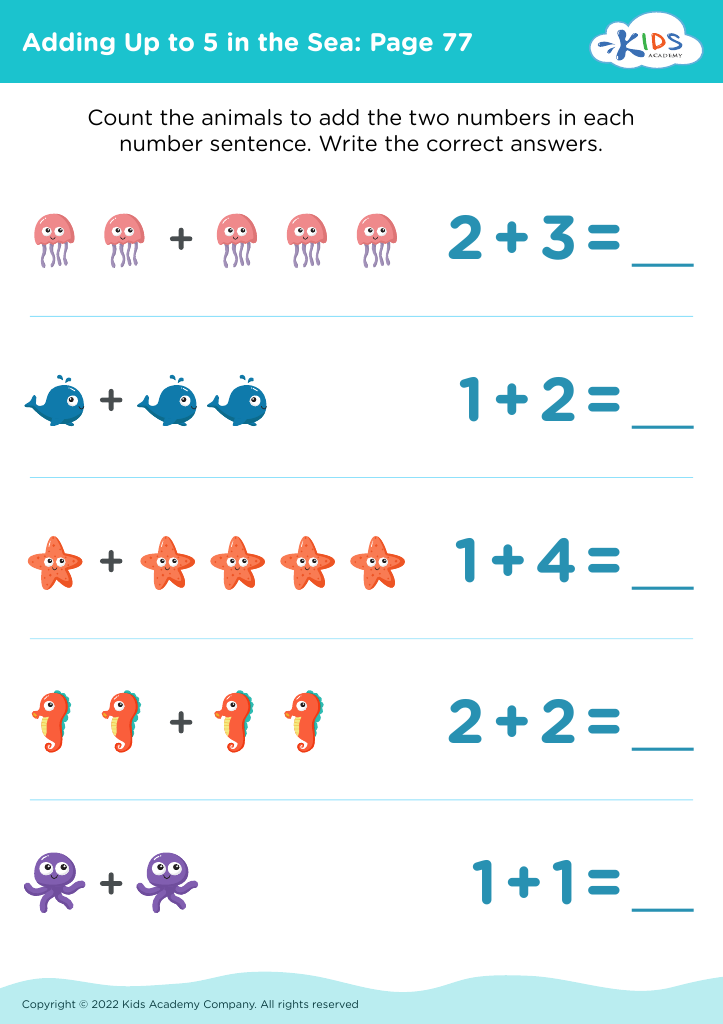
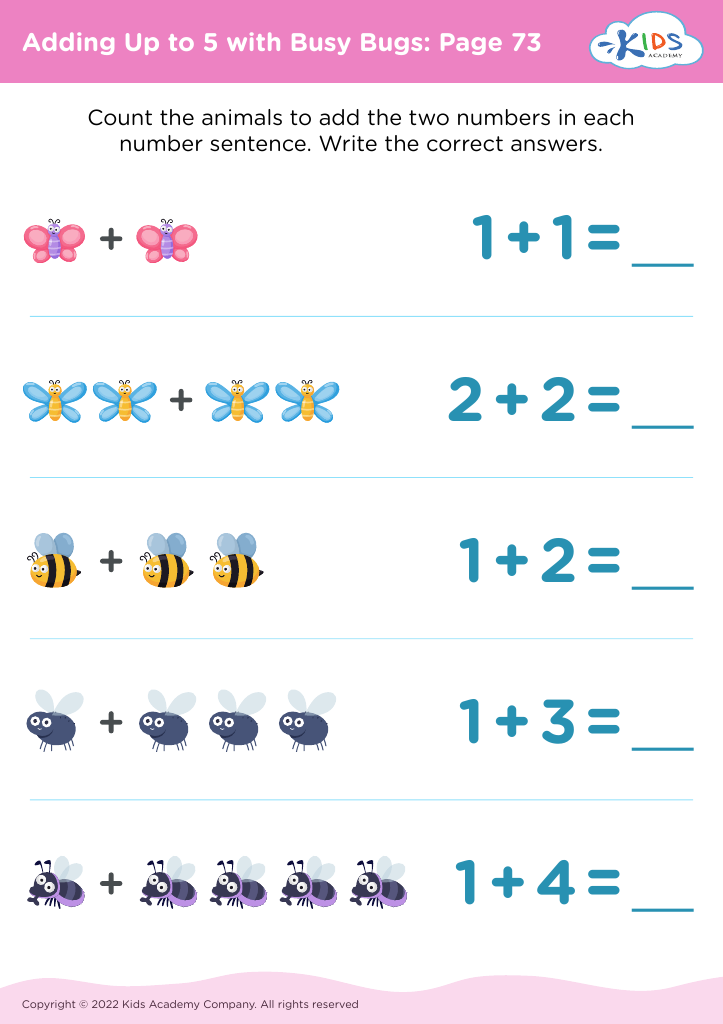








Cognitive development in young children, particularly regarding addition and subtraction, is crucial for several reasons. First, these foundational skills are essential for advanced mathematical reasoning, laying the groundwork for future learning in subjects like science and technology. When parents and teachers nurture early numeracy skills, they help children develop critical thinking, problem-solving abilities, and logical reasoning that extend beyond mathematics.
Understanding addition and subtraction also contributes to self-confidence in academic settings. Children who grasp these concepts early are more likely to engage with mathematics positively, reducing anxiety around the subject as they progress in school. Moreover, incorporating these skills into daily activities can create engaging learning experiences, making math feel relevant and enjoyable.
Additionally, strong cognitive development in early childhood supports social skills and emotional regulation. Working through math problems can enhance perseverance, patience, and resilience as children learn to face challenges. It also fosters collaborative skills when working with peers or even family members in shared learning tasks.
In conclusion, focusing on cognitive development in addition and subtraction provides children with critical tools for academic and life success while enhancing overall cognitive and social-emotional growth, making it an essential area for parents and educators to prioritize.








