
Drawing skills Addition & Subtraction Worksheets for Ages 3-7
6 filtered results
Difficulty Level
Grade
Age
-
From - To
Subject
Activity
Standards
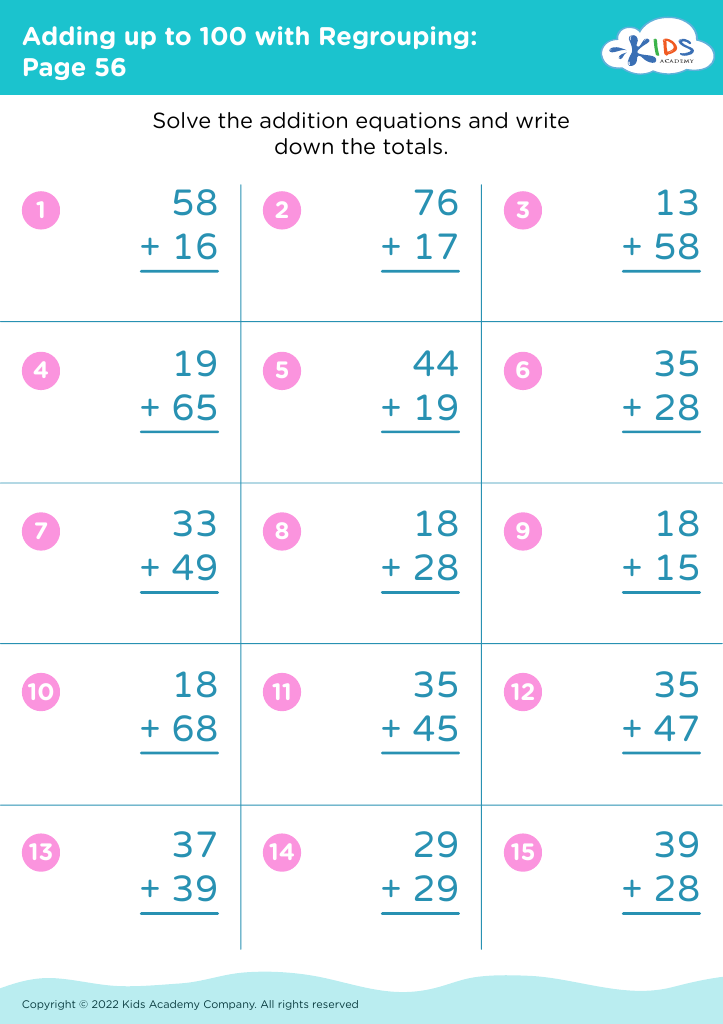
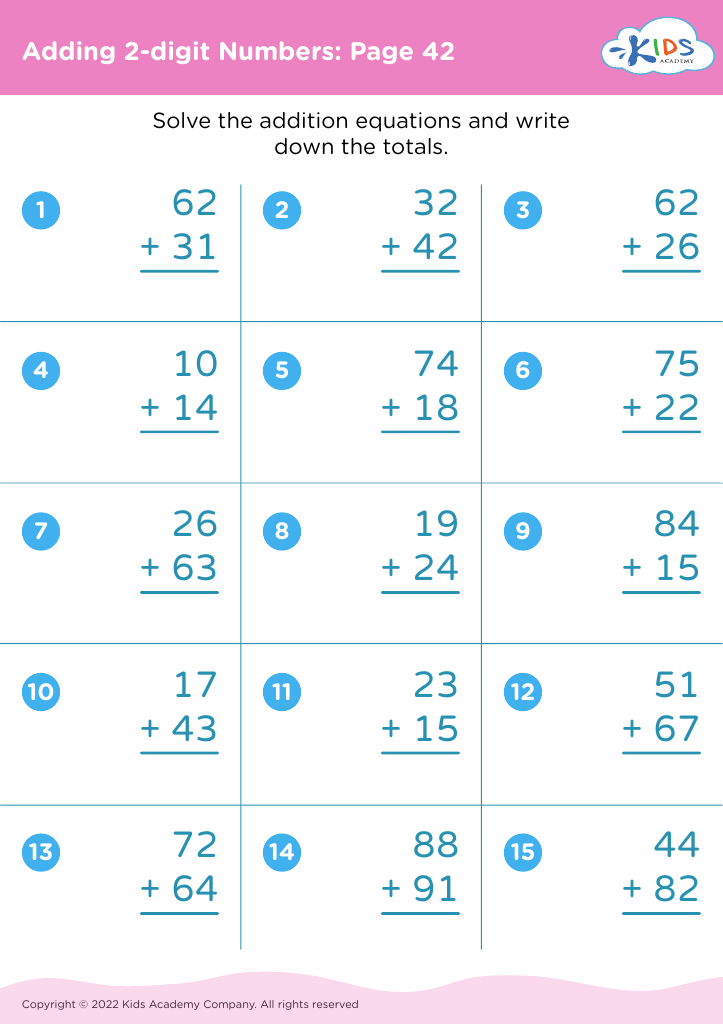
Boost your child's learning experience with our "Drawing Skills Addition & Subtraction Worksheets" designed for ages 3-7. These engaging worksheets combine essential math concepts with creative drawing activities, making learning enjoyable and interactive. Kids will practice fundamental addition and subtraction skills while expressing their creativity through illustrations. Each worksheet fosters fine motor skills and encourages problem-solving as children connect numerical concepts with visual representation. Perfect for at-home learning or classroom use, our resources aim to make math fun, and encourage a love for learning. Explore our collection now to help your little one master math in a unique and artistic way!
Favorites
With answer key
Interactive
Join Kids Academy for Free
Who is primarily going to use this learning content?








Drawing skills are vital for children's overall development, especially for those aged 3-7, as they lay the groundwork for essential cognitive and motor skills. When parents and teachers nurture drawing abilities, they're fostering creativity, imagination, and self-expression, important aspects for social and emotional growth. Moreover, drawing helps enhance fine motor skills, such as grip, control, and hand-eye coordination, which are crucial for future writing and learning tasks.
Incorporating drawing into learning addition and subtraction can make mathematics more accessible and engaging. Visual representations, like using shapes or drawing objects for math problems, aid in understanding abstract concepts, making them tangible and relatable. This approach supports various learning styles, helping visual learners grasp math concepts more effectively.
Furthermore, drawing and math encourage problem-solving and critical thinking. As children create visual models for addition and subtraction, they enhance analytical skills and gain confidence through hands-on learning experiences. Ultimately, fostering drawing skills alongside early math education empowers children to express themselves while developing foundational skills that will benefit them throughout their educational journey and daily lives. Parents and teachers who prioritize these skills have a direct impact on nurturing well-rounded, capable learners.








