Discover our engaging "Enhance Number Recognition Addition & Subtraction Worksheets" designed for children aged 3-7. These thoughtfully crafted worksheets aid in developing essential math skills while making learning fun. Enhance your child's number recognition as they explore addition and subtraction concepts with colorful illustrations and interactive exercises. Each worksheet encourages hands-on practice, helping young learners build a solid foundation in mathematics. Ideal for home schooling or classroom activities, these resources facilitate individualized learning, ensuring every child progresses at their own pace. Equip your child for success in math and boost their confidence with our specially designed worksheets today!
Check out this FREE Trial Lesson on Addition & Subtraction for age 3-7!

H

Favorites
With answer key
Interactive
  • 3-7
  • Enhance number recognition
  • Addition & Subtraction
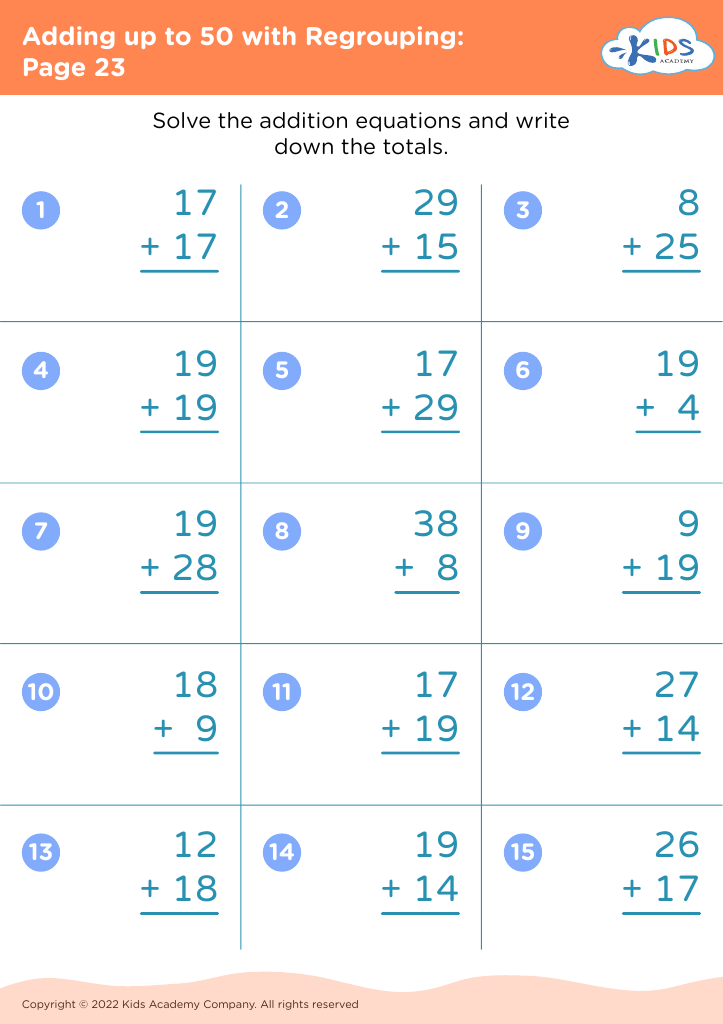
Adding up to 50 with Regrouping: Page 23
Worksheet
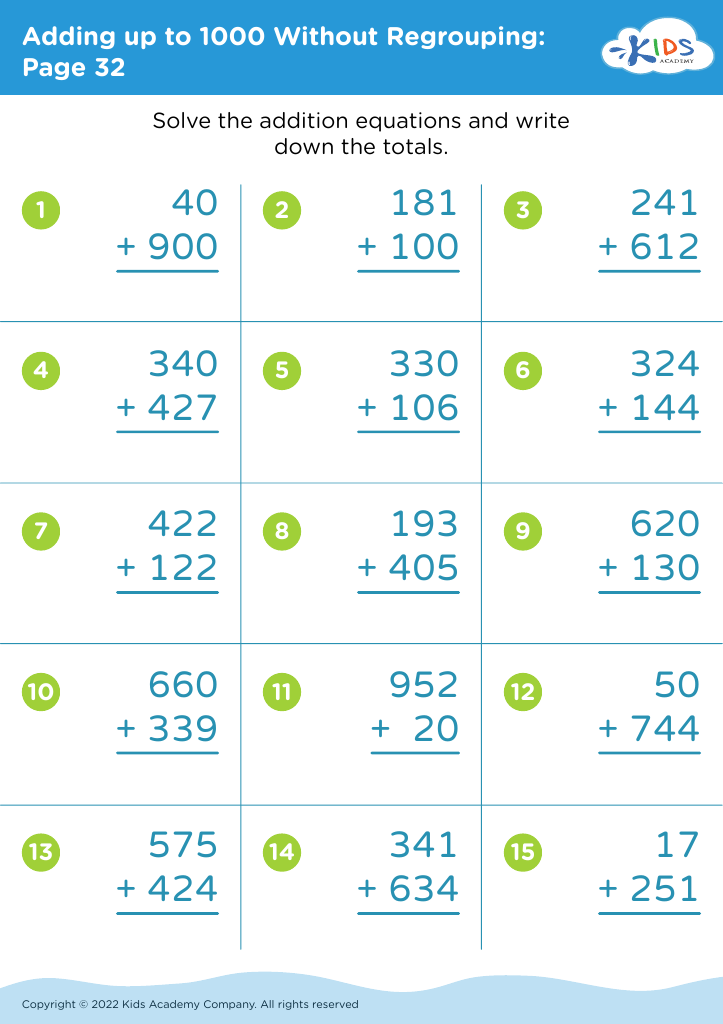
Adding up to 1000 Without Regrouping: Page 32
Worksheet
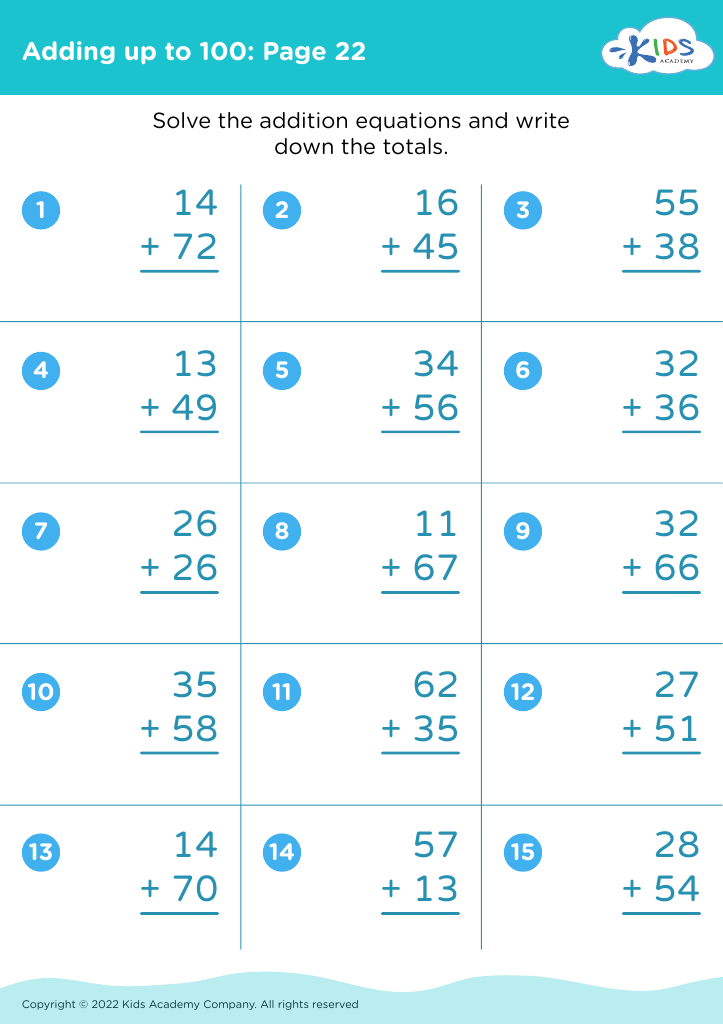
Adding up to 100: Page 22

Adding up to 100: Page 22

Adding up to 100: Page 22
Worksheet
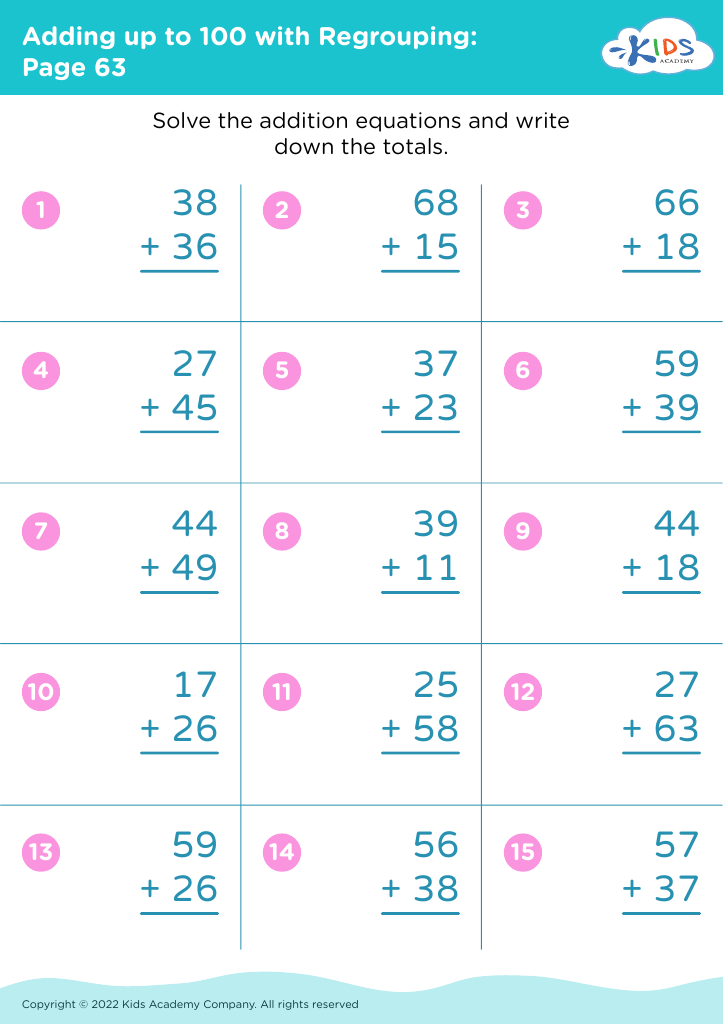
Adding up to 100 with Regrouping: Page 63
Worksheet
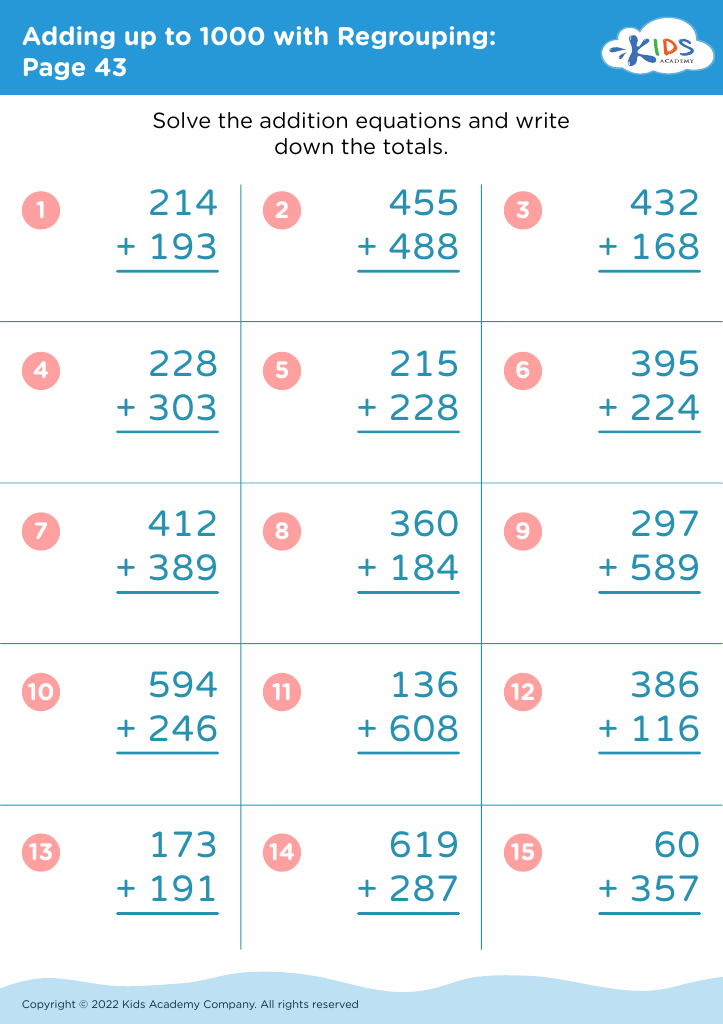
Adding up to 1000 with Regrouping: Page 43
Worksheet
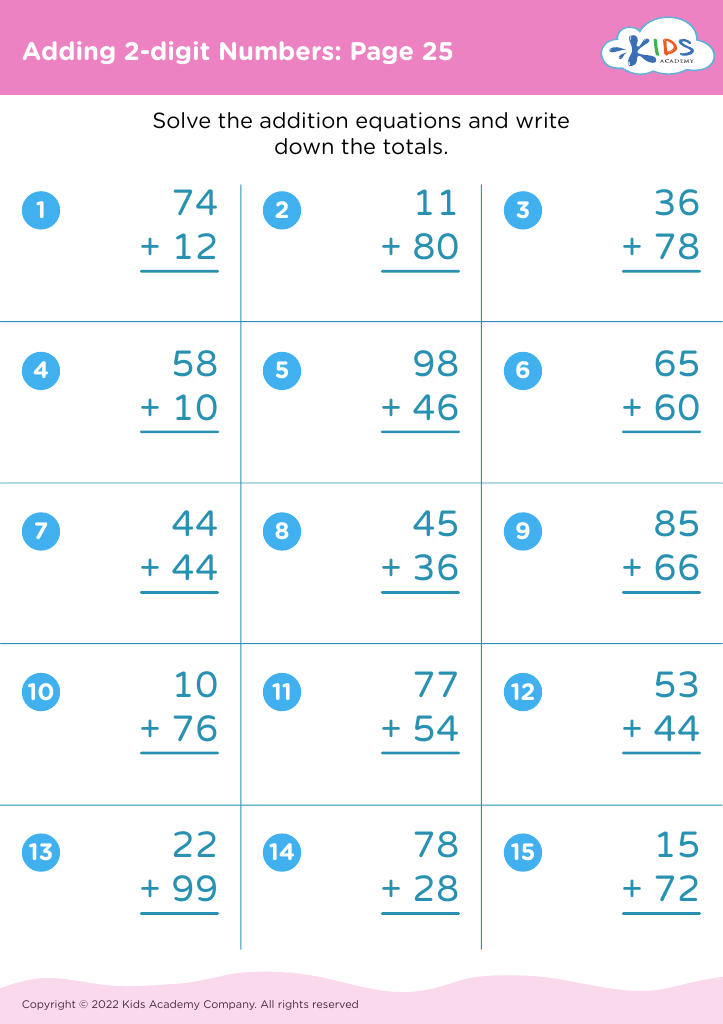
Adding 2-digit Numbers: Page 25

Adding 2-digit Numbers: Page 25

Adding 2-digit Numbers: Page 25
Worksheet
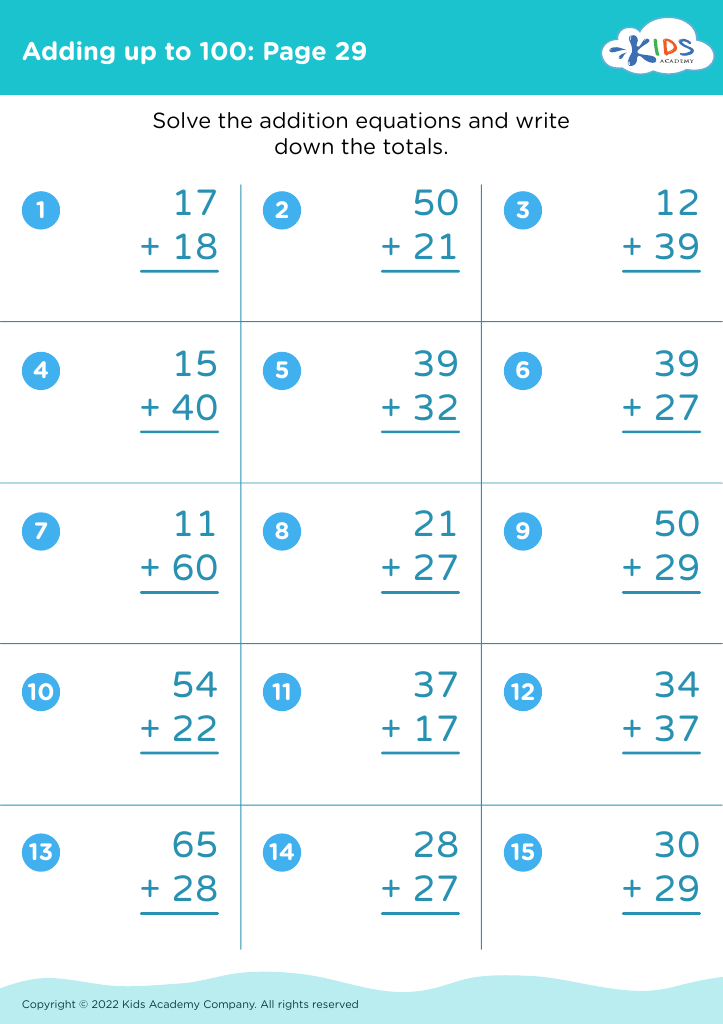
Adding up to 100: Page 29

Adding up to 100: Page 29

Adding up to 100: Page 29
Worksheet
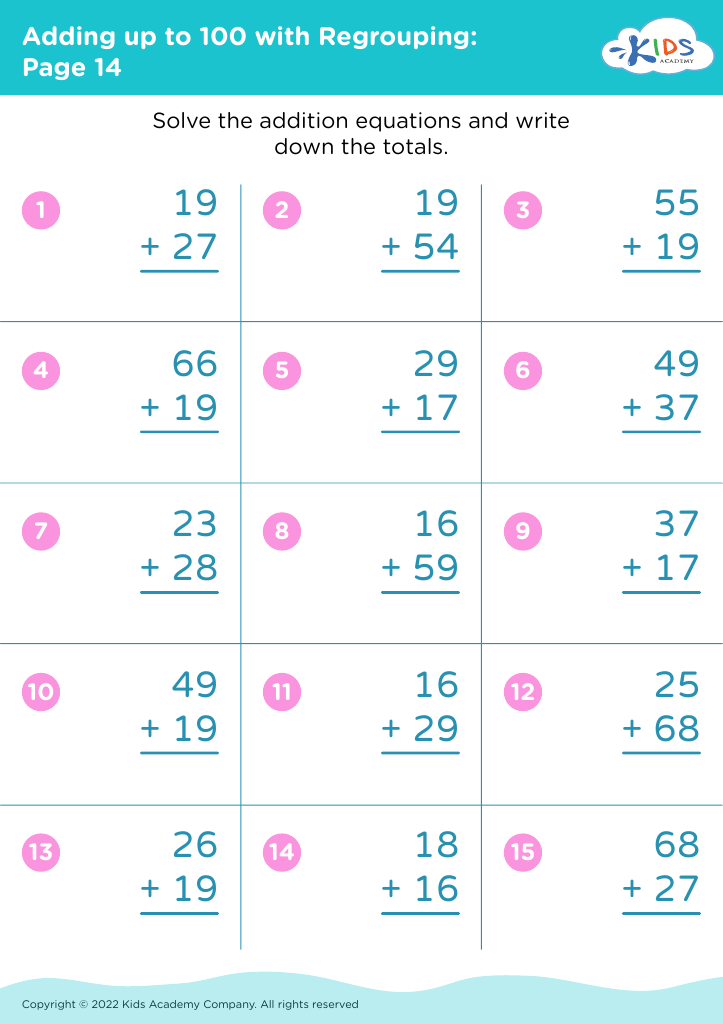
Adding up to 100 with Regrouping: Page 14
Worksheet
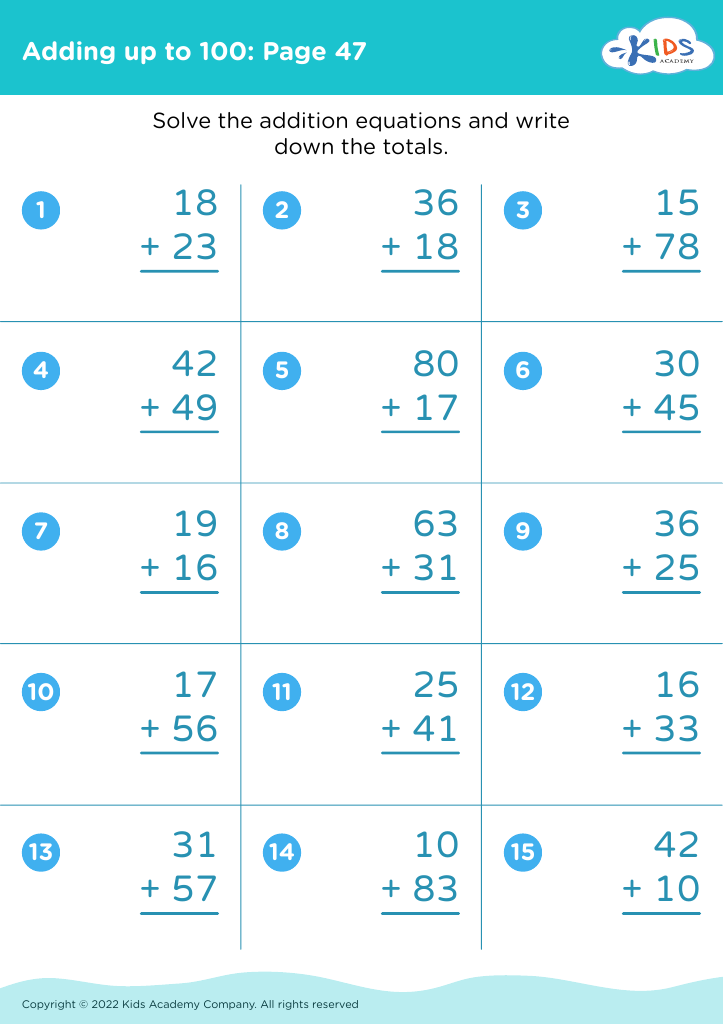
Adding up to 100: Page 47

Adding up to 100: Page 47

Adding up to 100: Page 47
Worksheet
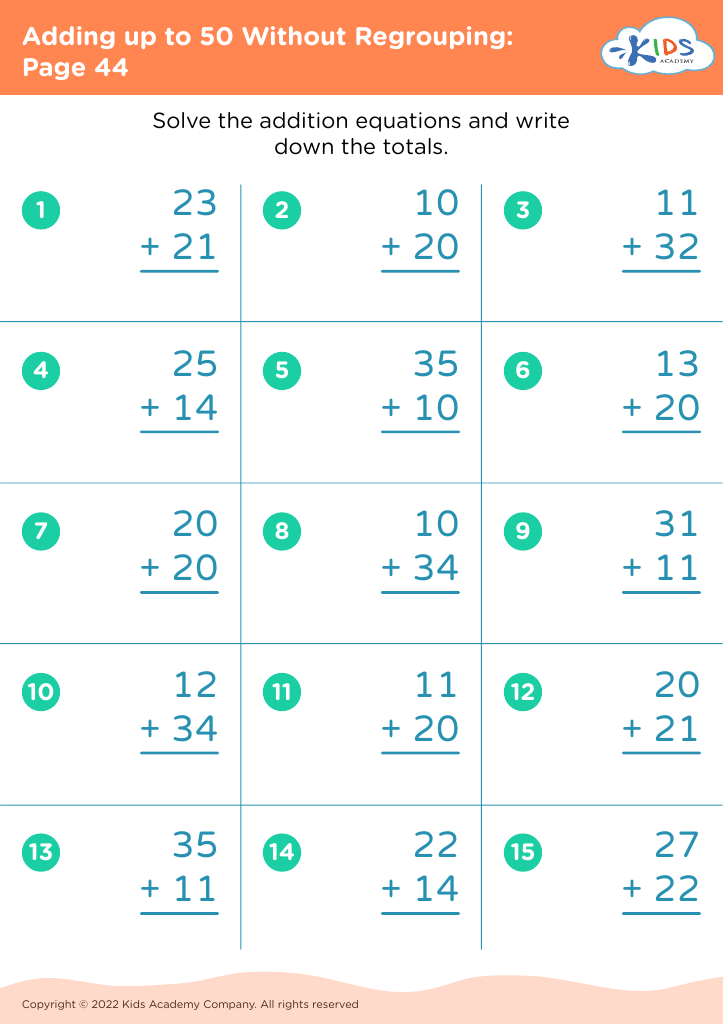
Adding up to 50 Without Regrouping: Page 44
Worksheet
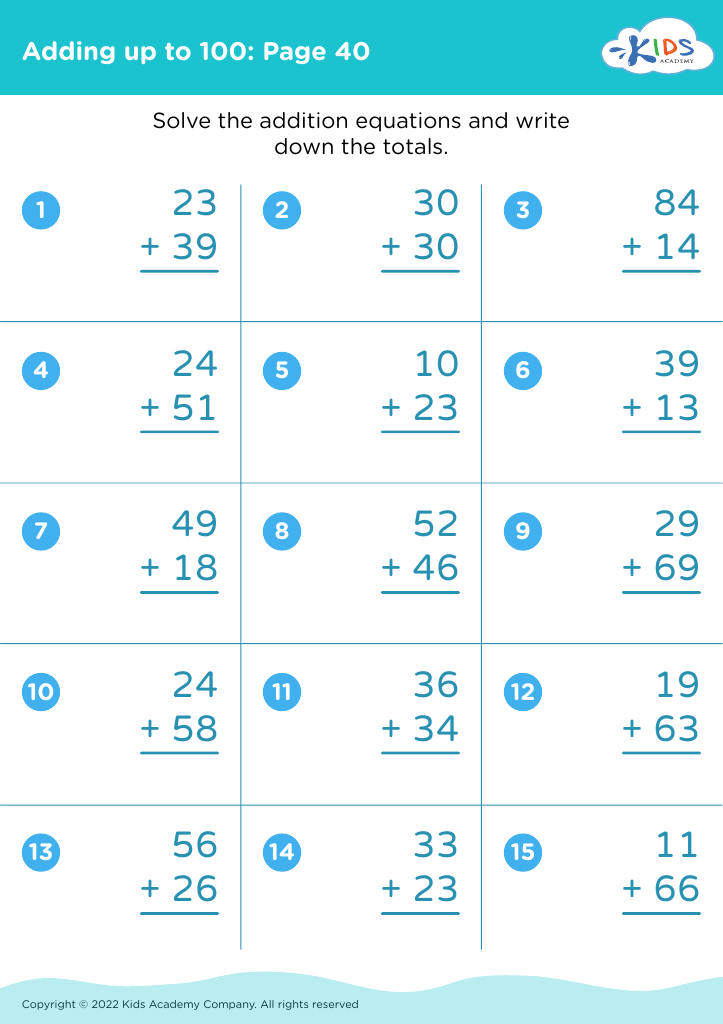
Adding up to 100: Page 40

Adding up to 100: Page 40

Adding up to 100: Page 40
Worksheet
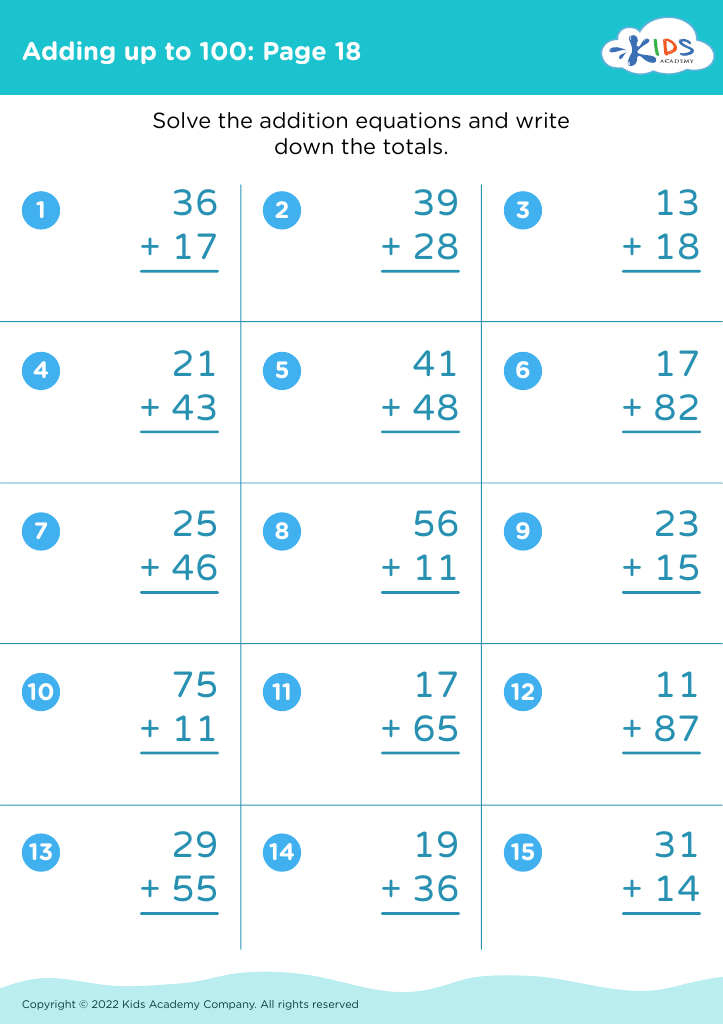
Adding up to 100: Page 18

Adding up to 100: Page 18

Adding up to 100: Page 18
Worksheet
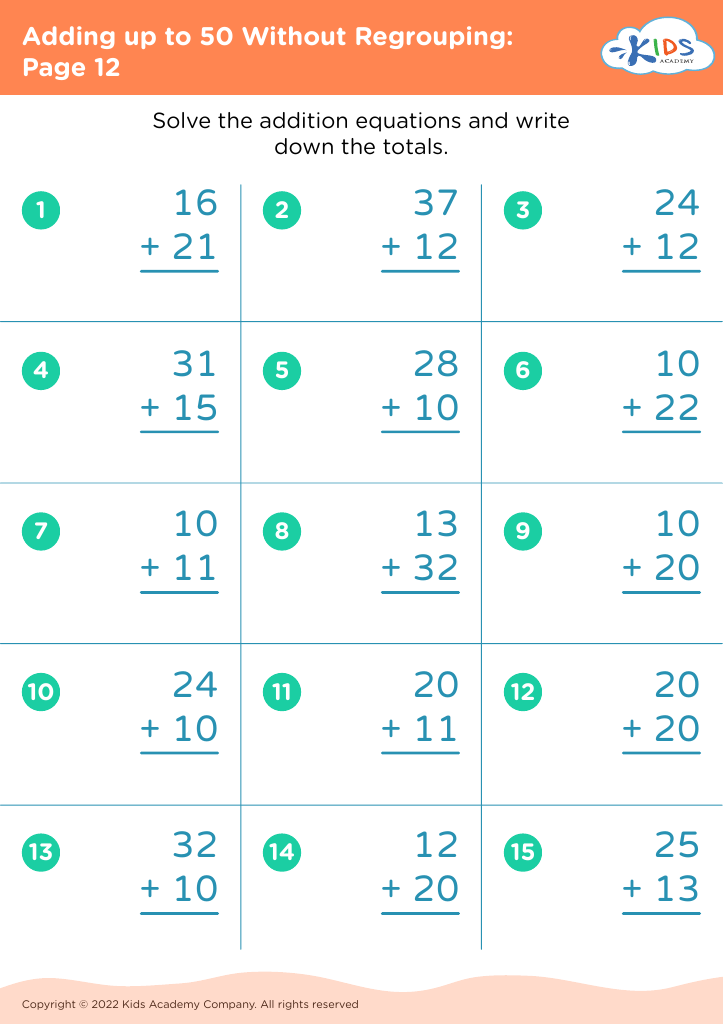
Adding up to 50 Without Regrouping: Page 12
Worksheet
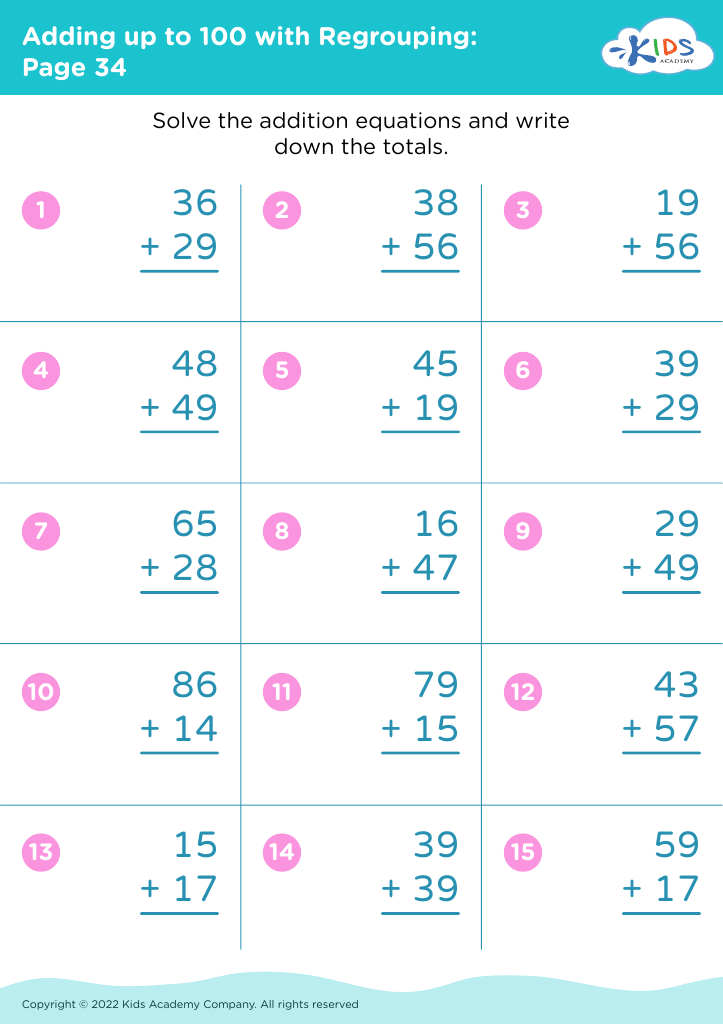
Adding up to 100 with Regrouping: Page 34
Worksheet
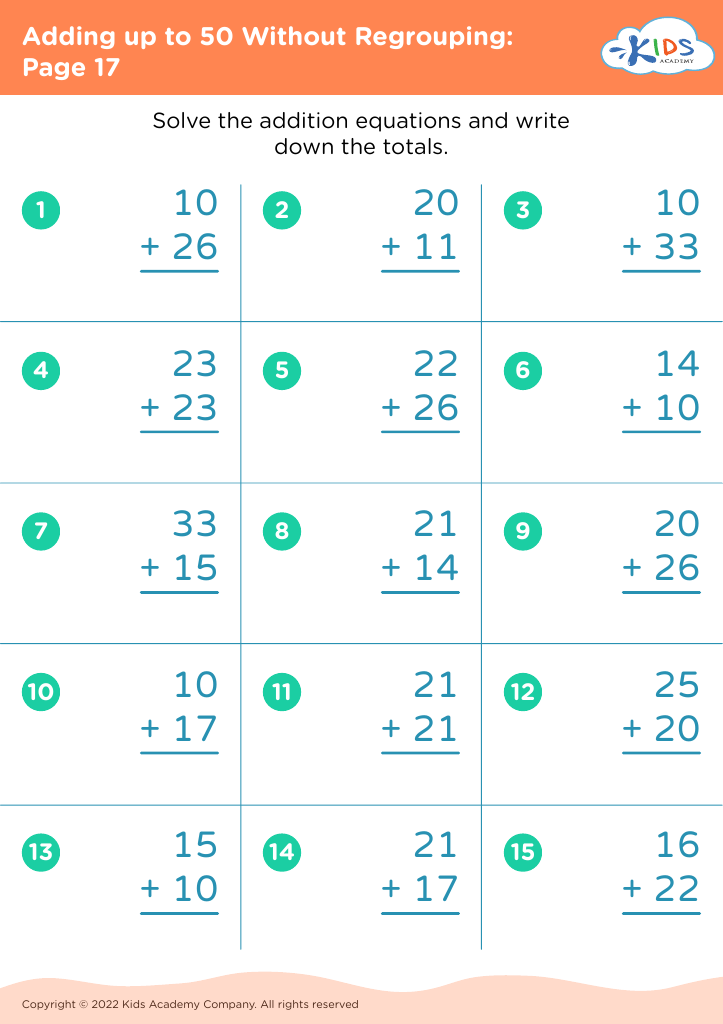
Adding up to 50 Without Regrouping: Page 17
Worksheet
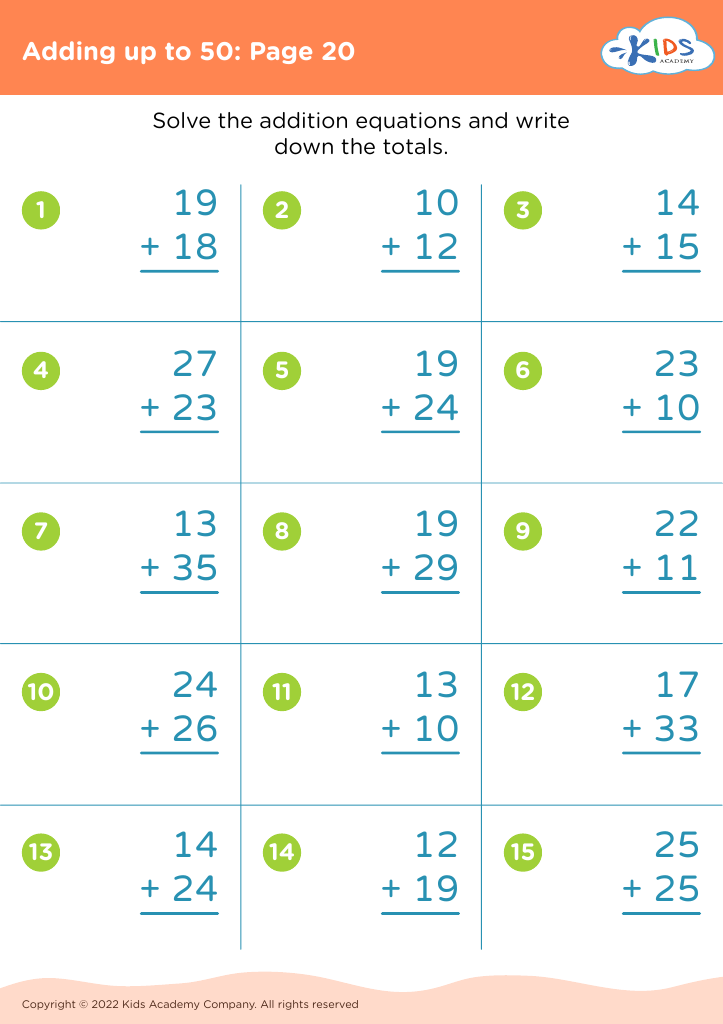
Adding up to 50: Page 20

Adding up to 50: Page 20

Adding up to 50: Page 20
Worksheet
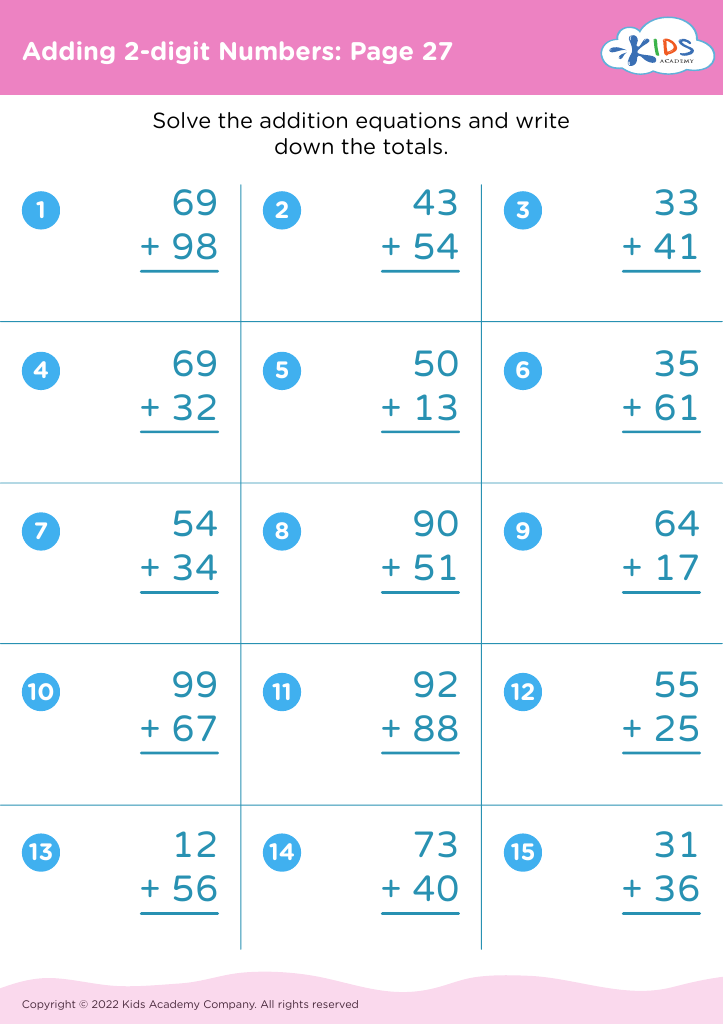
Adding 2-digit Numbers: Page 27

Adding 2-digit Numbers: Page 27

Adding 2-digit Numbers: Page 27
Worksheet


Enhancing number recognition, addition, and subtraction skills for children ages 3-7 is crucial for several reasons. First, these foundational math skills serve as building blocks for future academic success in mathematics and other subjects. By fostering a strong understanding of numbers early on, children develop critical thinking and problem-solving skills that are applicable throughout their education and beyond.

Additionally, number recognition and basic operations like addition and subtraction help children develop everyday life skills. Being comfortable with numbers allows them to make sense of their world, whether counting objects, understanding time, or managing money.

Moreover, early development in these areas aligns with cognitive and social growth. Engaging children in hands-on activities, such as counting games or simple math problems, encourages collaboration and communication, essential skills in their social development.

Finally, fostering a positive attitude towards math at a young age can combat math anxiety in later years. When parents and teachers prioritize these skills, they empower children to approach challenges with confidence and curiosity. In sum, enhancing number recognition and basic arithmetic is paramount in nurturing well-rounded, capable learners prepared for future academic and real-world challenges.