Fine Motor Skills Addition & Subtraction Worksheets for Ages 3-7 - Page 2
82 filtered results
-
From - To
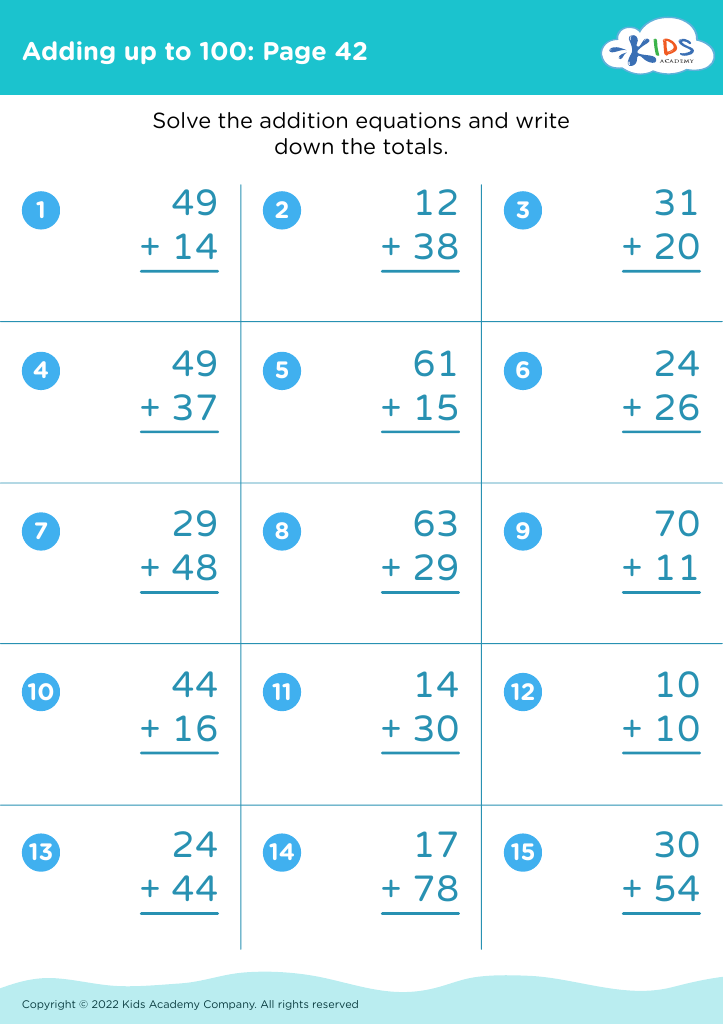
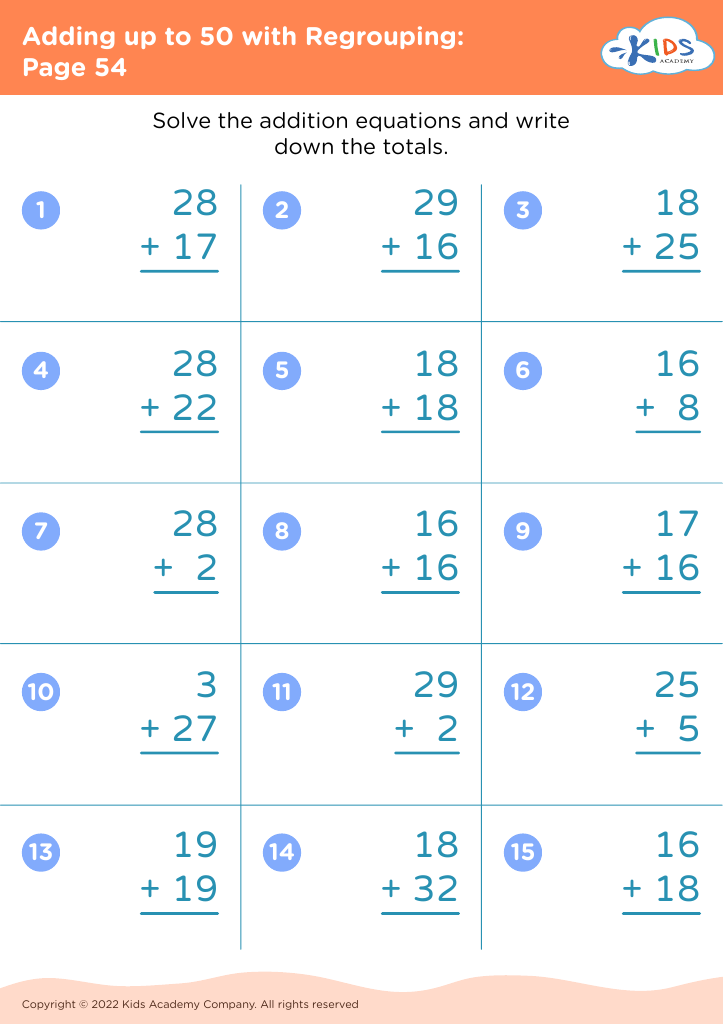
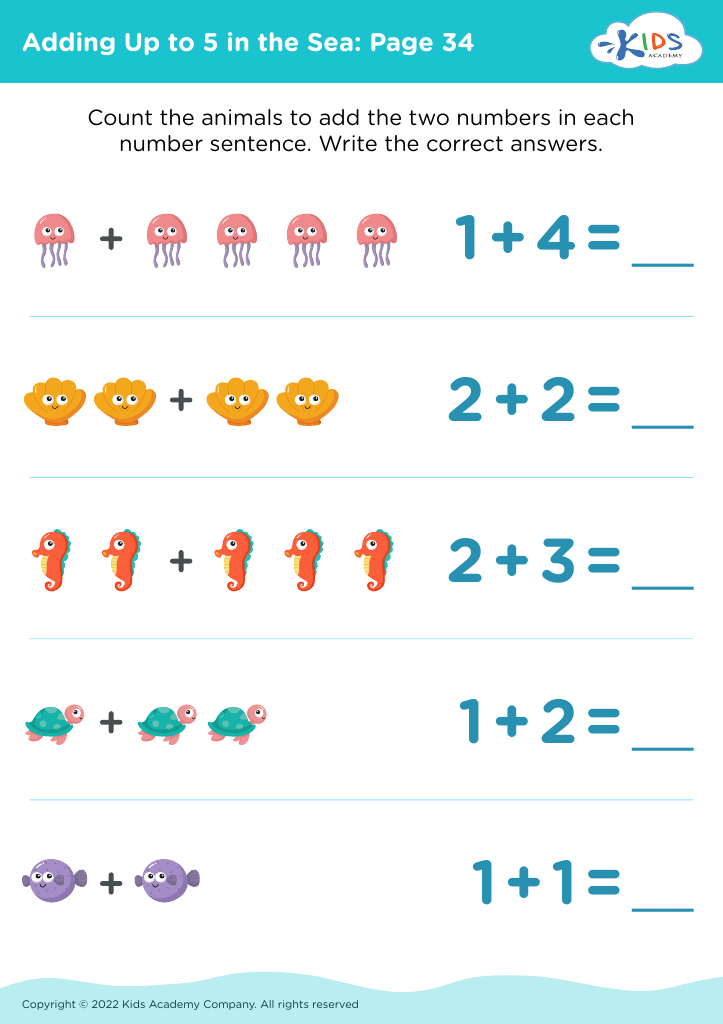
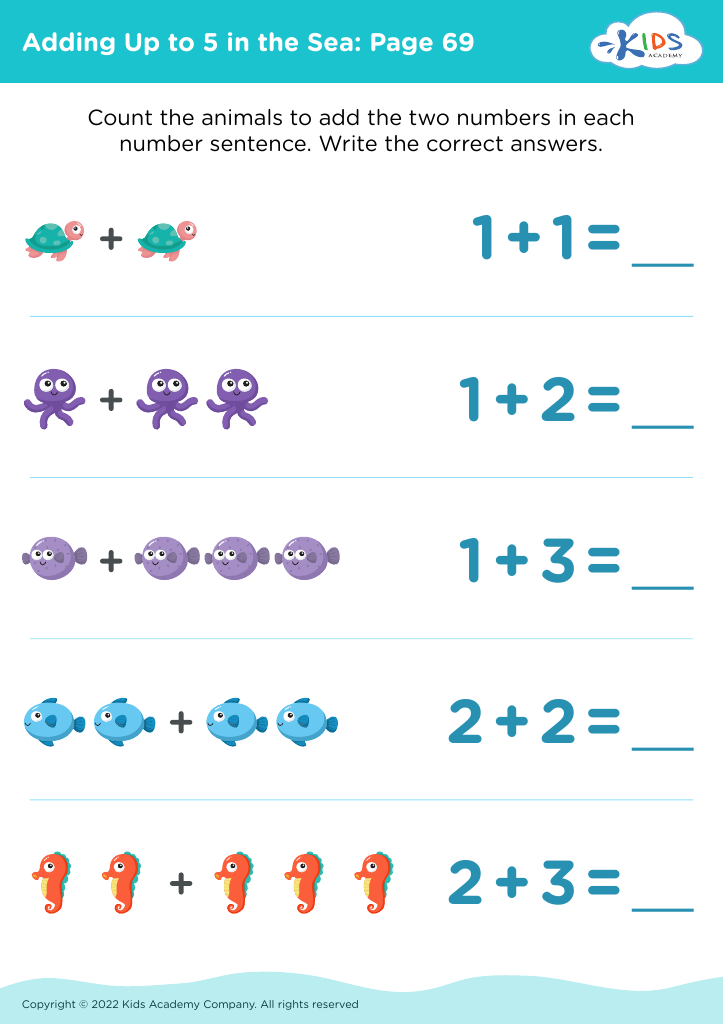
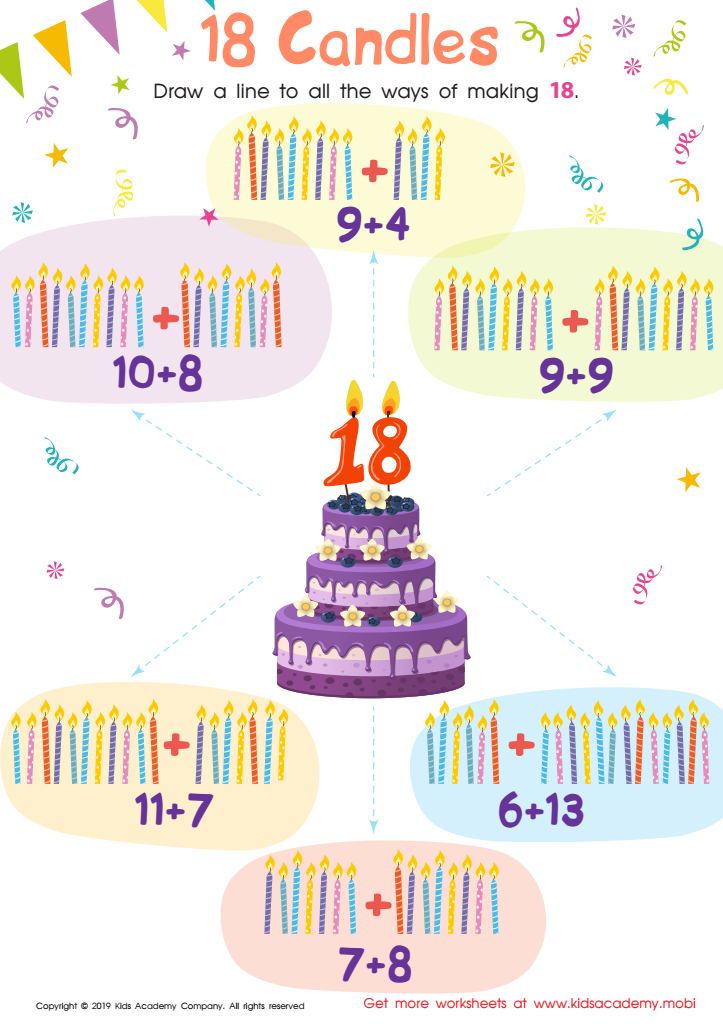
18 Candles Worksheet
 Assign to My Students
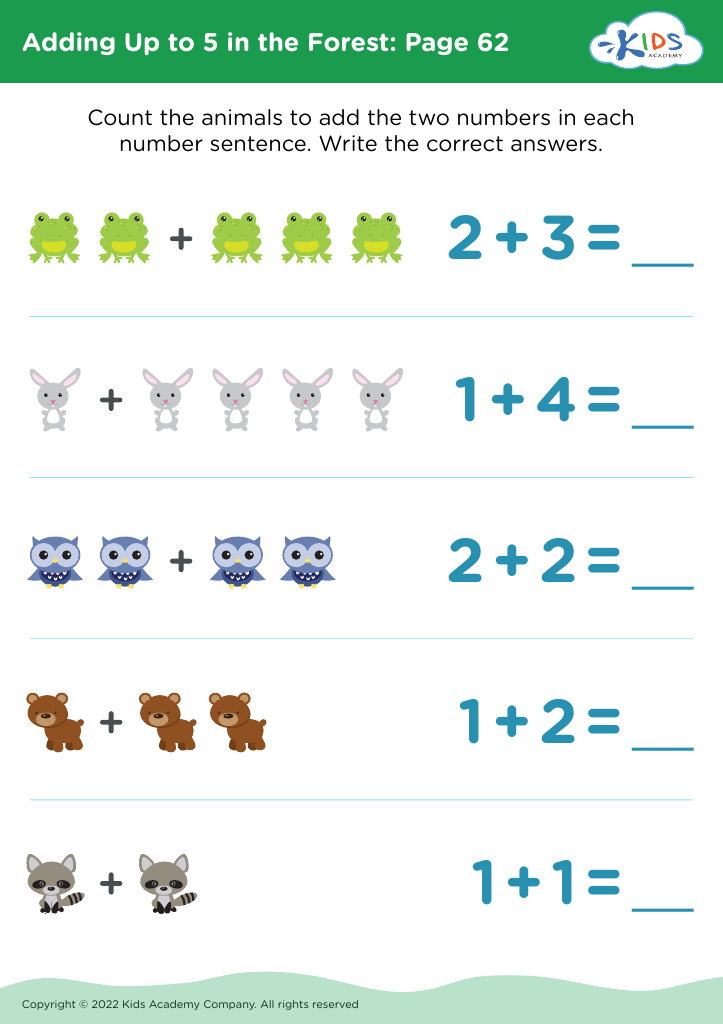
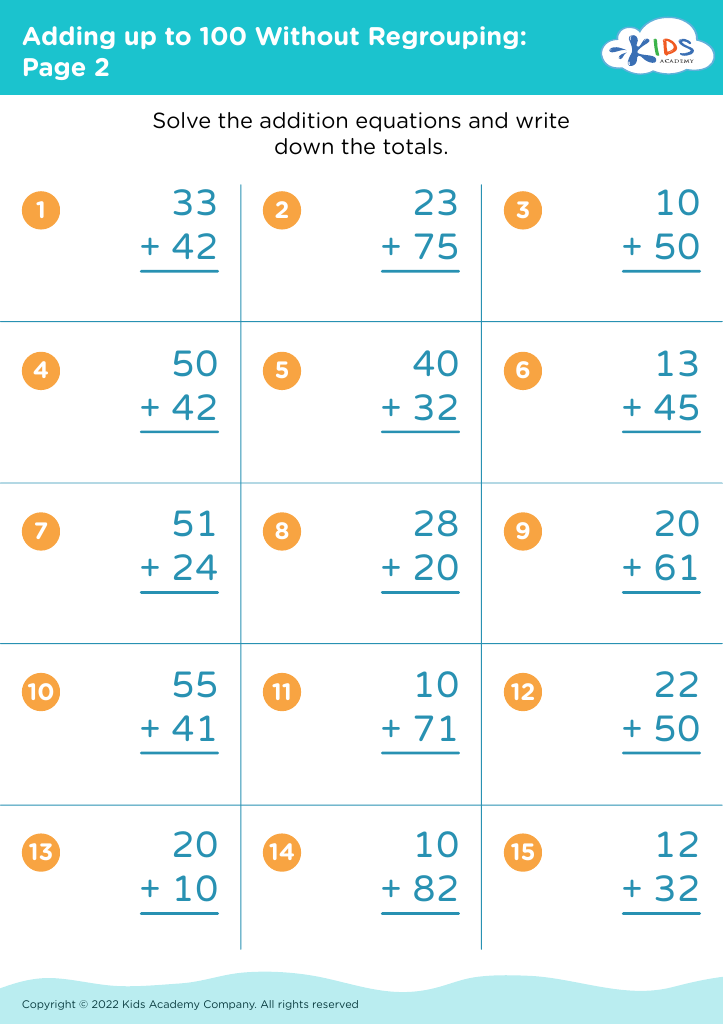
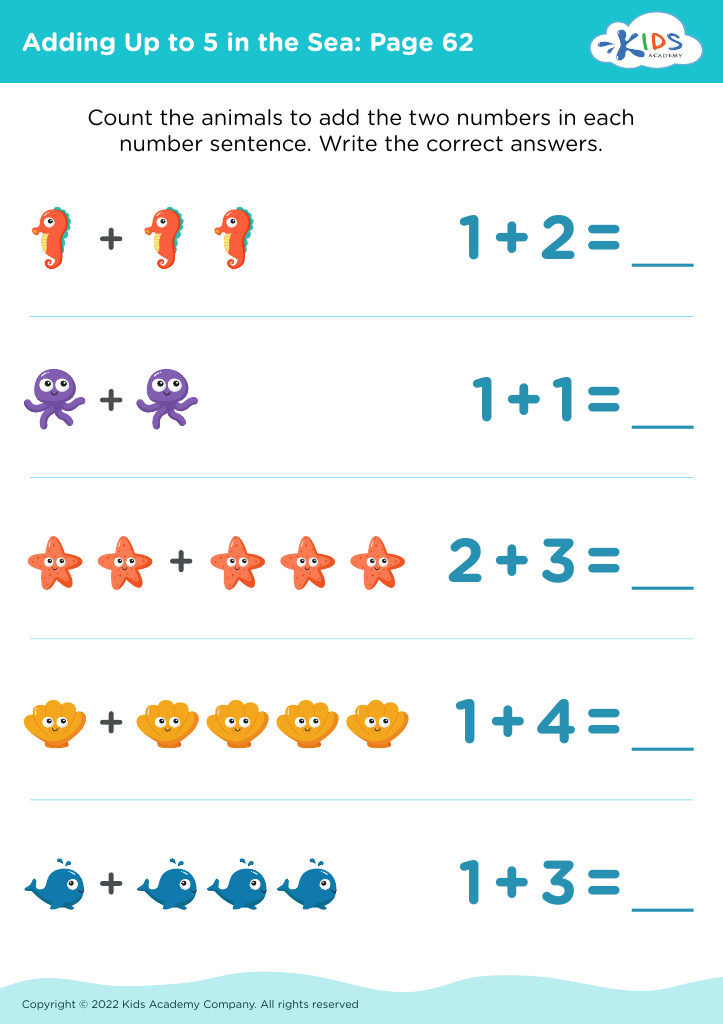
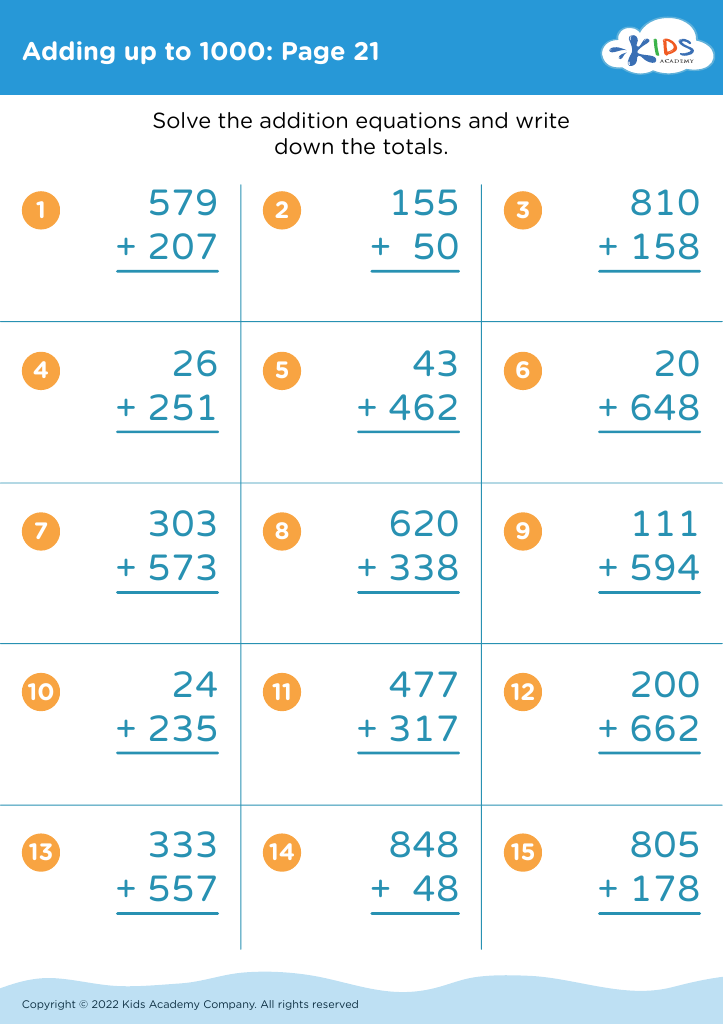
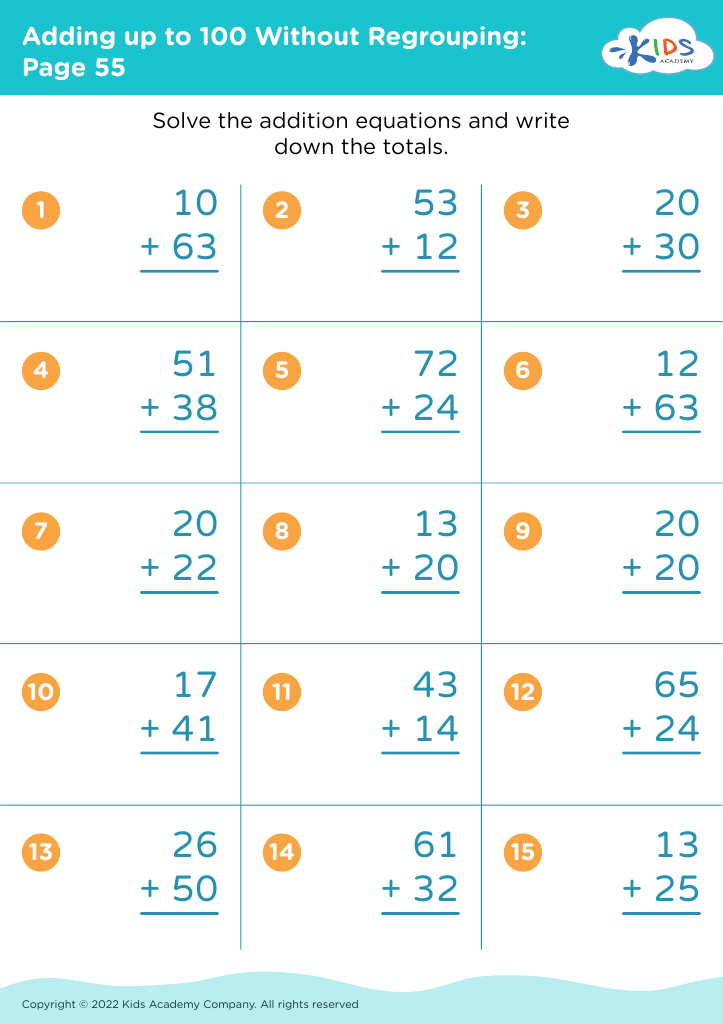
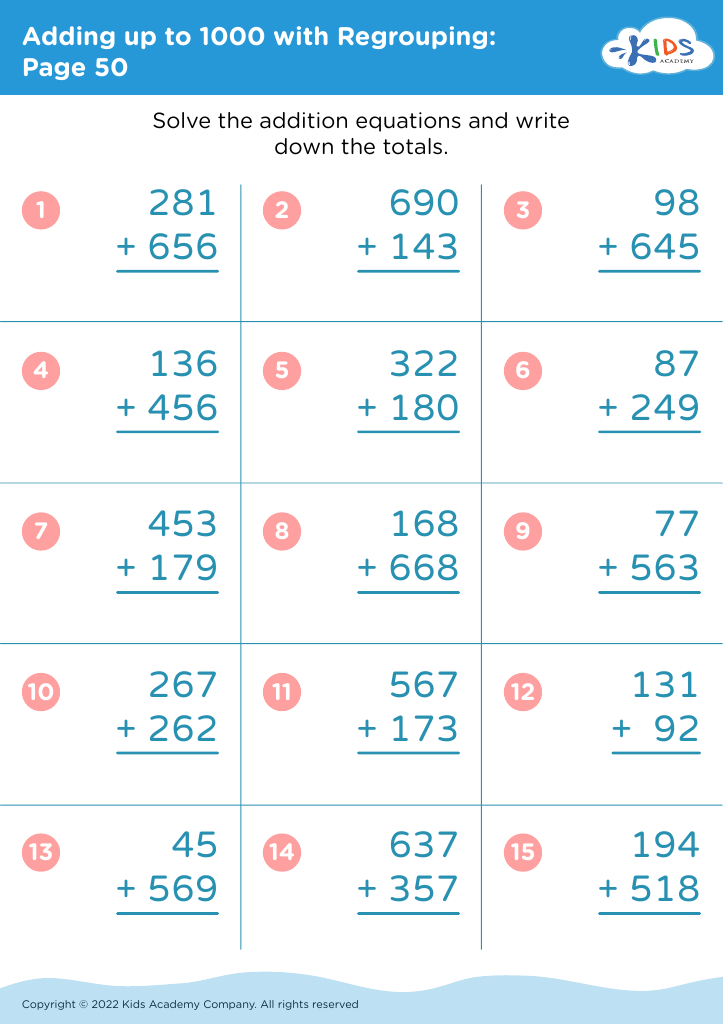
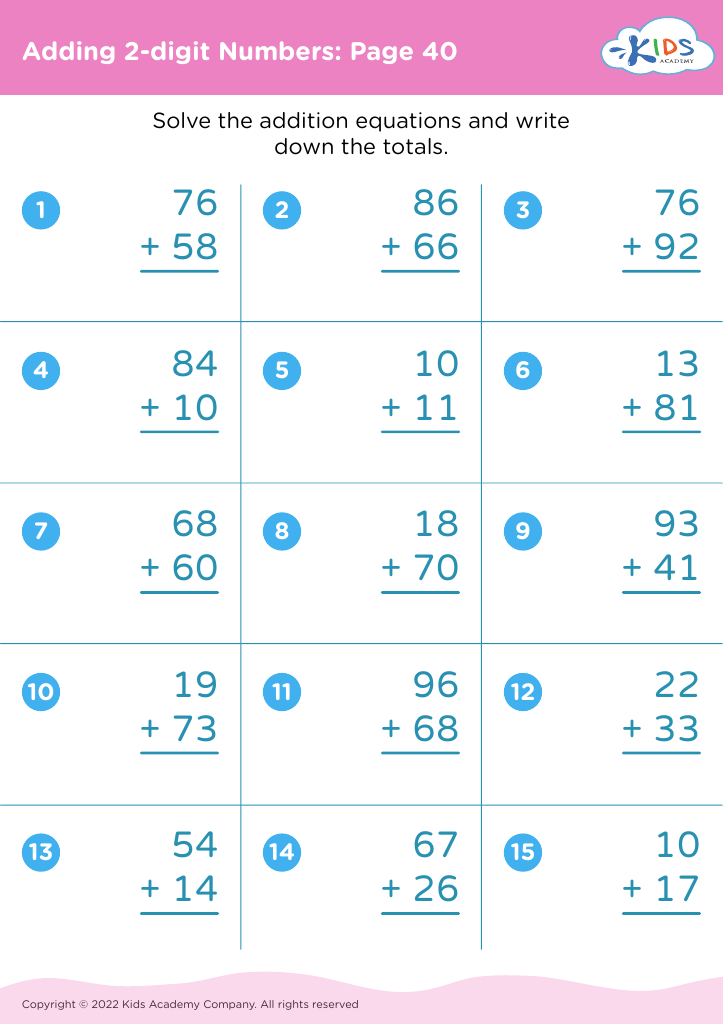
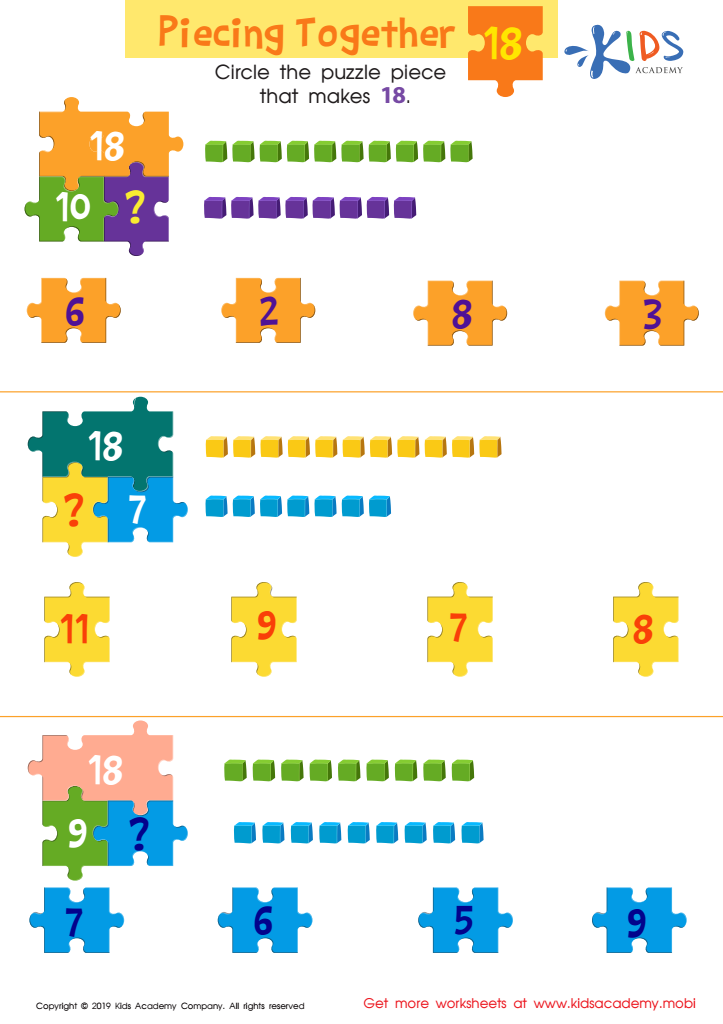
Piecing Together 18 Worksheet
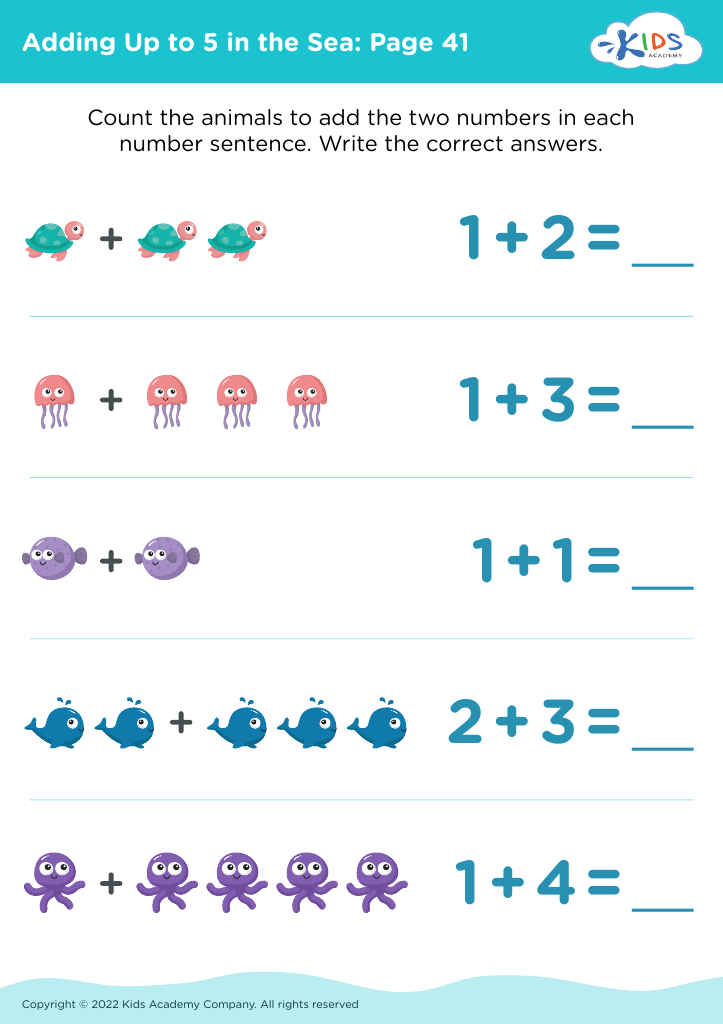
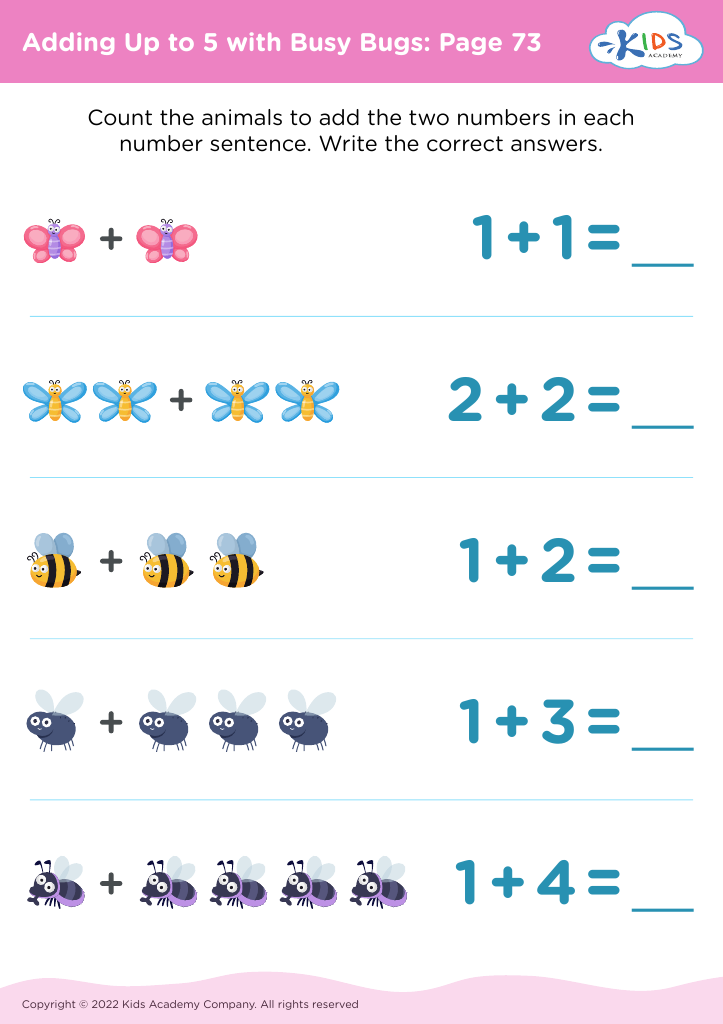
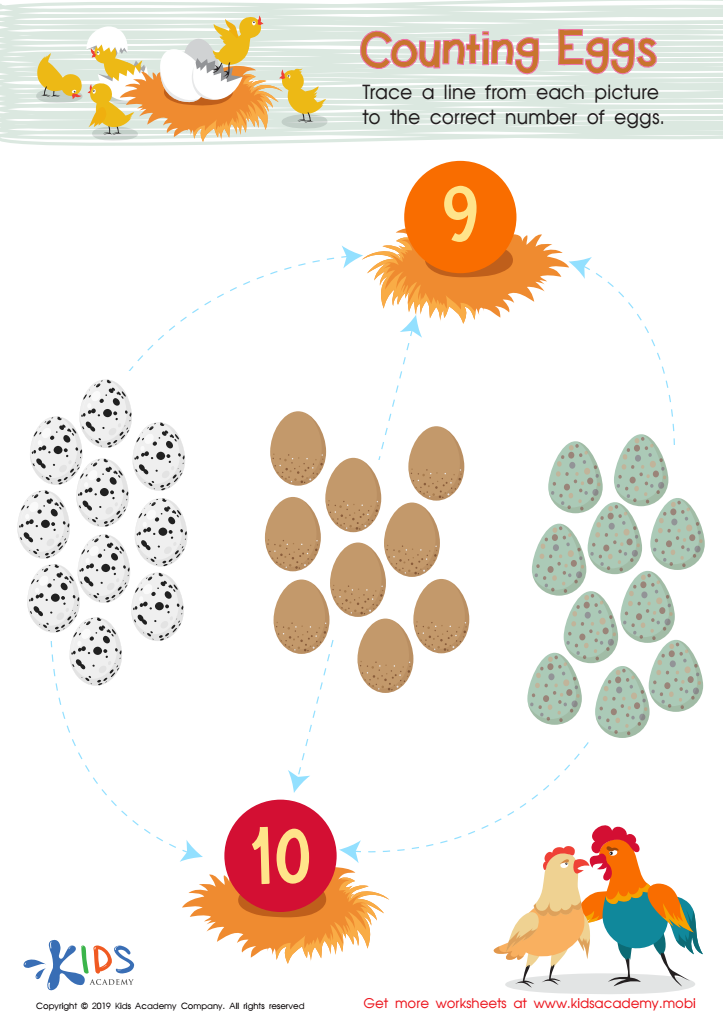
Counting Eggs Worksheet
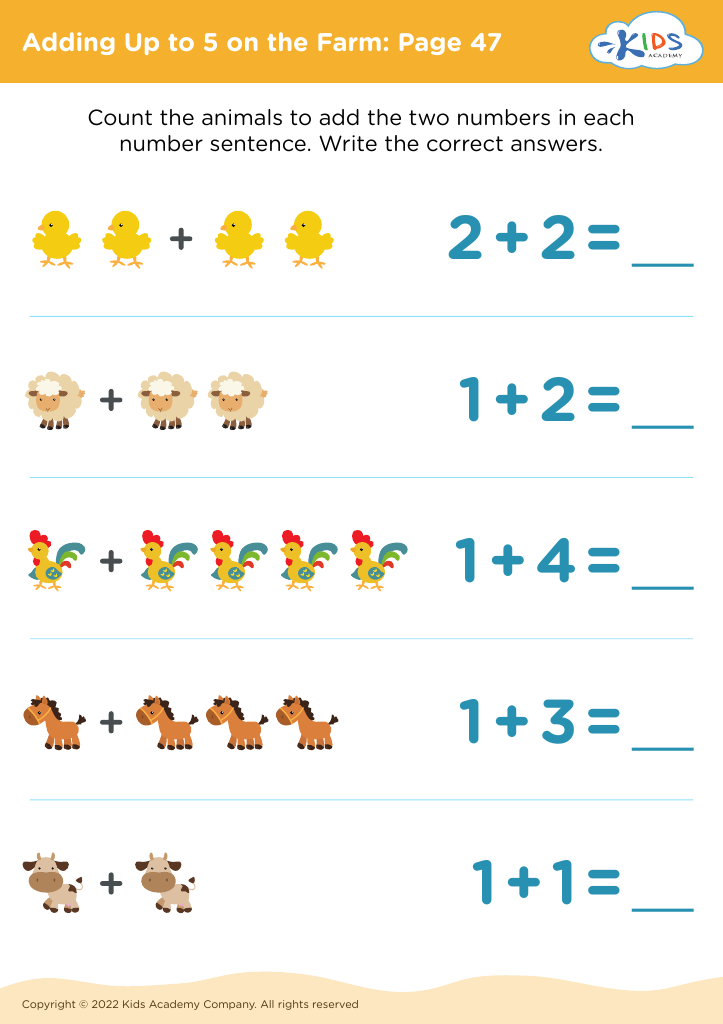
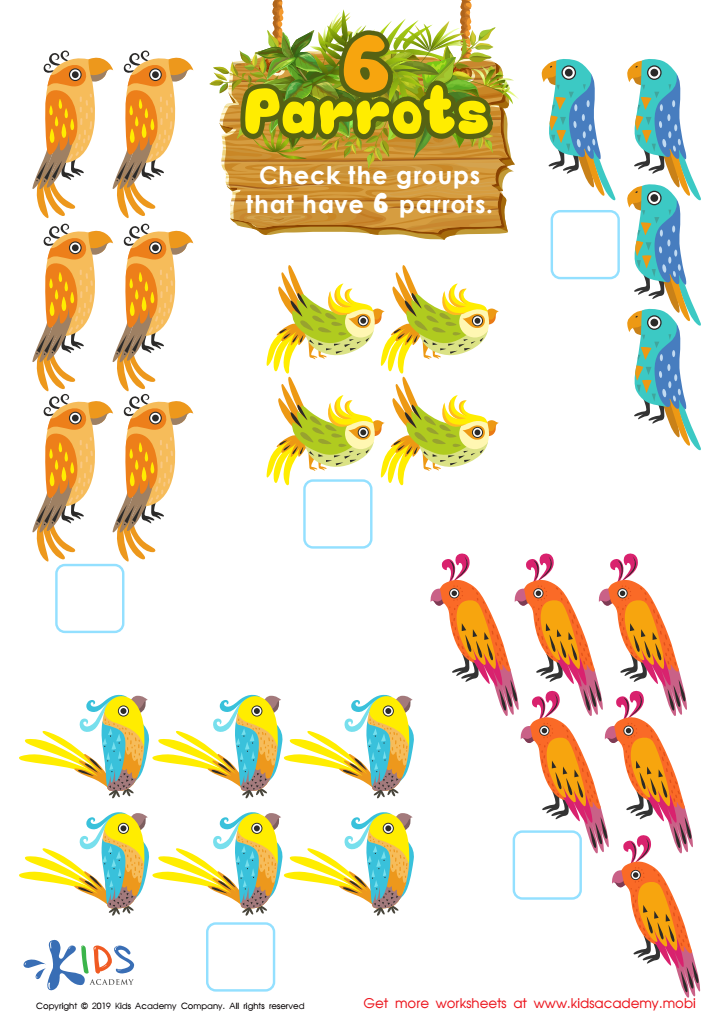
6 Parrots Worksheet








Fine motor skills are essential for children aged 3-7 as they form the foundation for a wide range of developmental milestones, including the ability to perform tasks that are crucial for learning, such as writing, drawing, and manipulating objects. Developing these skills can significantly enhance a child's ability to interact with their environment and engage in essential academic activities, including addition and subtraction.
Incorporating fine motor skill exercises into math activities fosters better hand-eye coordination and dexterity, which can lead to improved writing skills and overall confidence in school tasks. When children employ tactile activities—like counting beads or using twin pencils to write numbers— they not only practice math concepts but also refine their grip and wrist movement.
Teachers and parents should prioritize integrating fine motor skill development into playful, hands-on math experiences to build a solid foundation in numeracy. Such early engagement nurtures critical thinking and problem-solving capabilities, setting the stage for more complex mathematical understanding later on. Ultimately, investing time and resources into fine motor skill development aids children's cognitive growth, benefiting their lifelong learning and personal development.








