Fraction identification Addition & Subtraction Worksheets for Ages 3-7
5 filtered results
-
From - To
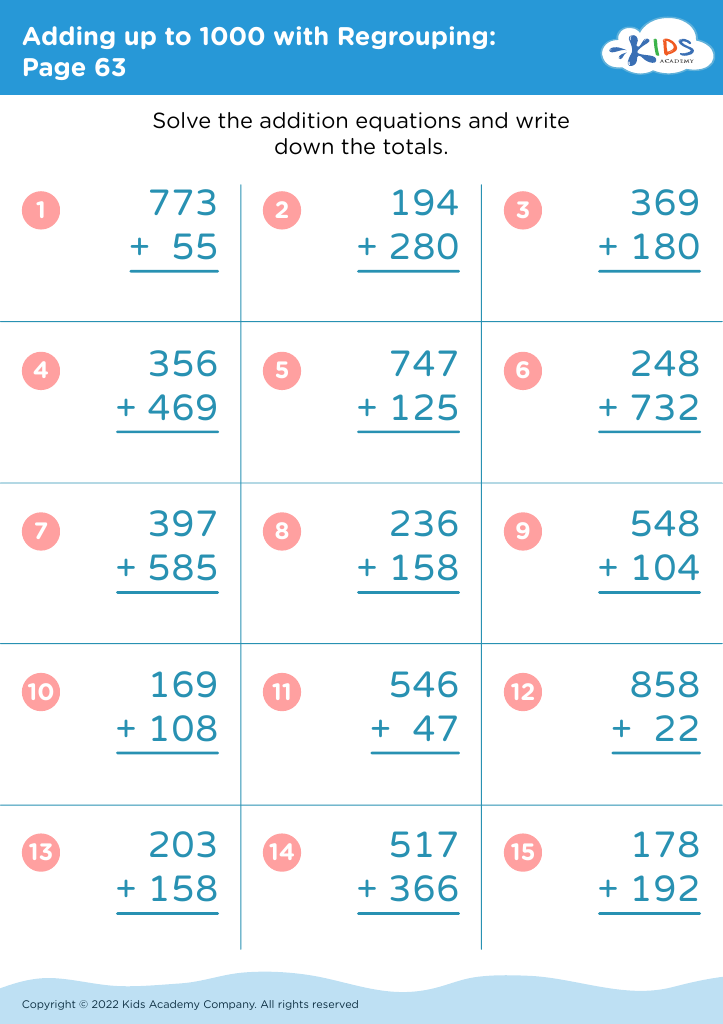
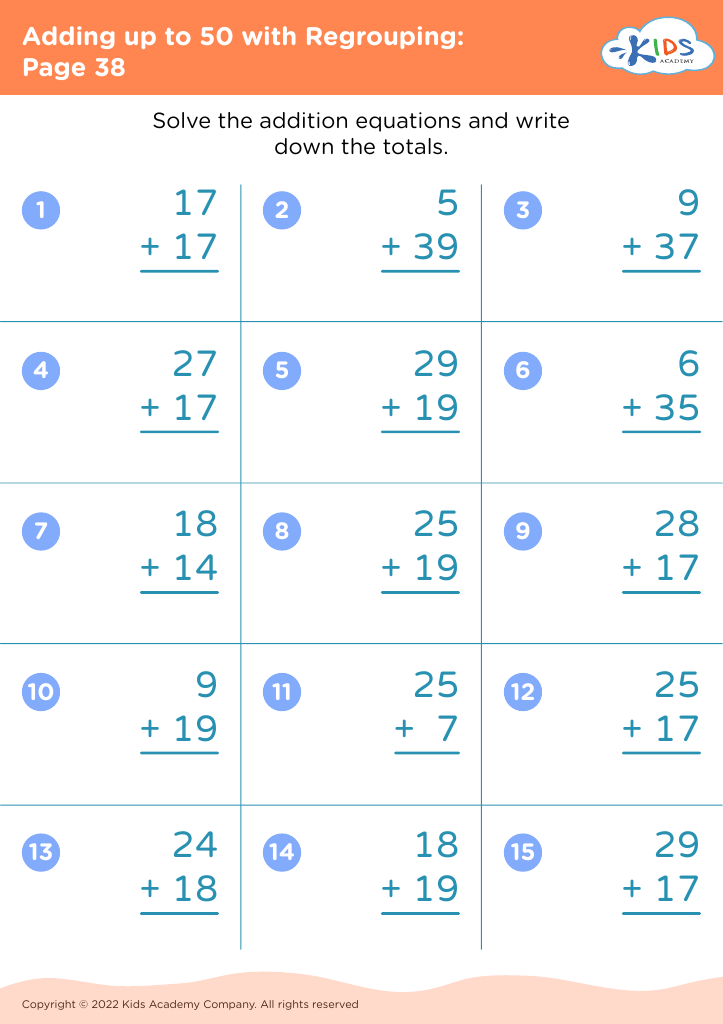
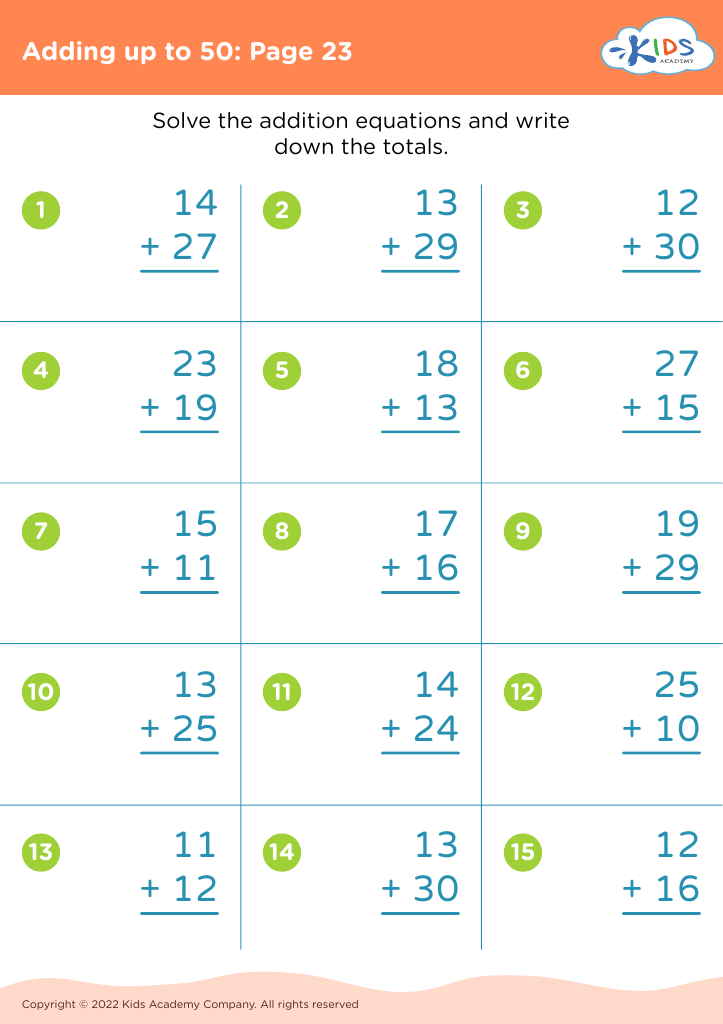
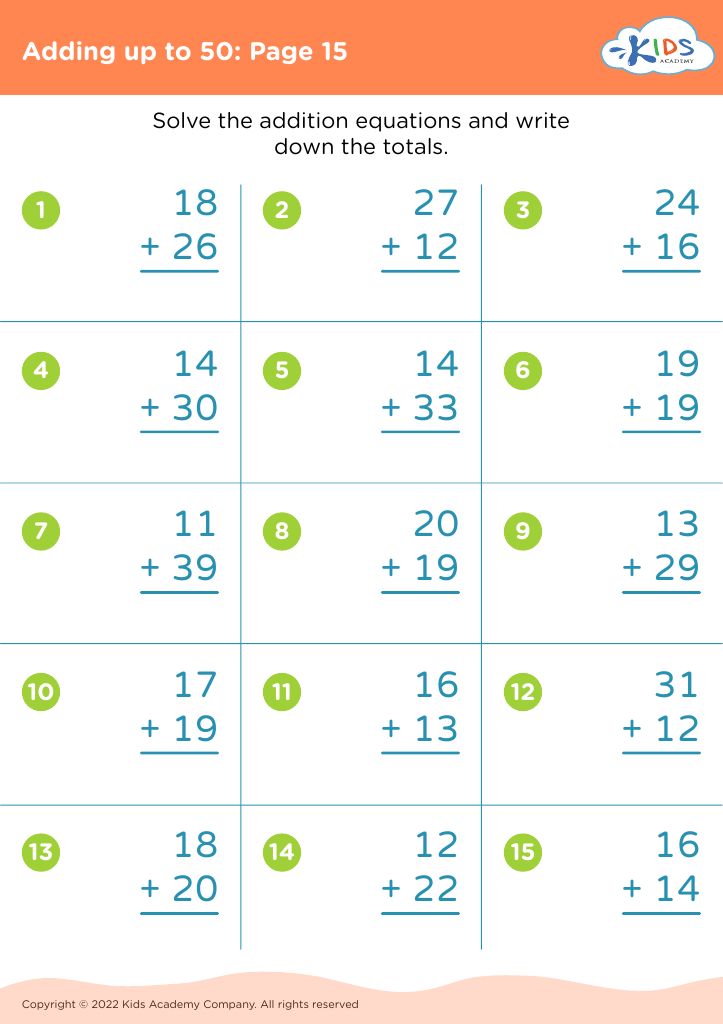
Welcome to our engaging Fraction Identification Addition & Subtraction Worksheets designed specifically for children aged 3-7! These worksheets provide a fun and interactive approach to help young learners understand fractions through addition and subtraction. With colorful visuals and age-appropriate exercises, kids will develop their math skills while recognizing fractions in various contexts. Our resources foster a strong foundation in numerical concepts, encouraging children to solve problems independently. Perfect for home or classroom use, these worksheets stimulate critical thinking and build confidence in young mathematicians. Explore our extensive collection and make learning fractions an enjoyable adventure for your little ones today!
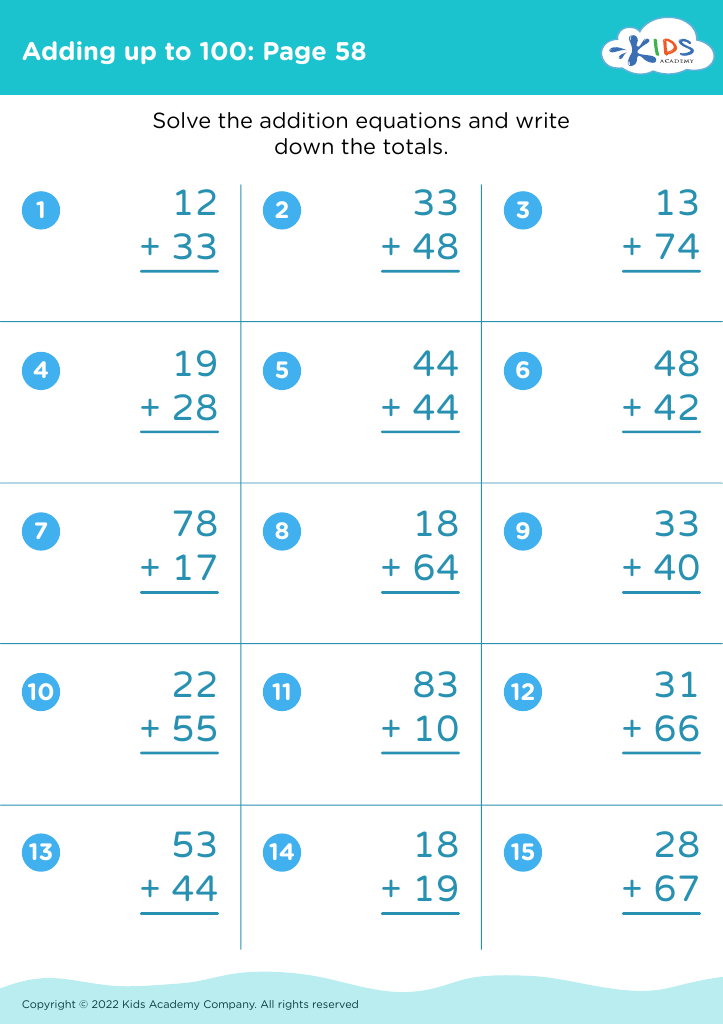








Understanding fraction identification, addition, and subtraction is crucial for children aged 3-7 as it lays the foundation for their overall mathematics education. At this early age, children start to develop their numerical sense, and being introduced to fractions helps them grasp concepts of part-whole relationships. By recognizing fractions, young learners begin to understand how quantities can be divided, compared, and combined, fostering critical thinking skills.
For parents and teachers, focusing on these concepts encourages engagement through hands-on activities, such as using real-life objects like pizza slices or fruits, making learning enjoyable. It also promotes language development as children describe their reasoning and choices. Early introduction to these skills prepares them for more advanced math topics later, ensuring they are not overwhelmed as they progress in their education.
Additionally, a solid understanding of fractions aids in everyday problem-solving situations, like dividing cake or sharing toys, reinforcing the idea that math is relevant and applicable in daily life. This skill set cultivates confidence in young learners, encouraging a positive attitude towards math, which is crucial for their ongoing academic journey. Ultimately, investing time in early fraction education contributes to lifelong analytical and numerical skills.








