Fraction simplification Addition & Subtraction Worksheets for Ages 3-7 - Page 3
58 filtered results
-
From - To
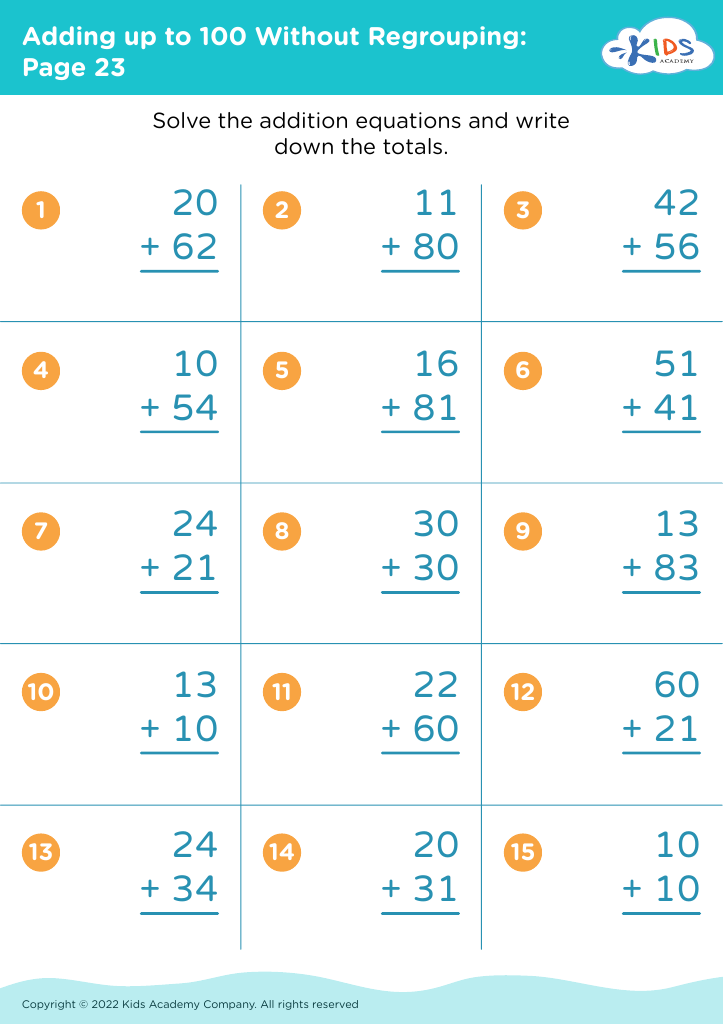
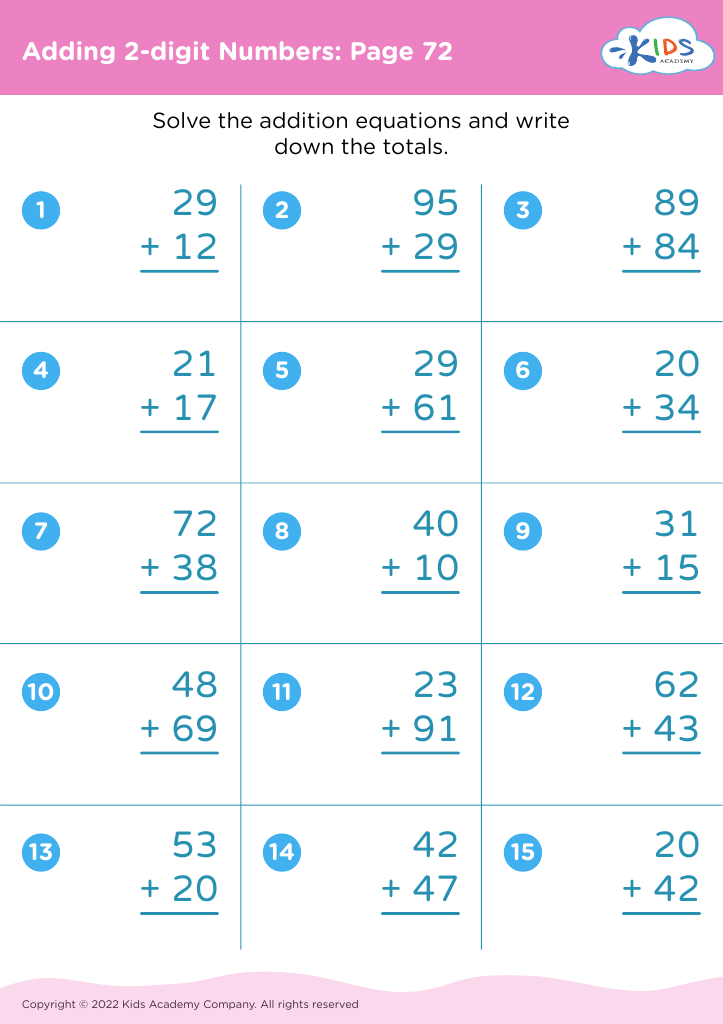
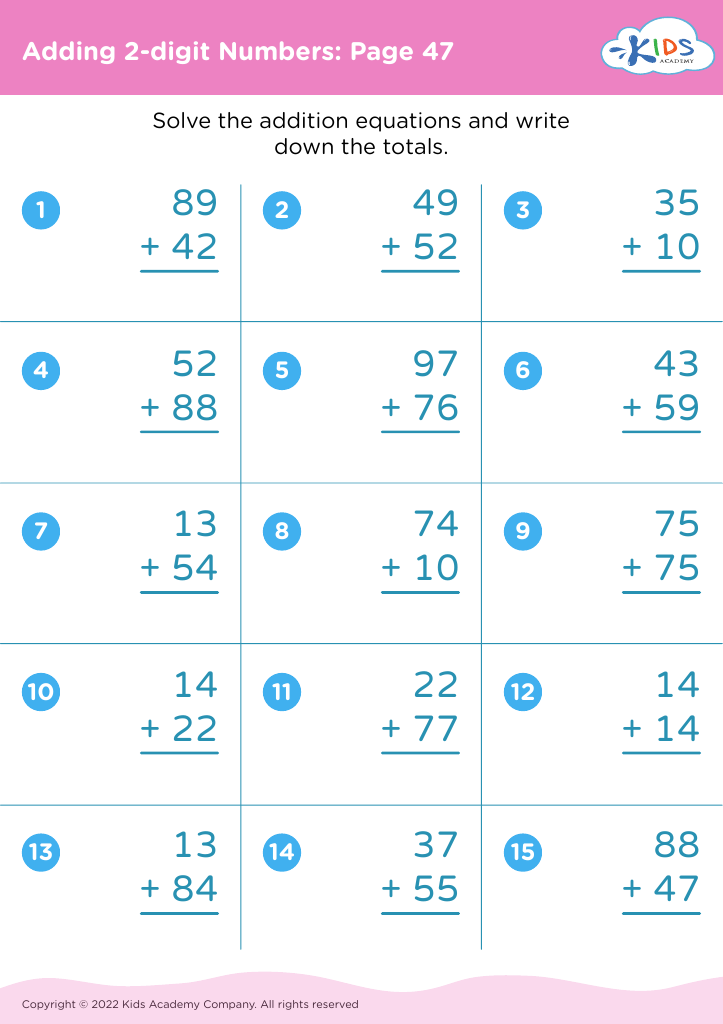
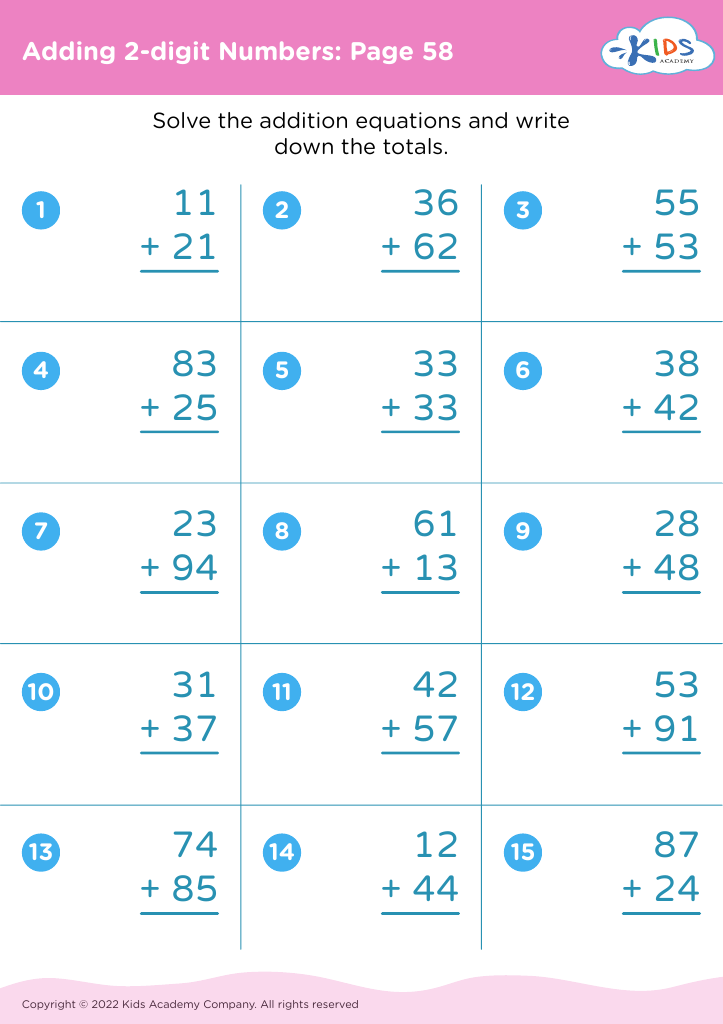
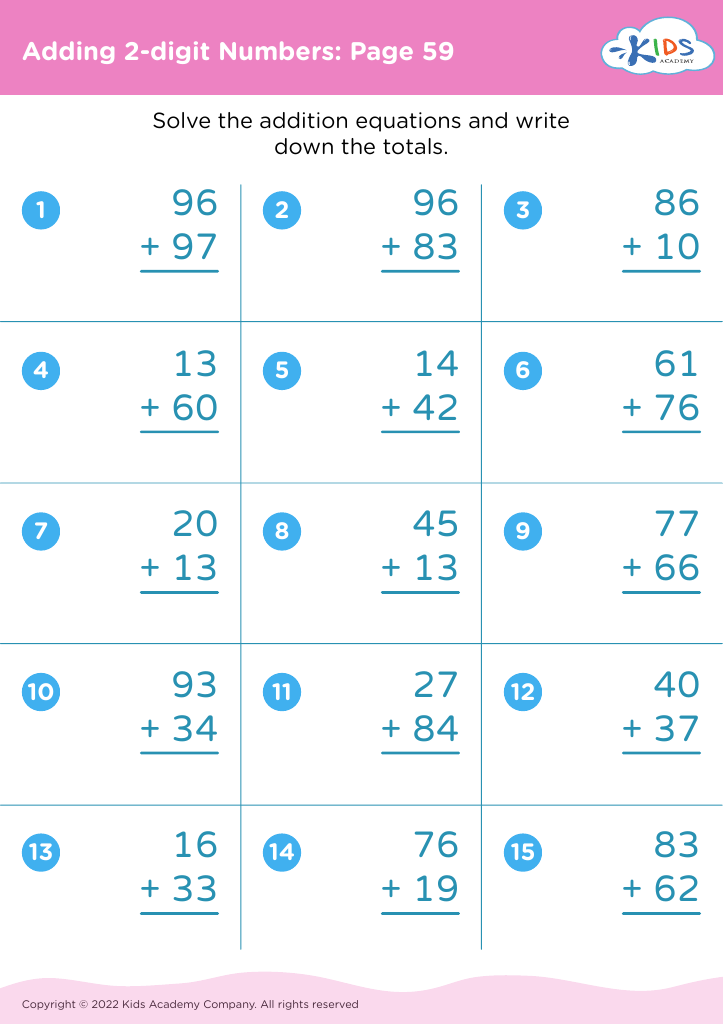
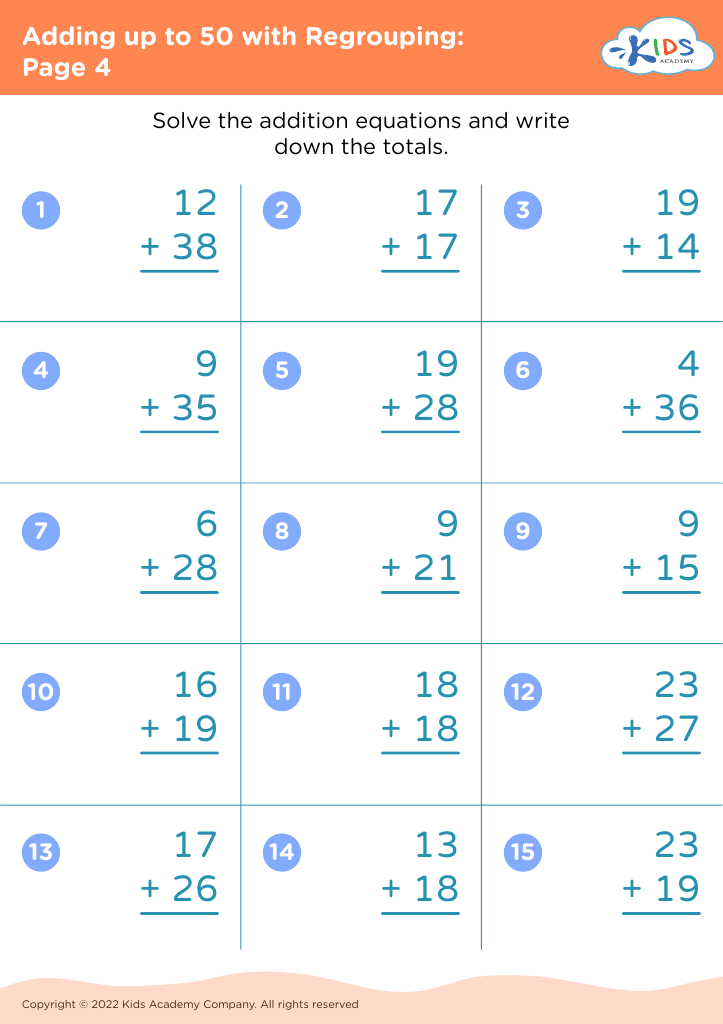
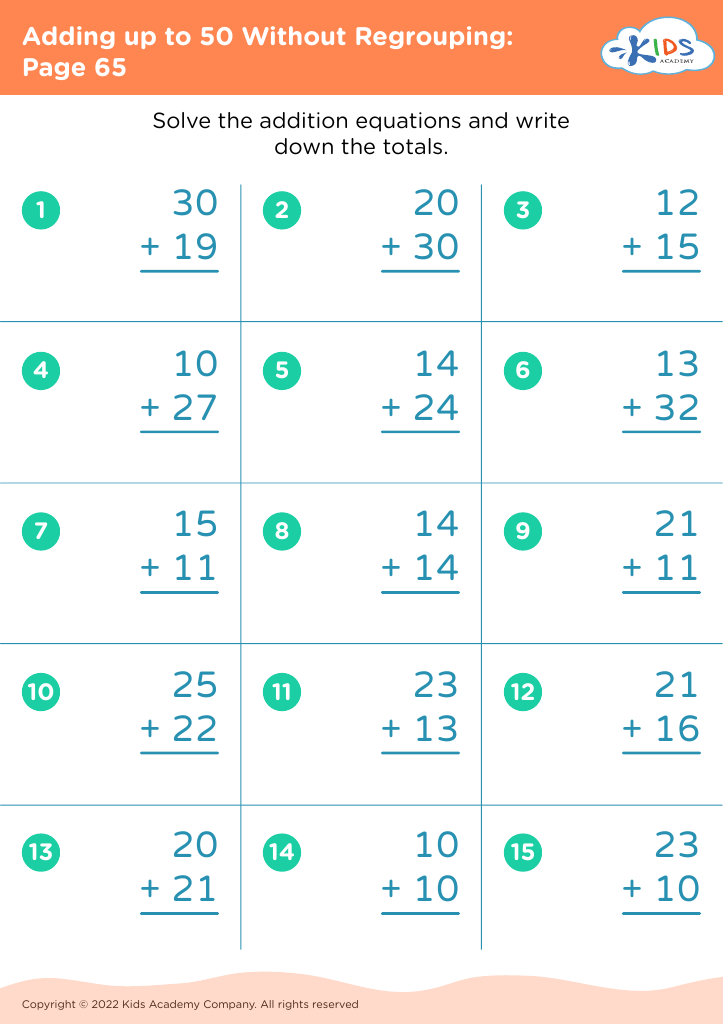
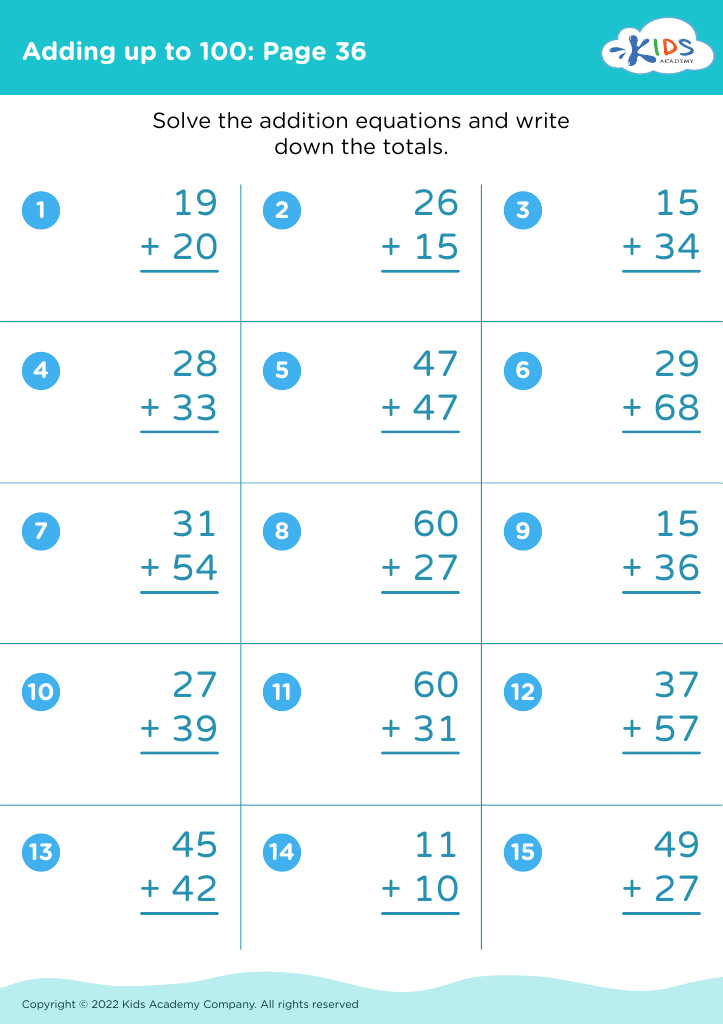
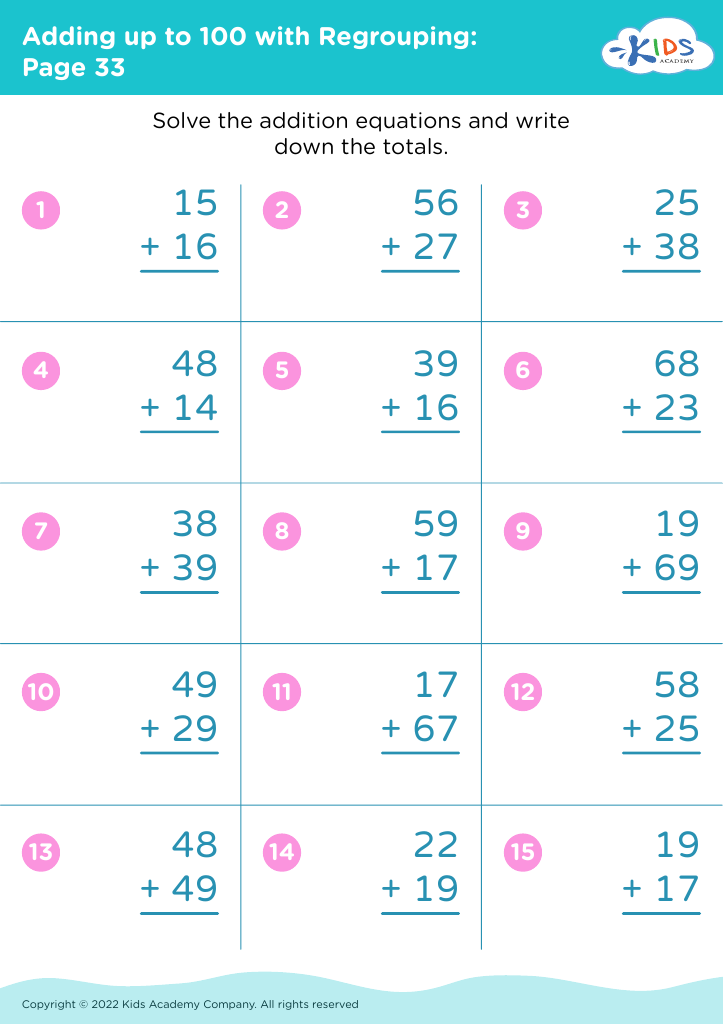
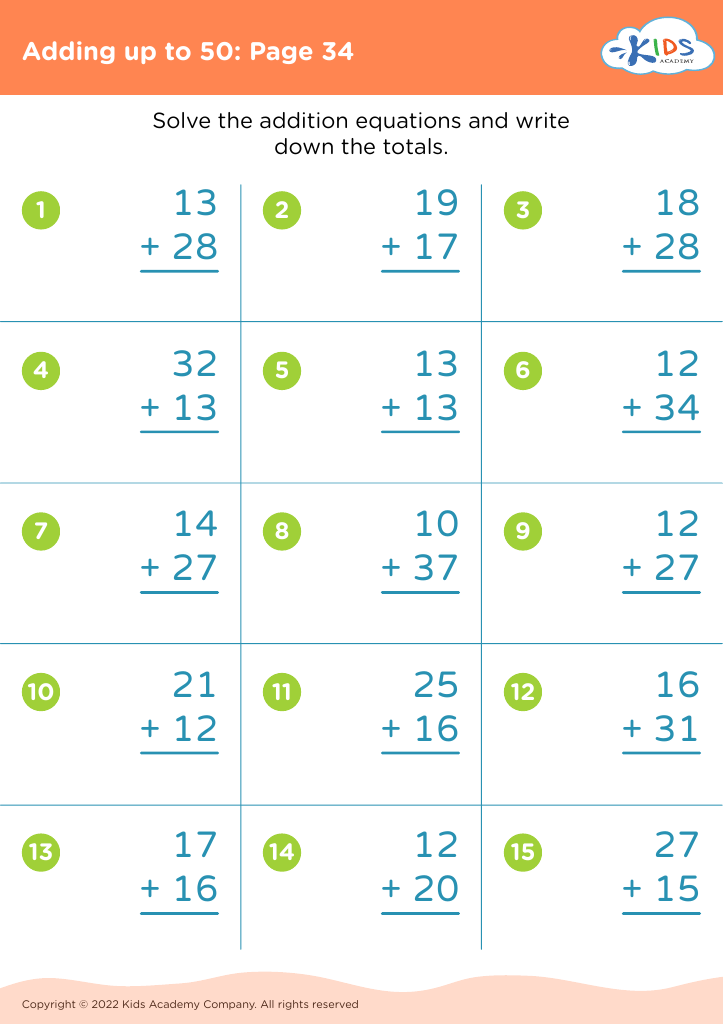








Caring about fraction simplification, addition, and subtraction for children ages 3-7 is essential for laying a solid foundation in mathematics. Early exposure to these concepts is crucial because the early years are a critical period for cognitive development. Simplifying fractions, and practicing addition and subtraction with fractions, nurtures a child's numerical understanding, problem-solving skills, and logical thinking.
Introducing these mathematical principles at an early age also helps combat math anxiety; by demystifying the subject and presenting it as a fun and engaging challenge, children are more likely to approach math with confidence and curiosity. Moreover, fractions are ubiquitous in everyday life—whether you're measuring ingredients for a recipe, dividing a pizza, or figuring out time intervals.
Teaching young children fractions in a simplified and accessible way helps bridge the gap between concrete and abstract mathematical concepts. It seamlessly connects to other fundamental math skills, such as counting, basic arithmetic, and recognizing patterns. This holistic approach ensures a more comprehensive understanding and prepares children for more advanced mathematical concepts they will encounter later on.
Parents and teachers should care because instilling these skills early on can foster a lifelong appreciation and proficiency in math, which is pivotal for academic success and everyday problem-solving.








