Identifying fractions Addition & Subtraction Worksheets for Ages 3-7
4 filtered results
-
From - To
Our "Identifying Fractions Addition & Subtraction Worksheets for Ages 3-7" are designed to build a strong foundation in early math skills for young learners. Perfectly tailored for kids aged 3 to 7, these fun and engaging worksheets help children grasp the concepts of fractions, addition, and subtraction. Through colorful visuals and age-appropriate challenges, children will learn to identify, add, and subtract fractions effortlessly. Boost your child's confidence and interest in math with these interactive resources that make learning both enjoyable and effective. Ideal for classroom or at-home practice, setting the stage for future math success.
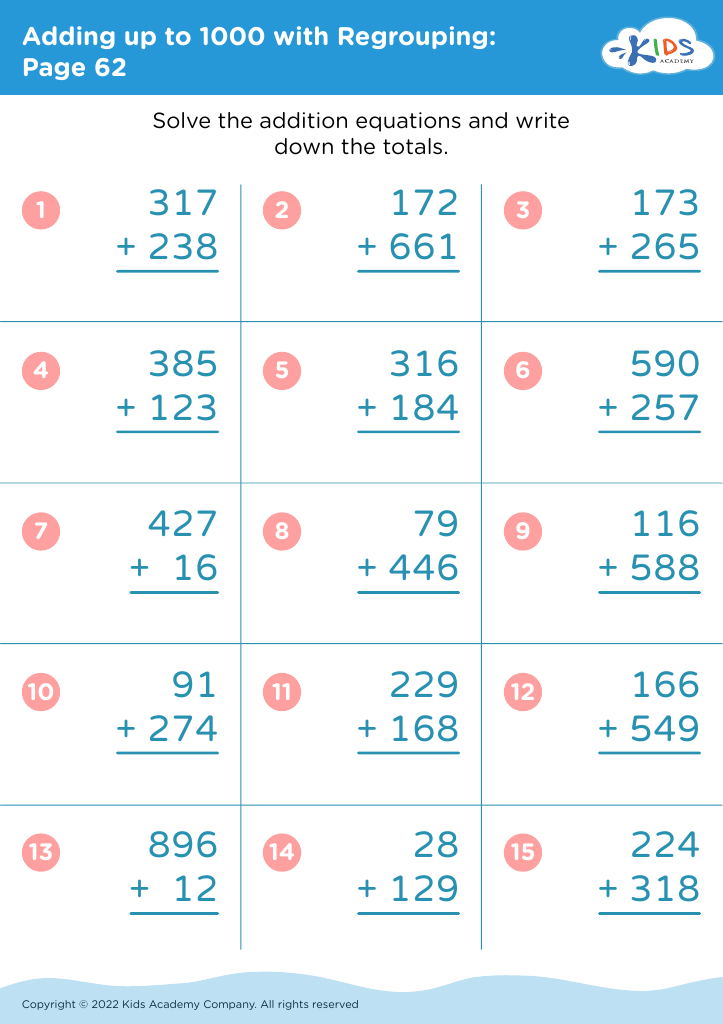
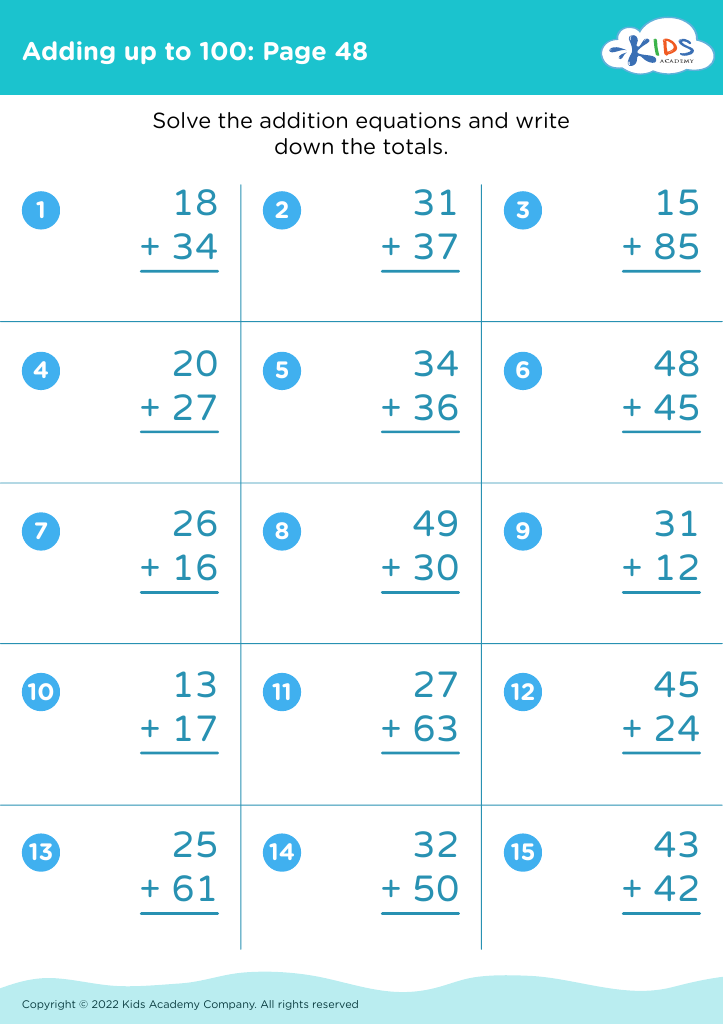
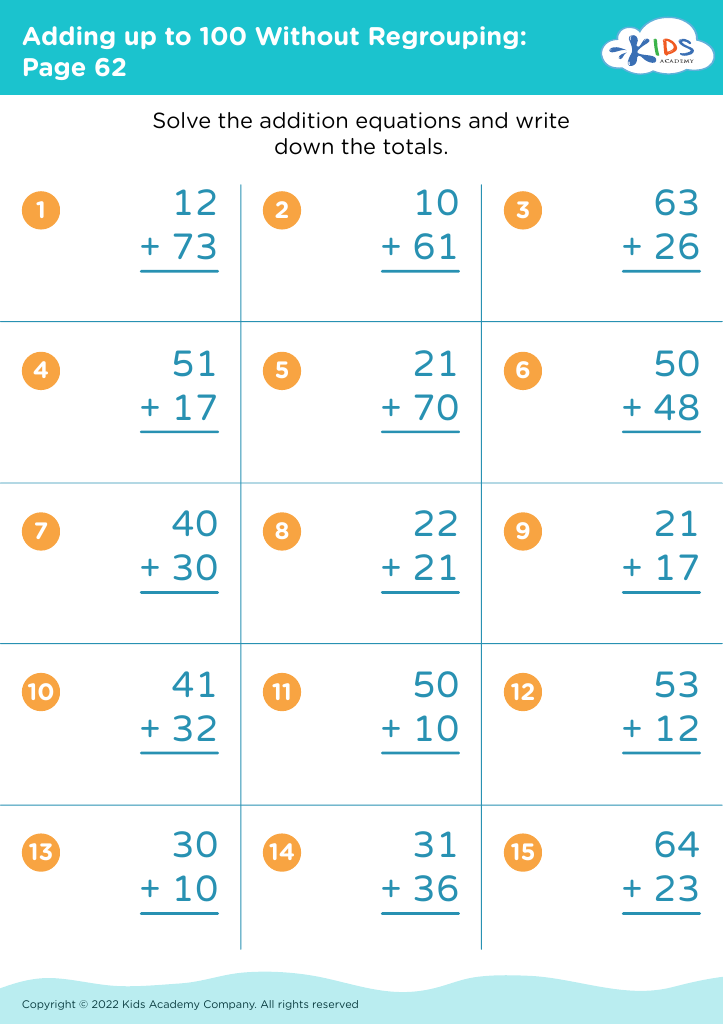
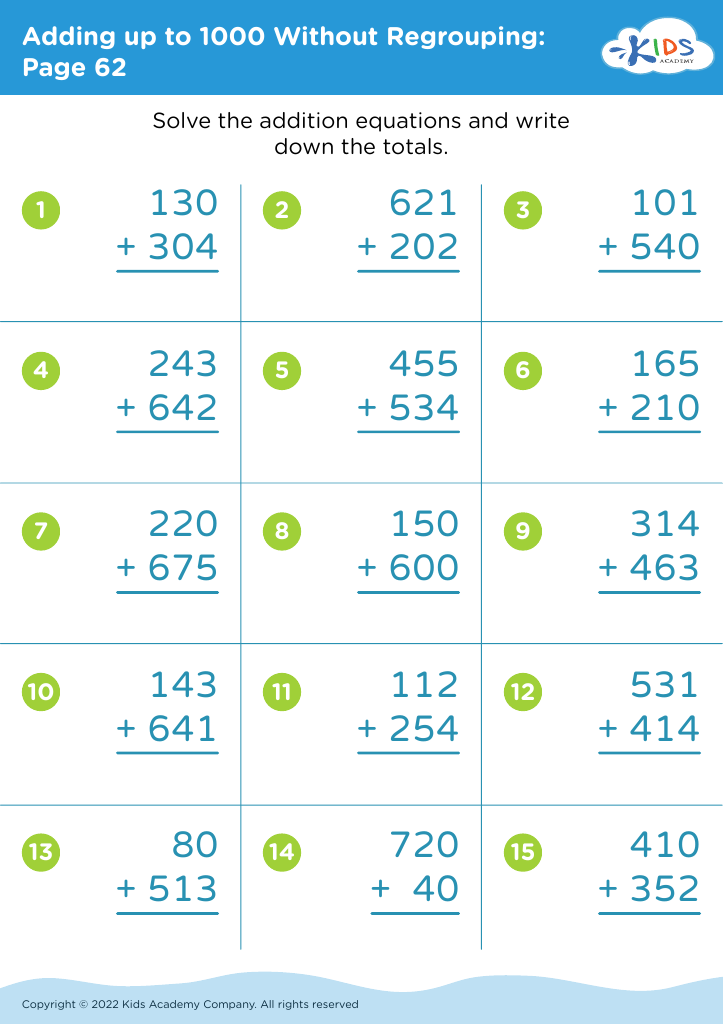








Understanding fractions, as well as their addition and subtraction, is a fundamental math skill that sets the foundation for more advanced concepts children will encounter later in their educational journey. For children aged 3-7, this knowledge nurtures critical thinking and problem-solving abilities, essential for everyday decision-making and academic success.
Introducing fractions through addition and subtraction early instills a sense of numerical relationships and the part-whole concept, crucial for developing a robust mathematical intuition. For instance, when children grasp that 1/2 + 1/4 equals 3/4, they are recognizing parts adding up to create a whole, a notion that underpins various complex math topics they'll tackle in future grades.
Moreover, making these concepts familiar within this age group often helps mitigate math anxiety, building confidence as they age. Engaging young minds with fractions in playful and relatable ways, such as through sharing activities or cooking measurements, makes the learning process enjoyable and memorable, promoting positive attitudes towards math.
For parents and teachers, focusing on these skills means investing in a child's long-term academic health and empowering them with tools to understand and interpret the world mathematically. Dedicating attention to fractions addition and subtraction will undoubtedly benefit children’s educational roots, ensuring steady and confident progression in their math journey.








