Check out this FREE Trial Lesson on Addition & Subtraction for age 3-7!

Short and Long Vowel Sort

Favorites
With answer key
Interactive
  • 3-7
  • Improve counting skills
  • Addition & Subtraction
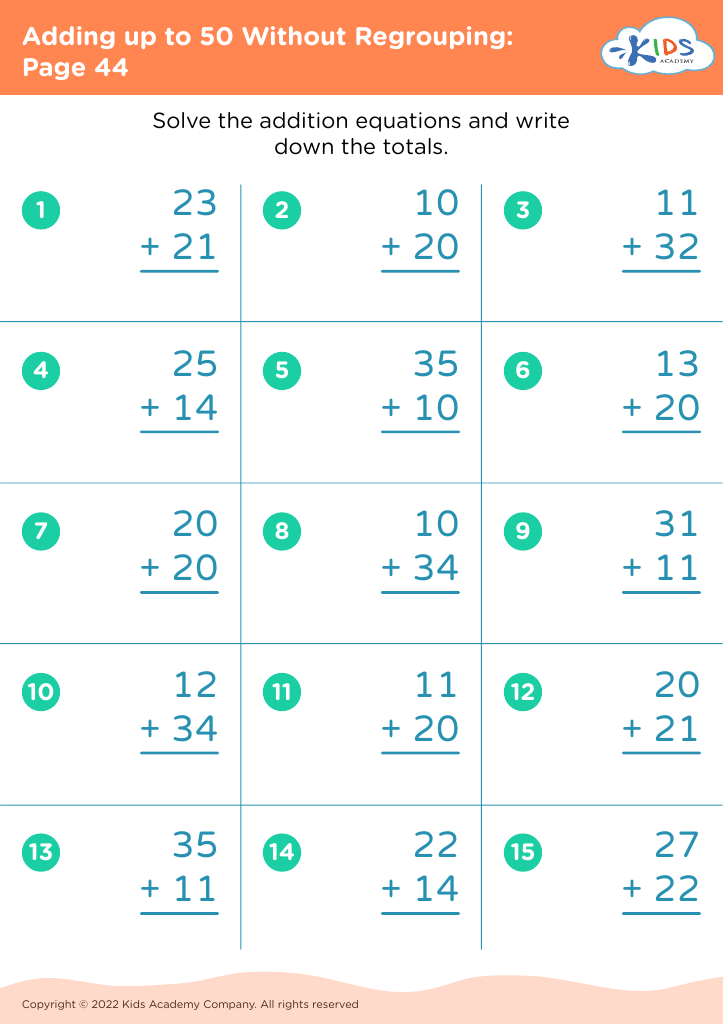
Adding up to 50 Without Regrouping: Page 44
Worksheet
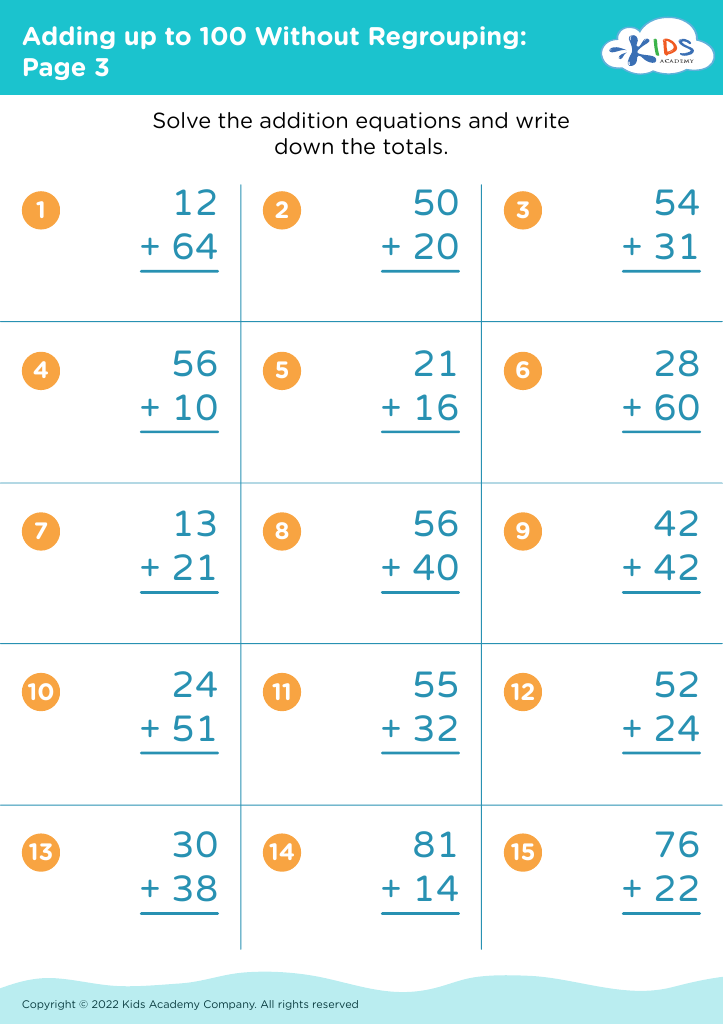
Adding up to 100 Without Regrouping: Page 3
Worksheet
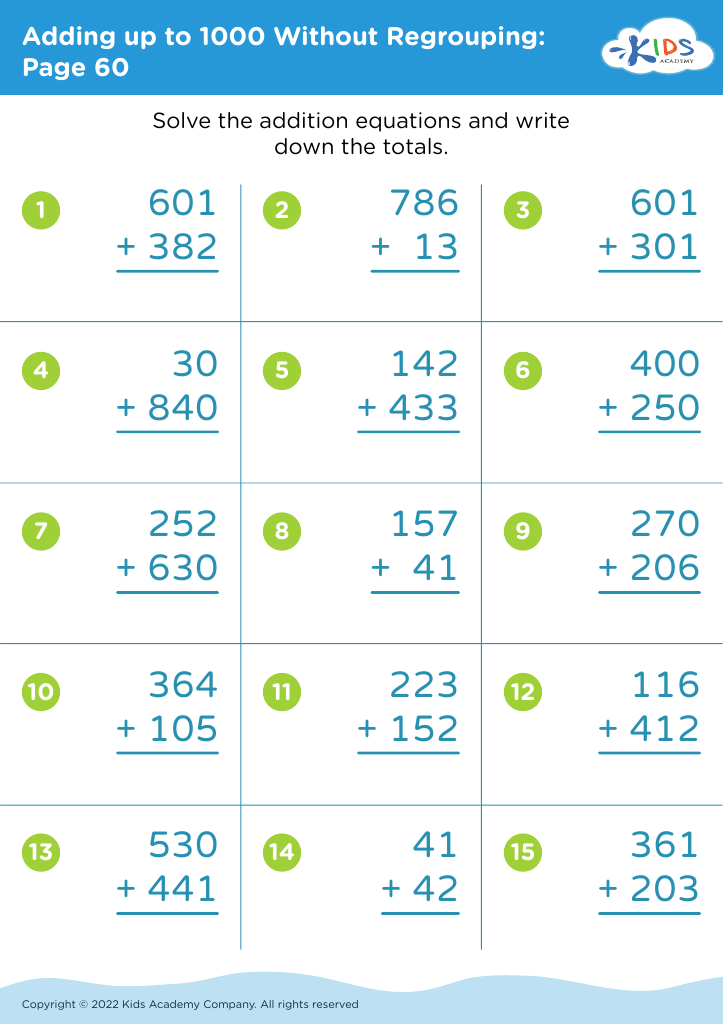
Adding up to 1000 Without Regrouping: Page 60
Worksheet
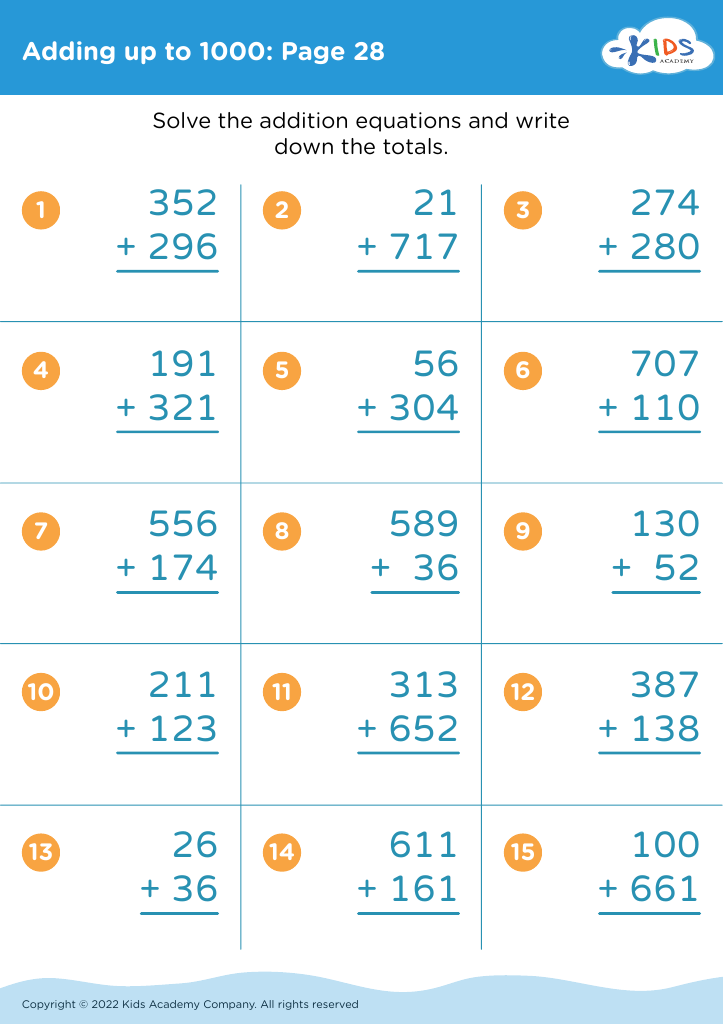
Adding up to 1000: Page 28

Adding up to 1000: Page 28

Adding up to 1000: Page 28
Worksheet
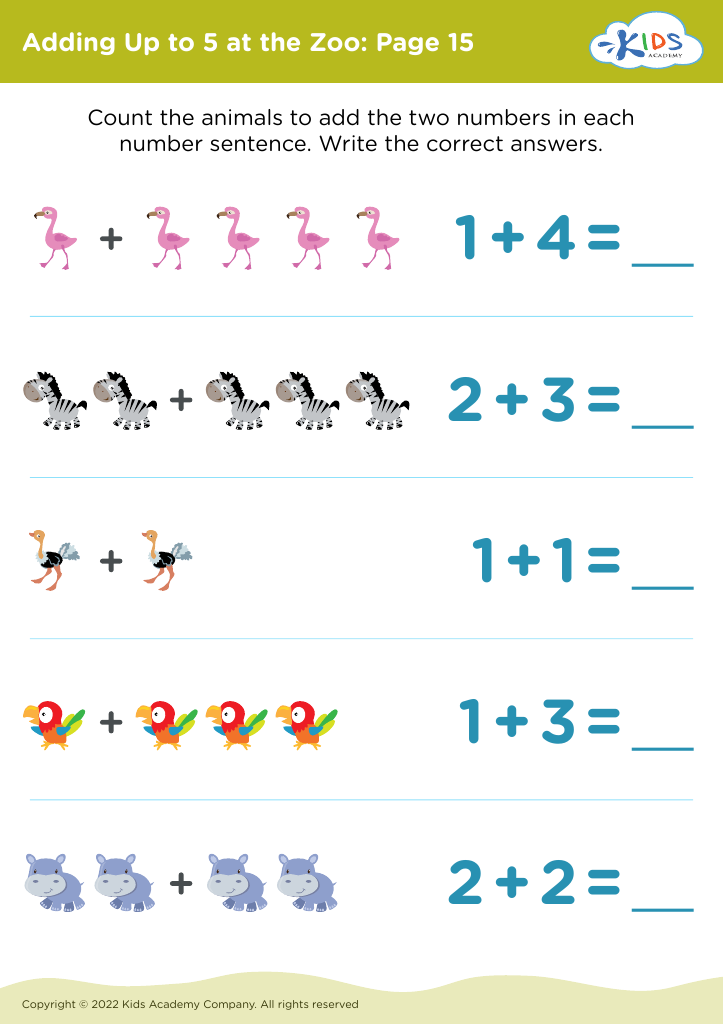
Adding Up to 5 at the Zoo: Page 15
Worksheet
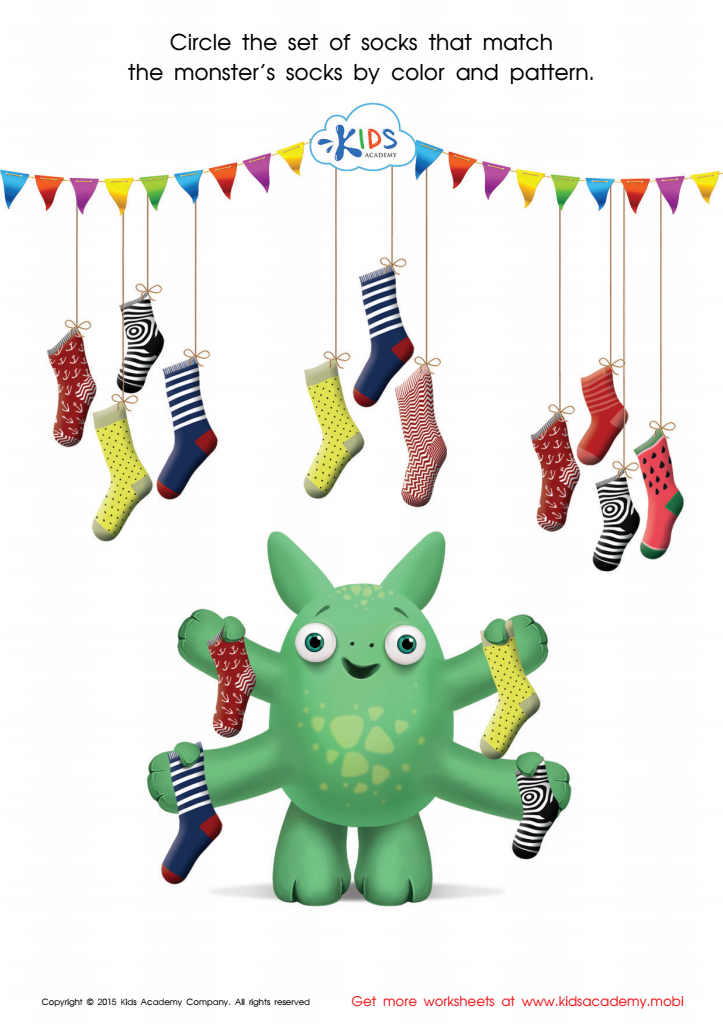
Math Game: Connecting the Monster’s Socks

Connecting the Monster's Socks Printable

The cute monster did some washing yesterday, but now he can't put his socks back together! Children must focus on the color and pattern to make the right matches, improving their cognitive and fine motor skills. Get more educational games by Kids Academy!
Connecting the Monster's Socks Printable
Worksheet
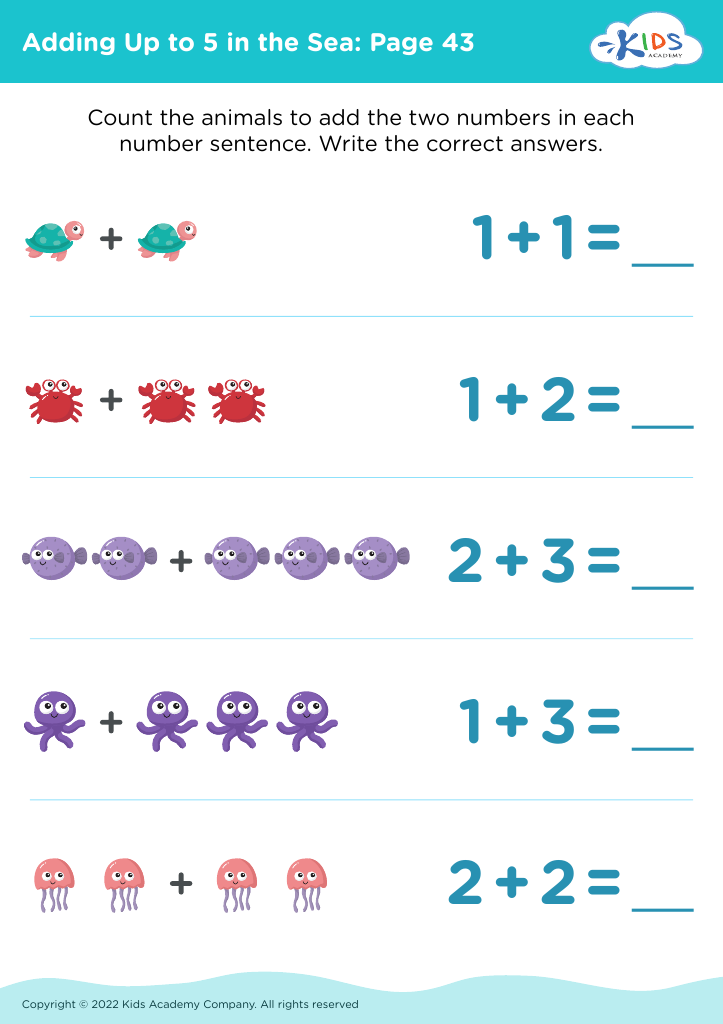
Adding Up to 5 in the Sea: Page 43
Worksheet
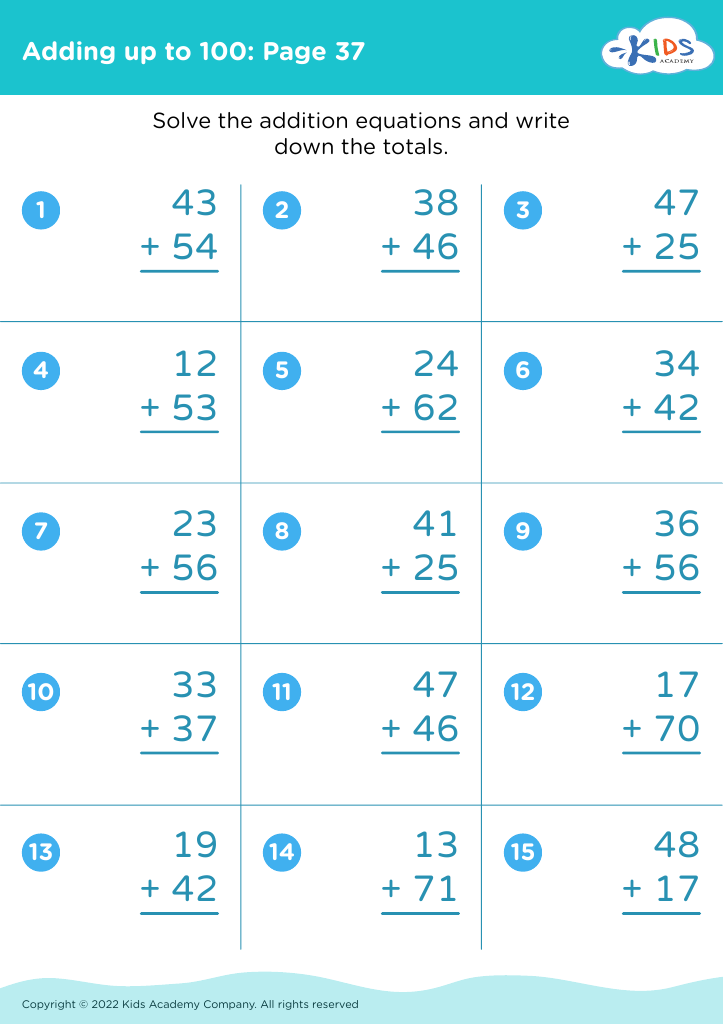
Adding up to 100: Page 37

Adding up to 100: Page 37

Adding up to 100: Page 37
Worksheet
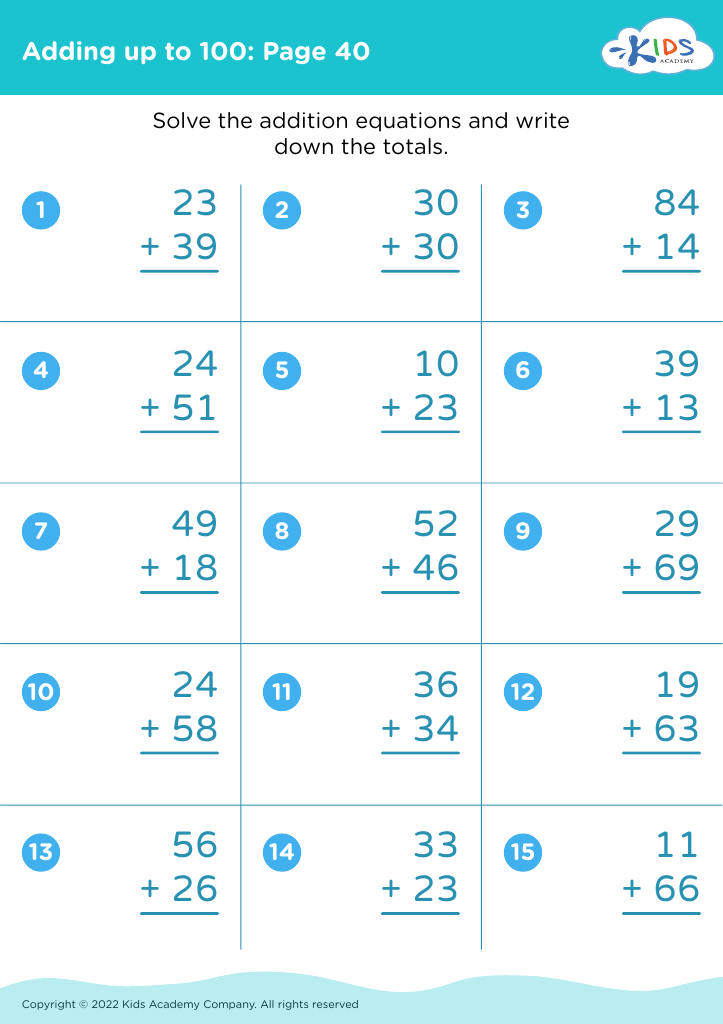
Adding up to 100: Page 40

Adding up to 100: Page 40

Adding up to 100: Page 40
Worksheet
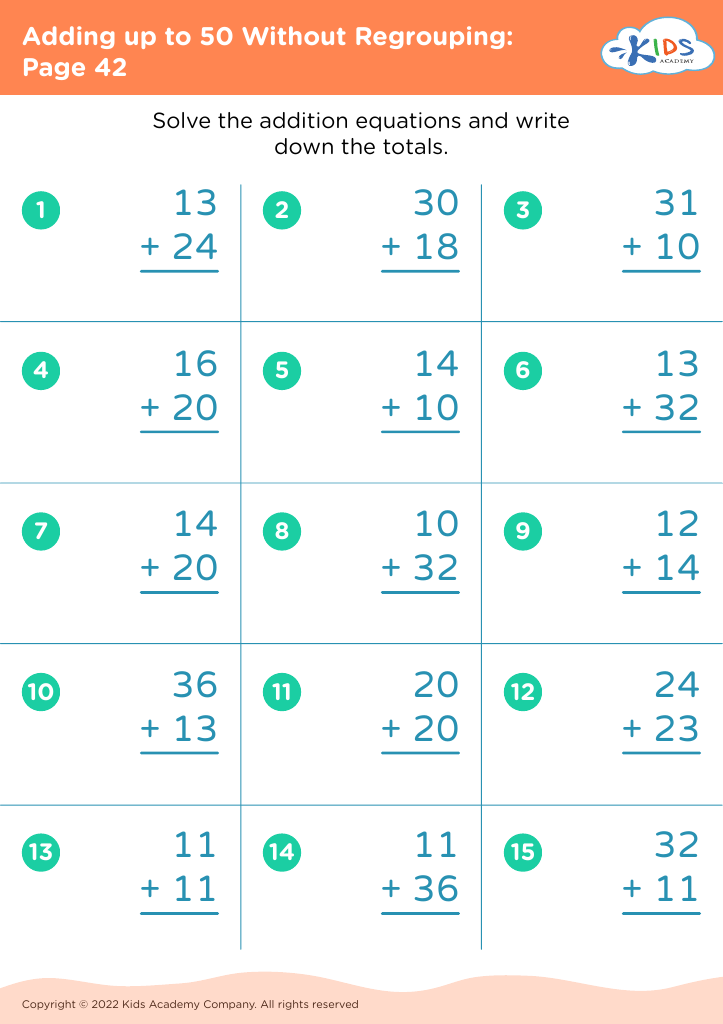
Adding up to 50 Without Regrouping: Page 42
Worksheet
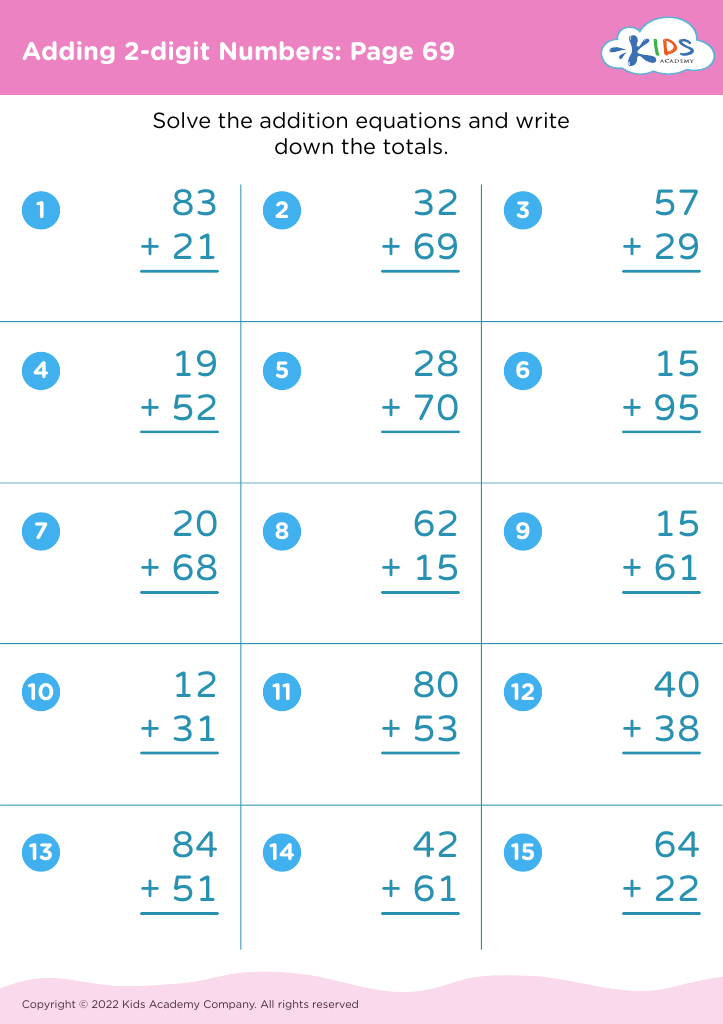
Adding 2-digit Numbers: Page 69

Adding 2-digit Numbers: Page 69

Adding 2-digit Numbers: Page 69
Worksheet
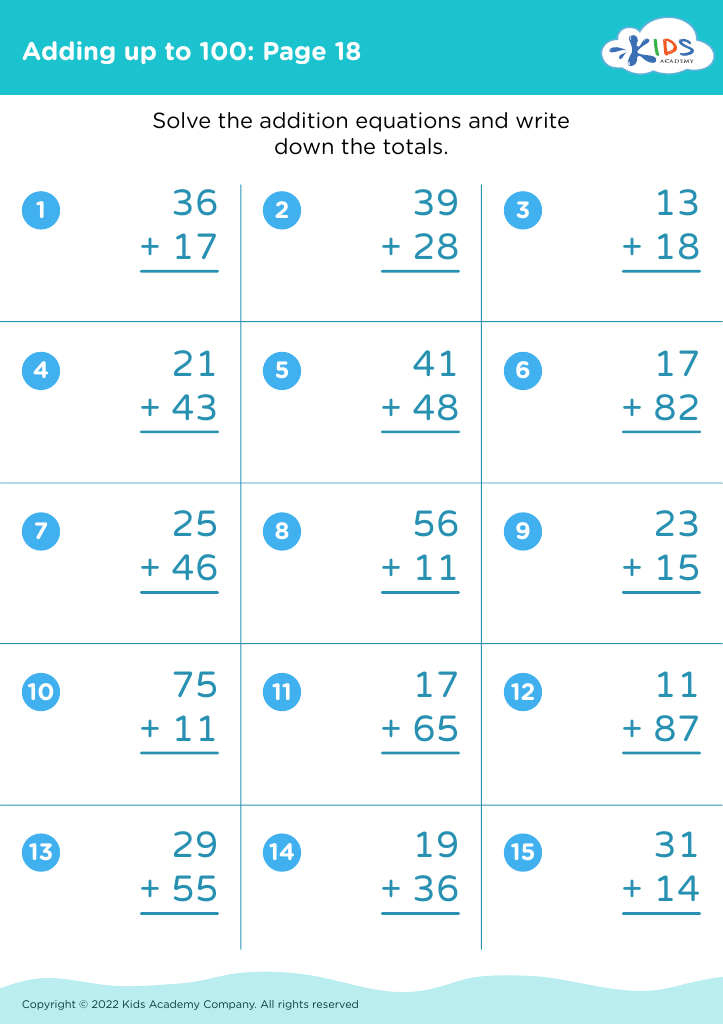
Adding up to 100: Page 18

Adding up to 100: Page 18

Adding up to 100: Page 18
Worksheet
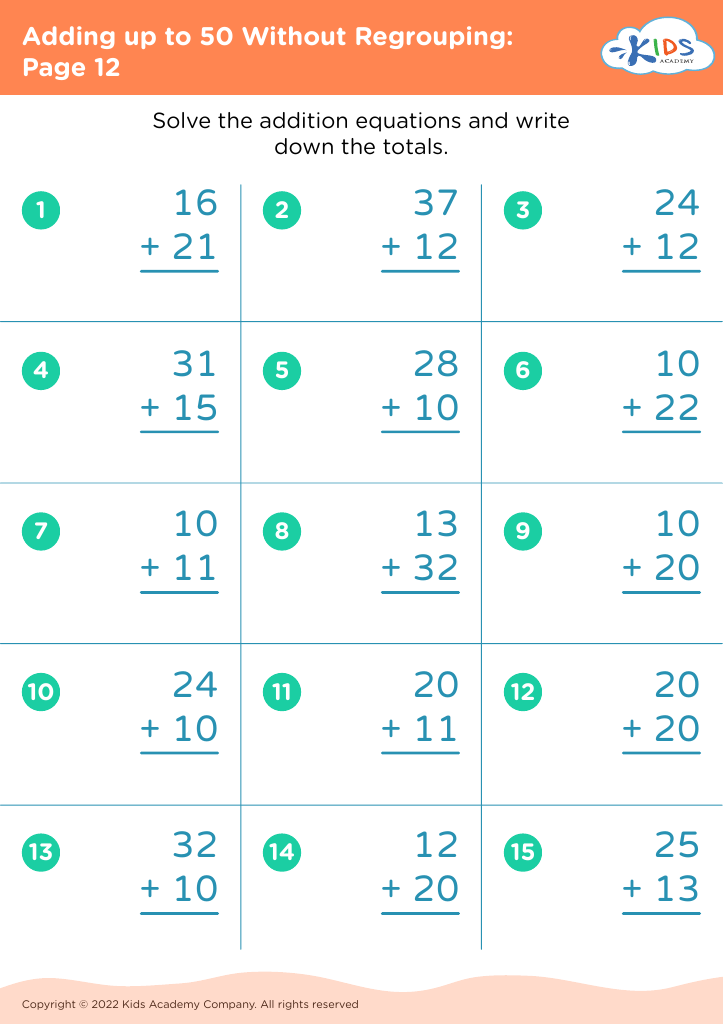
Adding up to 50 Without Regrouping: Page 12
Worksheet
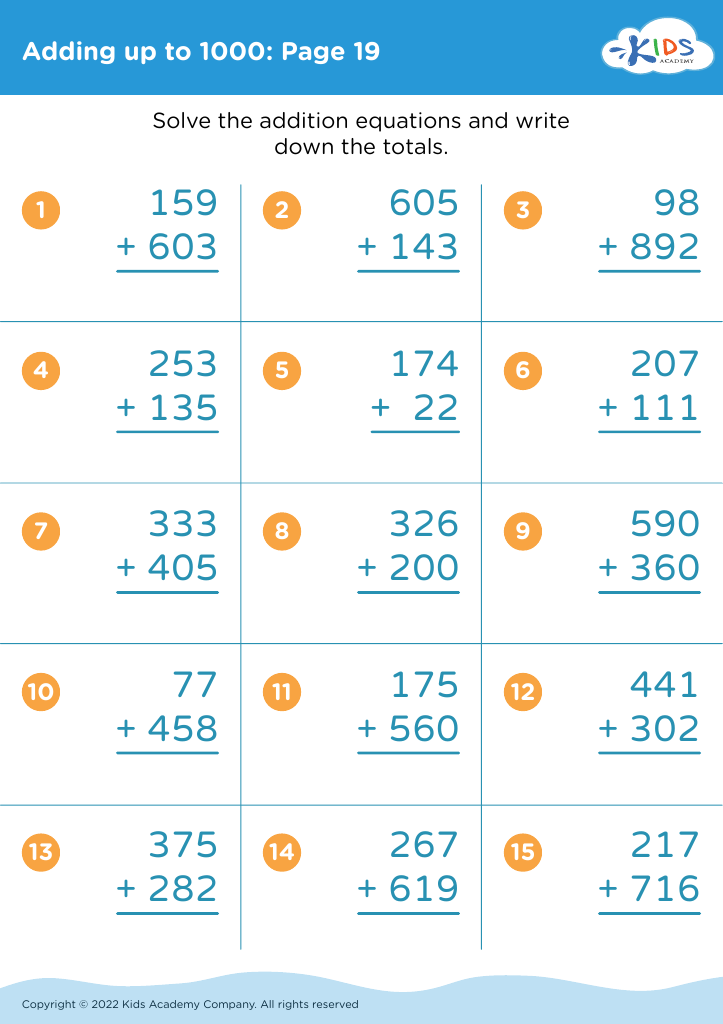
Adding up to 1000: Page 19

Adding up to 1000: Page 19

Adding up to 1000: Page 19
Worksheet
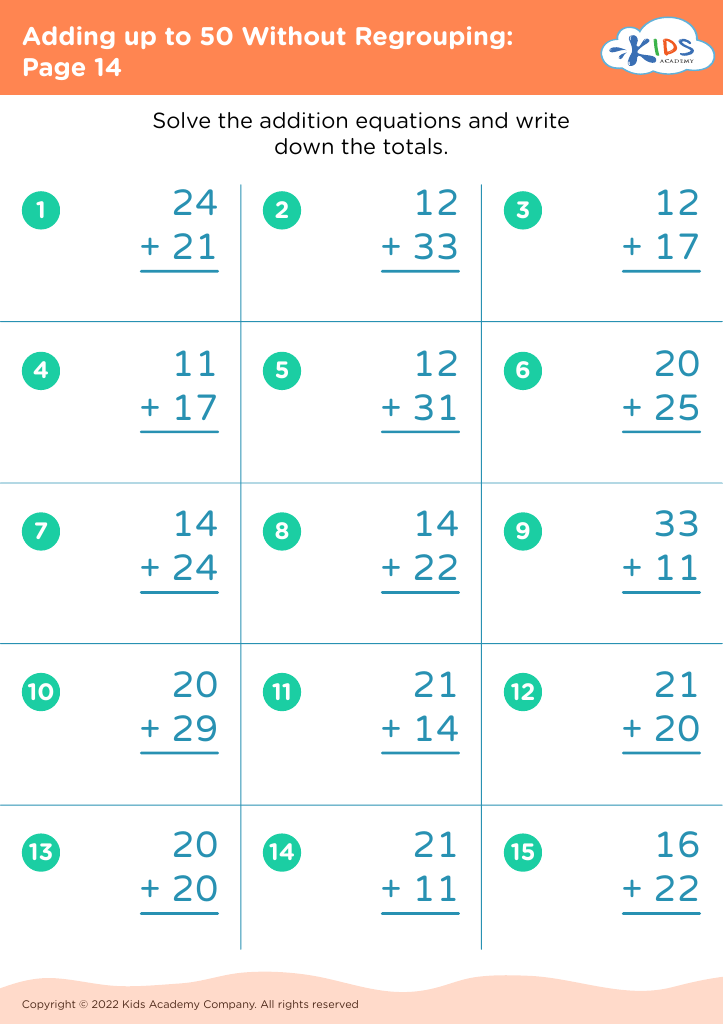
Adding up to 50 Without Regrouping: Page 14
Worksheet
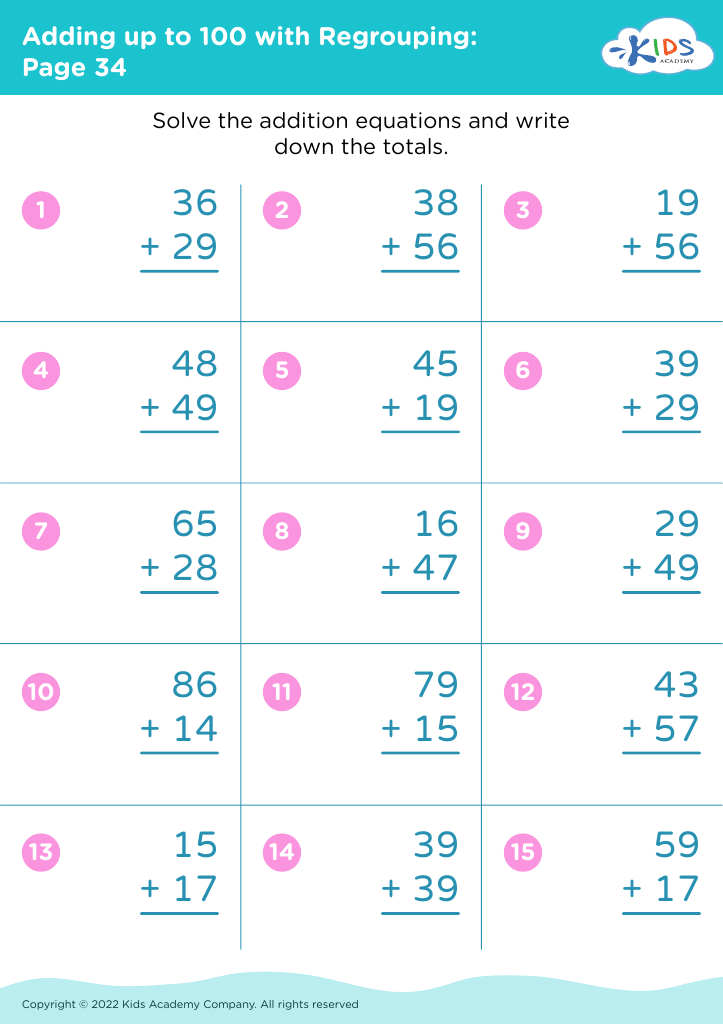
Adding up to 100 with Regrouping: Page 34
Worksheet
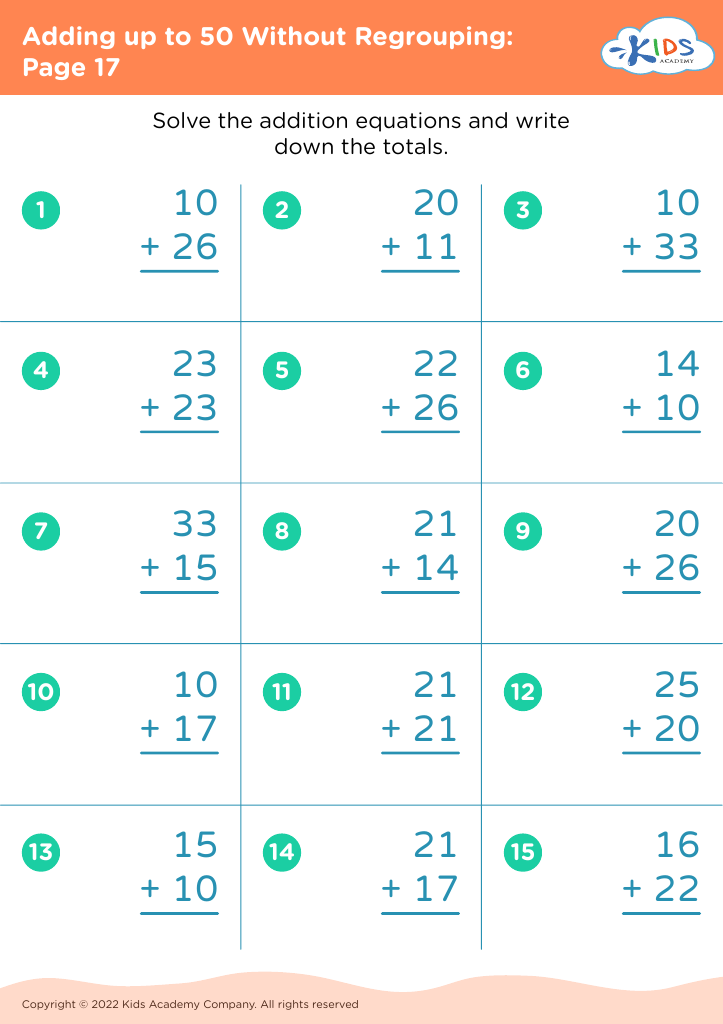
Adding up to 50 Without Regrouping: Page 17
Worksheet
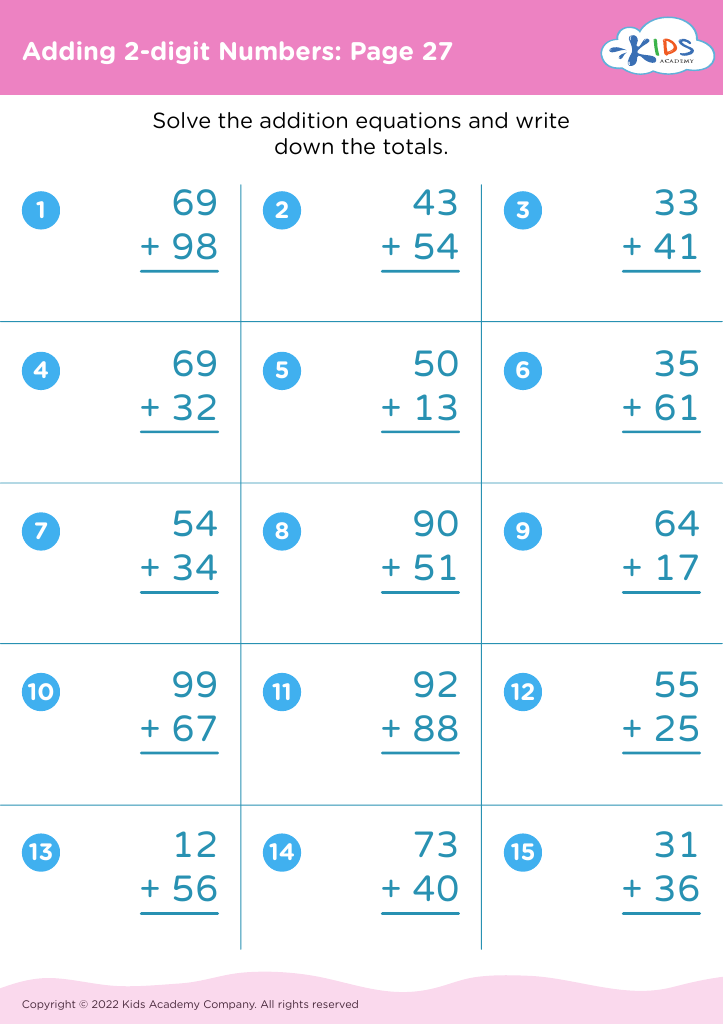
Adding 2-digit Numbers: Page 27

Adding 2-digit Numbers: Page 27

Adding 2-digit Numbers: Page 27
Worksheet
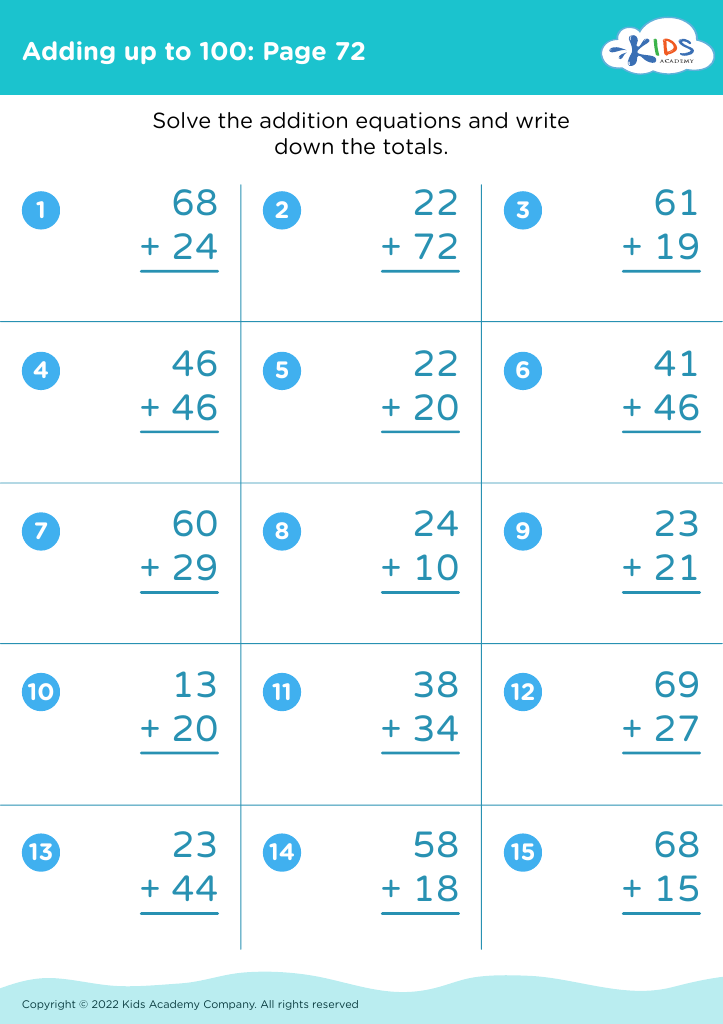
Adding up to 100: Page 72

Adding up to 100: Page 72

Adding up to 100: Page 72
Worksheet
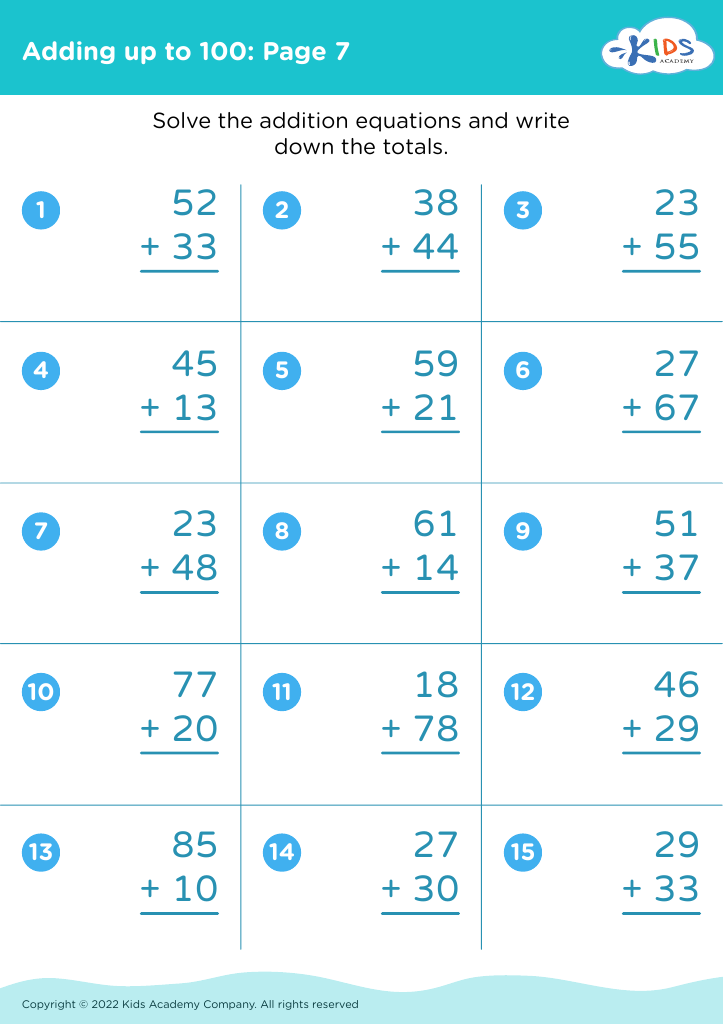
Adding up to 100: Page 7

Adding up to 100: Page 7

Adding up to 100: Page 7
Worksheet
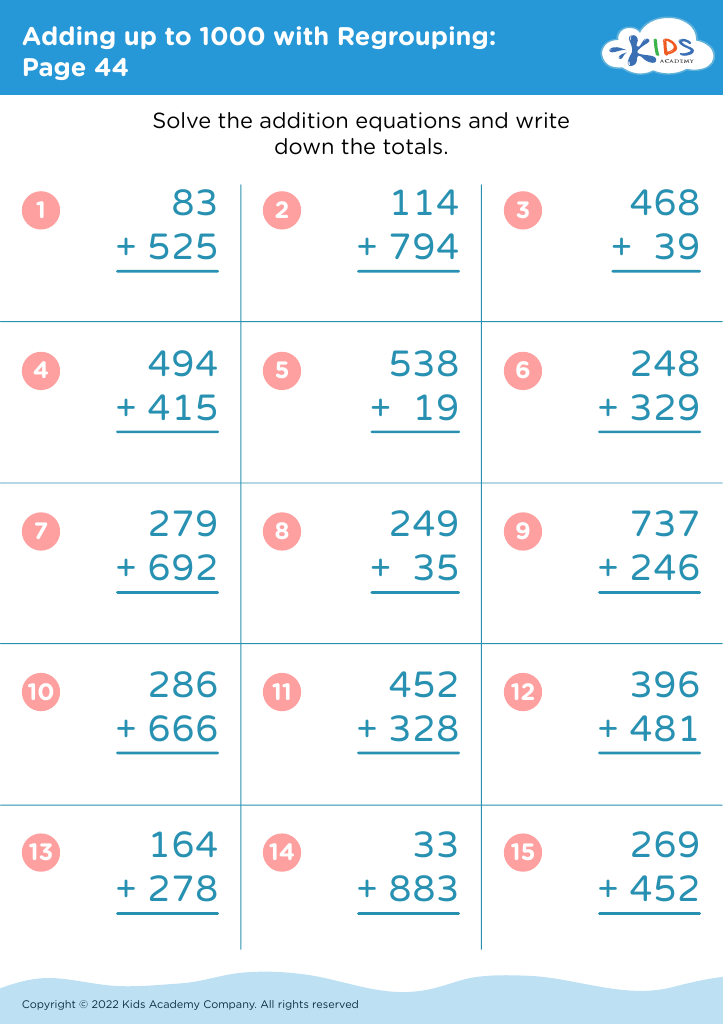
Adding up to 1000 with Regrouping: Page 44
Worksheet
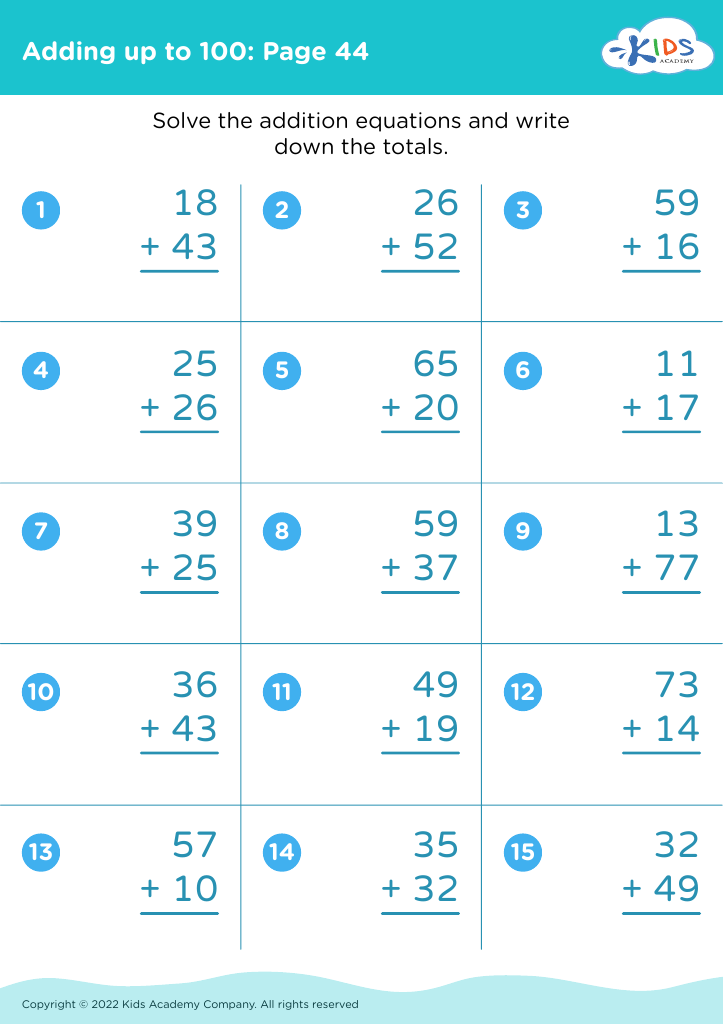
Adding up to 100: Page 44

Adding up to 100: Page 44

Adding up to 100: Page 44
Worksheet


Counting skills and basic operations like addition and subtraction for children ages 3-7 lay a critical foundation for future mathematical understanding and overall cognitive development. During these formative years, children’s brains are highly receptive to new information, and initiating strong numeracy skills can enhance their logical thinking and problem-solving abilities.

Early exposure to counting, addition, and subtraction helps children develop a sense of number relationships and value, which is foundational for all higher-level math concepts. These basic skills are not just academic necessities; they are essential for daily life activities such as telling time, managing money, and following recipes.

For teachers, incorporating arithmetic into everyday activities can foster a stimulating learning environment and reveal each child’s unique learning style and pace. For parents, actively participating in their child's mathematical learning can strengthen parent-child bonds and encourage a positive attitude towards math from an early age.

Beyond academics, these skills contribute to cognitive development by promoting classification, seriation (arranging objects in order), conservation (understanding that quantities remain the same despite changes in shape or arrangement), and logical reasoning. Investing time and attention into developing counting and early arithmetic skills thus equips children with essential tools for academic success and everyday life.