
Improve math skills Addition & Subtraction Worksheets for Ages 3-7
17 filtered results
Difficulty Level
Grade
Age
-
From - To
Subject
Activity
Standards
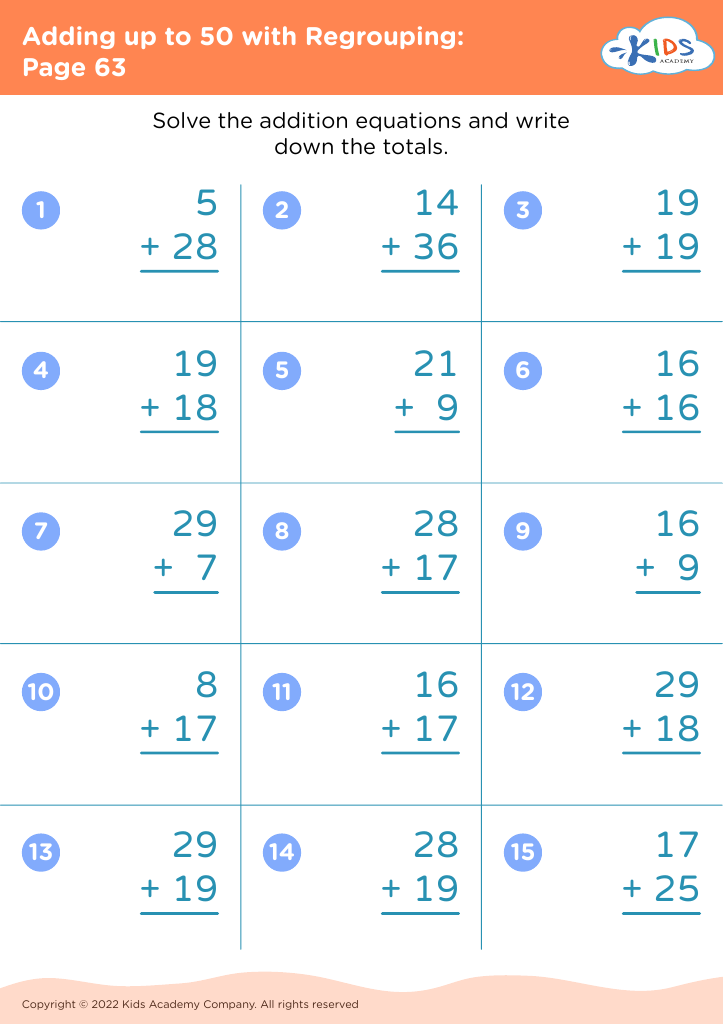
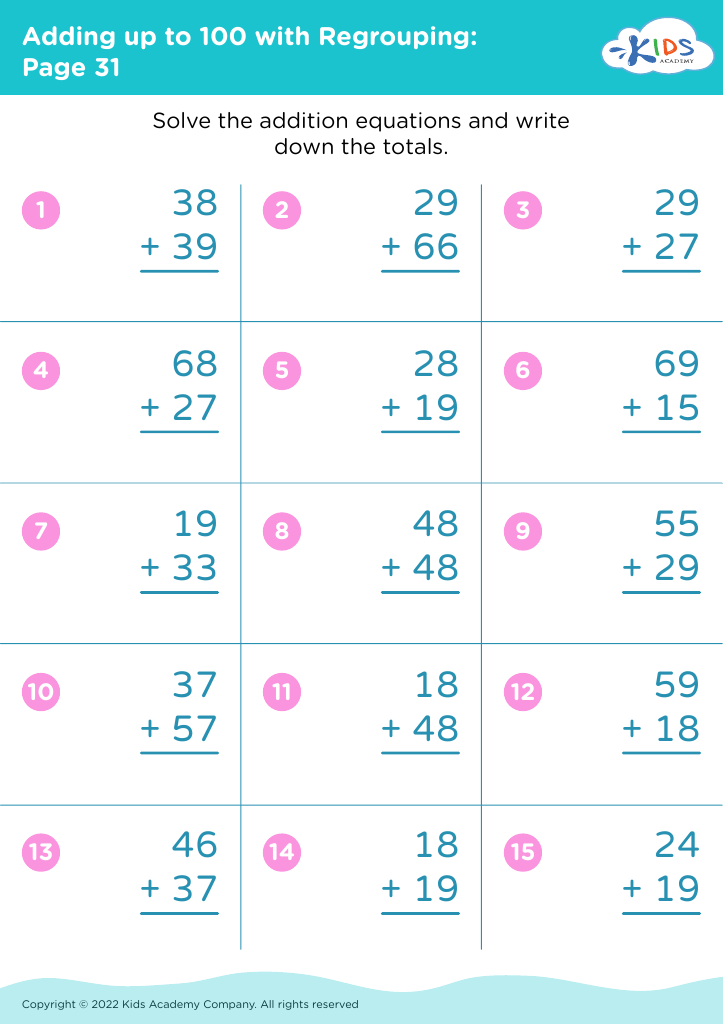
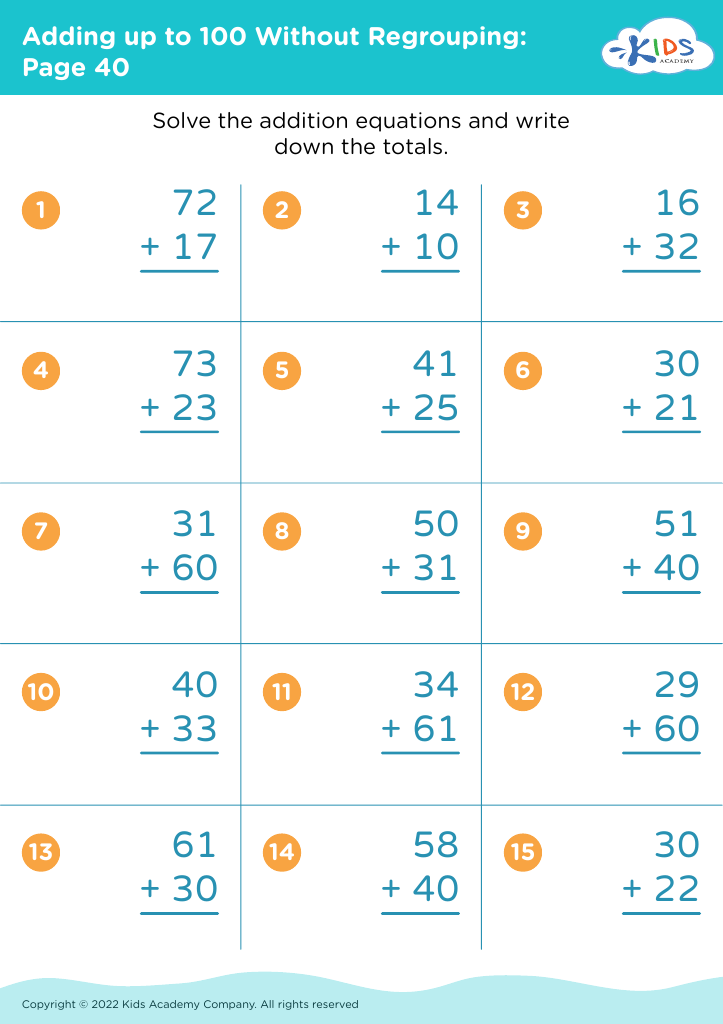
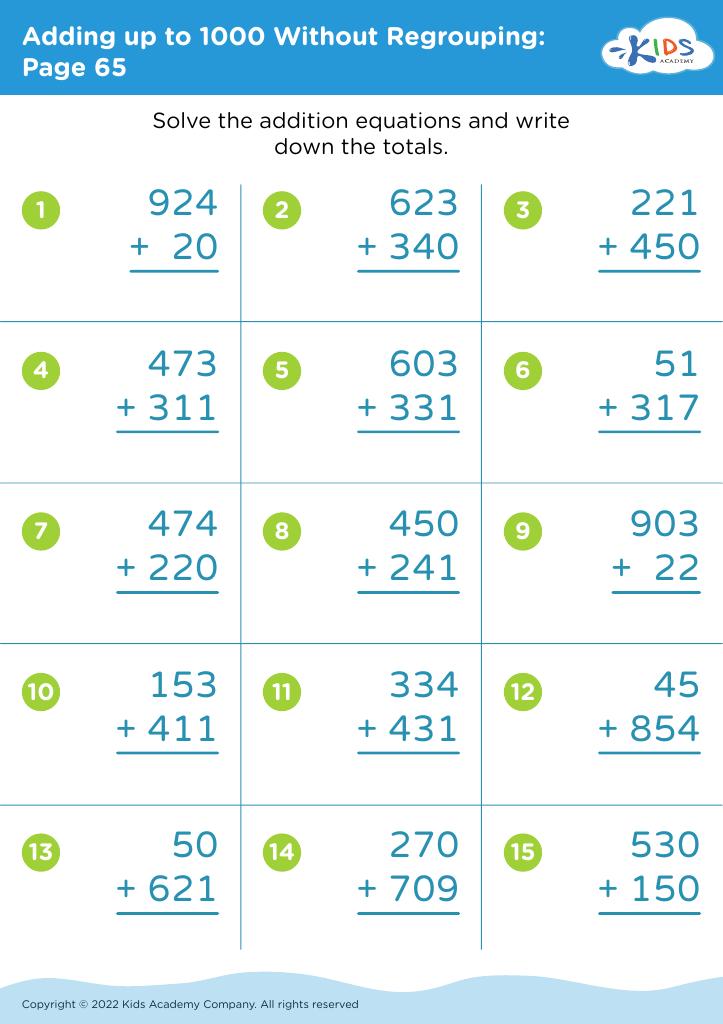
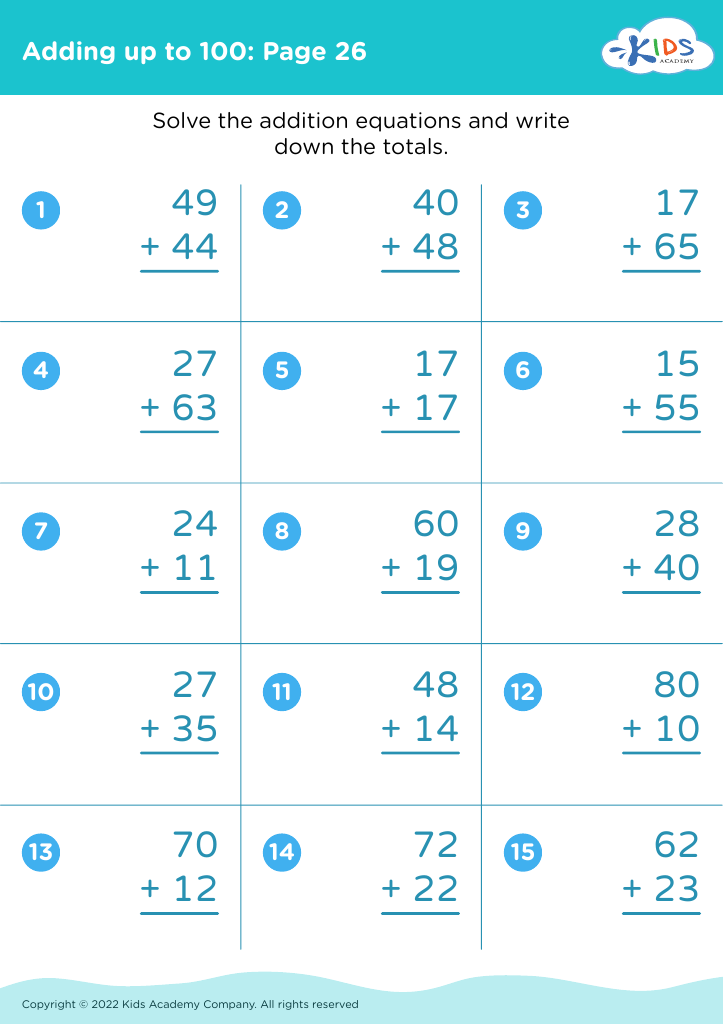
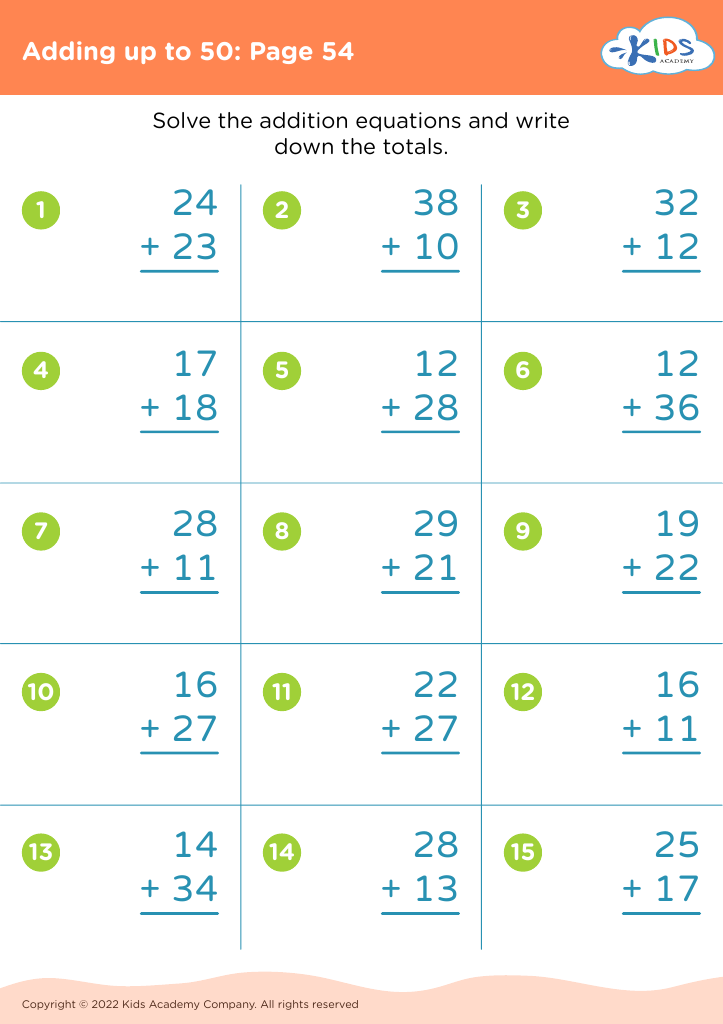
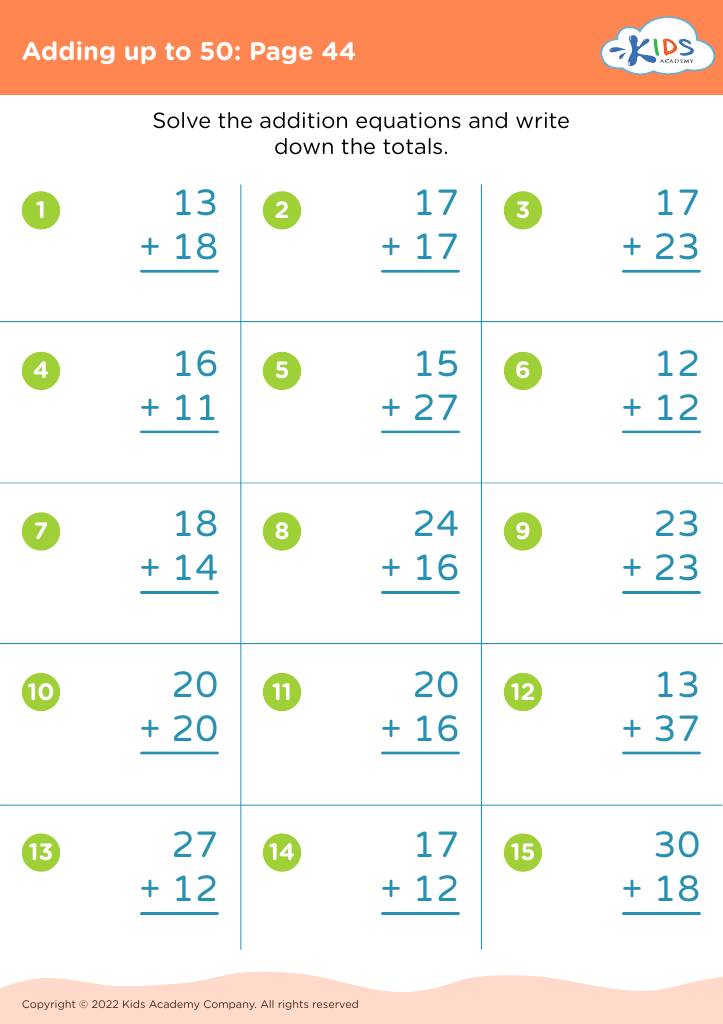
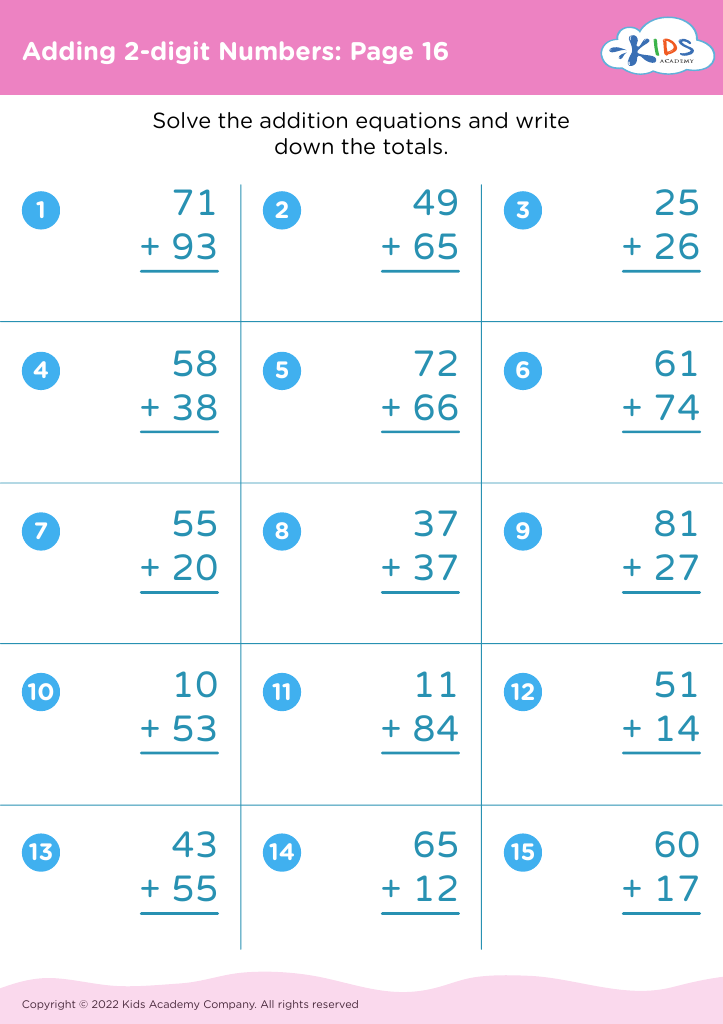
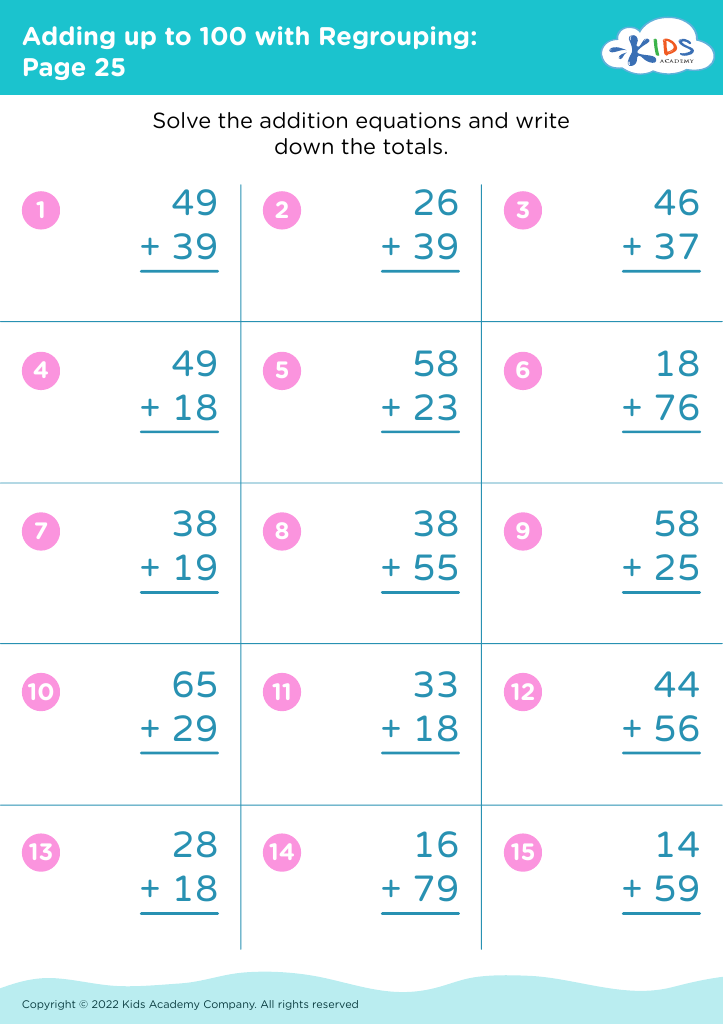
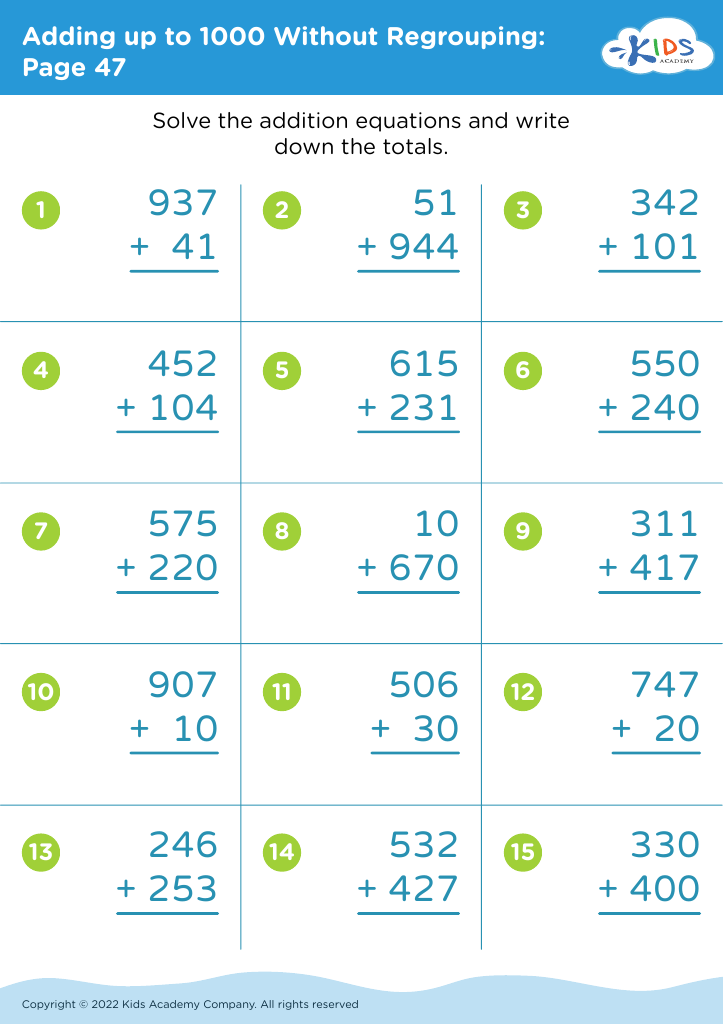
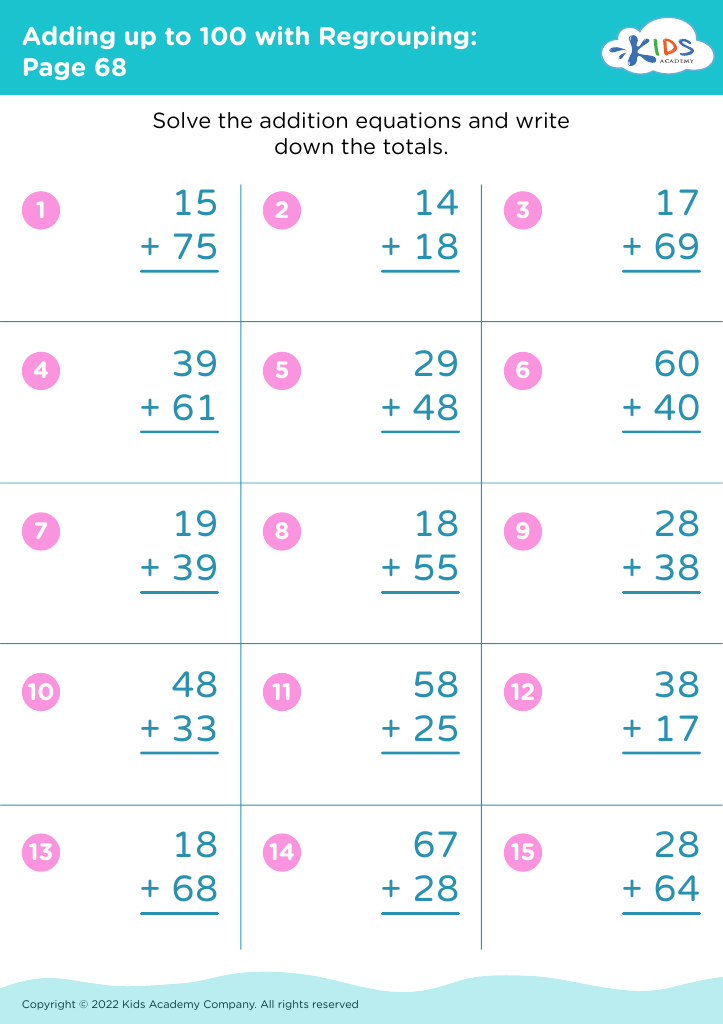
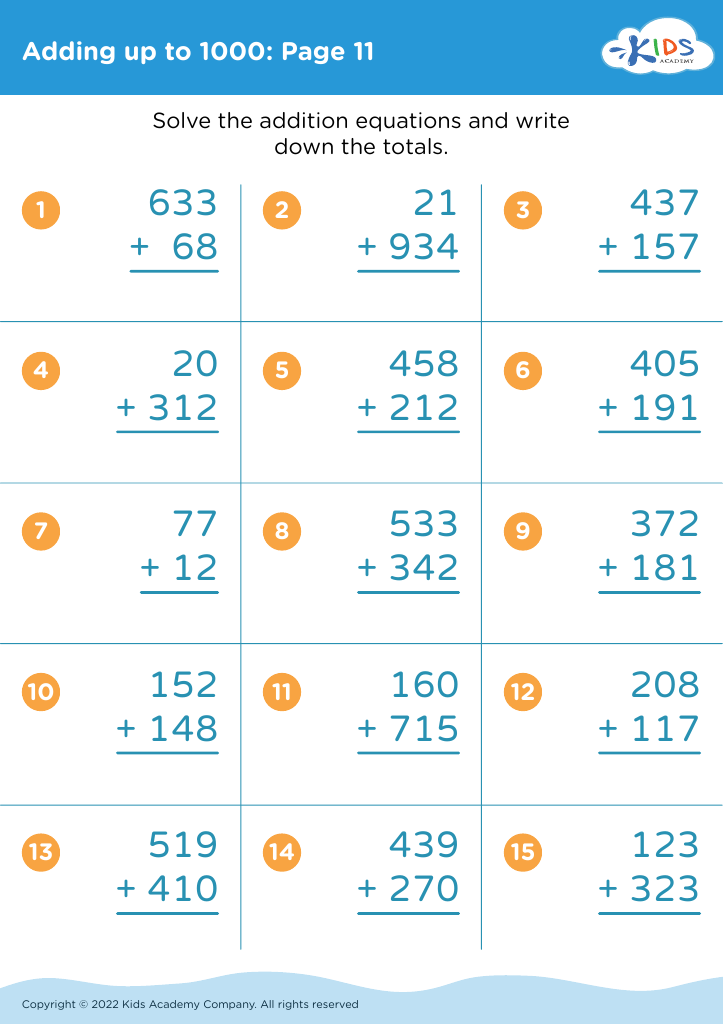
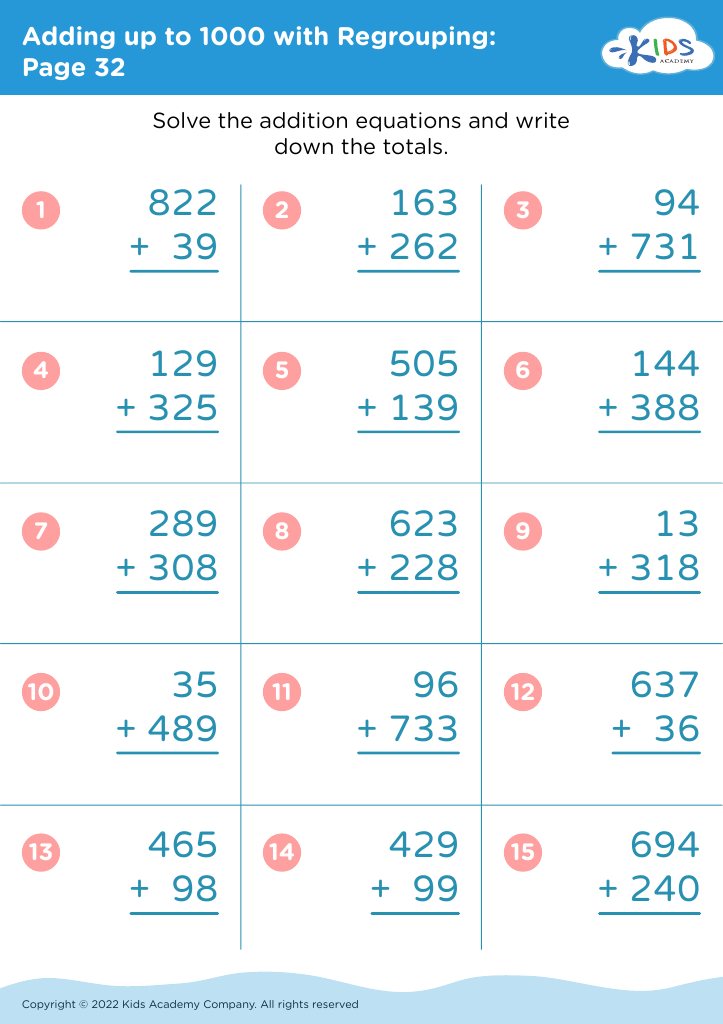
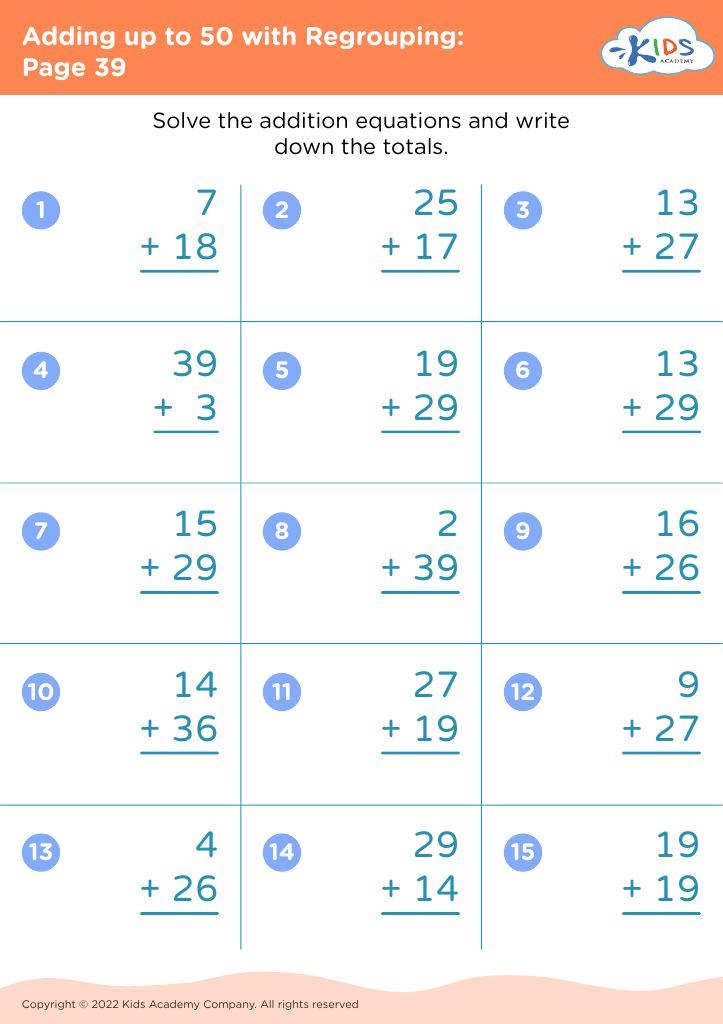
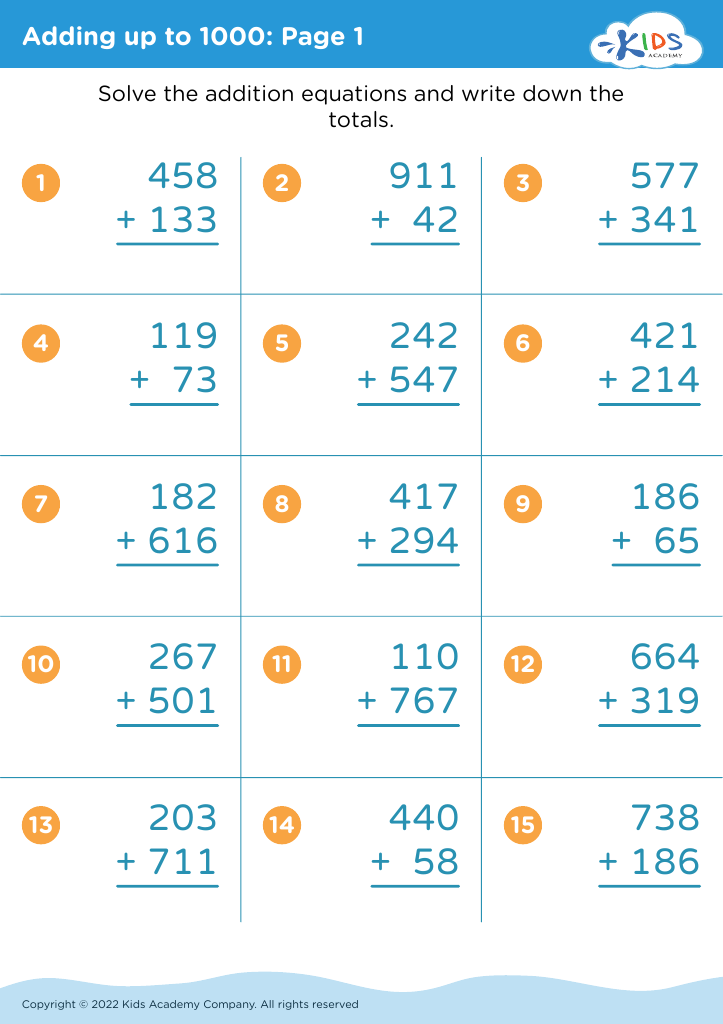
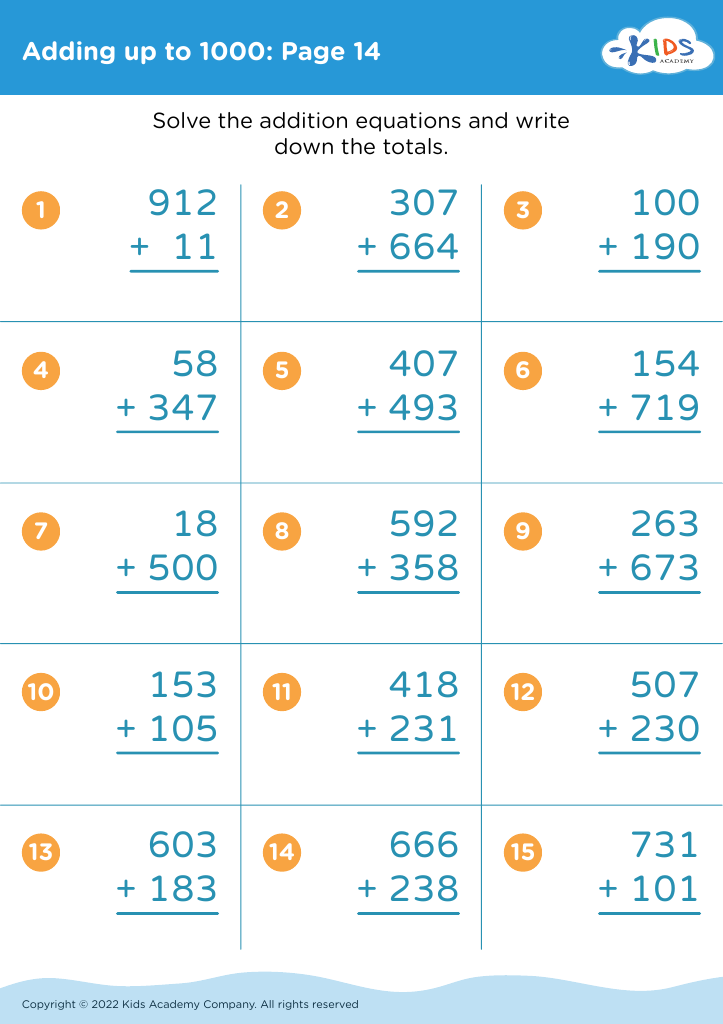
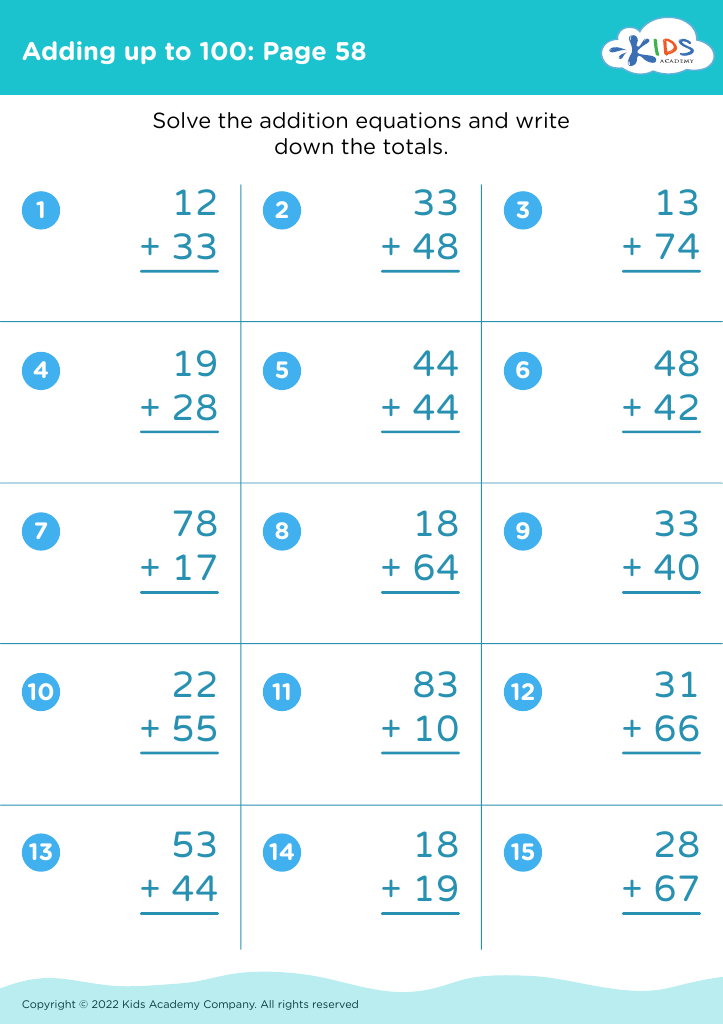
Unlock your child's mathematical potential with our engaging Addition and Subtraction Worksheets designed for ages 3-7! These fun, interactive activities help young learners build a solid foundation in basic math skills through enjoyable exercises. From colorful visuals to real-life examples, each worksheet promotes critical thinking and problem-solving while enhancing number recognition and strategic reasoning. Perfect for homeschoolers and classrooms alike, our worksheets offer varied difficulty levels to suit every learner’s needs, ensuring progress and confidence. Start your little one's math journey today and watch them excel in addition and subtraction while having tons of fun! Explore our collection and encourage a love for math!
Favorites
With answer key
Interactive
Join Kids Academy for Free
Who is primarily going to use this learning content?








Improving math skills, particularly addition and subtraction, for children aged 3-7 is crucial for several reasons. During these formative years, children develop foundational cognitive abilities, and early math skills play a significant role in their overall academic success. By introducing concepts of addition and subtraction early on, parents and teachers help children understand numerical relationships and enhance their problem-solving skills.
Additionally, mastering these fundamental operations builds confidence, encouraging a positive attitude toward math in general. This confidence is essential as children progress to more complex math concepts in later grades. Furthermore, these early skills are closely linked to success in literacy and critical thinking, fostering a more comprehensive education.
Engaging children in playful and interactive learning practices, such as games and hands-on activities, makes math enjoyable and relevant to their everyday lives. For instance, using everyday situations, like sharing snacks, helps them understand the practical applications of addition and subtraction.
Ultimately, by prioritizing the development of addition and subtraction skills from an early age, parents and teachers set the groundwork for a child’s continual growth in math, contributing to long-term academic achievement and fostering a lifelong love for learning.








