Learn subtraction Addition & Subtraction Worksheets for Ages 3-7
4 filtered results
-
From - To
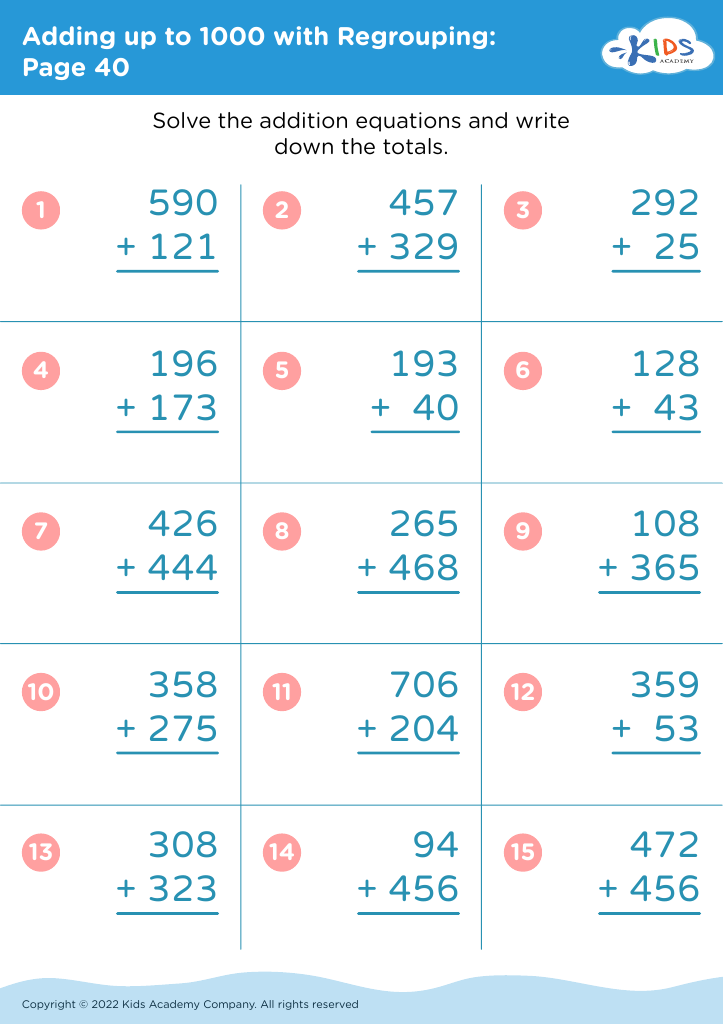
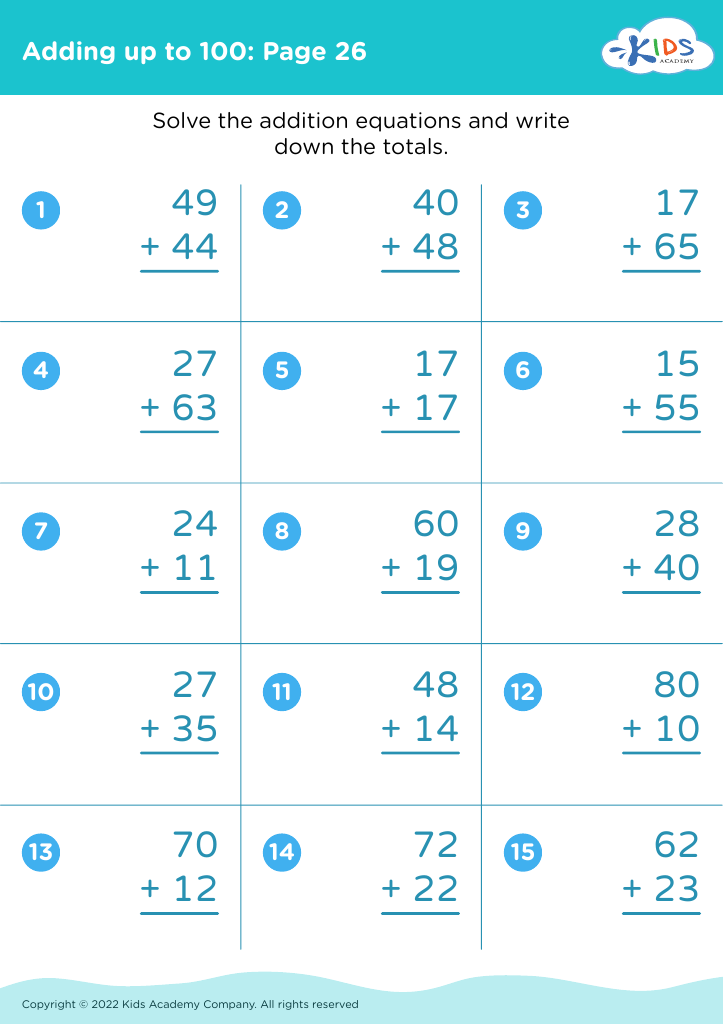
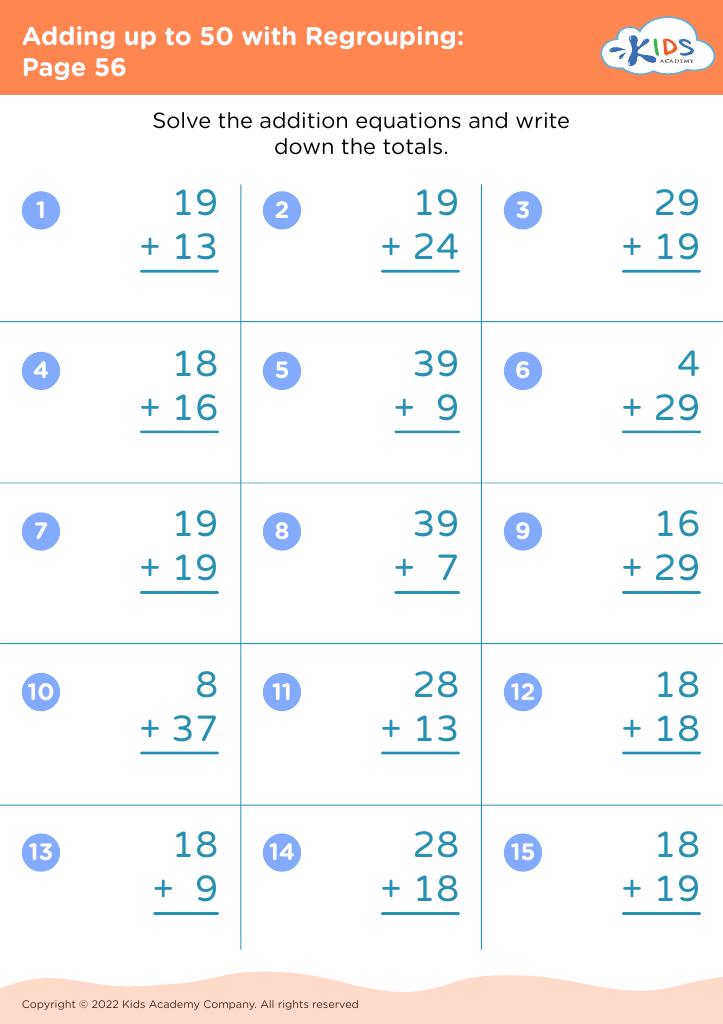
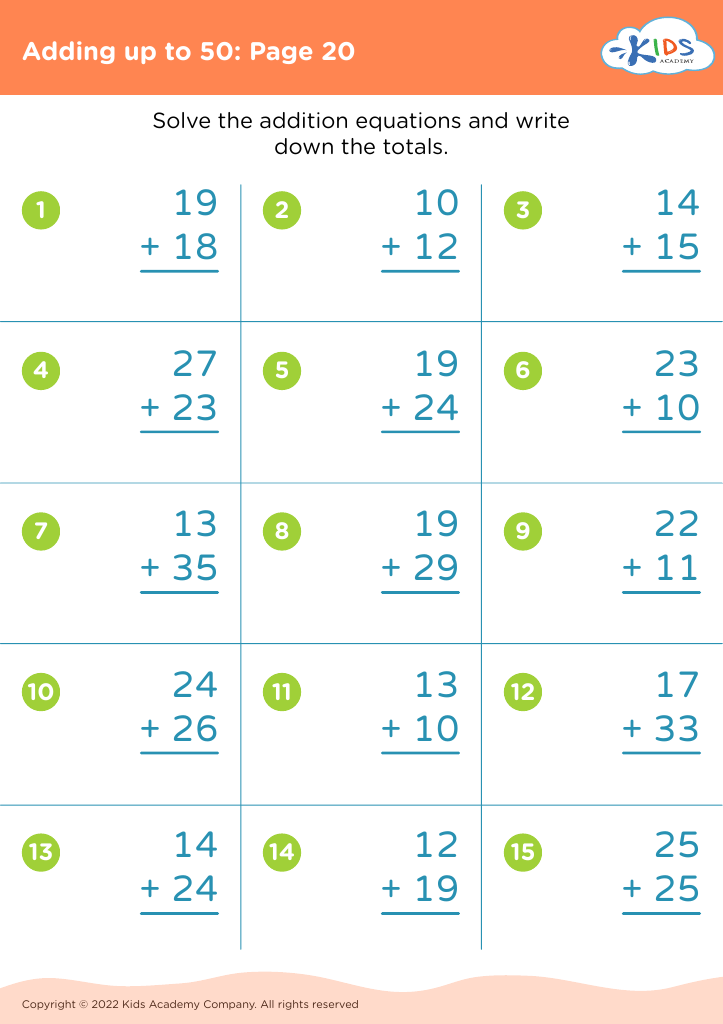
Discover our engaging addition and subtraction worksheets designed for young learners ages 3-7! Our materials make early mathematics fun and interactive, fostering essential skills through colorful visuals and relatable contexts. These worksheets introduce kids to the concepts of addition and subtraction, helping to build a strong foundation in math. Each activity encourages problem-solving and critical thinking, ensuring that children grasp these fundamental operations with confidence. Suitable for both classroom and home use, our resources are tailored to meet developmental needs and keep little ones motivated. Start your child’s journey in math today with our easy-to-use worksheets!








Teaching addition and subtraction to children aged 3 to 7 is crucial for their overall development and future learning. At this age, children are in a critical phase for cognitive growth, where they develop foundational skills in numeracy that will serve them throughout their education. Understanding these basic mathematical operations helps children build confidence in problem-solving and boosts their analytical thinking.
Early exposure to addition and subtraction enhances not only mathematical skills but also nurtures abilities such as pattern recognition, logical reasoning, and critical thinking. Parents and teachers play a vital role by creating an engaging learning environment that incorporates fun and interactive activities. These experiences make mathematics enjoyable and encourage a positive attitude toward learning.
Moreover, grasping these concepts lays the groundwork for more complex subjects like multiplication and division in later years. It also encourages perseverance, as children learn through trial and error. As they master these skills, they gain a sense of accomplishment, which fosters a lifelong love for learning. By emphasizing early math skills, parents and teachers contribute to a well-rounded education that equips children with the essential tools they need to succeed in school and beyond.








