Problem-Solving Skills Addition & Subtraction Worksheets for Ages 3-7
208 filtered results
-
From - To
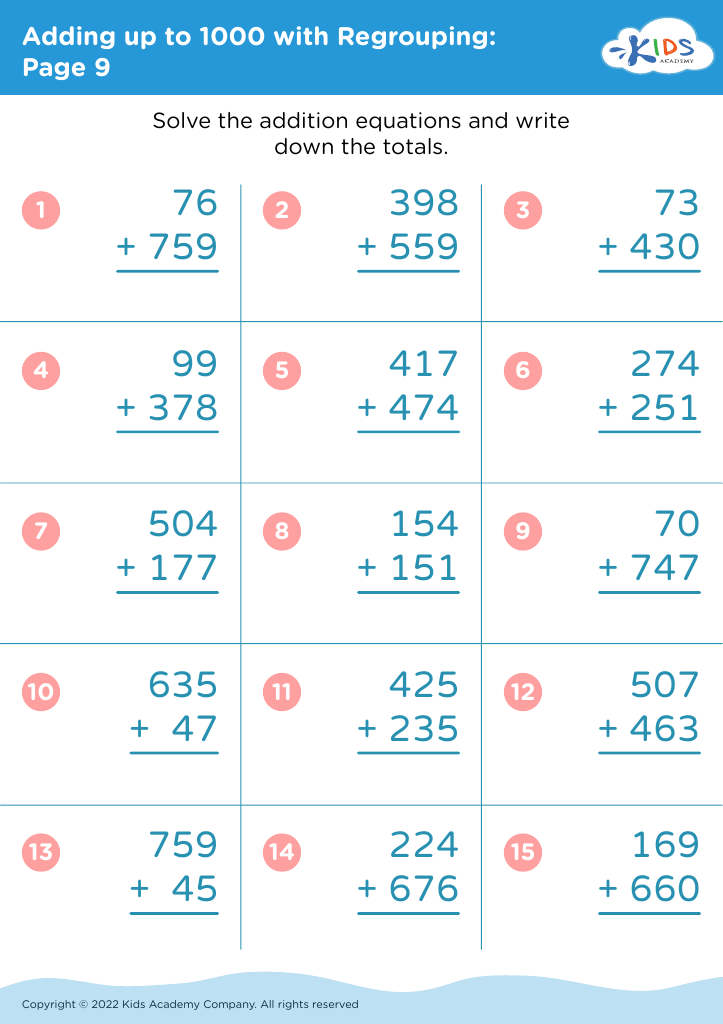
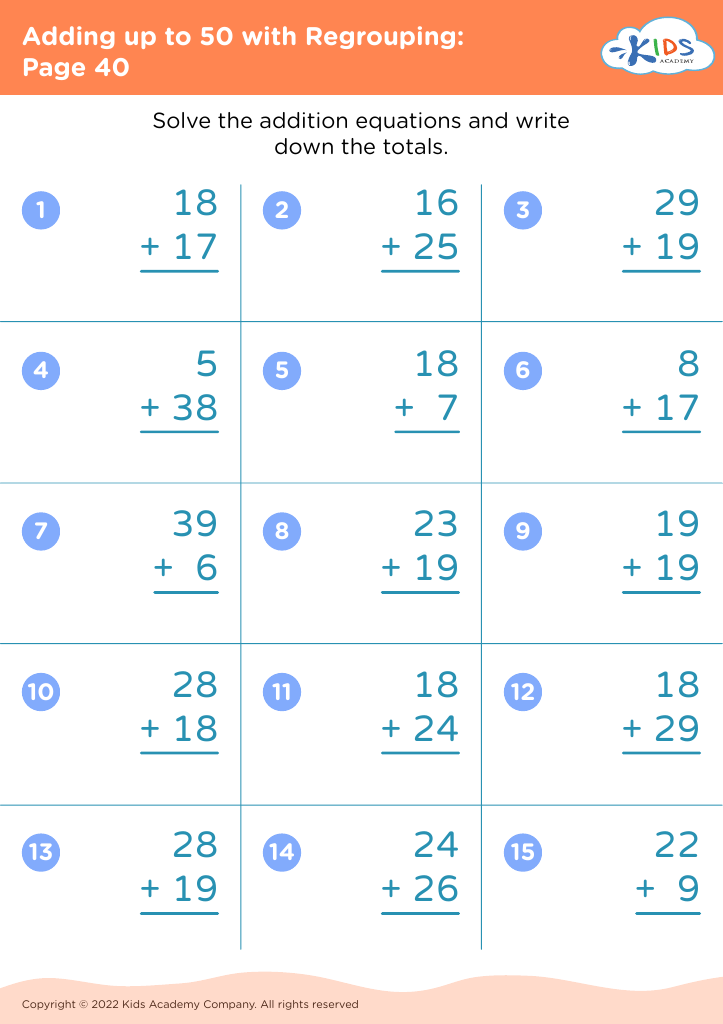
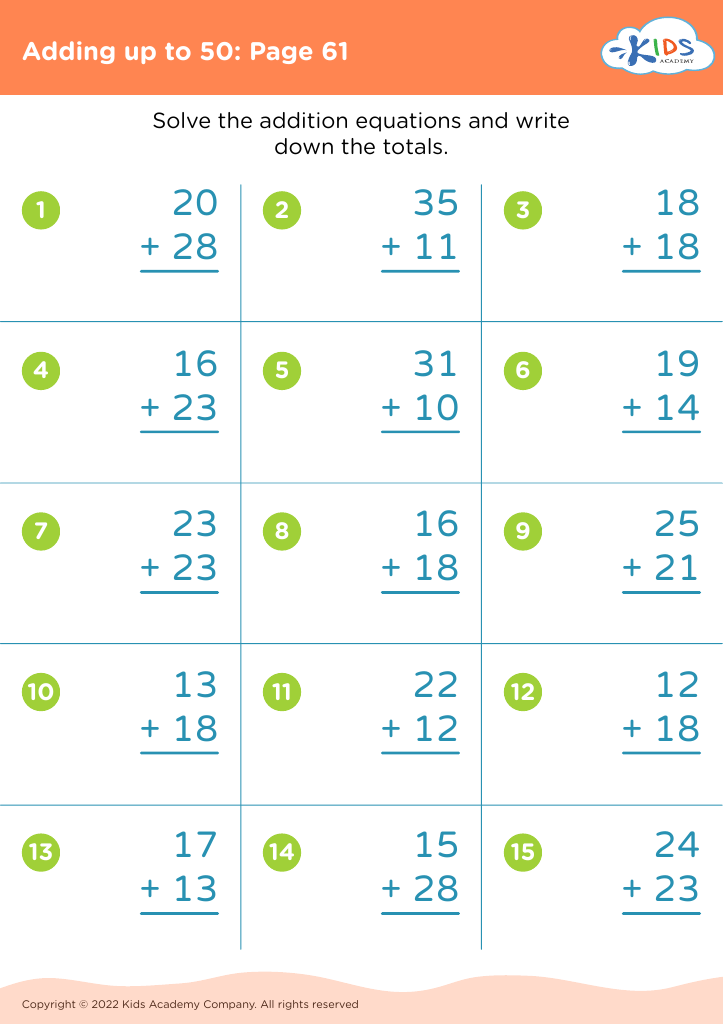
Enhance your child's mathematical journey with our Problem-Solving Skills Addition & Subtraction Worksheets designed for ages 3-7! These engaging worksheets focus on developing critical thinking and problem-solving abilities while making learning fun. Each activity encourages young learners to explore addition and subtraction through various scenarios, boosting not only their math skills but also their confidence. With colorful illustrations and age-appropriate challenges, children will enjoy practicing essential concepts in a stress-free environment. Ideal for parents and educators, our printable resources make it easy to support your child's academic growth at home or in the classroom. Start nurturing your little learner's potential today!
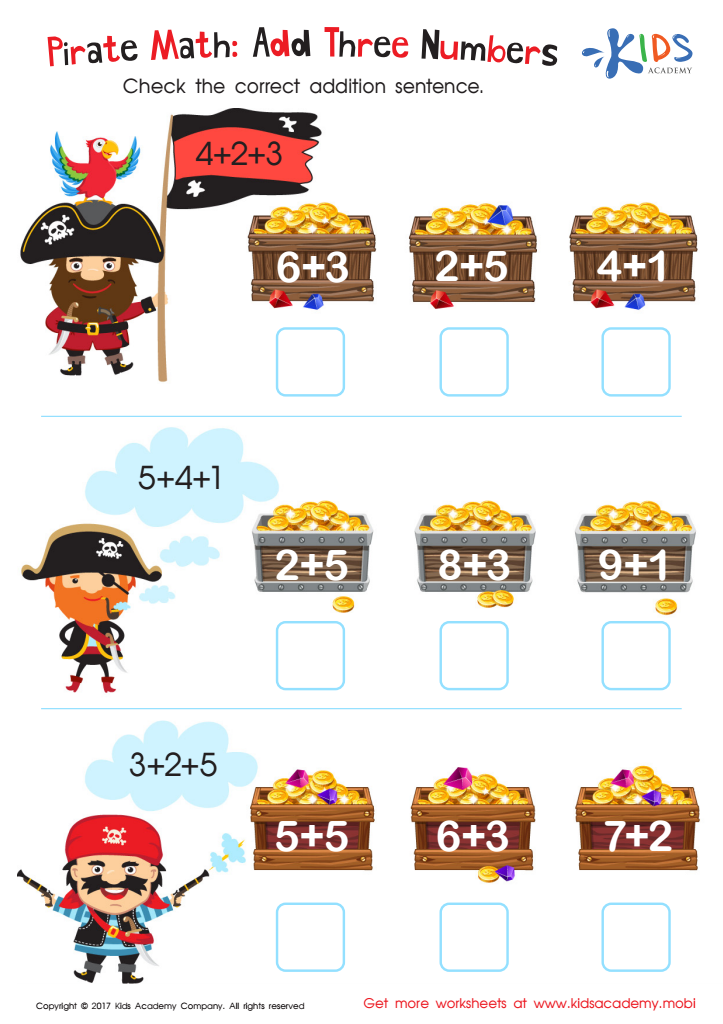
Pirate Math Printable
 Assign to My Students
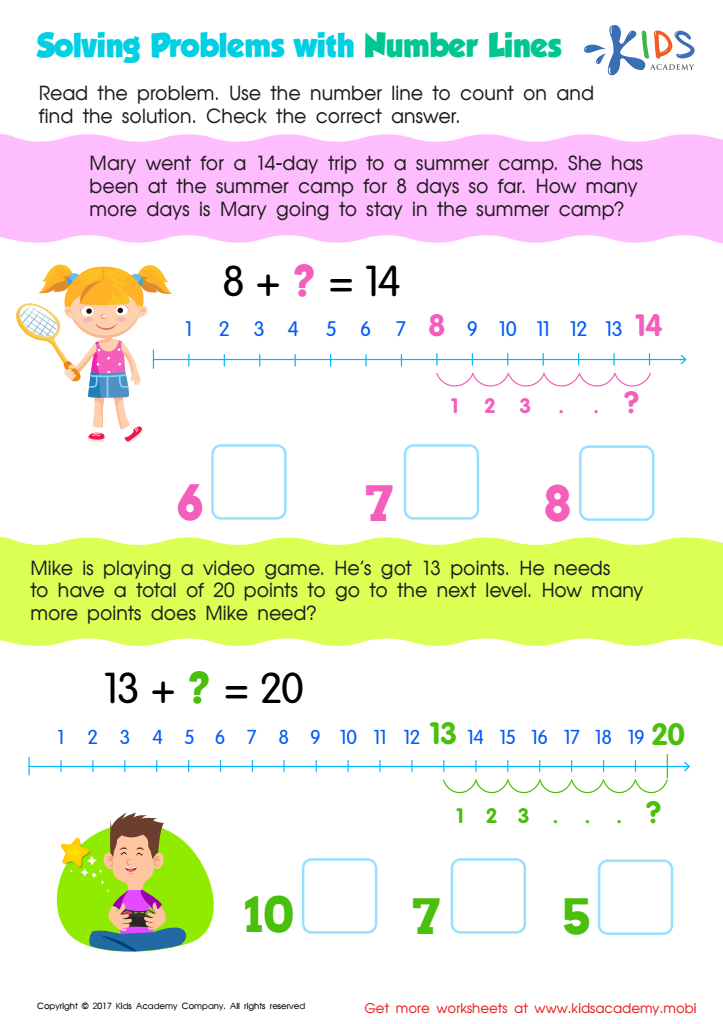
Solving Problems: Number Lines Worksheet
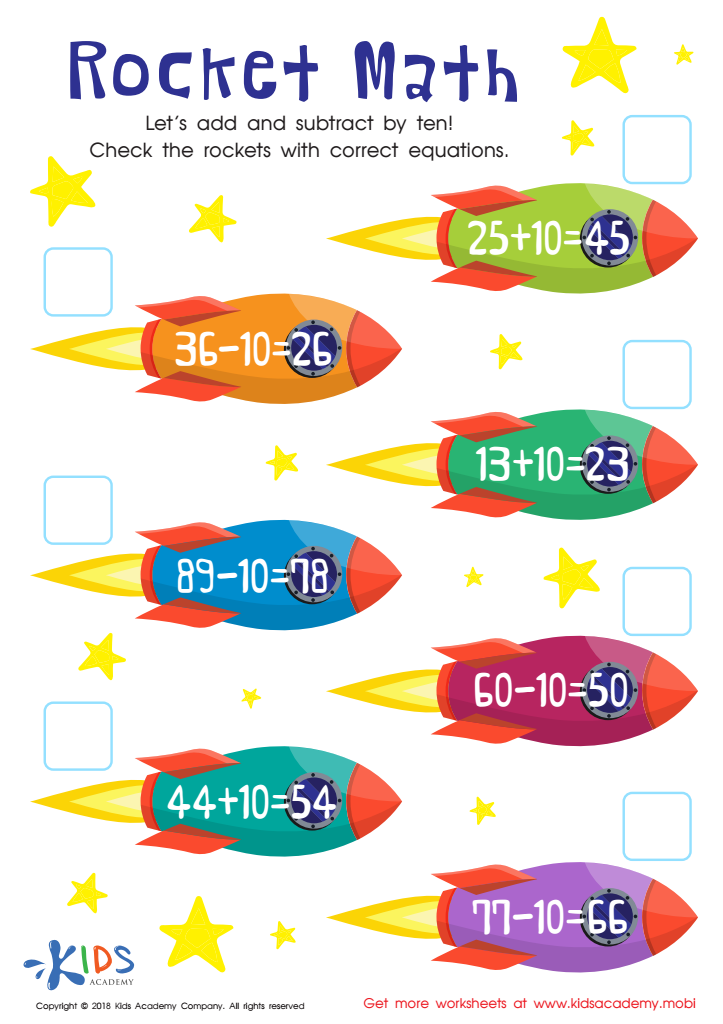
Rocket Math Worksheet
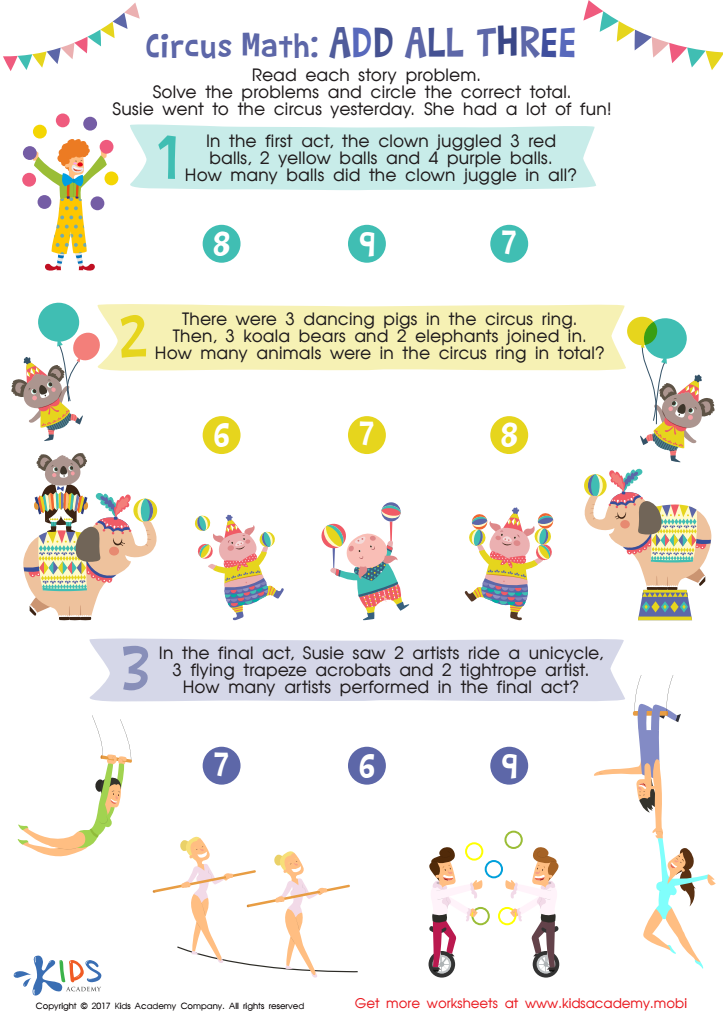
Circus Math Printable
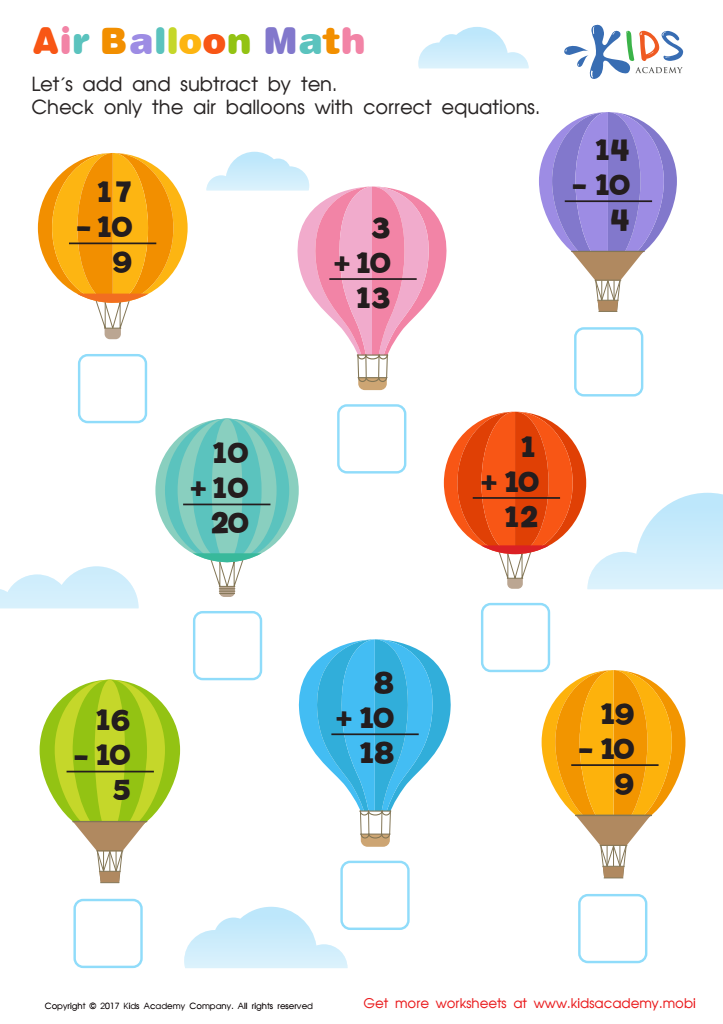
Air Balloon Math Worksheet
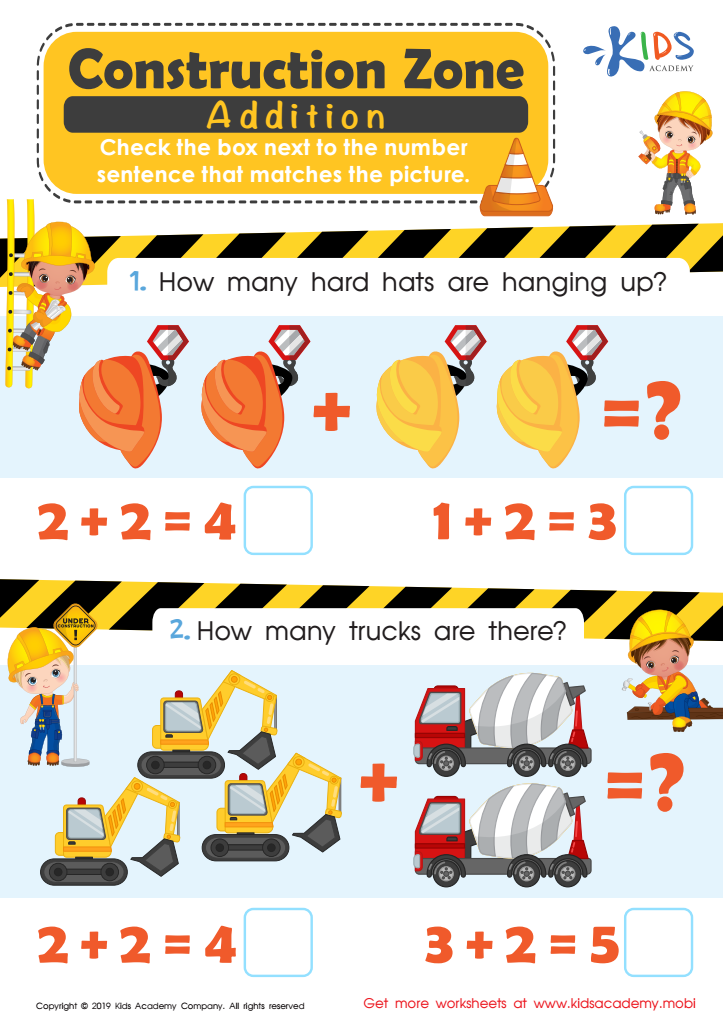
Construction Zone Addition Worksheet
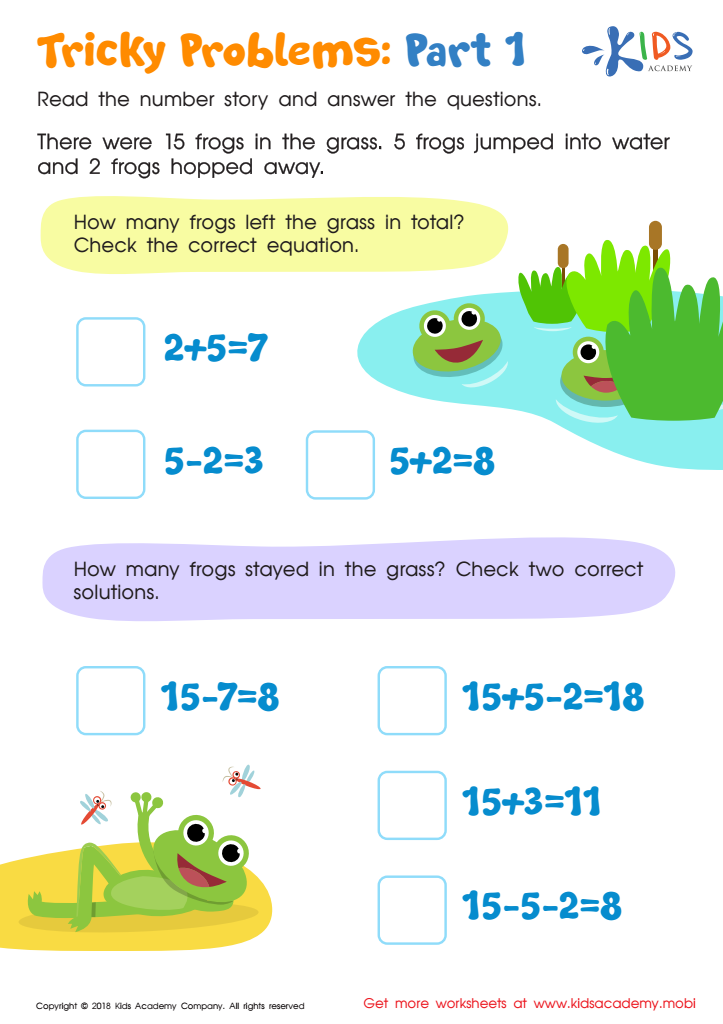
Tricky Problems Worksheet: Part 1
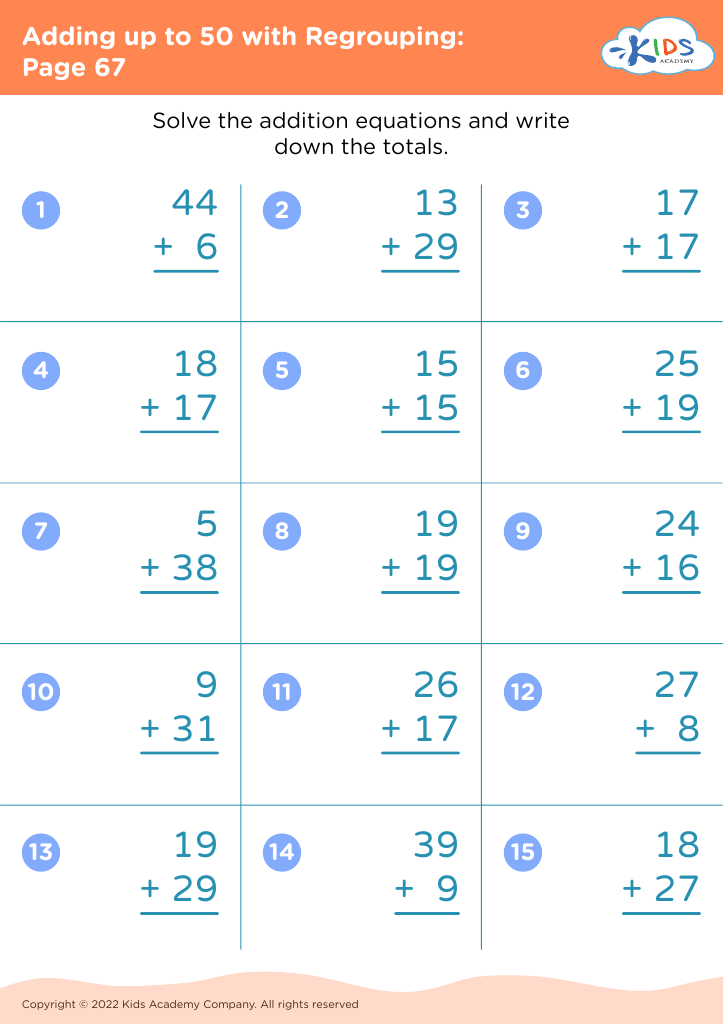
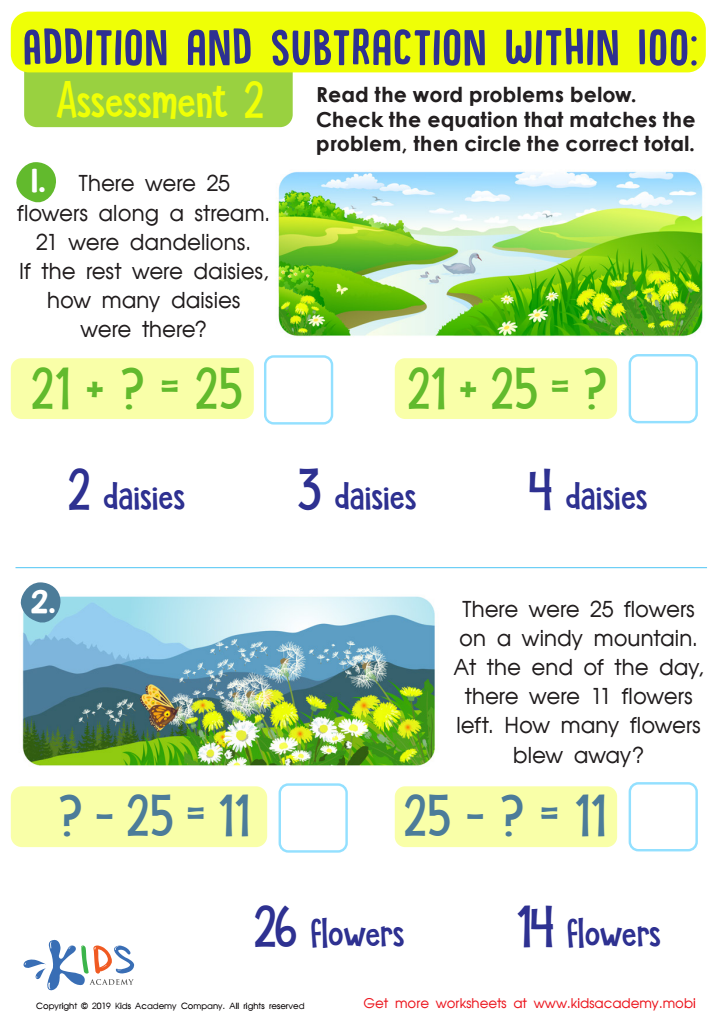
Assessment 2 Math Worksheet
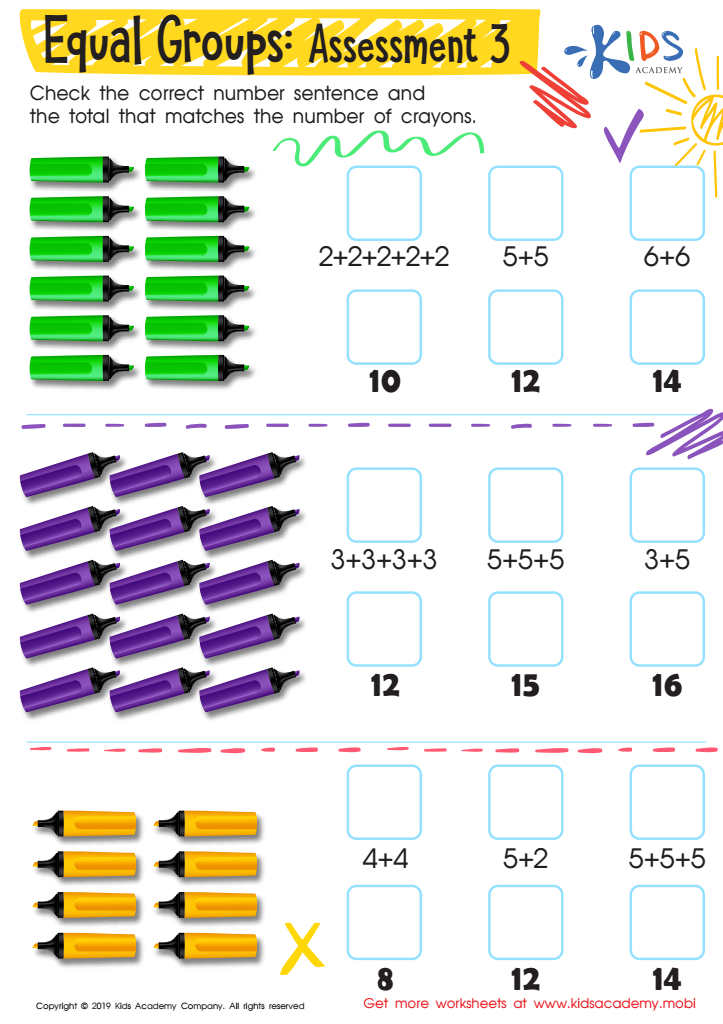
Equal Groups: Assessment 3 Worksheet
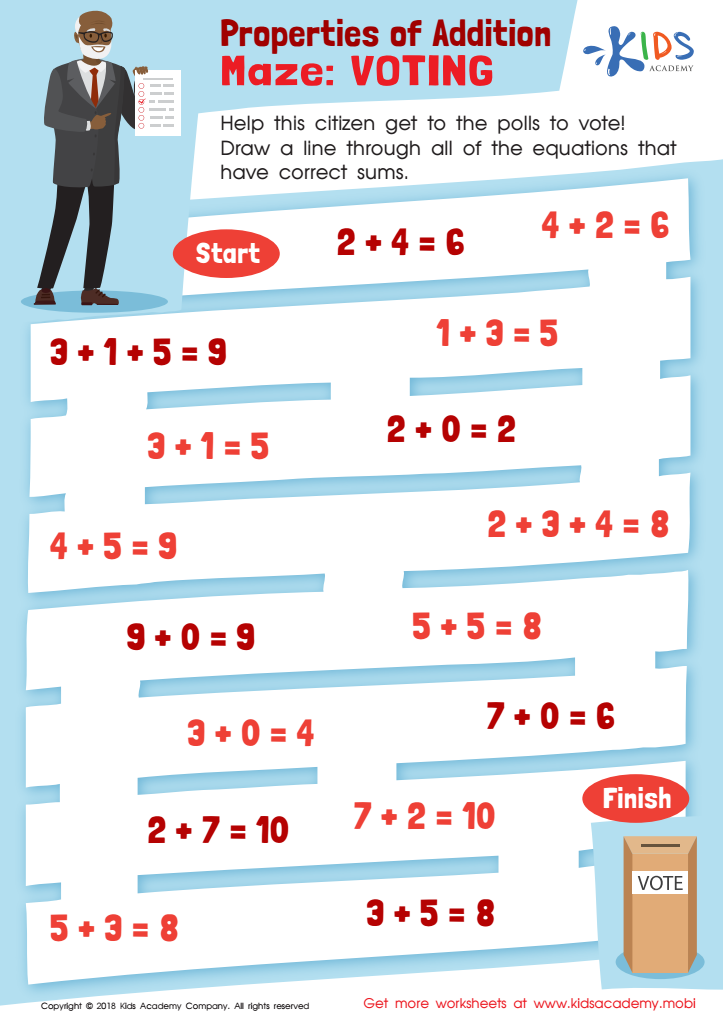
Properties of Addition Maze: Voting Worksheet
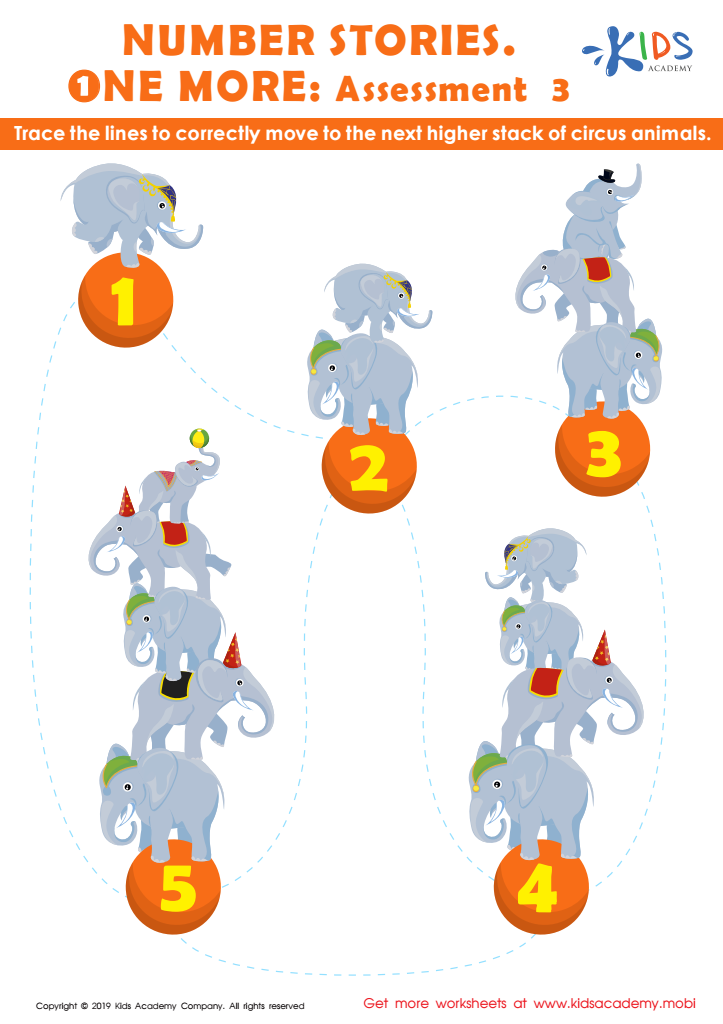
Number Stories One More: Assessment 3 Worksheet








Parents and teachers should prioritize problem-solving skills in addition and subtraction for children aged 3-7 because these foundational abilities are critical for long-term academic success. During this developmental stage, children are naturally curious and eager to explore concepts, making it an ideal time to introduce basic math skills. Problem-solving not only enhances their numerical understanding but also fosters critical thinking and analytical skills.
When children engage in problem-solving activities related to addition and subtraction, they learn to approach challenges systematically, developing resilience as they try different solutions and persist through difficulties. These skills are essential for everyday life—helping children learn to manage their time, make decisions, and collaborate with peers.
Additionally, strong problem-solving abilities boost a child's confidence in math, helping to dispel math anxiety. Research shows that an early positive experience with math is linked to future enthusiasm and competence in the subject. By supporting innovation in teaching methods that emphasize fun, interactive problem-solving, parents and teachers can instill a love for math at an early age, laying a robust groundwork for future learning and success. Investing in these skills now ensures children are better prepared for more complex mathematical concepts as they progress through their education.








