Recognizing shapes Addition & Subtraction Worksheets for Ages 3-7 - Page 2
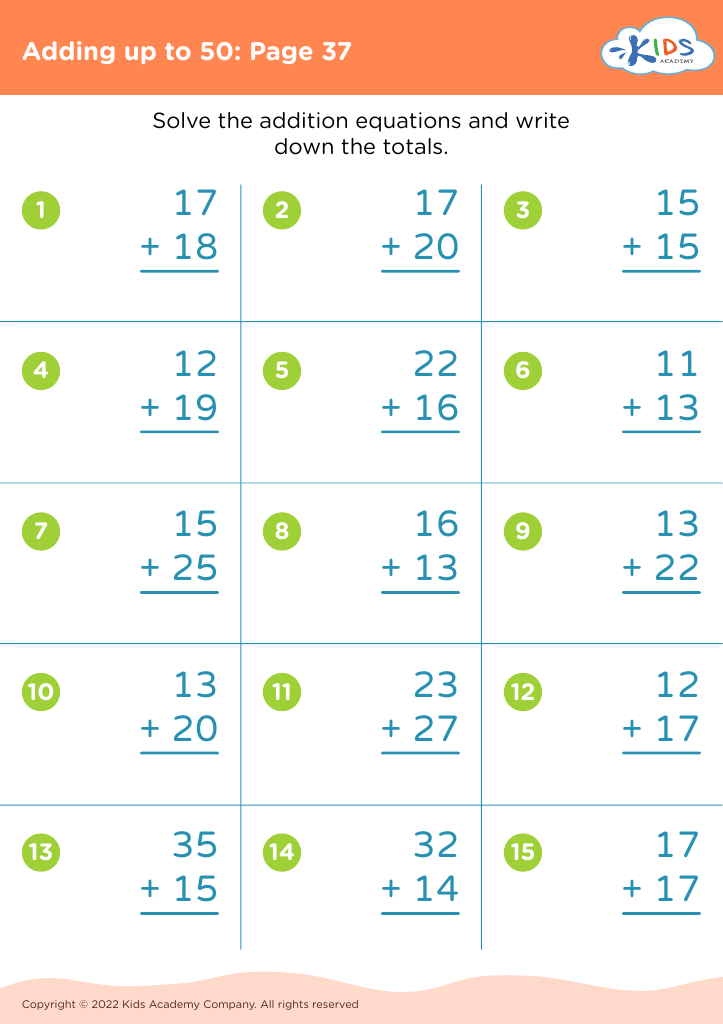
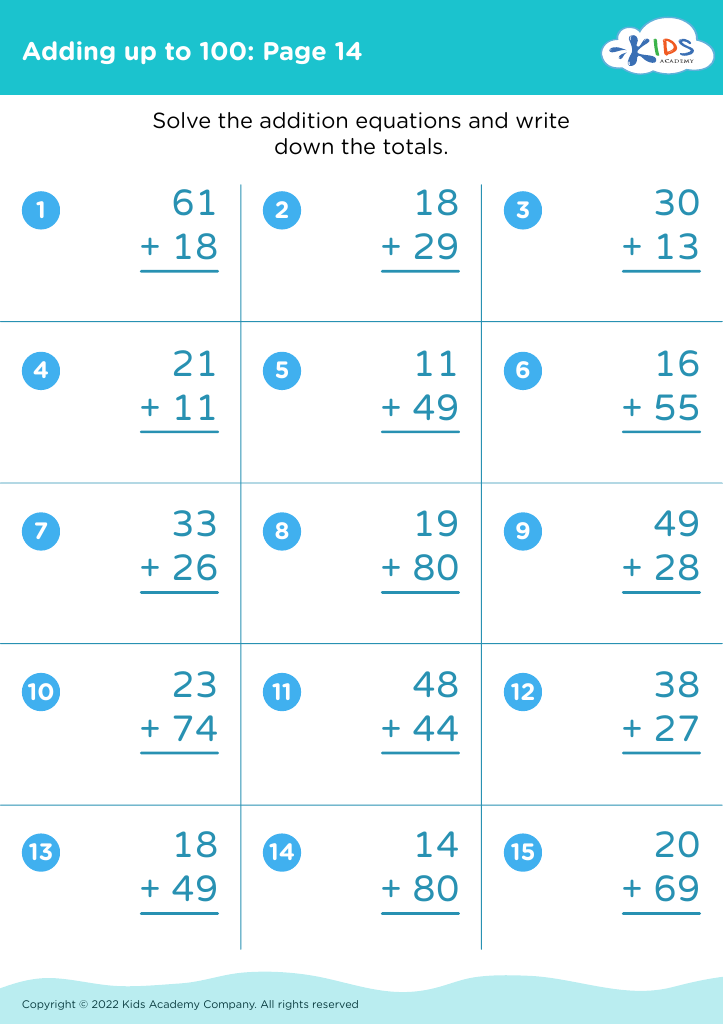
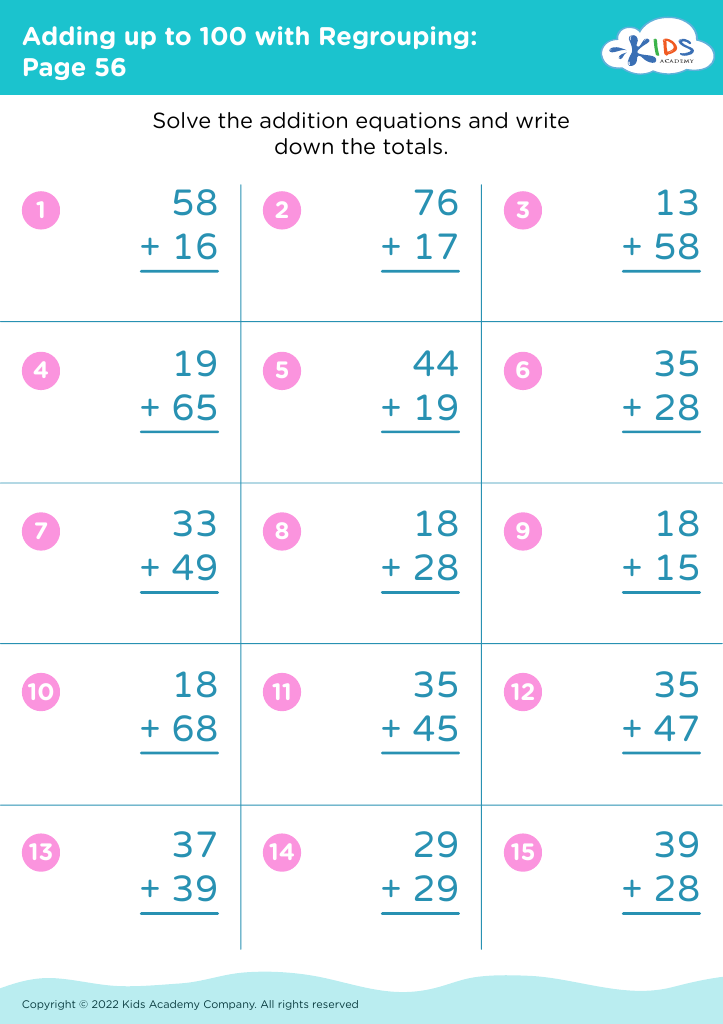
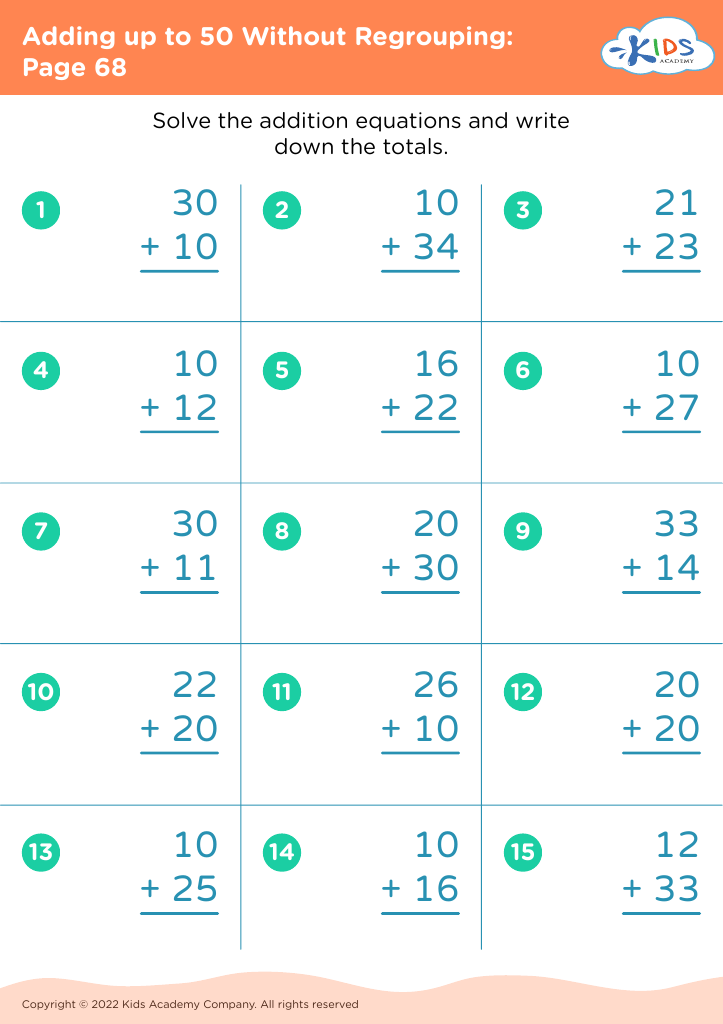








Recognizing shapes and mastering basic addition and subtraction concepts are fundamental skills for children aged 3-7, as they lay the groundwork for future learning in mathematics and critical thinking. Understanding shapes helps children develop spatial awareness, which is essential for problem-solving in various subjects and real-life situations. It also fosters creativity and enhances their ability to recognize patterns, further underpinning mathematical skills.
Moreover, learning addition and subtraction builds a strong numerical foundation. These skills enable children to manage everyday tasks, like counting objects or handling money, and serve as essential building blocks for more complex mathematical operations in later years. Early exposure to these concepts can prevent math anxiety and instill confidence in pursuing more advanced math topics as they grow.
For parents and teachers, engaging children in consistent practice with shapes and simple calculations can enhance their cognitive development and support academic readiness for school. Incorporating fun activities such as games, puzzles, and hands-on learning experiences helps make these concepts enjoyable, further encouraging students to explore and embrace mathematics. Ultimately, caregivers play a crucial role in fostering a positive attitude toward learning, shaping lifelong skills critical for success in both academic and daily life.








