Understand subtraction Addition & Subtraction Worksheets for Ages 3-7
6 filtered results
-
From - To
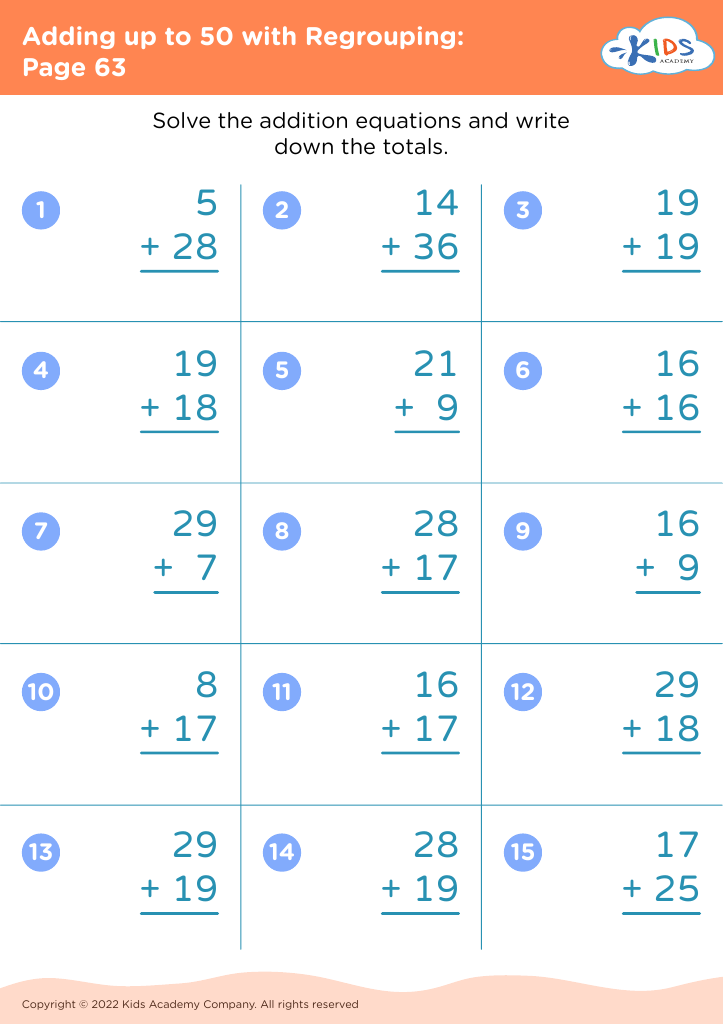
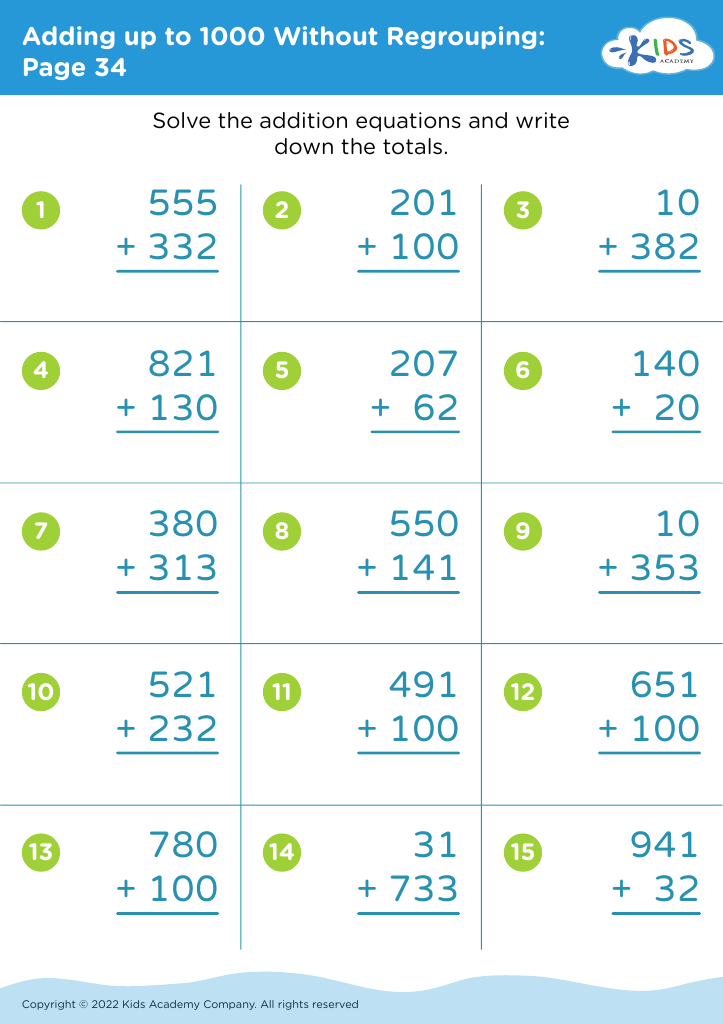
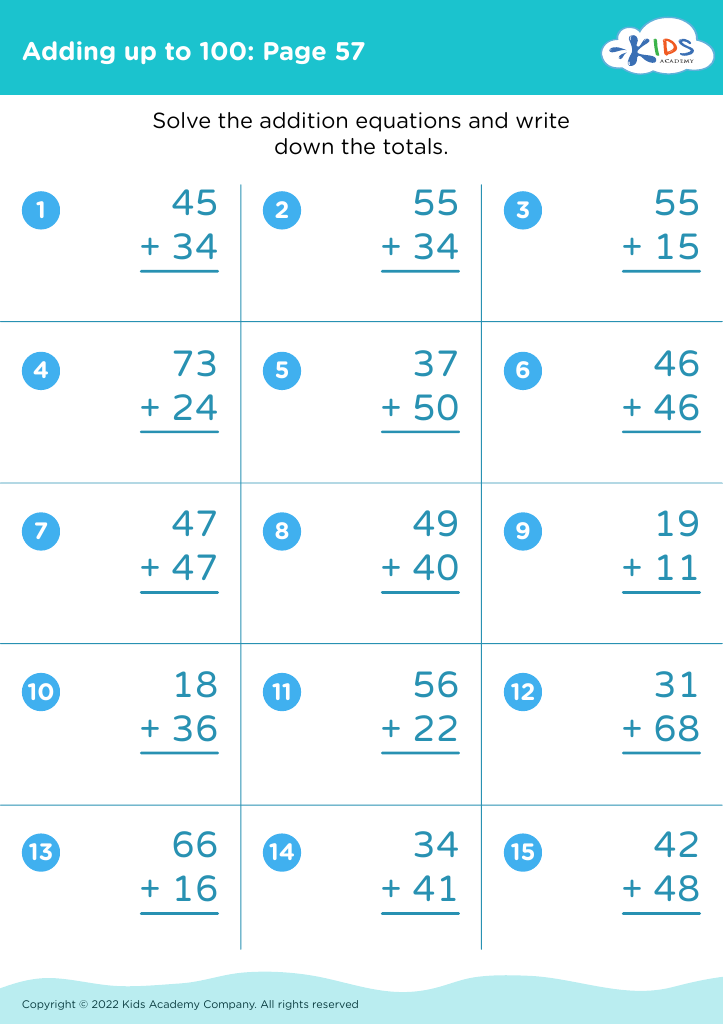
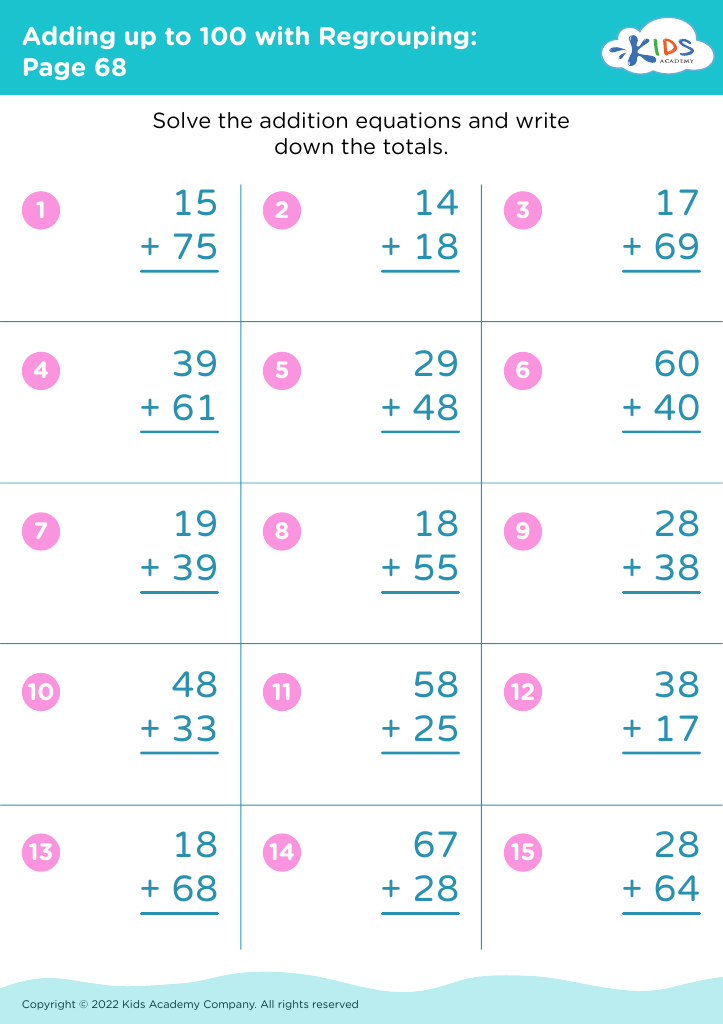
Discover our "Understand Subtraction Addition & Subtraction Worksheets for Ages 3-7"! Tailored for young learners, these engaging worksheets are designed to enhance early math skills through interactive exercises including colorful visuals and fun activities. Your child will master basic subtraction and addition concepts effortlessly, laying a robust foundation for future mathematical success. Empower your little one with confidence in math through our expertly crafted materials, aligned with educational standards and perfect for playful learning. Ideal for both classroom settings and at-home practice, these resources make math exciting and accessible for young learners. Start exploring today!
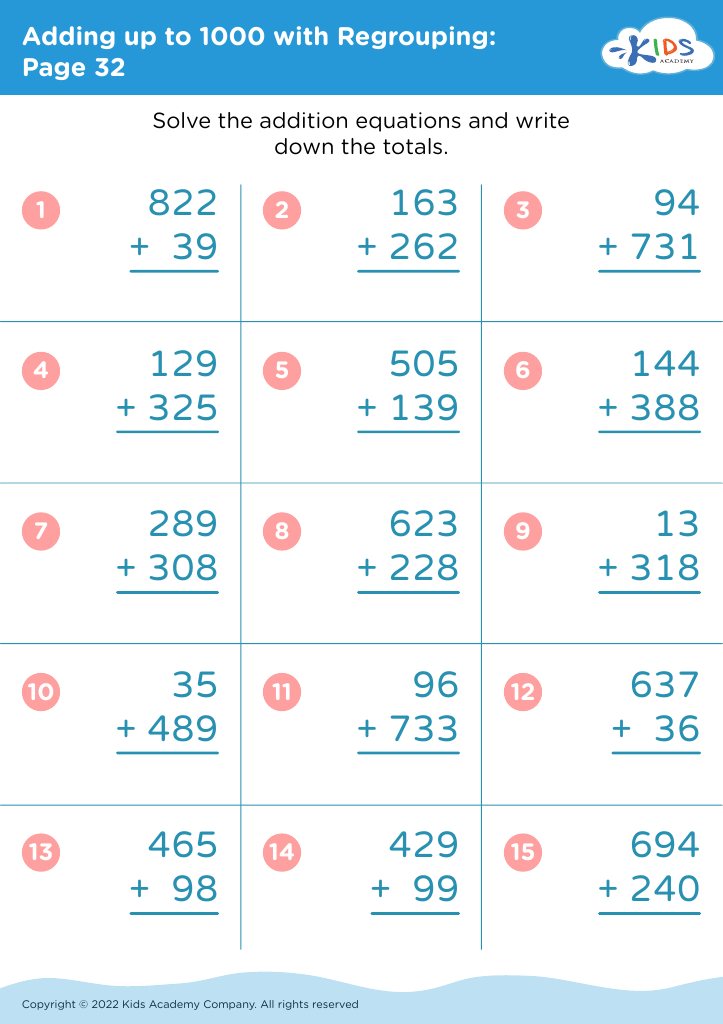
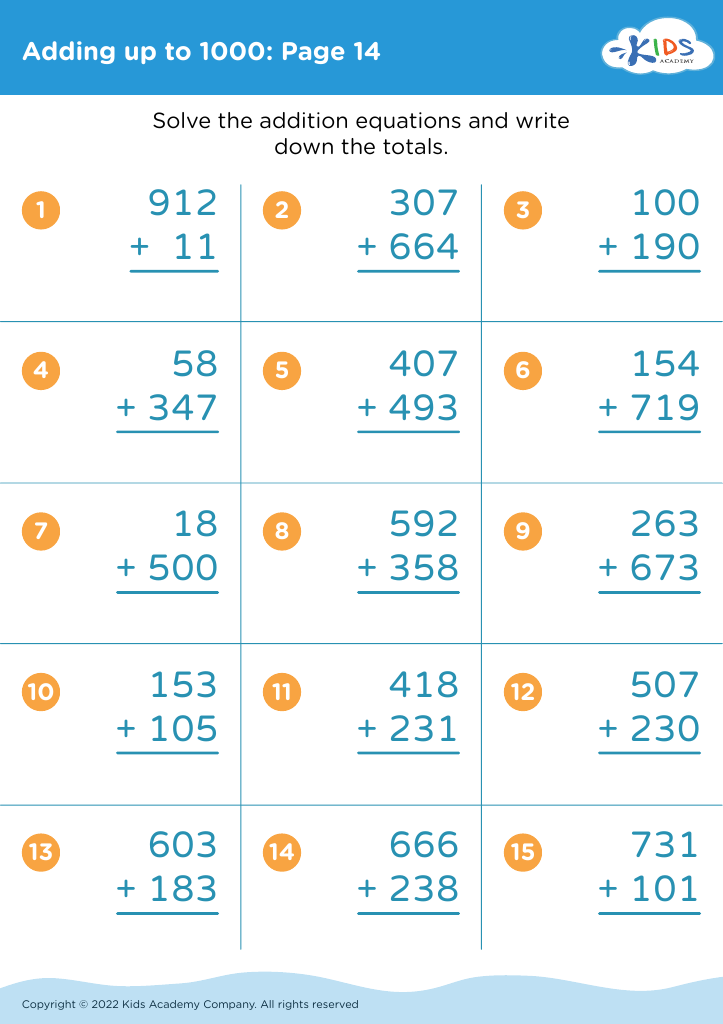








Understanding subtraction, alongside addition, is crucial for young children aged 3-7 as it forms the foundation for their future mathematical learning and everyday problem-solving skills. Young learners who grasp these basic arithmetic concepts gain confidence in using numbers, which can foster a positive attitude toward math.
For parents and teachers, ensuring that children understand these concepts is essential because it affects not only their academic success but also their cognitive development. Children use addition and subtraction to make sense of the world around them, whether they are dividing snacks among friends or determining how many toy cars they have left after sharing some.
These early math skills are also critical for developing logical thinking and reasoning. Through activities and play that involve adding and subtracting, children learn to recognize patterns, make predictions, and establish cause-and-effect relationships. Moreover, proficiency in these areas is linked to improved performance in other academic subjects, suggesting that early competency sets the stage for a well-rounded education.
In essence, when parents and teachers prioritize teaching addition and subtraction, they are not simply teaching math; they are equipping children with tools for critical thinking, decision-making, and effective communication, all of which are skills they will use throughout their lives.








