Understanding patterns Addition & Subtraction Worksheets for Ages 3-7 - Page 2
34 filtered results
-
From - To
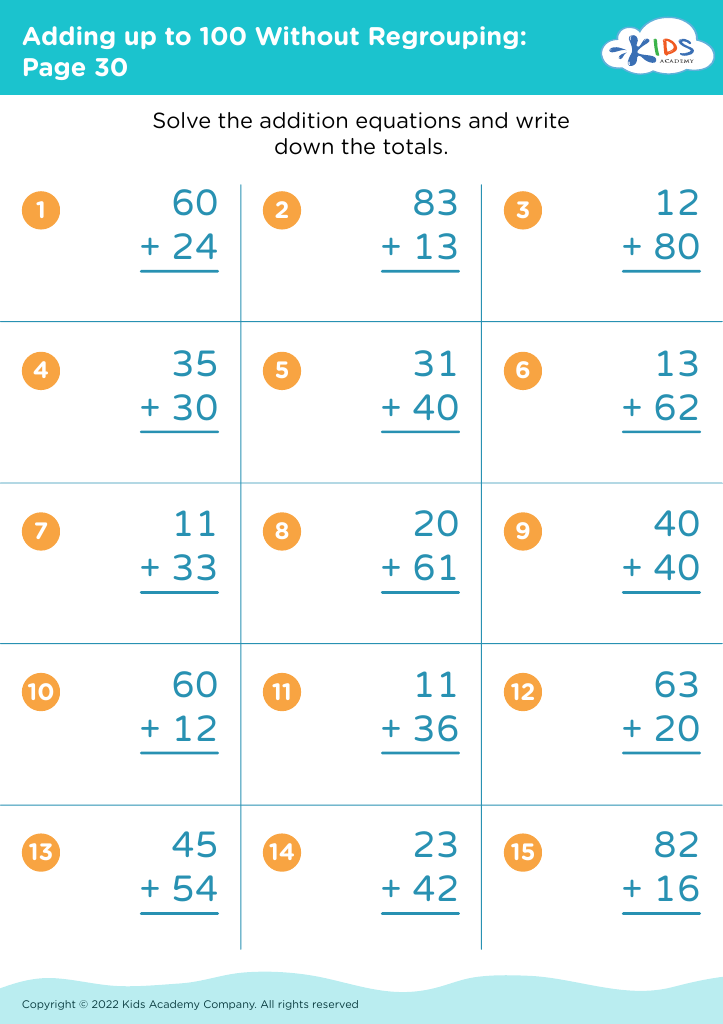
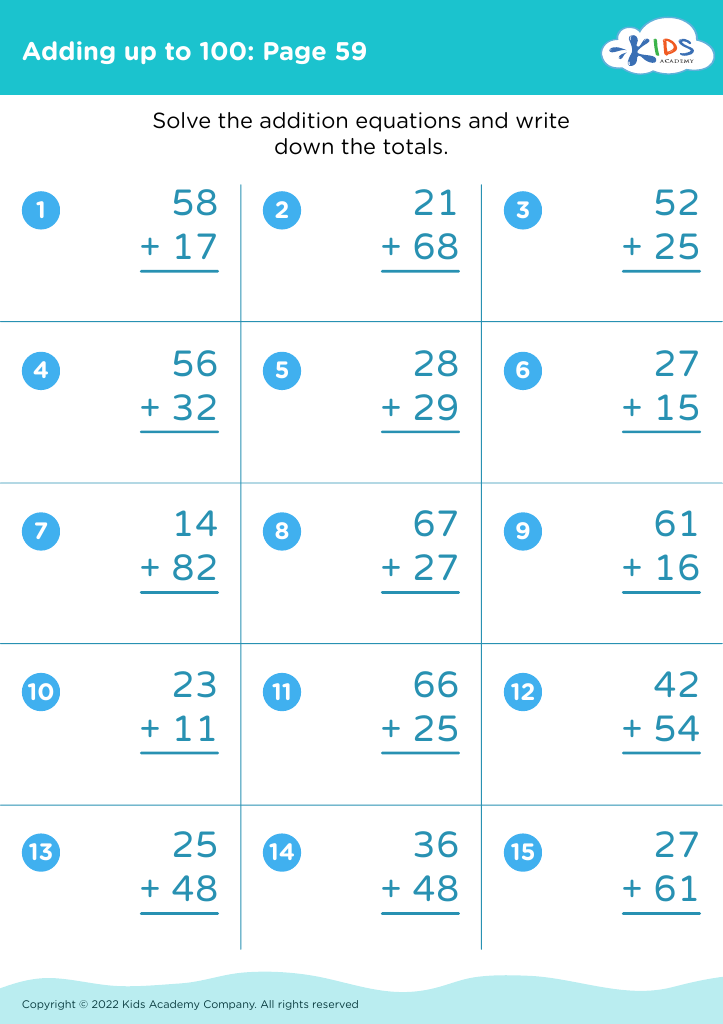
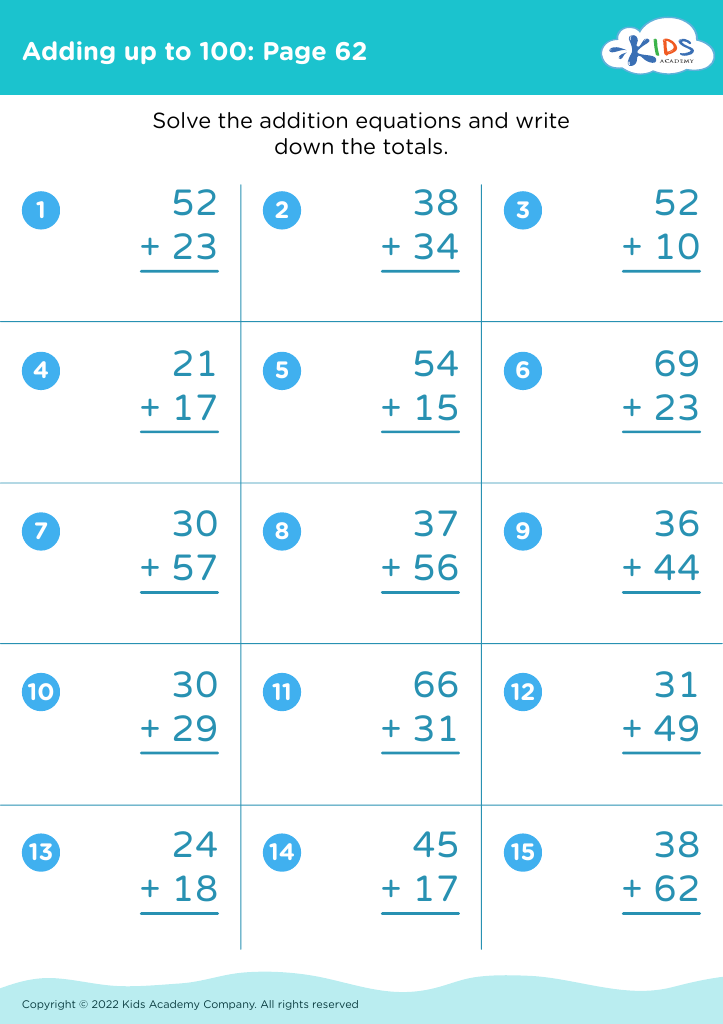
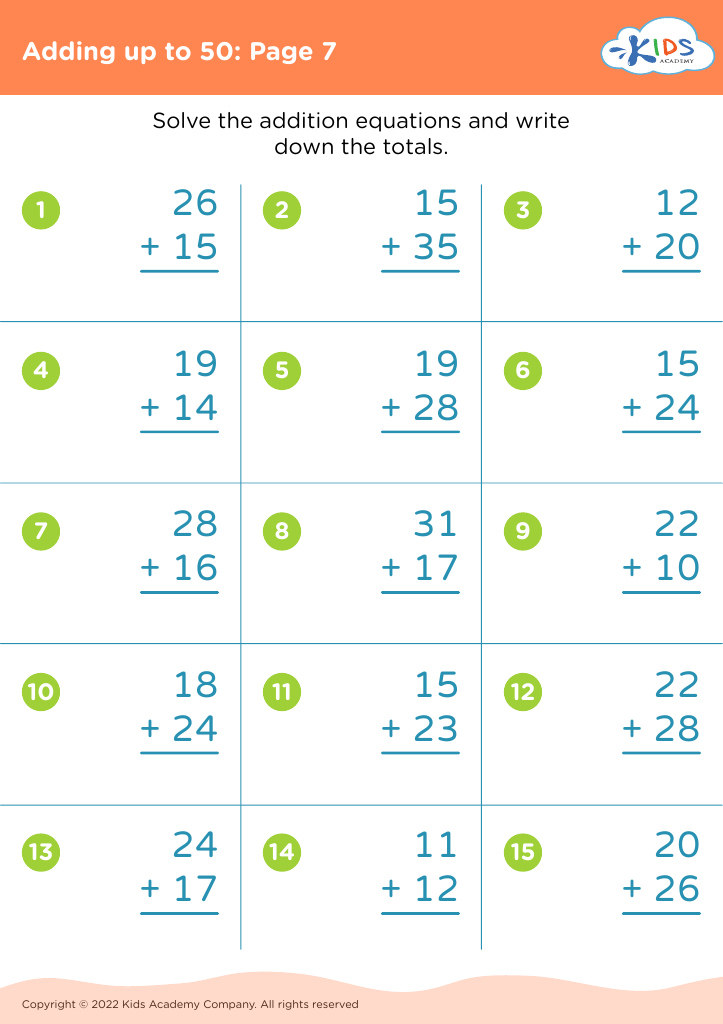
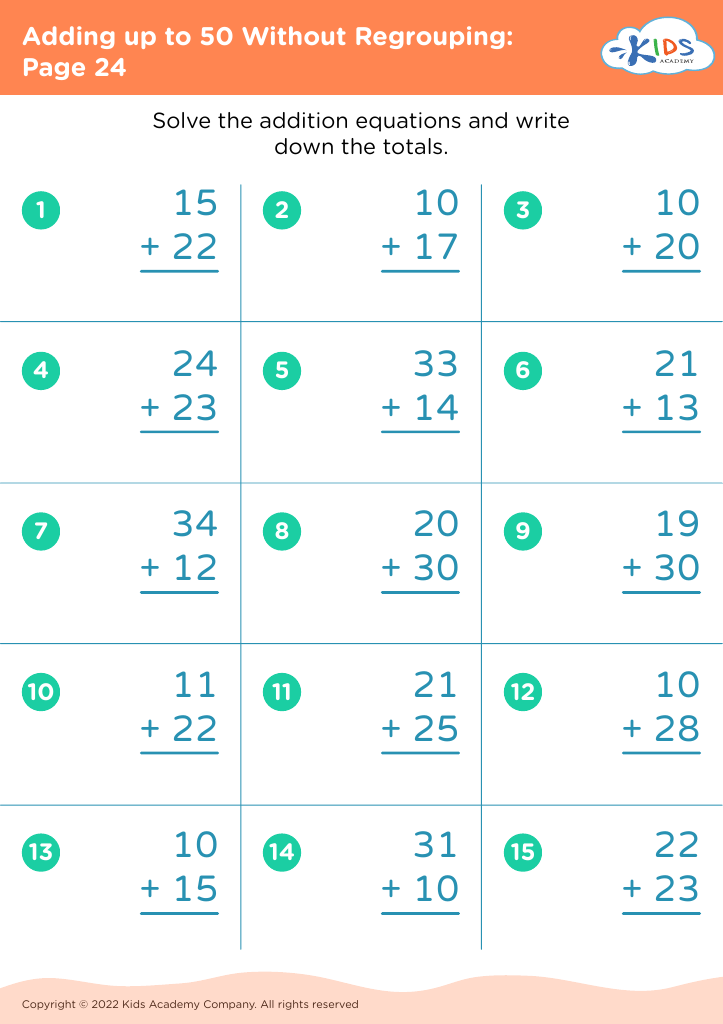
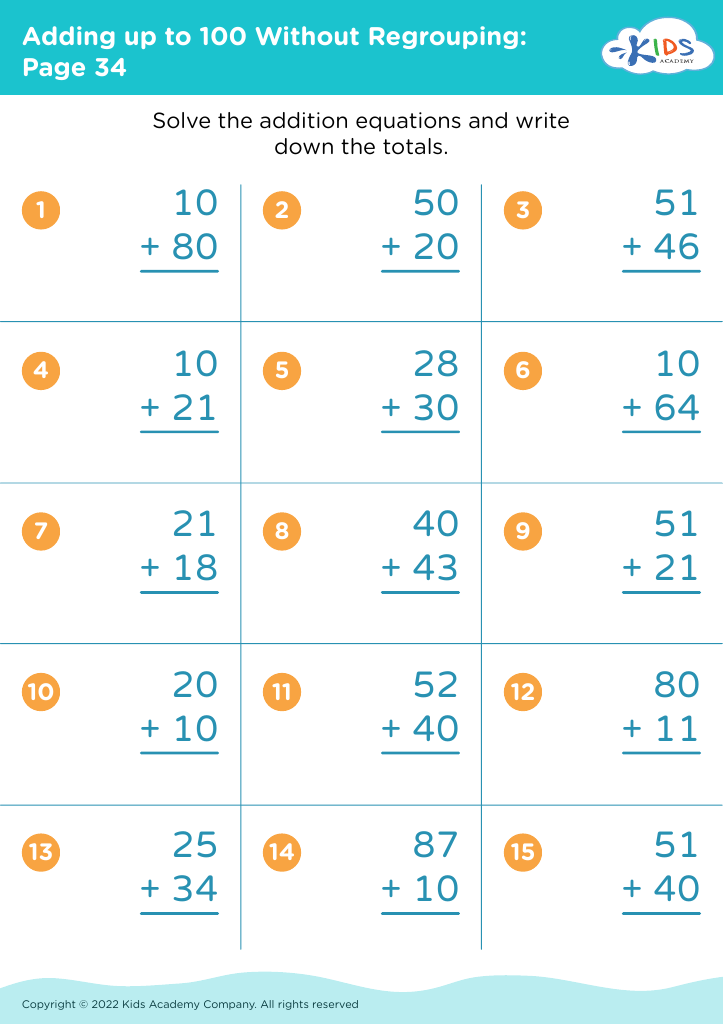
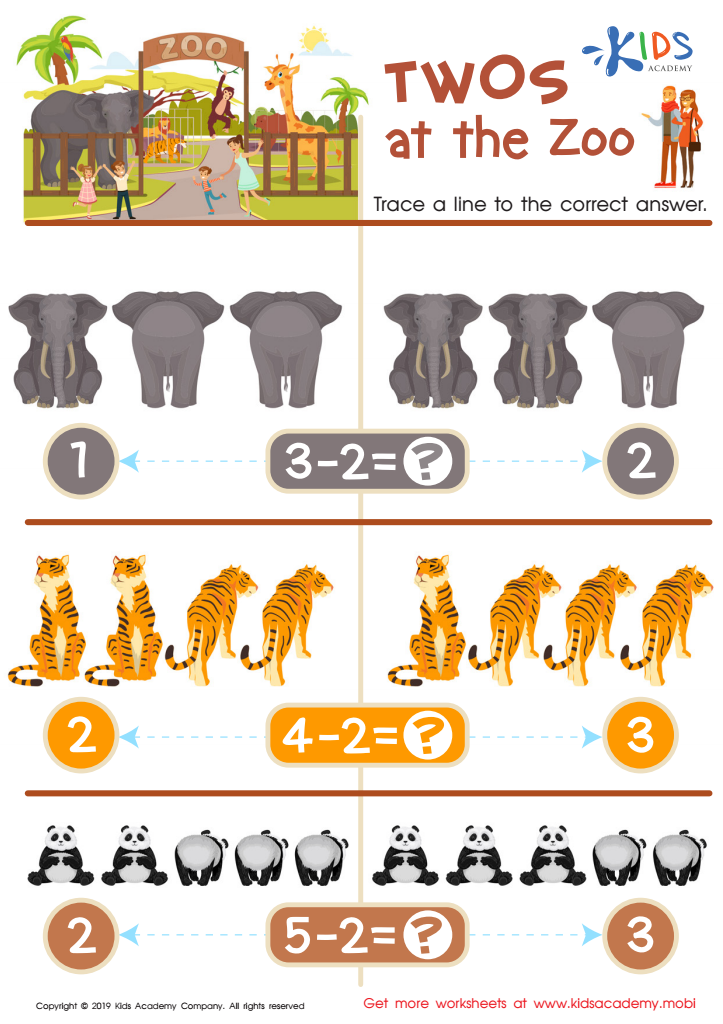
Twos at the Zoo Worksheet
 Assign to My Students
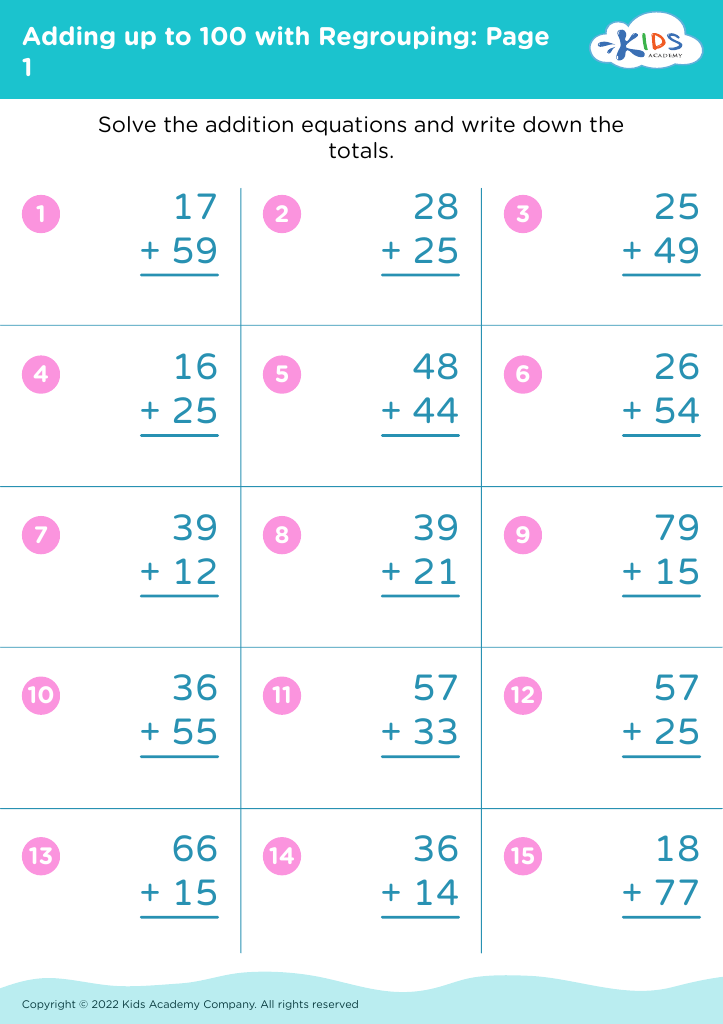
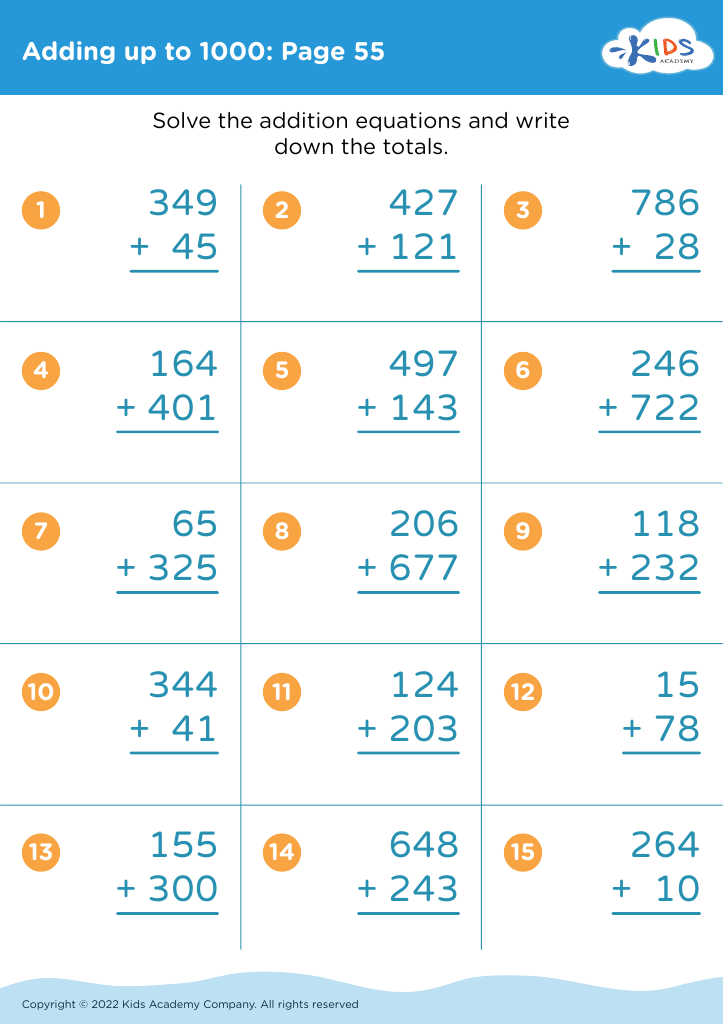
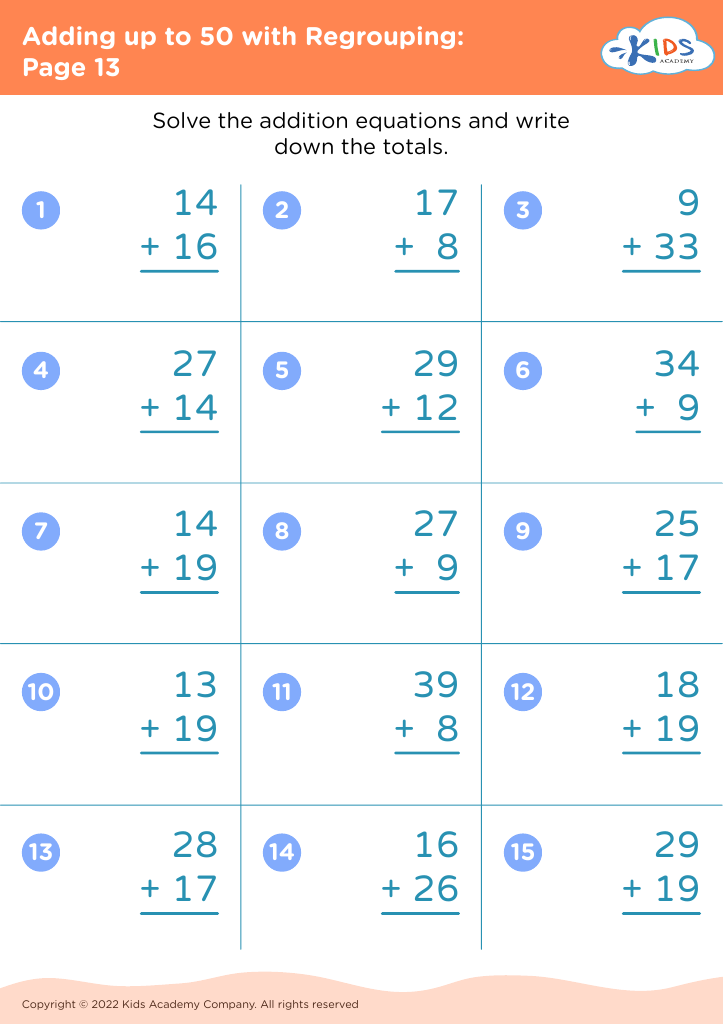








Understanding patterns, addition, and subtraction for children ages 3-7 is crucial as it forms the foundation for their mathematical journey. For young learners, recognizing patterns fosters cognitive skills that are essential for problem-solving and logical thinking. Patterns help children predict and make sense of the world around them, boosting their analytical and reasoning capabilities.
Addition and subtraction are fundamental arithmetic operations that young children need to grasp early on. These concepts underpin almost all future mathematical learning. When parents or teachers help children to understand and practice these skills, they promote numeracy, which is the ability to apply arithmetic operations in daily life.
Moreover, engaging in activities that involve addition and subtraction, such as counting toys, sharing snacks, or playing math games, can also enhance a child's fine motor skills and hand-eye coordination. These activities make learning fun and interactive, capturing the child's interest and curiosity.
By investing time and effort into teaching these skills, parents and teachers can build confidence in young learners, ensuring they have a solid mathematical foundation. This not only helps in academic success but also empowers children with critical life skills, shaping them into competent and confident problem-solvers.








