Basic Math Skills Addition Worksheets for Ages 3-7 - Page 2
73 filtered results
-
From - To
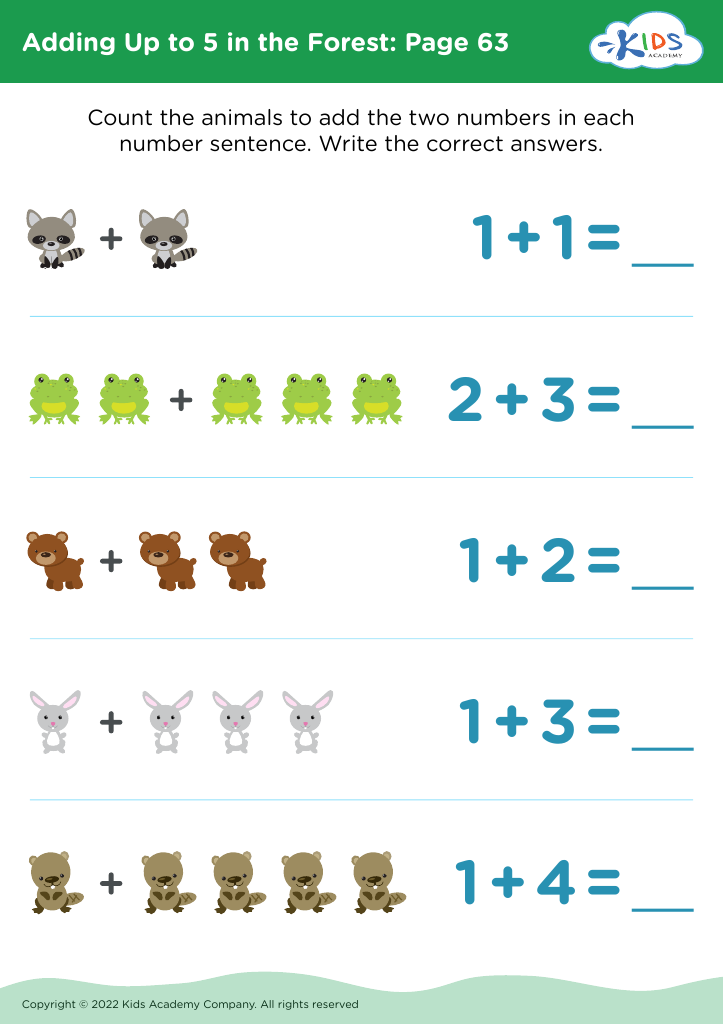
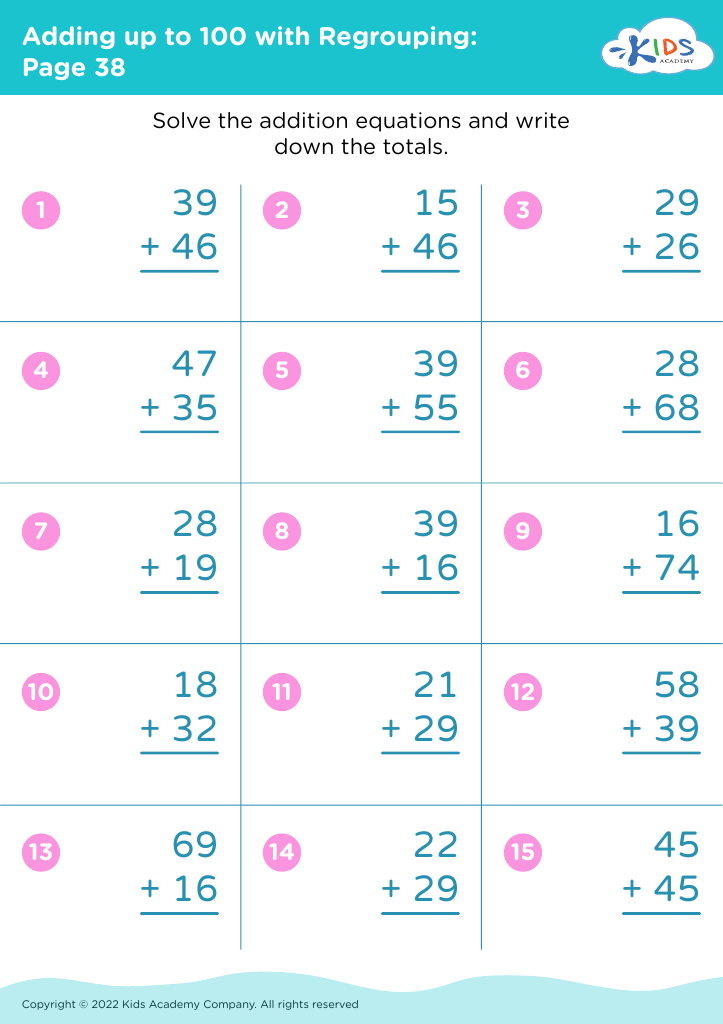
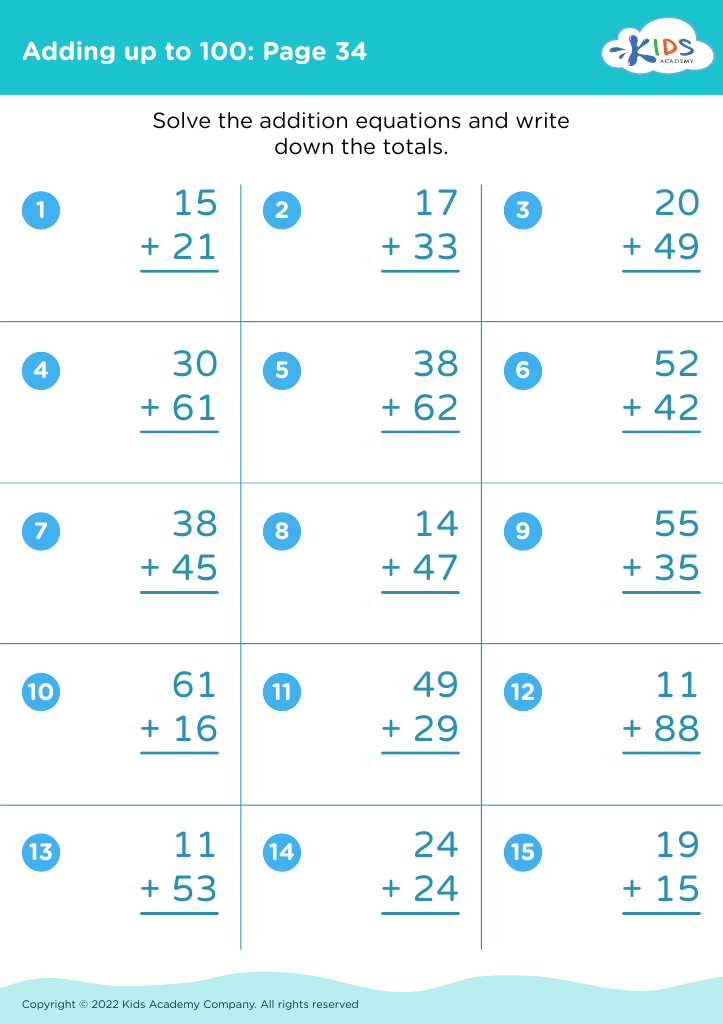
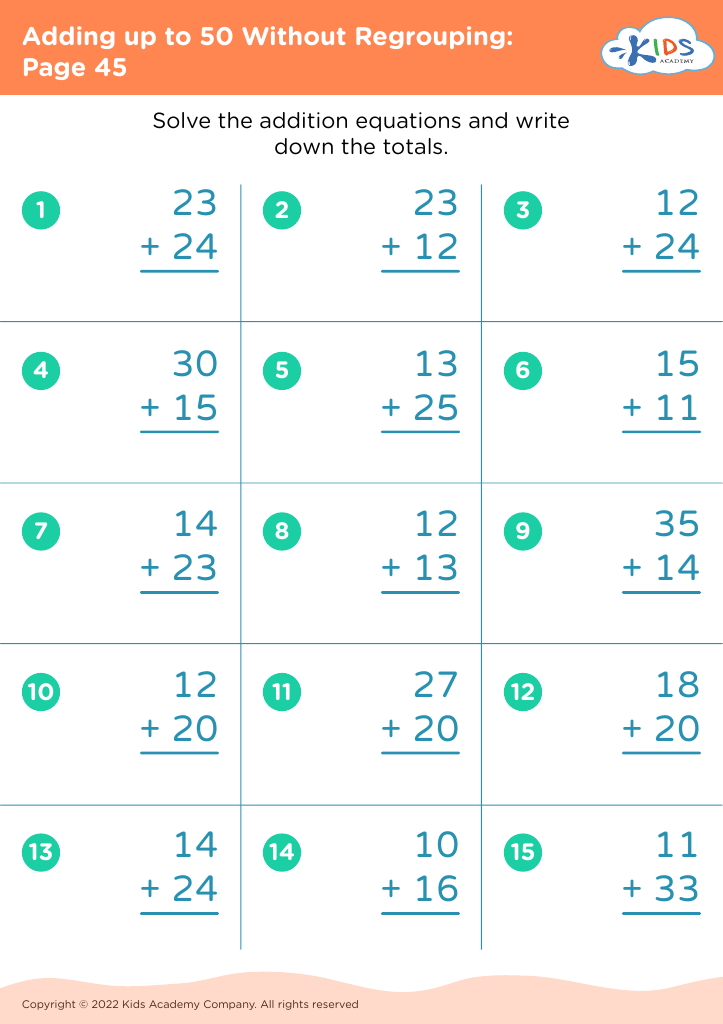
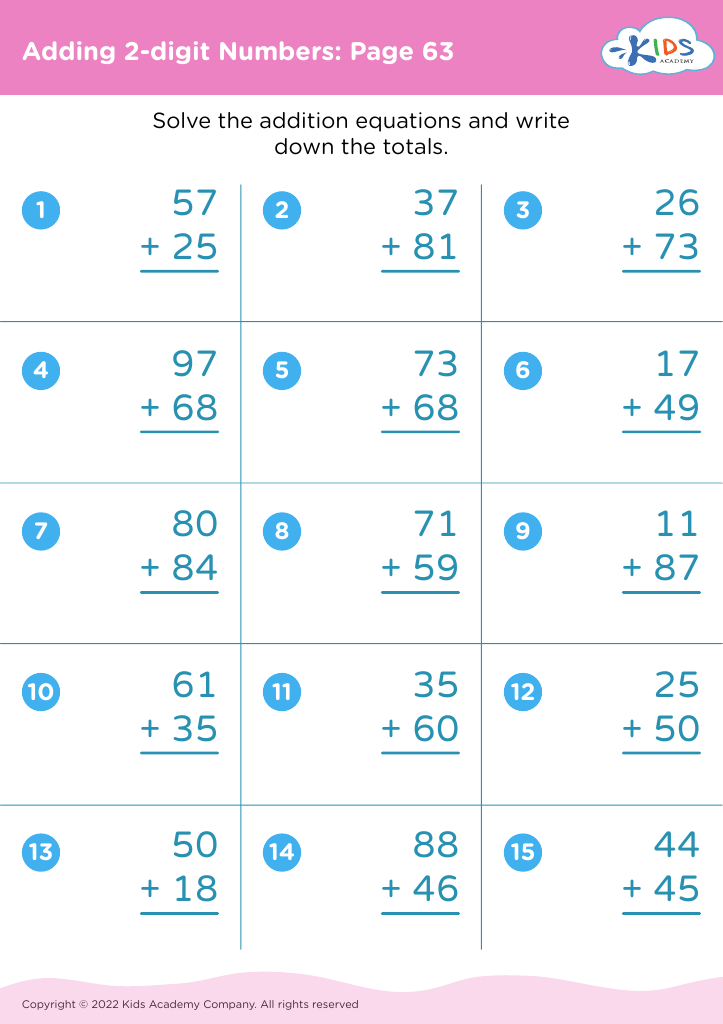
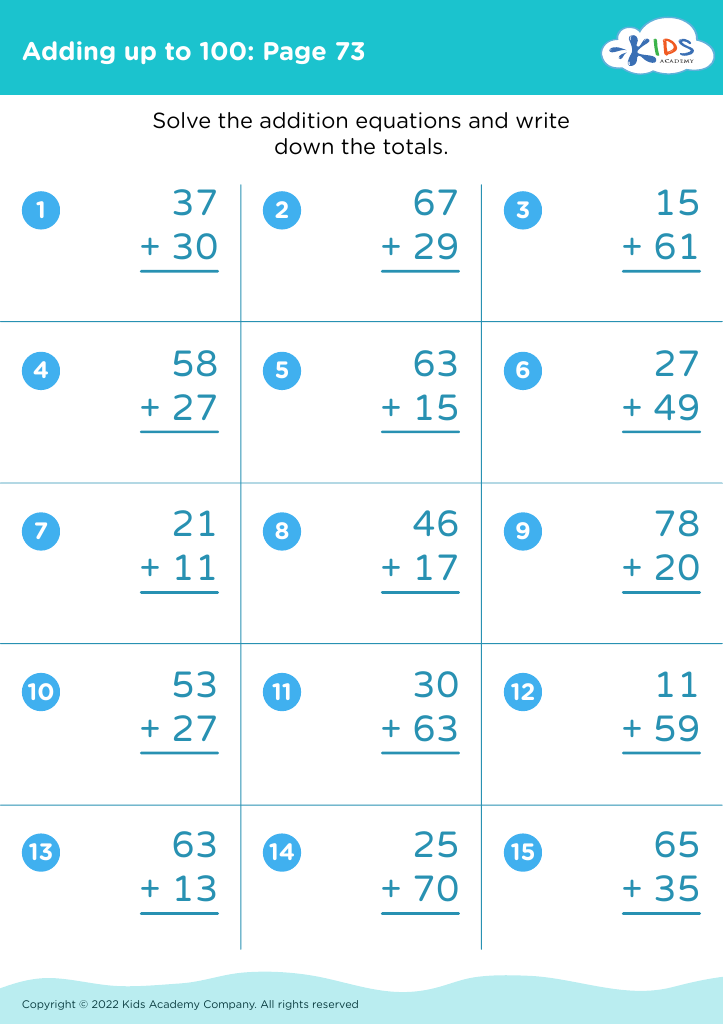
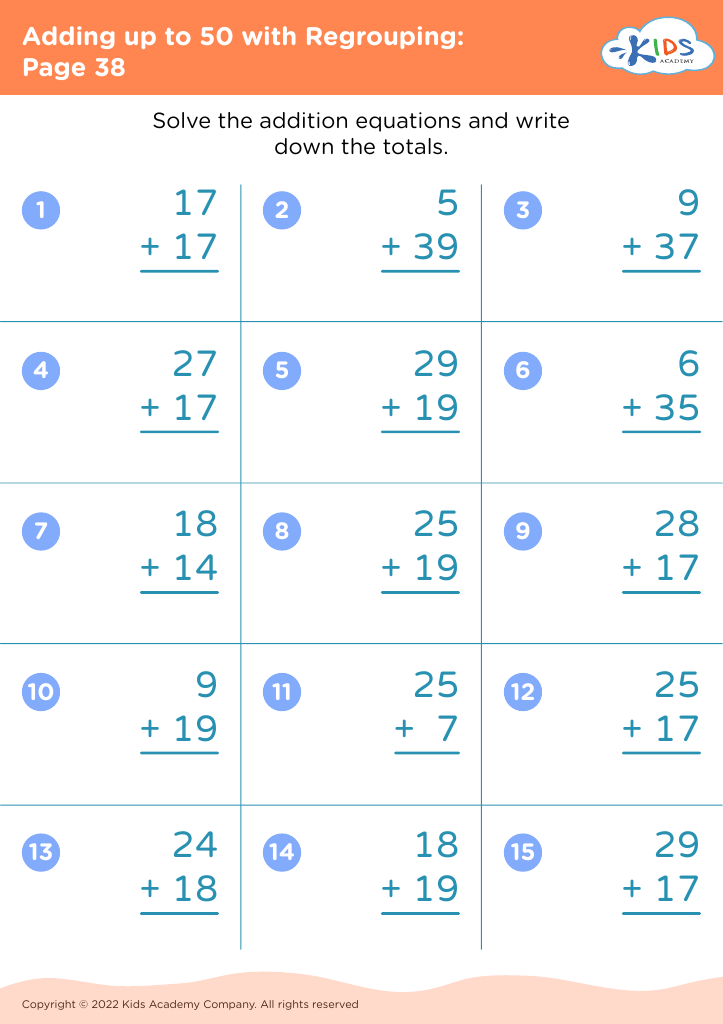
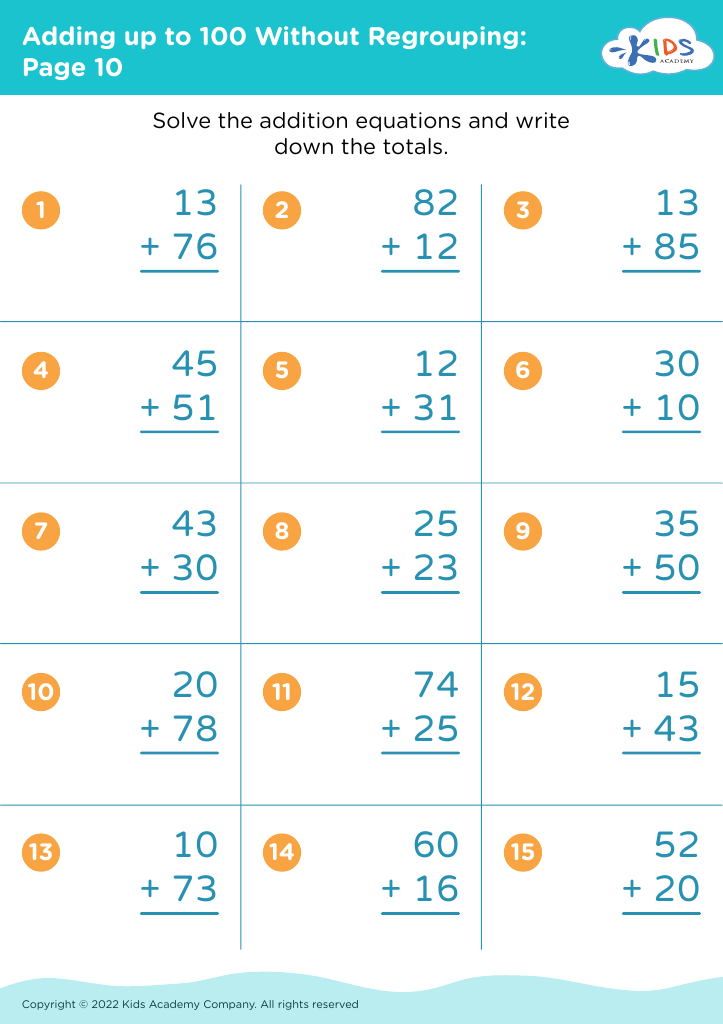
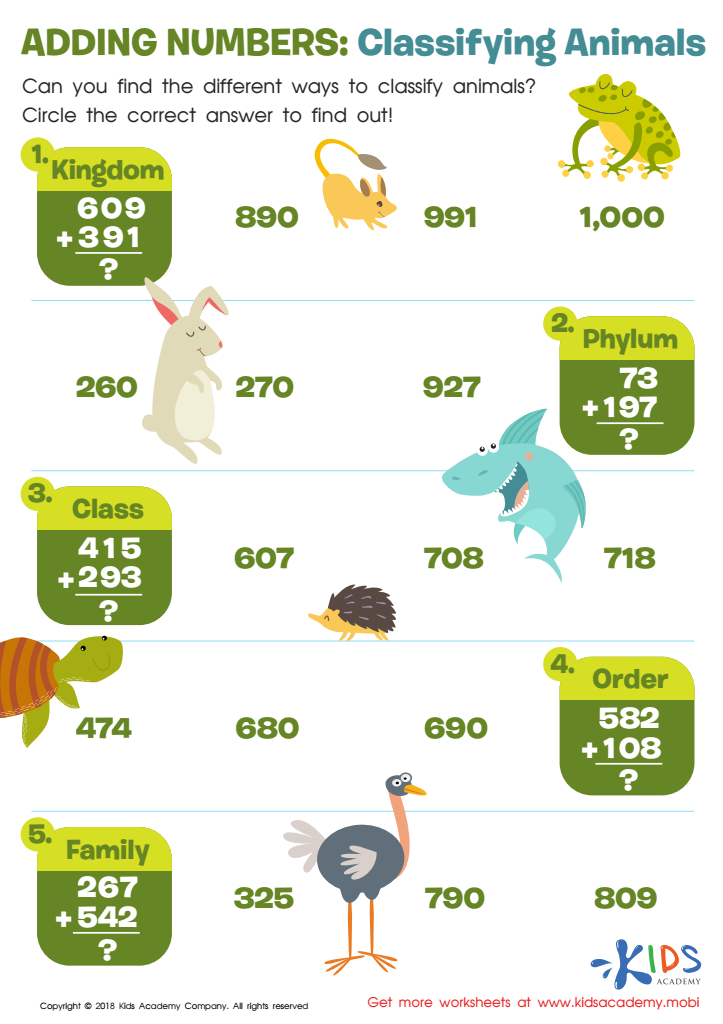
Adding Numbers: Classifying Animals Worksheet
 Assign to My Students
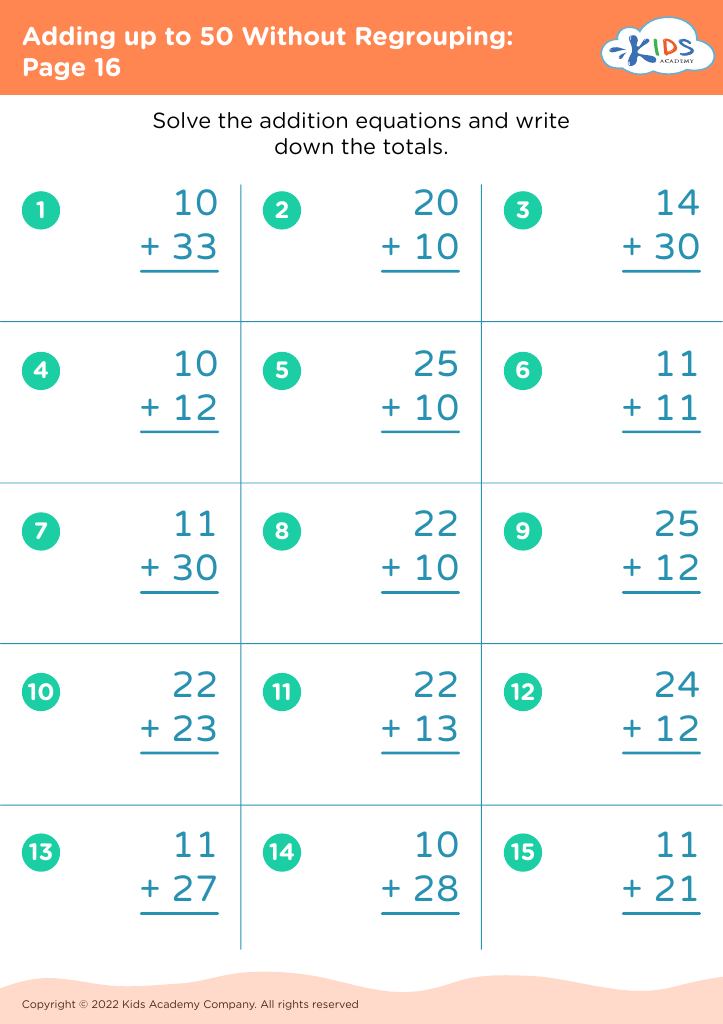
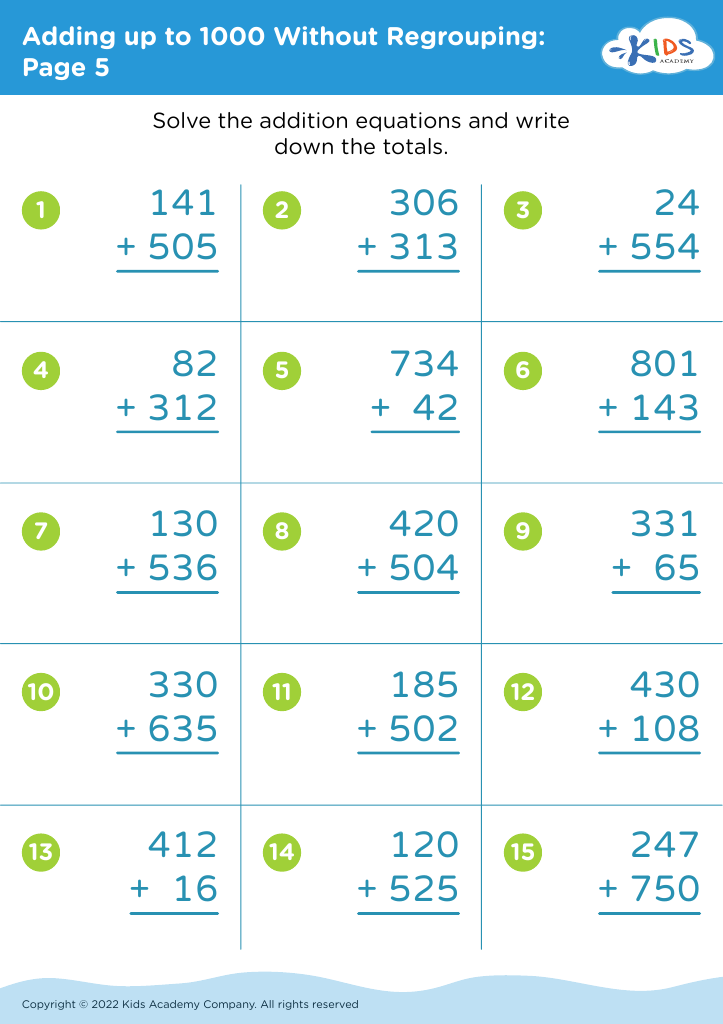
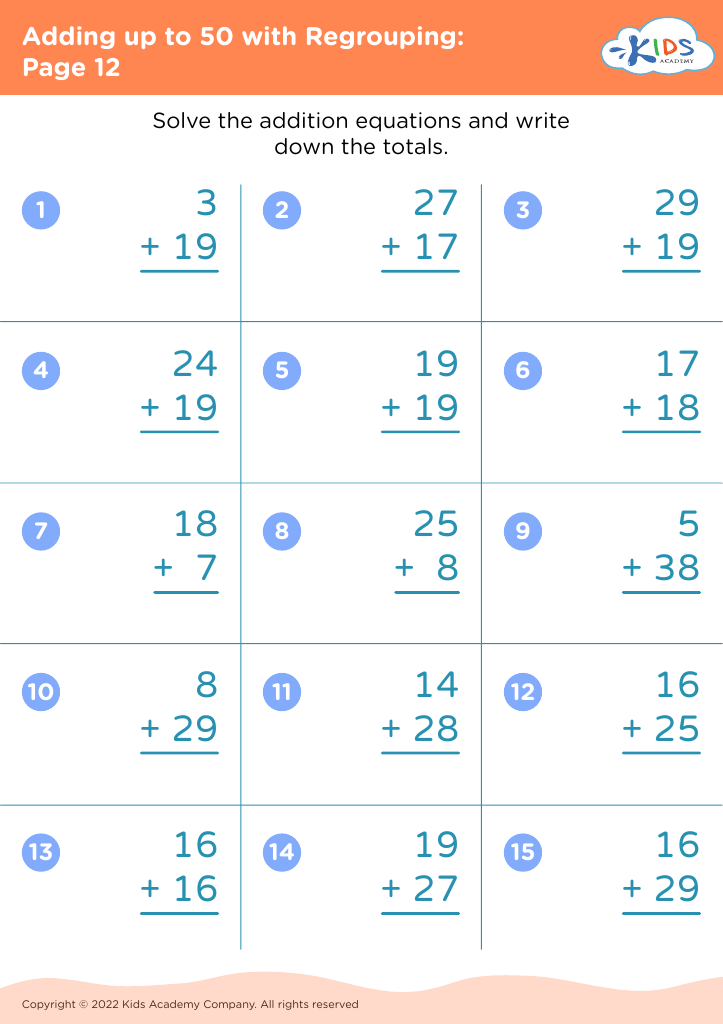
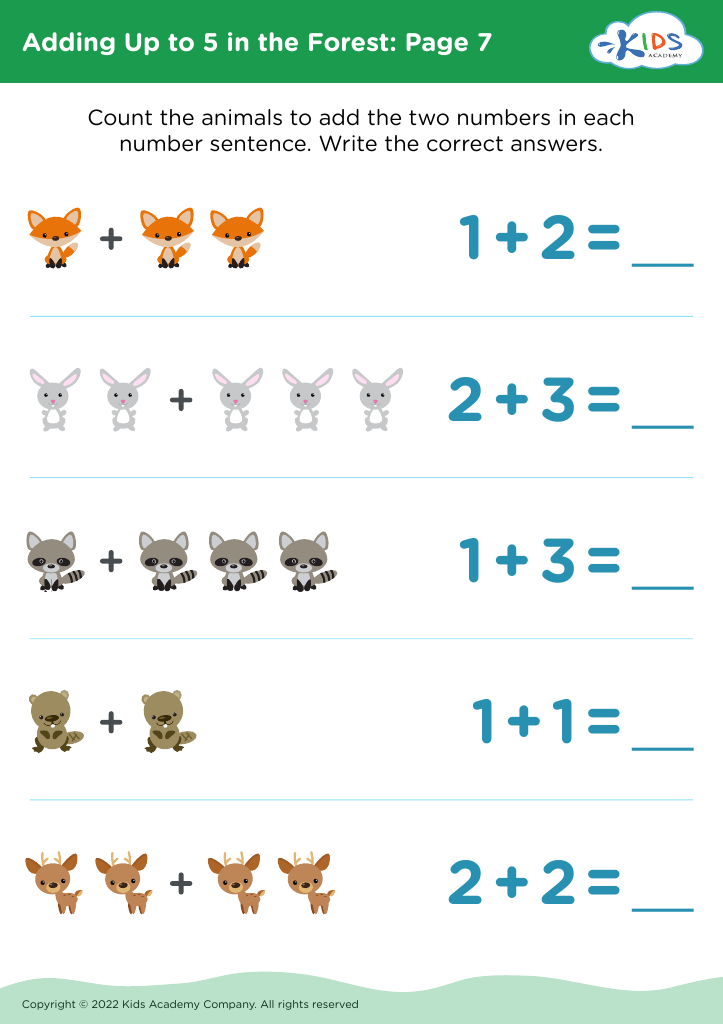
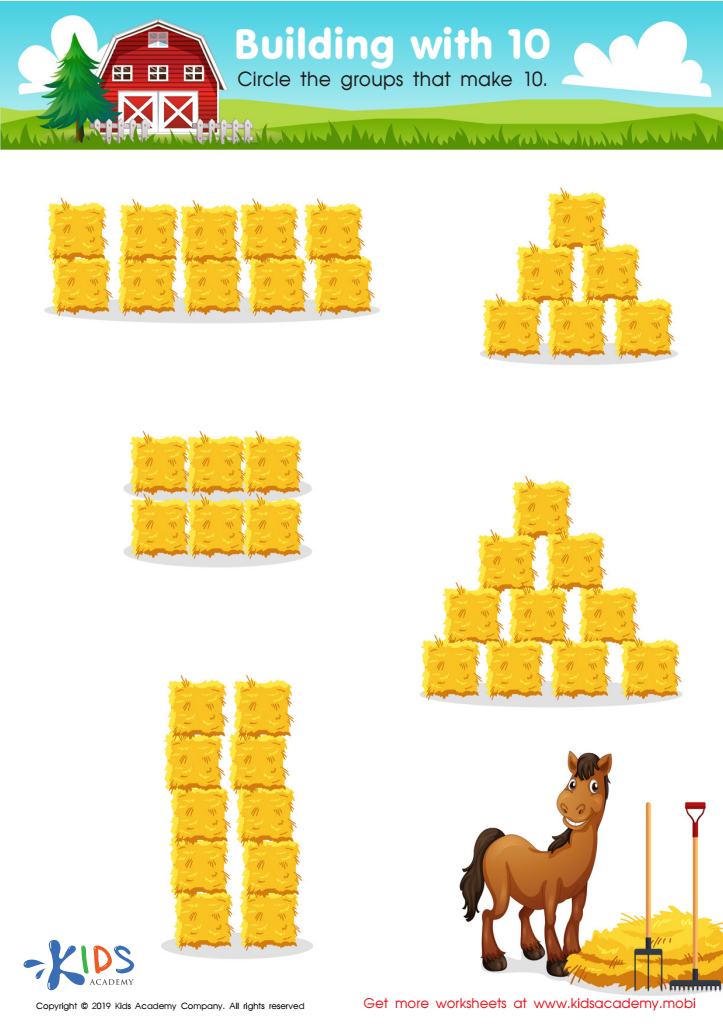
Building with 10 Worksheet
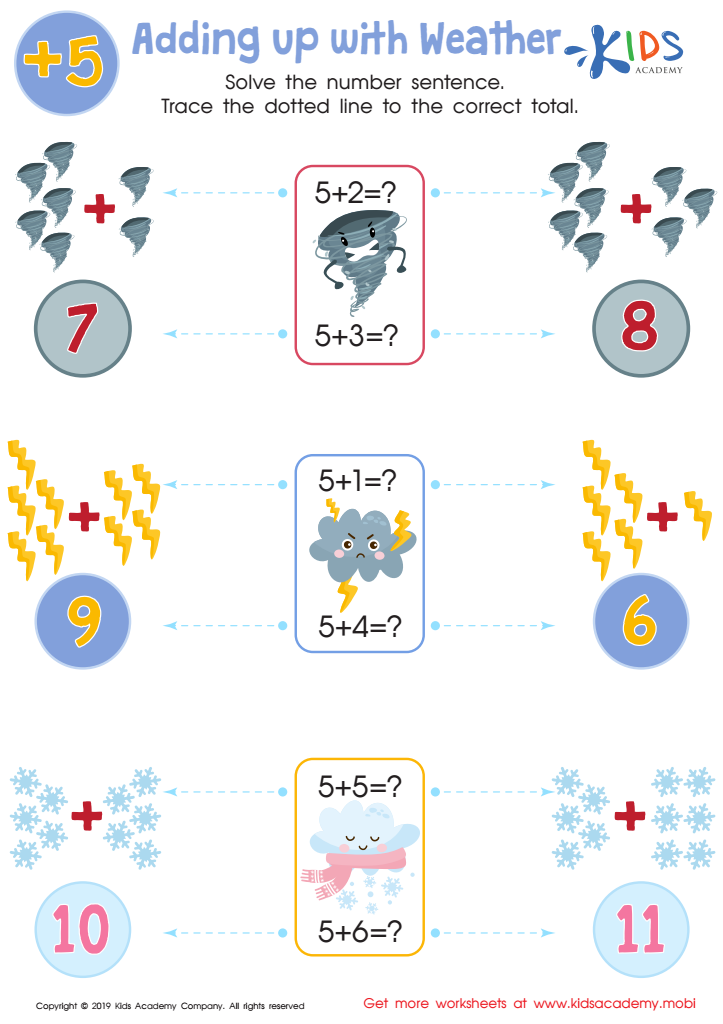
Adding up With Water Worksheet
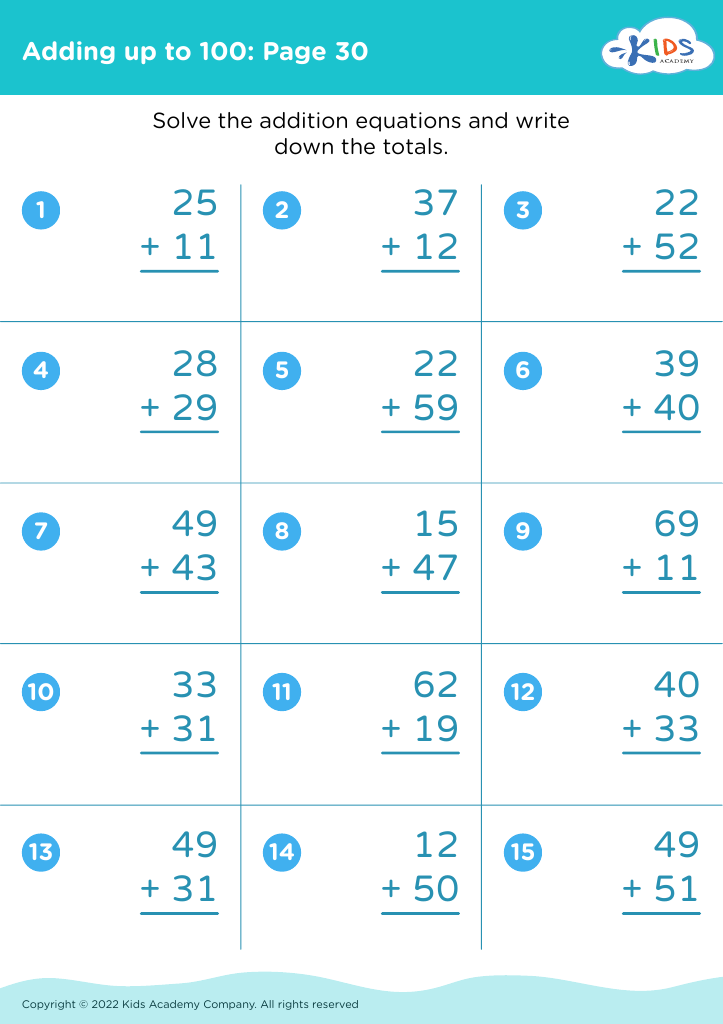
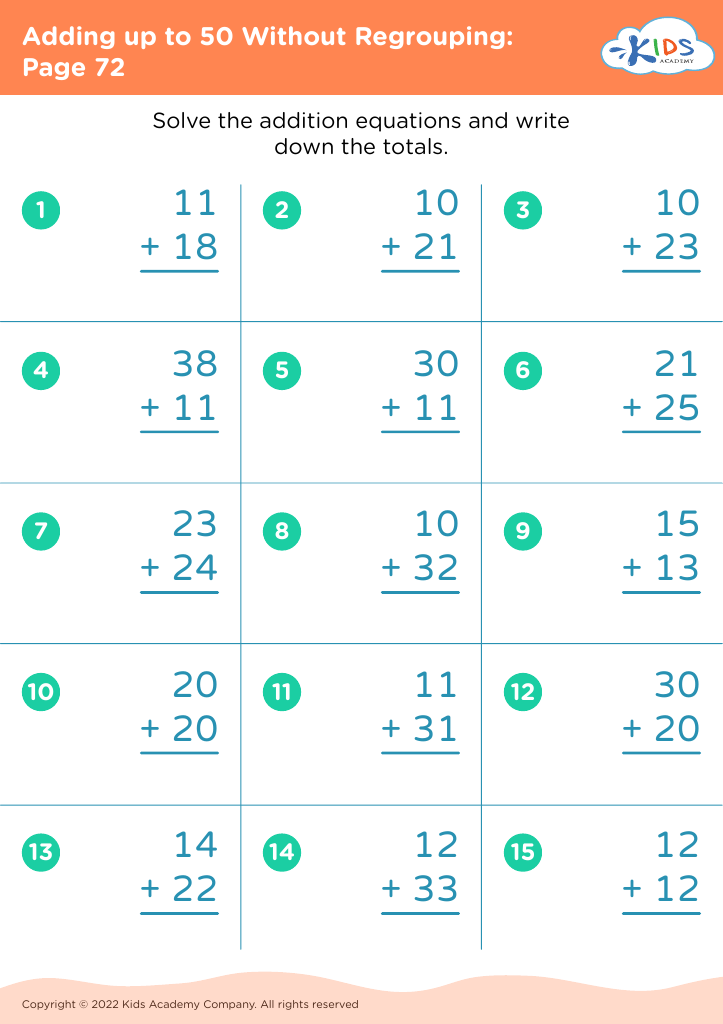
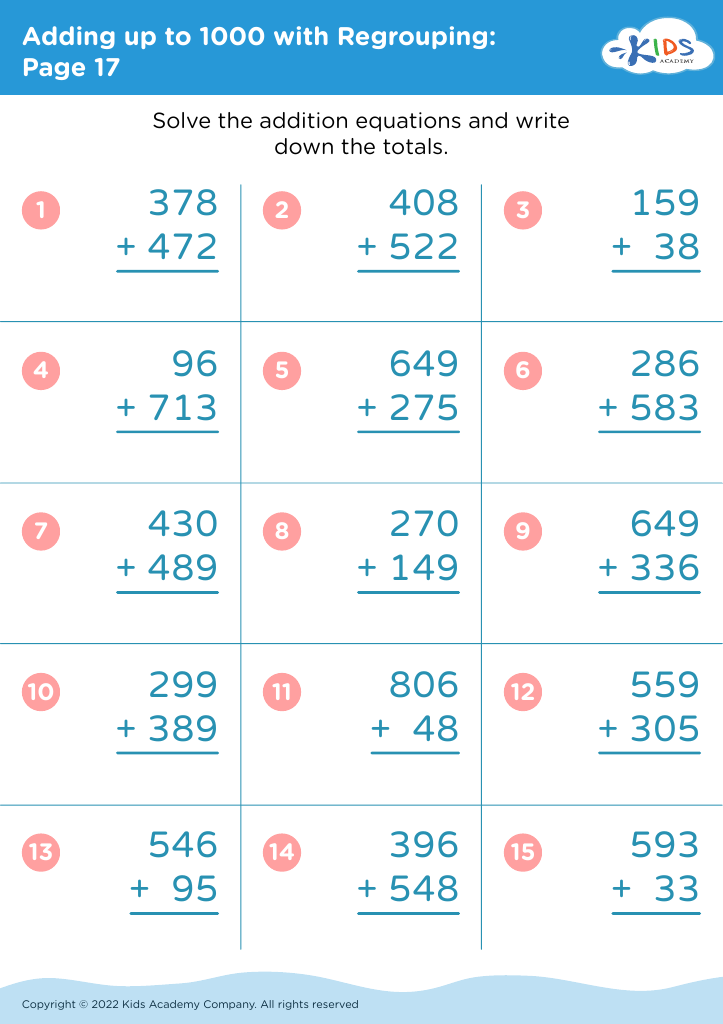








Basic math skills, especially addition, are fundamental building blocks for children's cognitive development and future academic success. For children ages 3-7, acquiring early addition skills is crucial for several reasons.
Firstly, mastering addition lays the groundwork for more complex mathematical concepts, such as subtraction, multiplication, and division. Understanding these foundational principles early ensures that students can progress confidently in math as they advance in their education.
Secondly, engaging with addition helps enhance problem-solving skills, logical thinking, and brain development. Young learners who practice addition develop the ability to identify patterns and relationships, which are skills applicable in various aspects of life and learning.
Furthermore, success in early math boosts a child's confidence and fosters a positive attitude toward learning. This encouragement is vital as it sets the tone for future academic endeavors, promoting a growth mindset where children feel competent and motivated to tackle challenging tasks.
Moreover, early proficiency in math, including addition, is linked to better performance in science, technology, engineering, and mathematics (STEM) fields. A solid start in these areas opens doors to a wider range of career opportunities in an increasingly tech-driven world.
Thus, parents and teachers should prioritize basic math skills to ensure holistic development, foster self-assured learners, and set children on a path toward academic and career success.








