
Fraction Addition Addition Worksheets for Ages 3-7
14 filtered results
Difficulty Level
Grade
Age
-
From - To
Subject
Activity
Standards
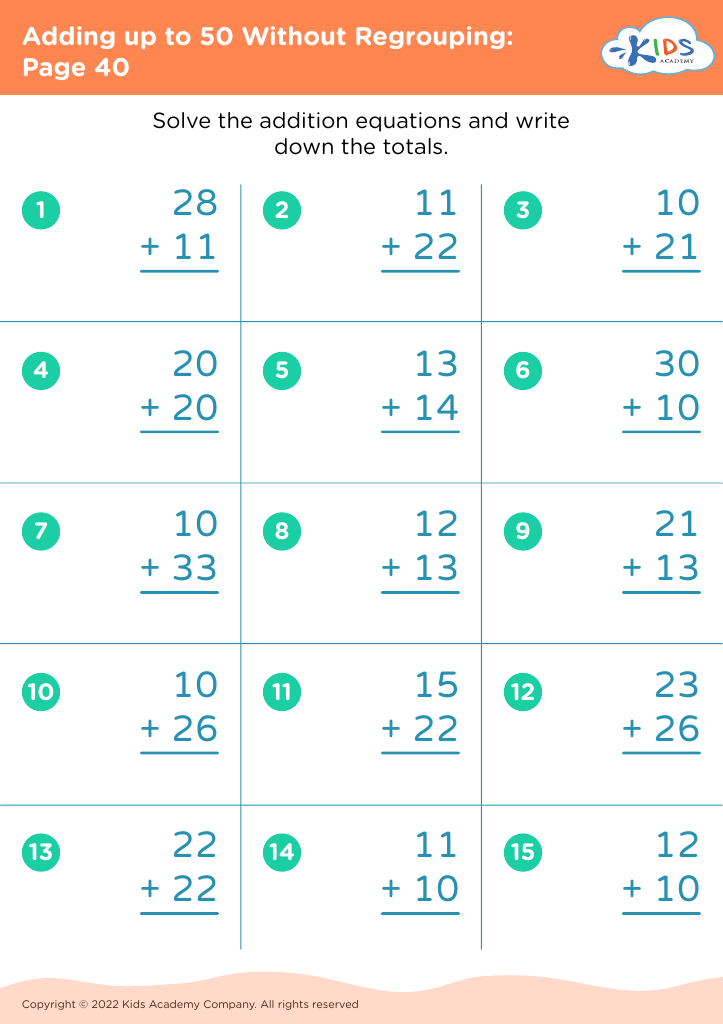
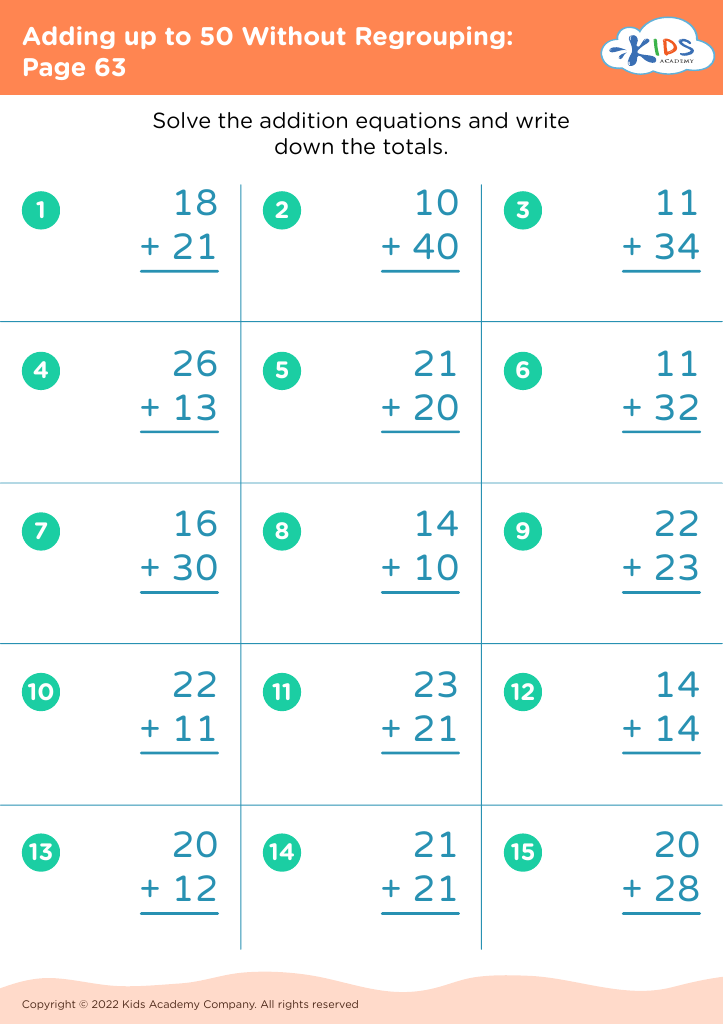
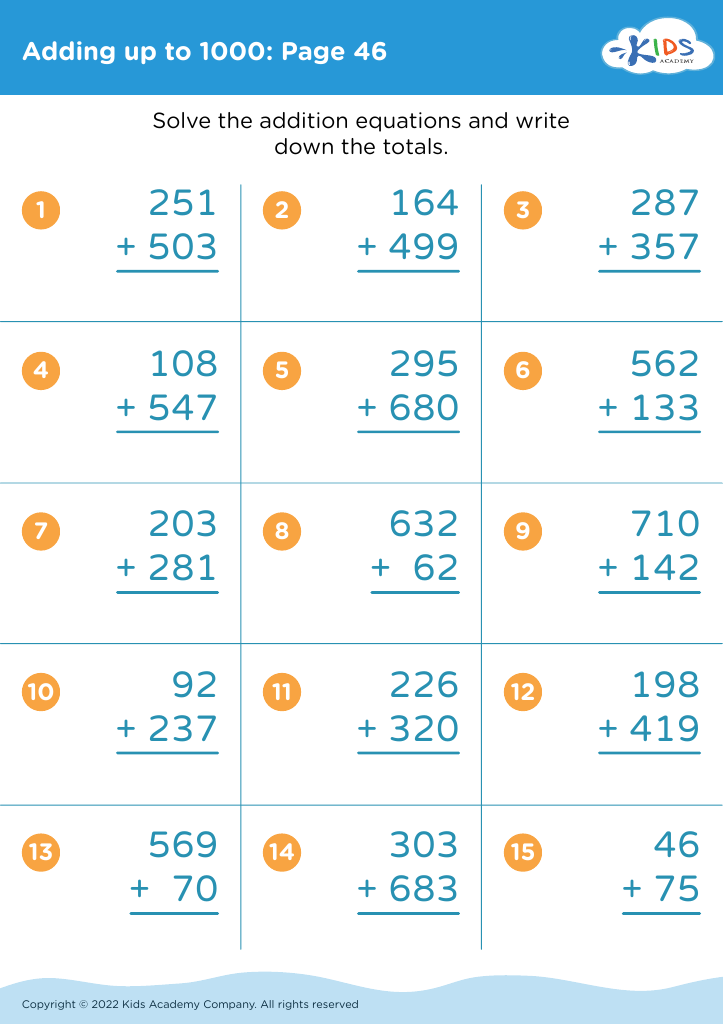
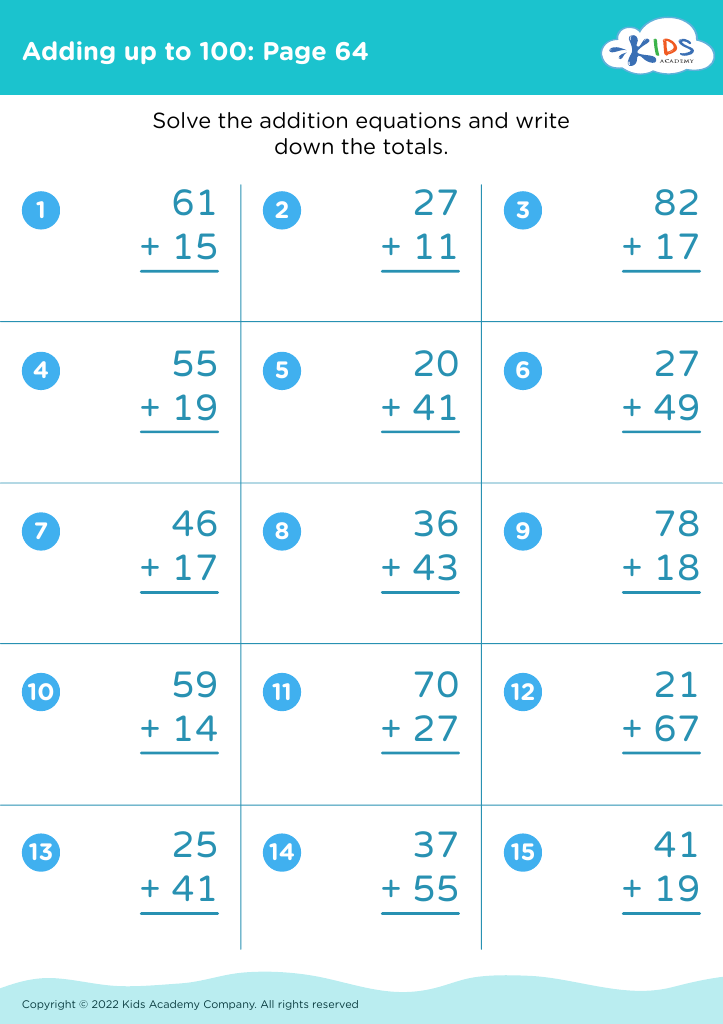
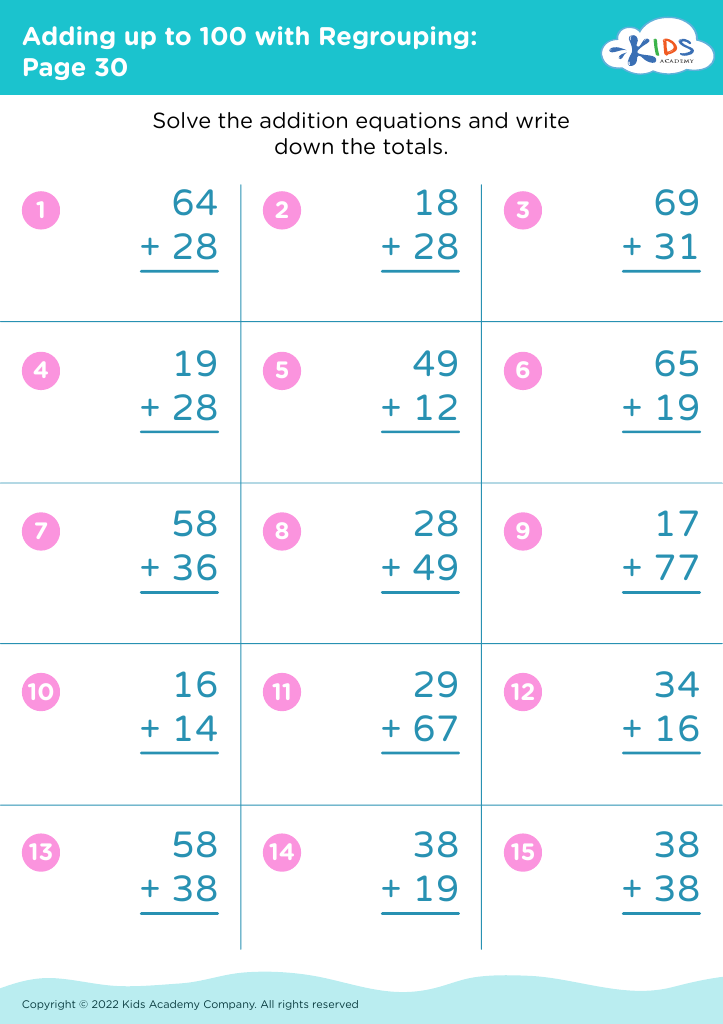
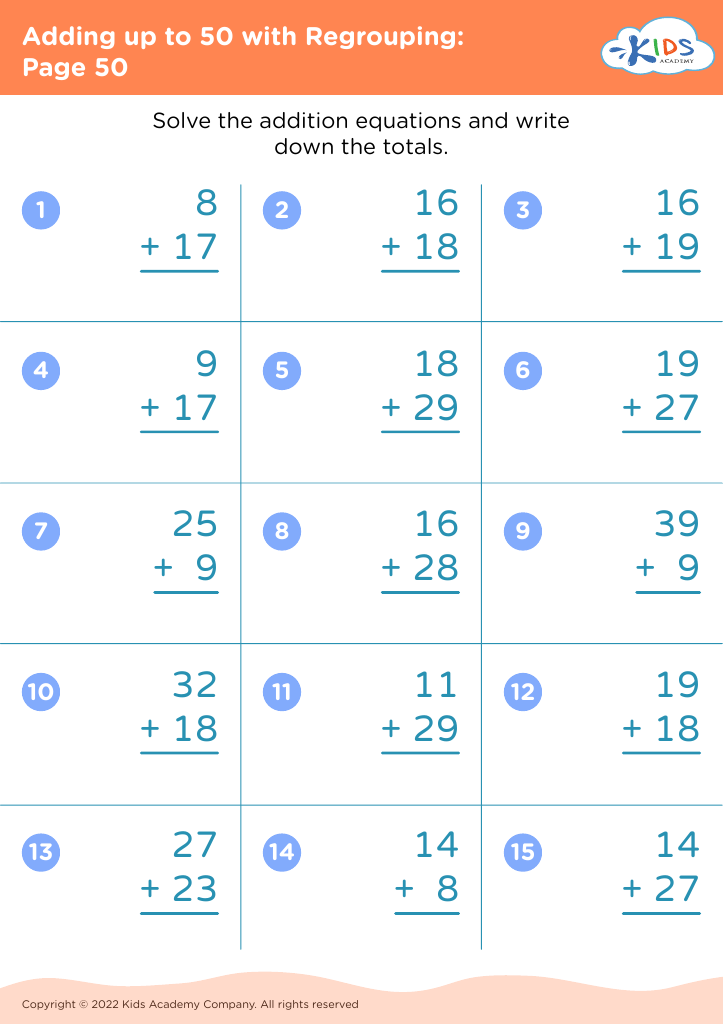
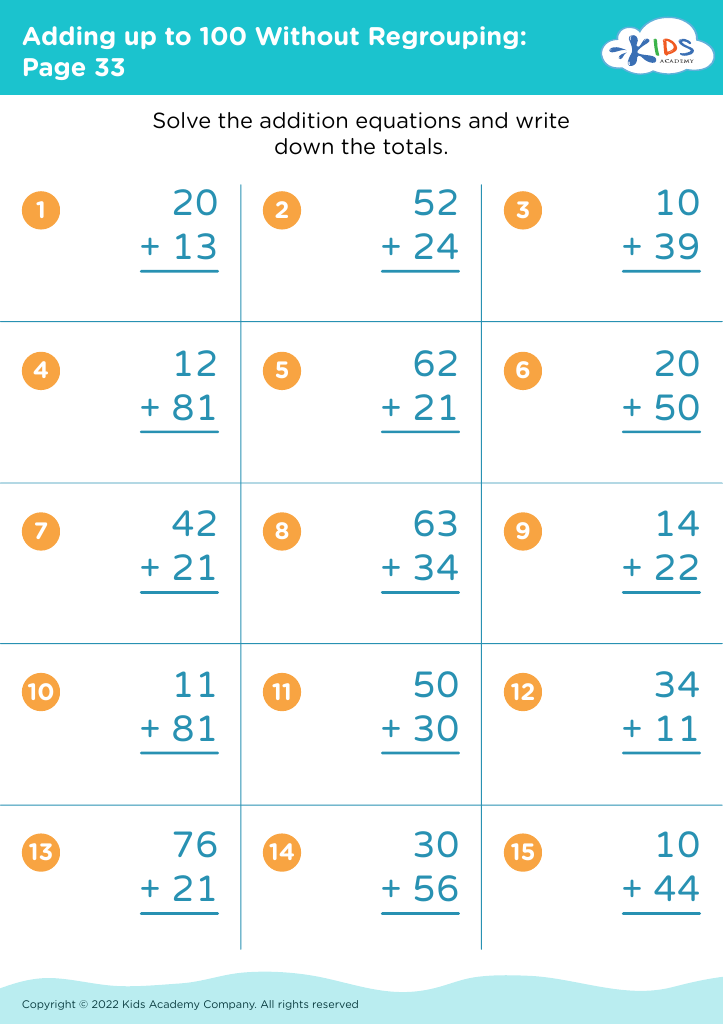
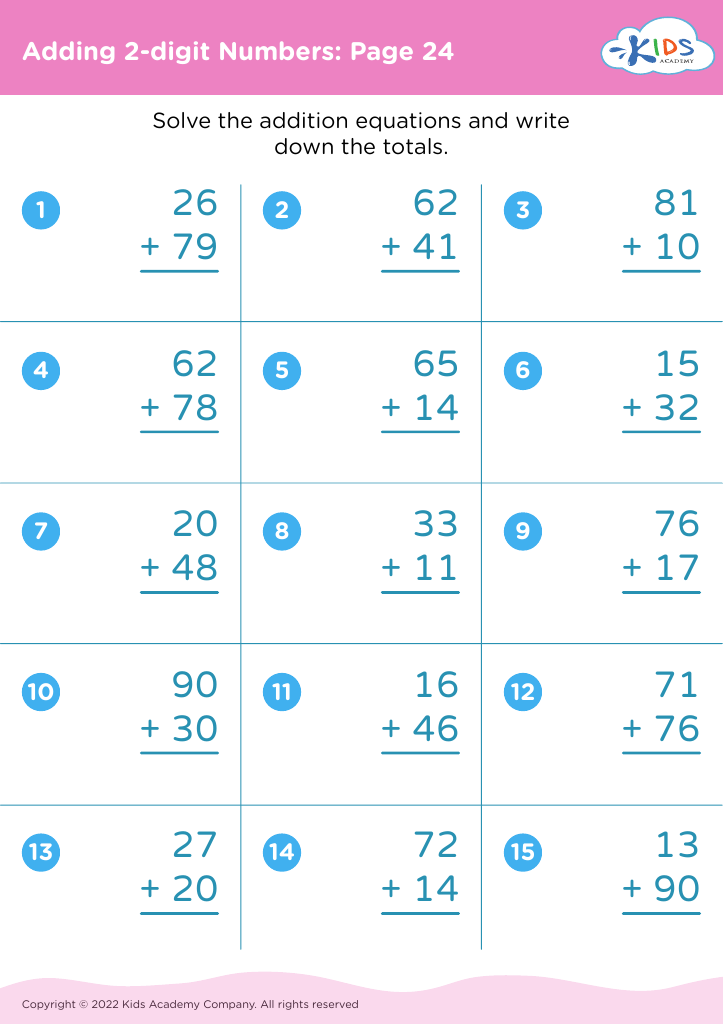
Welcome to our engaging Fraction Addition Worksheets designed specifically for children aged 3-7! These worksheets provide a fun and interactive way for young learners to master the essential skill of adding fractions. Tailored to introduce foundational math concepts, our activities feature colorful illustrations and simple instructions to keep kids motivated and excited about learning. Ideal for parents and teachers, these resources will enhance your child's understanding of fractions through clear visuals and practical exercises. Explore our collection today to help your little ones build confidence in their math abilities while having fun with fractions! It’s learning made enjoyable!
Favorites
With answer key
Interactive
Join Kids Academy for Free
Who is primarily going to use this learning content?








Understanding fraction addition is crucial for children aged 3 to 7 as it lays a foundational understanding of math concepts that will be built upon in later years. First, fractions are everywhere in daily life, from cooking to sharing food, making these concepts relatable and essential for real-world application. Teaching fraction addition early helps cultivate a sense of number sense, preparing children for more complex operations in the future.
Additionally, grasping fraction addition aids in developing critical thinking skills. It encourages children to visualize problems, fostering a strong cognitive framework needed for advanced math topics. This comprehension enhances their ability to solve problems and make comparisons, reinforcing logical reasoning.
Moreover, when children master fraction addition, it boosts their confidence in math. Positive emotions connected to learning can lead to a lifelong interest in mathematics. Learning in this age group is also about patterns and relationships, and fractions introduce these concepts in a manageable way.
Lastly, involving parents and teachers in this learning fosters a supportive environment that reinforces classroom learning at home, ensuring that children have comprehensive tools to succeed. Emphasizing fraction addition isn't just academic; it’s about nurturing well-rounded, confident learners.








