Fraction identification Addition Worksheets for Ages 3-7
5 filtered results
-
From - To
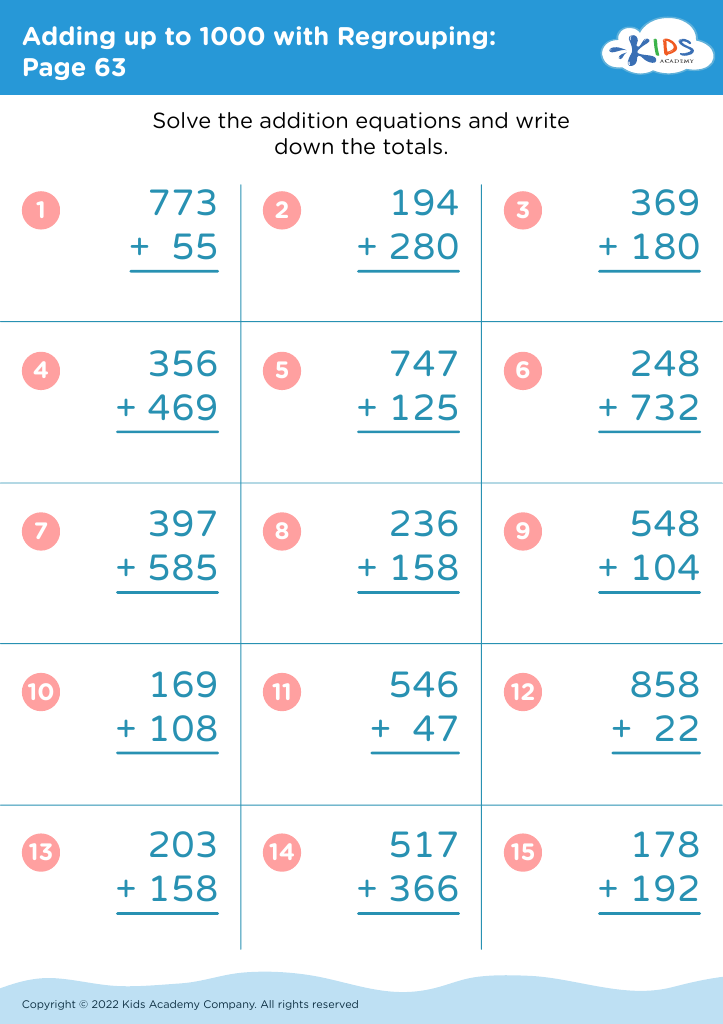
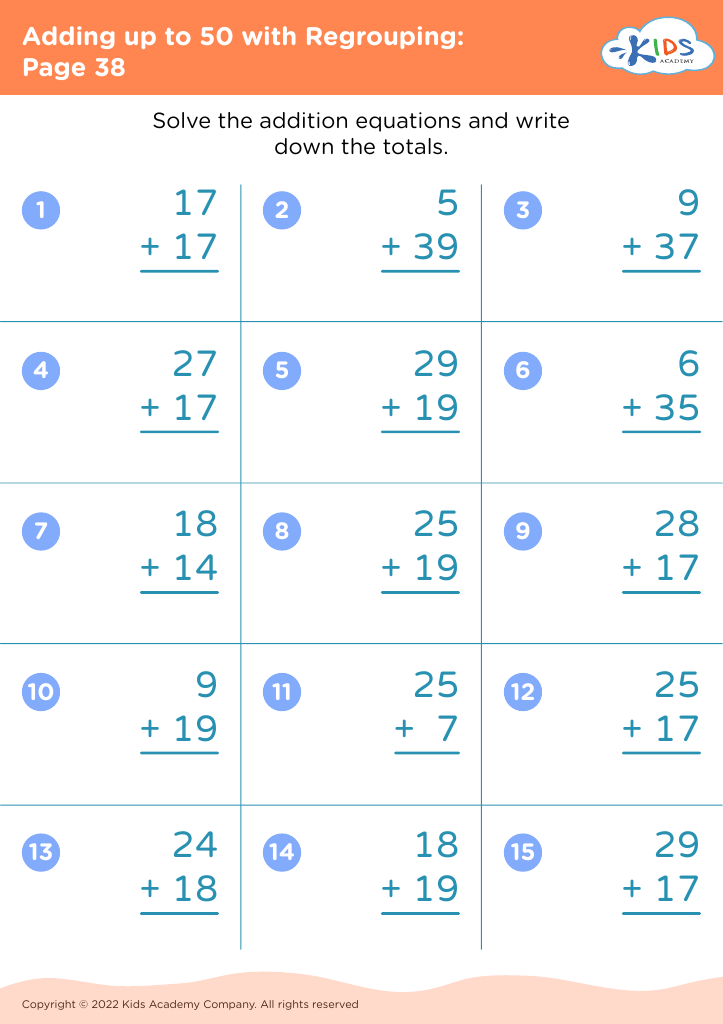
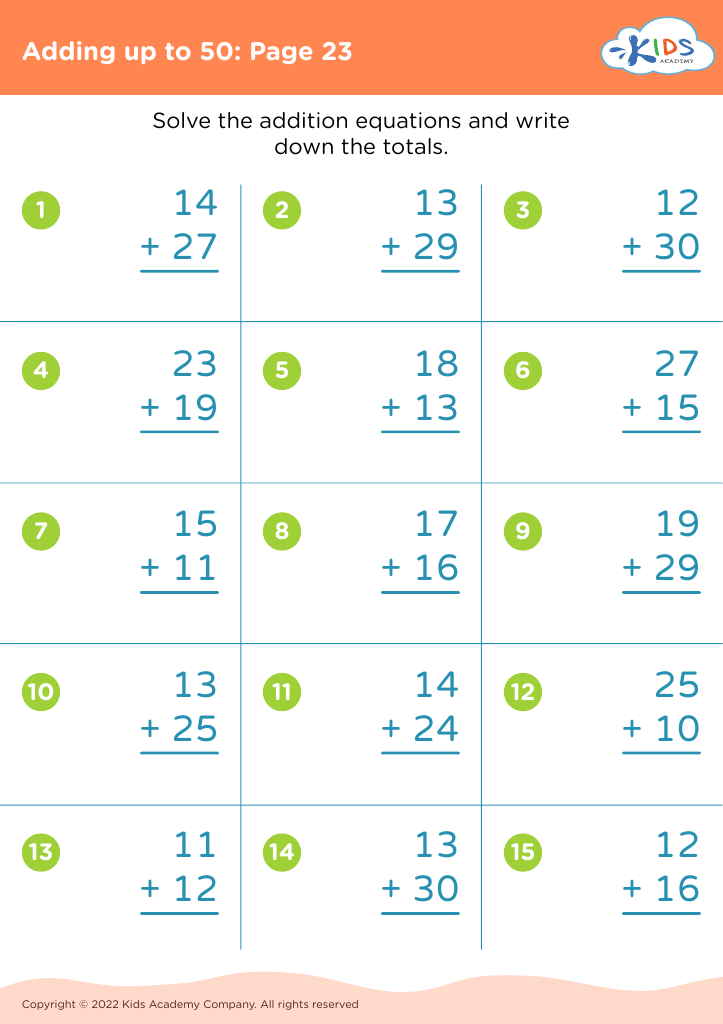
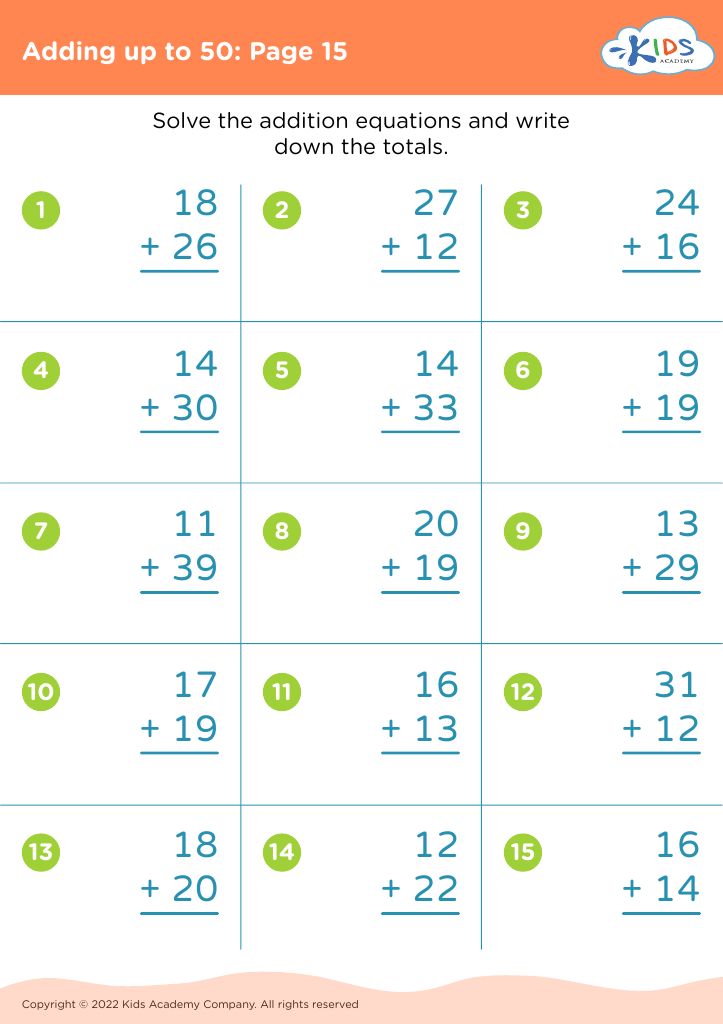
Introduce your young learners to the magical world of fractions with our "Fraction Identification Addition Worksheets" tailored for ages 3-7. These engaging worksheets help children understand and practice adding fractions in a fun and age-appropriate way. Each worksheet is designed to make learning fractions simple and enjoyable, using colorful images and simple problems. Perfect for building foundational math skills, they encourage problem-solving and critical thinking. Whether used in a classroom or at home, our worksheets provide a great resource for teachers and parents aiming to boost their child's confidence in math. Start their math journey today!
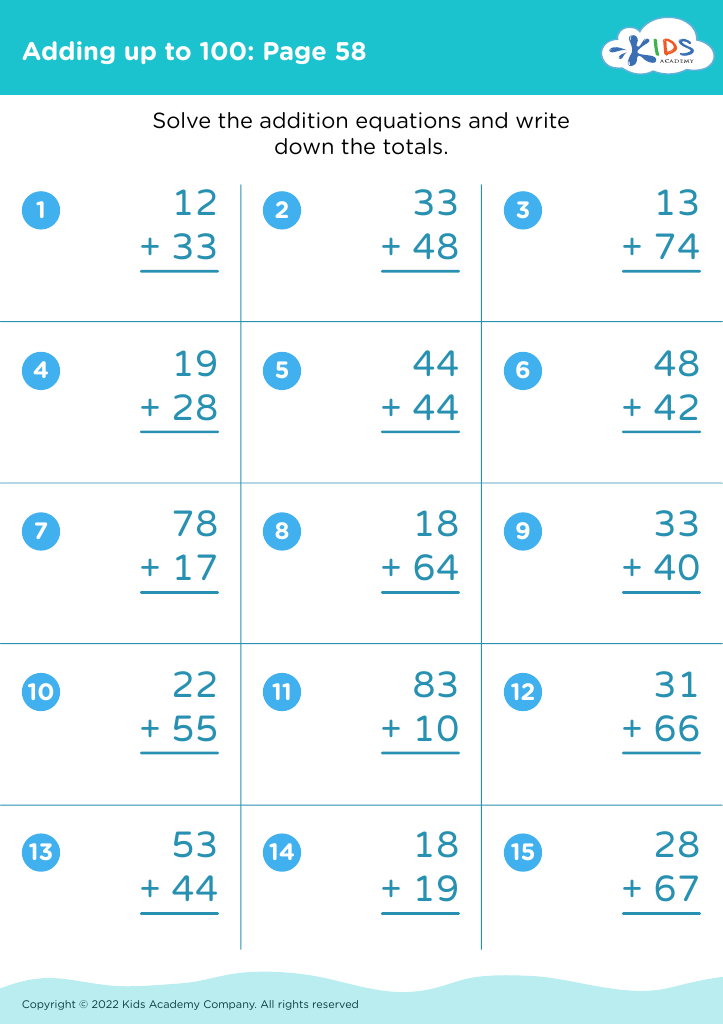








Introducing young children, ages 3 to 7, to fraction identification and addition establishes a solid foundation for their future mathematical learning. At this pivotal developmental stage, children's brains are highly receptive to new concepts, and presenting fractions early fosters numerical literacy and problem-solving skills. Understanding fractions helps children grasp the idea of parts making up a whole, which is essential not only in mathematics but also in everyday life.
Early exposure to fractions nurtures better mathematical confidence. When children become familiar with naming and visualizing fractions like halves, quarters, and thirds, they develop comfort with numbers. This early comfort reduces math anxiety encountered by older students who meet these concepts for the first time later in school life. Moreover, fraction identification promotes critical thinking as children must differentiate and understand the relative sizes and relationships between different parts of a whole.
Incorporating fun, hands-on activities, such as cutting apples into halves or sharing pizza slices, allows children to see real-world applications of fractions, grounding abstract concepts in tangible experiences. An early introduction not only enhances cognitive ability but also assures kids that mathematics is a part of daily routines and problem-solving, ultimately preparing them for more advanced topics with a positive, prepared mindset.








