Fraction simplification Addition Worksheets for Ages 3-7 - Page 3





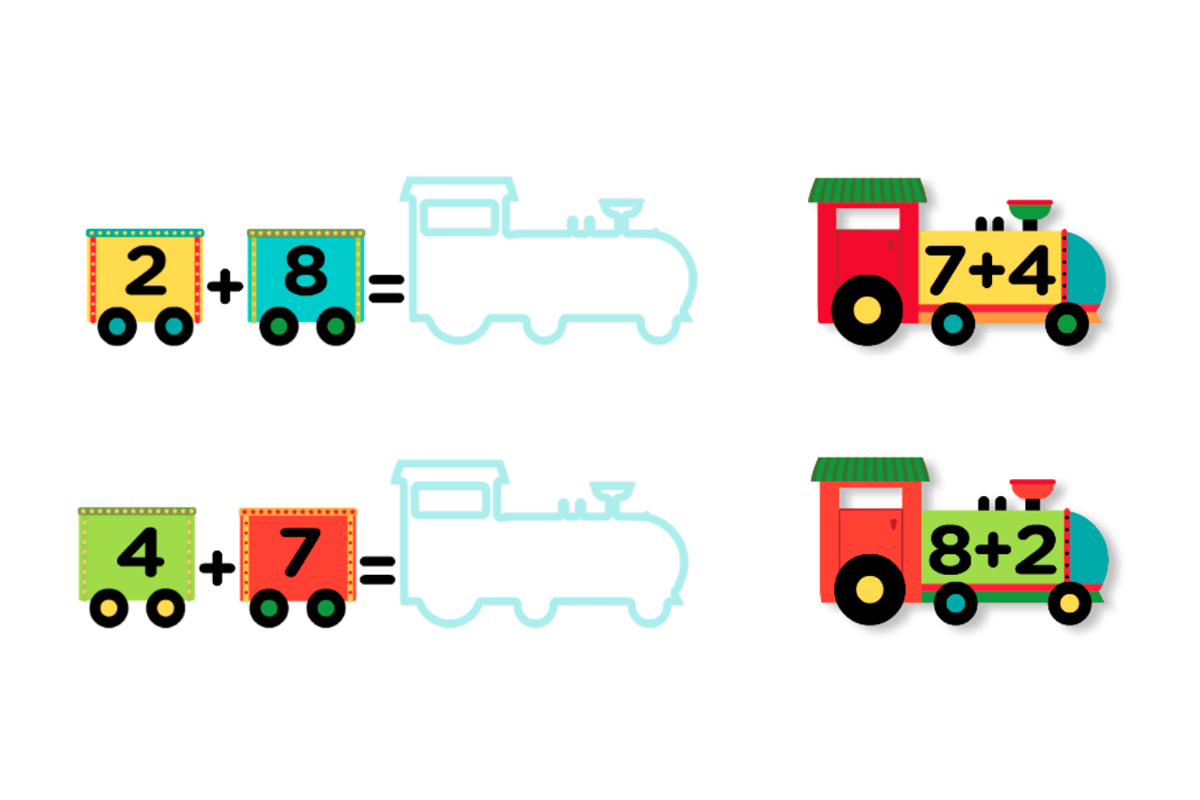


Understanding fraction simplification and addition at a young age can make a significant impact on a child’s mathematical development. For children aged 3-7, grasping these concepts early can build a strong foundation for more advanced math skills in the future. First and foremost, early exposure to fractions introduces fundamental principles of numerical relationships and proportional reasoning, which are crucial for various life skills as well as academic subjects.
Additionally, simplifying fractions instructional activities can enhance problem-solving abilities. When children learn to simplify fractions, they begin to see the importance of breaking down problems into smaller, more manageable parts. This skill can help in situations far beyond math, as it encourages logical thinking, patience, and perseverance—qualities that contribute to overall cognitive development.
Practicing fraction addition helps children comprehend how parts create a whole and strengthens their ability to perform multi-step operations. This practice enhances their mental arithmetic capabilities and leverages their understanding of addition and subtraction.
Ultimately, instilling a familiarity with these concepts boosts confidence. When children feel adept at intricate tasks like fraction simplification and addition, they become more likely to approach other mathematical problems with a positive and determined mindset, facilitating a lifelong appreciation of learning and intellectual challenge.








