
Improve math skills Addition Worksheets for Ages 3-7
17 filtered results
Difficulty Level
Grade
Age
-
From - To
Subject
Activity
Standards
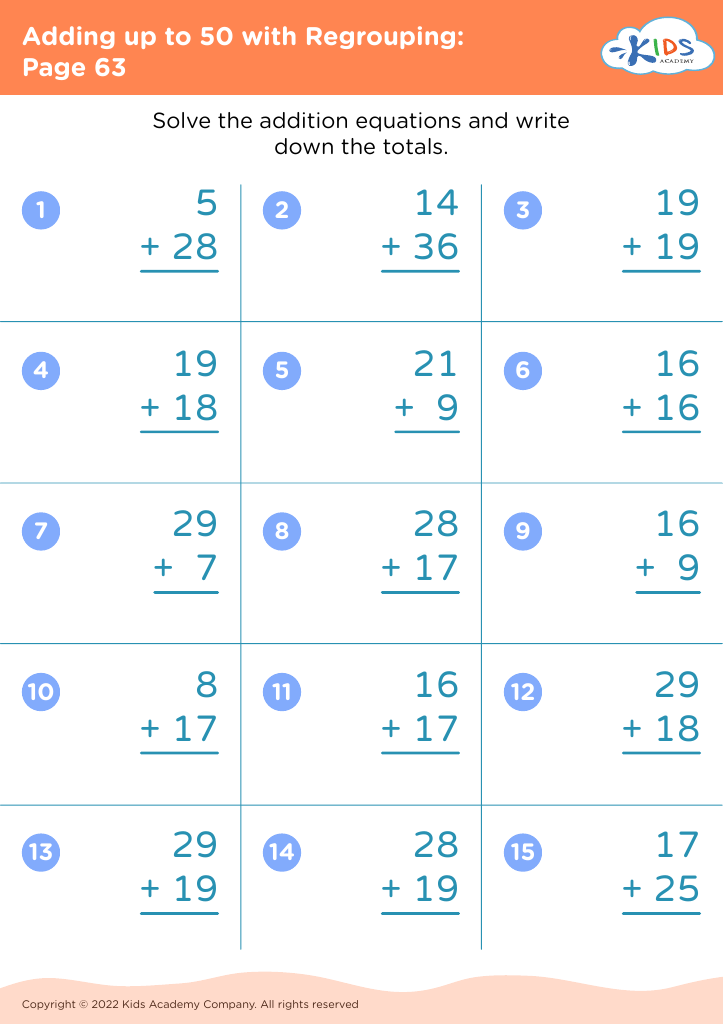
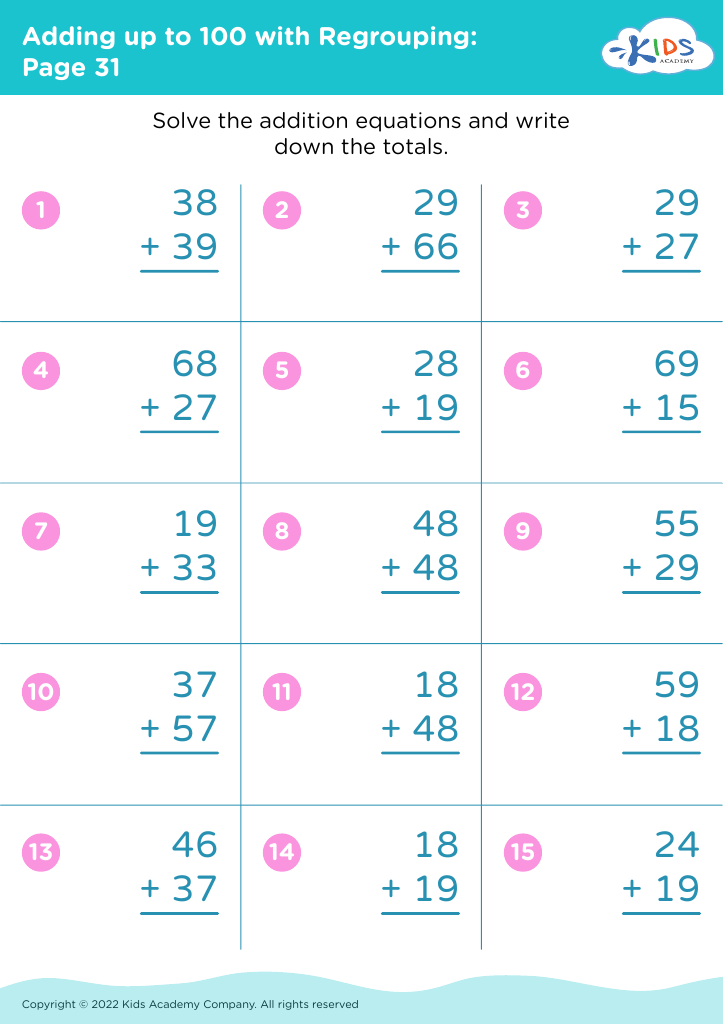
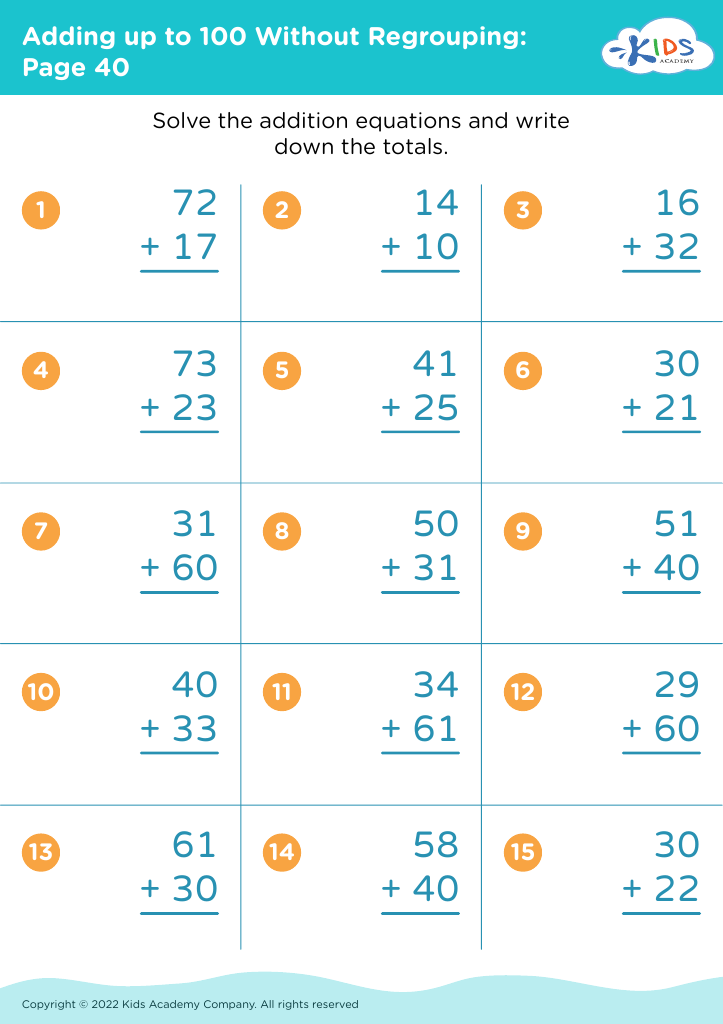
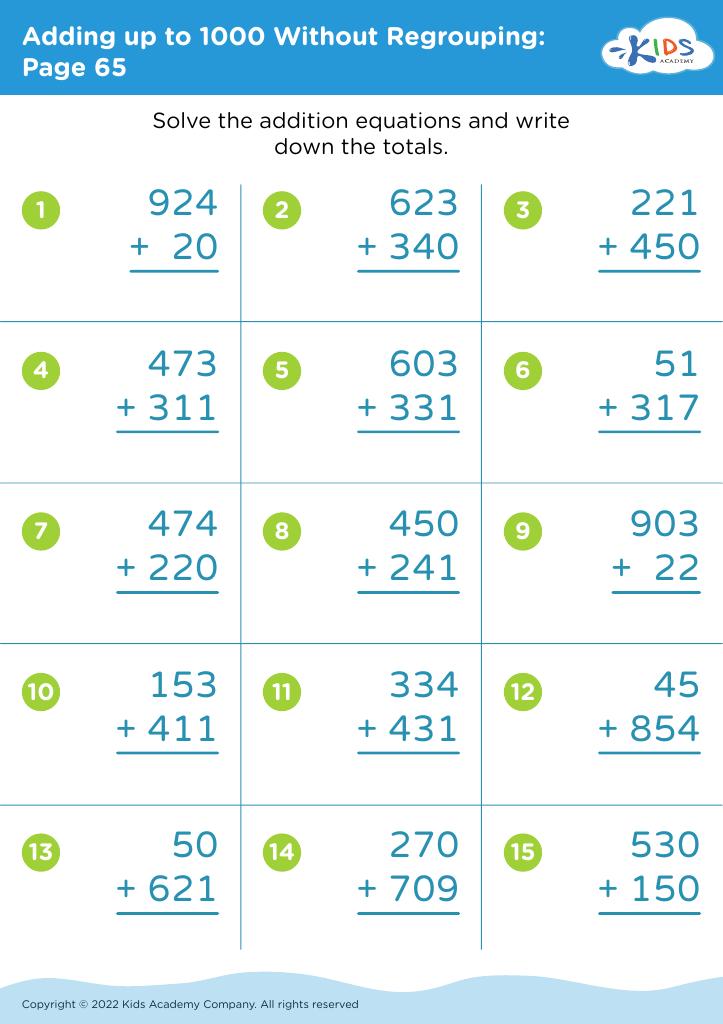
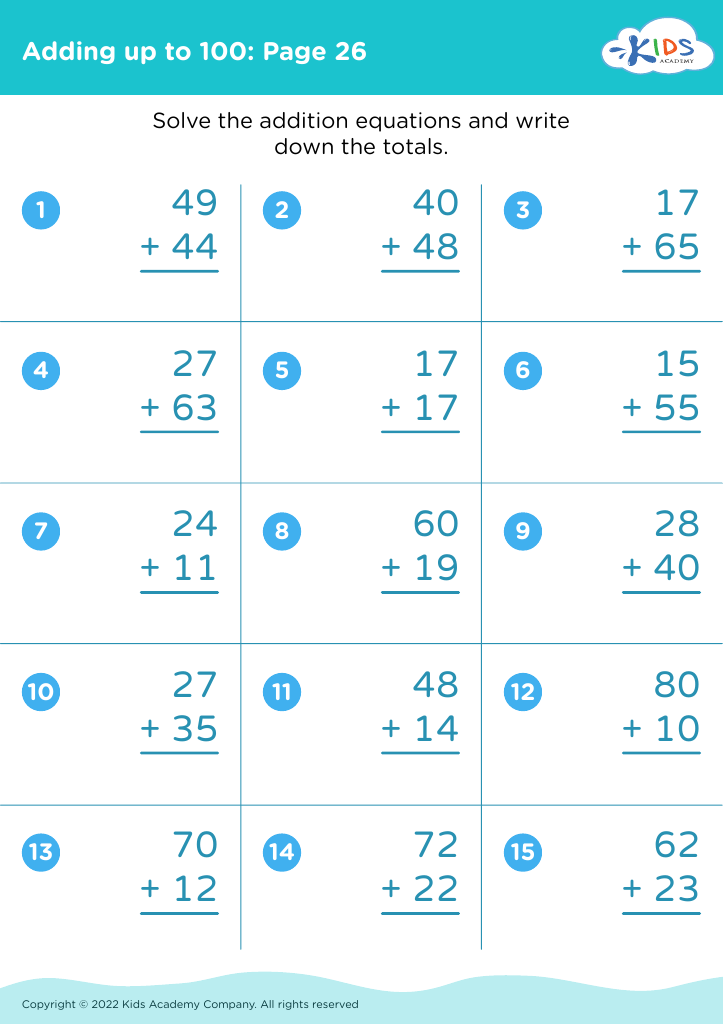
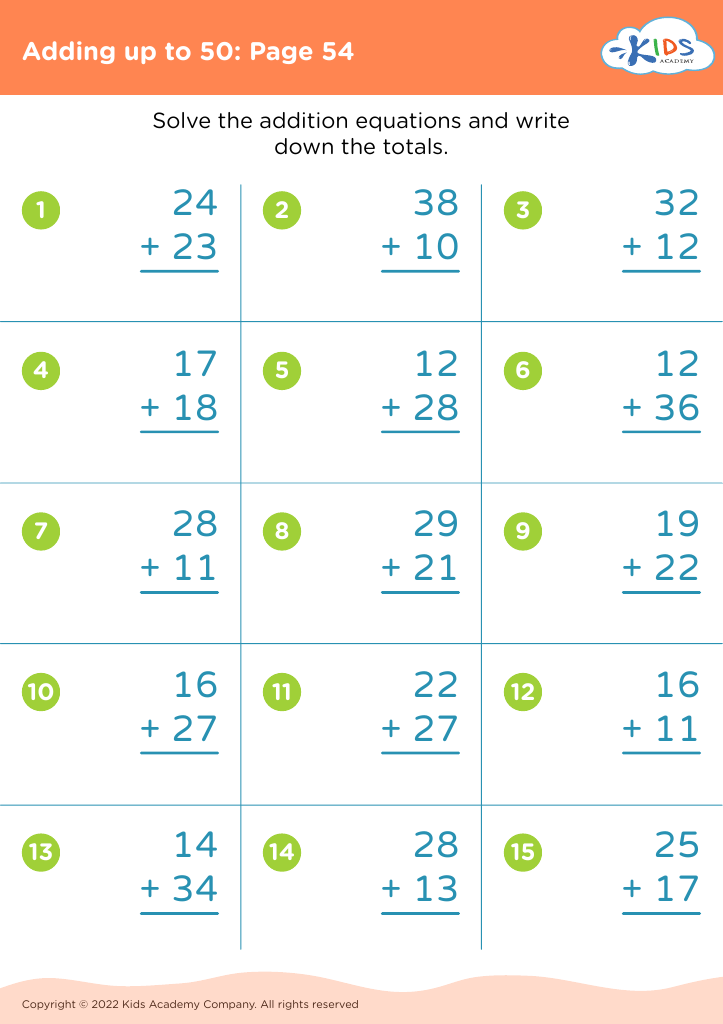
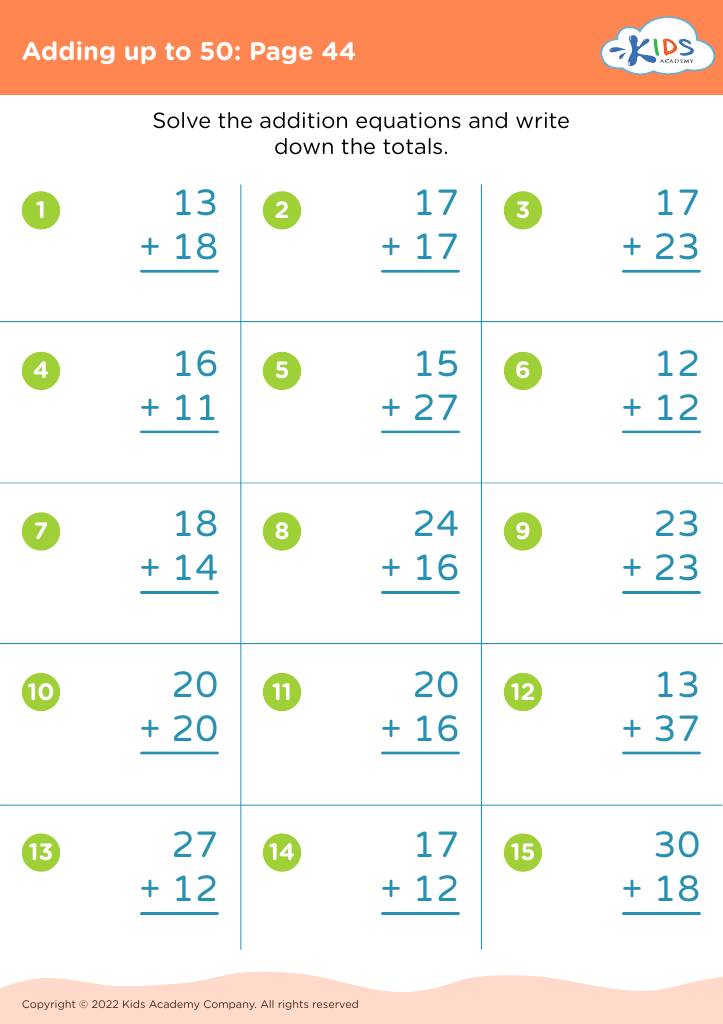
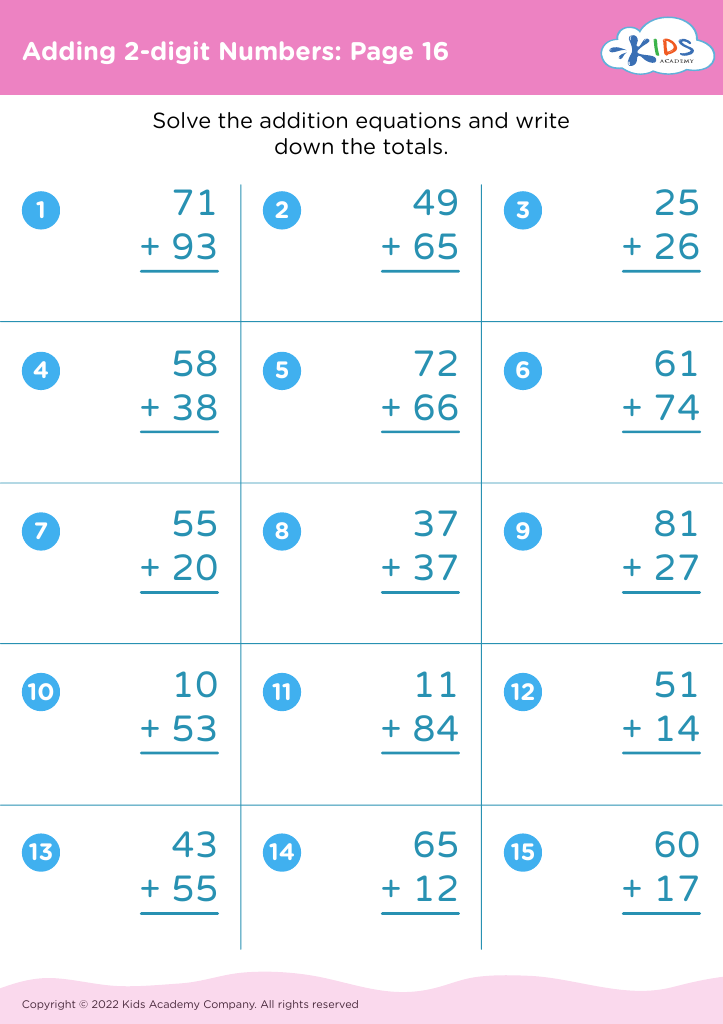
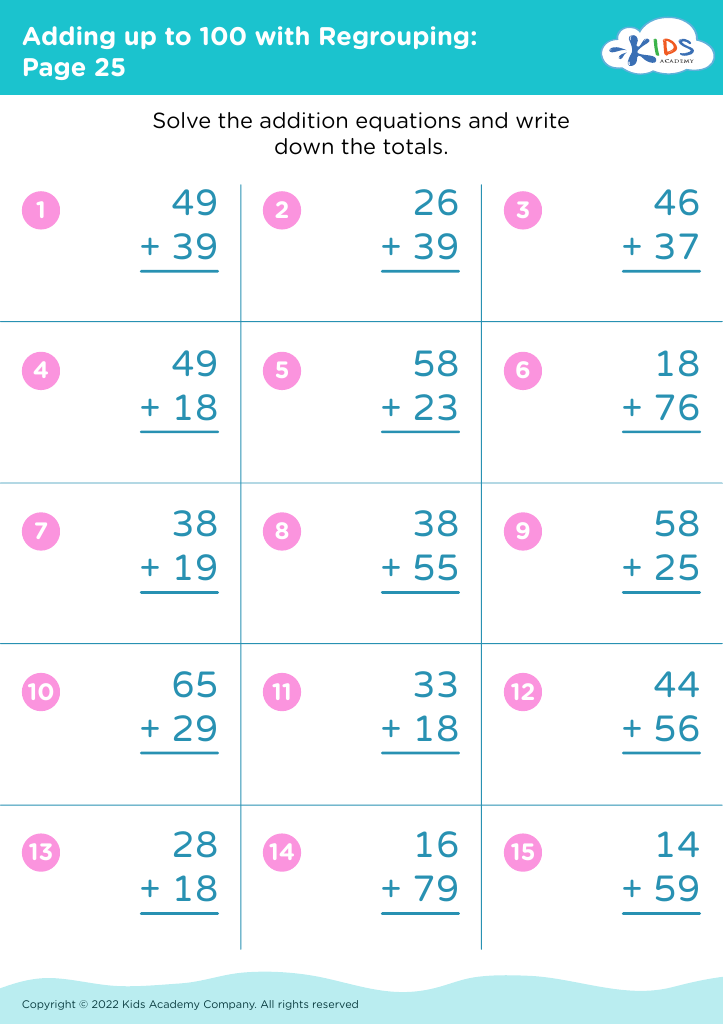
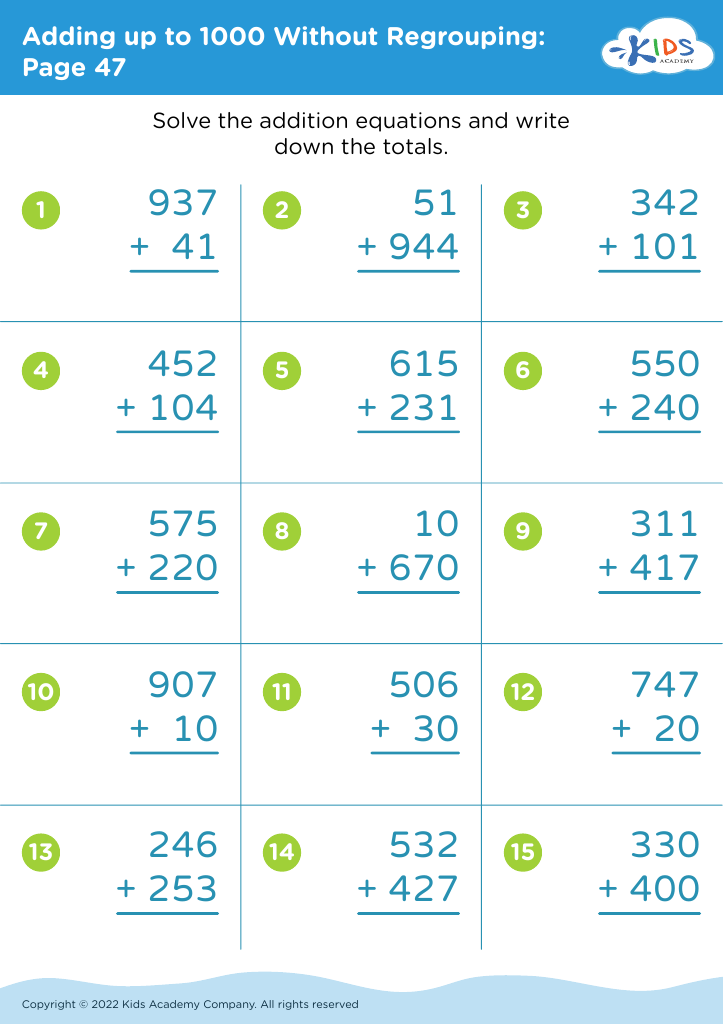
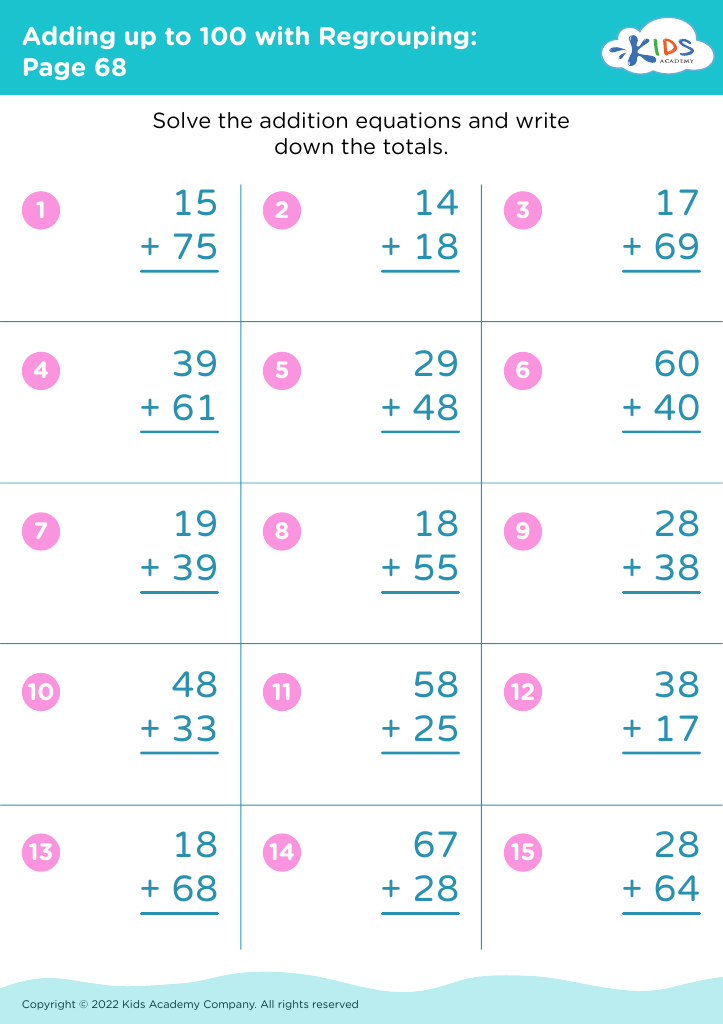
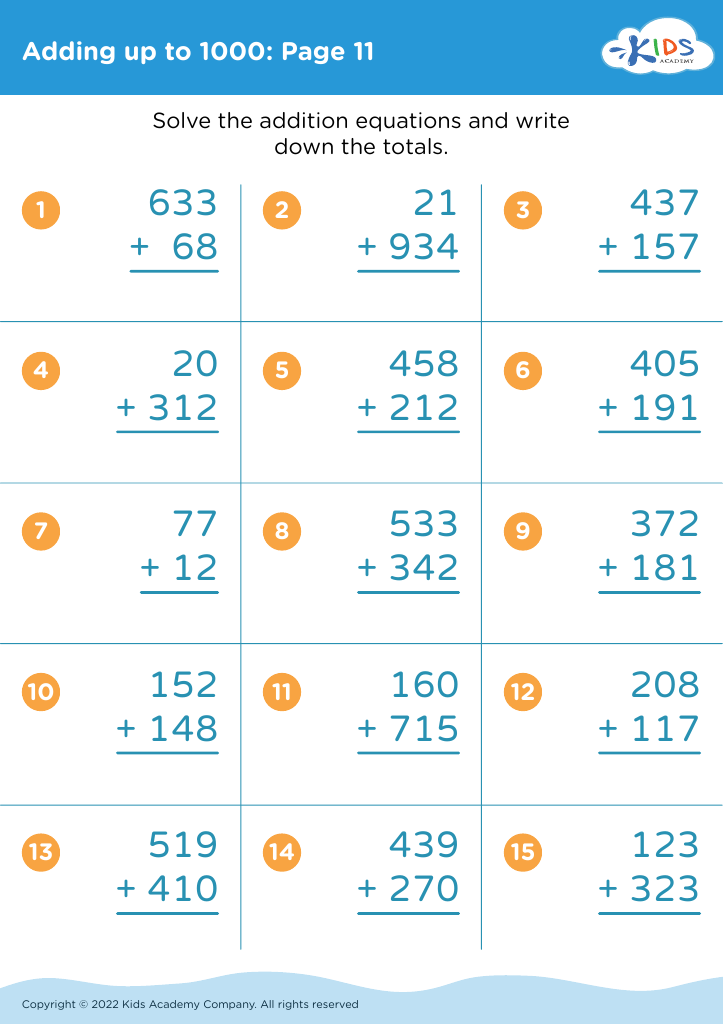
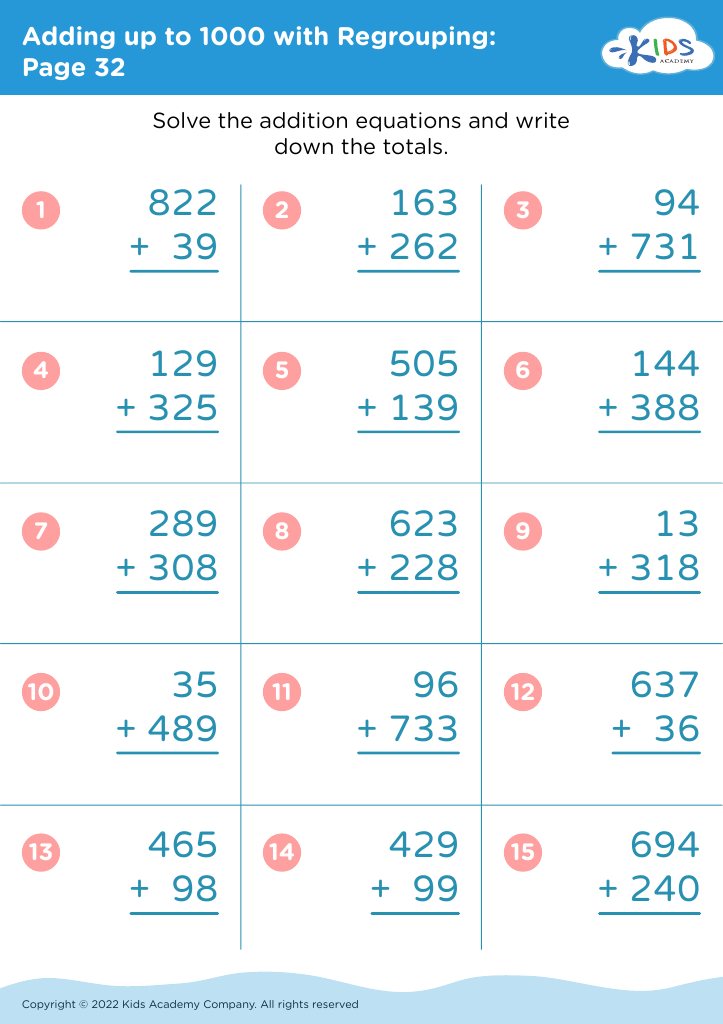
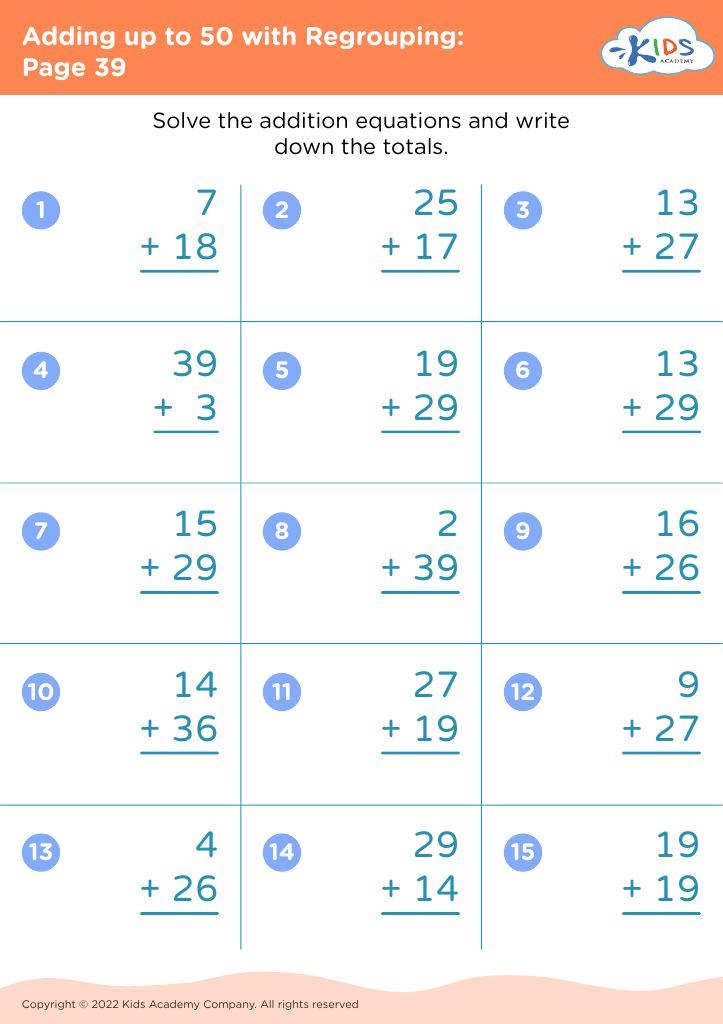
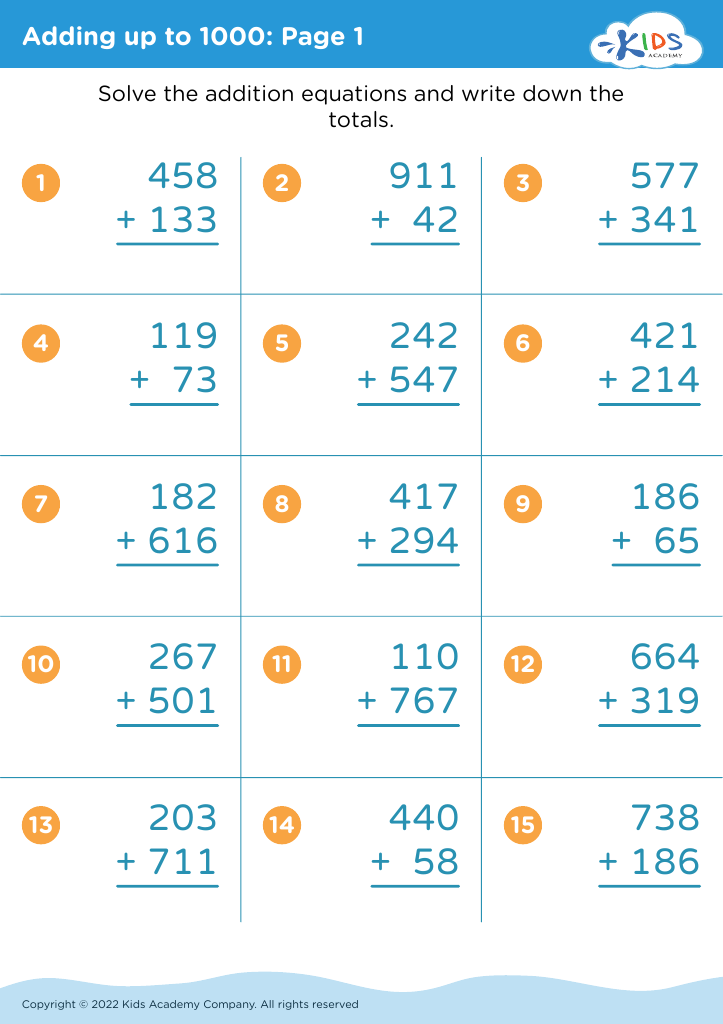
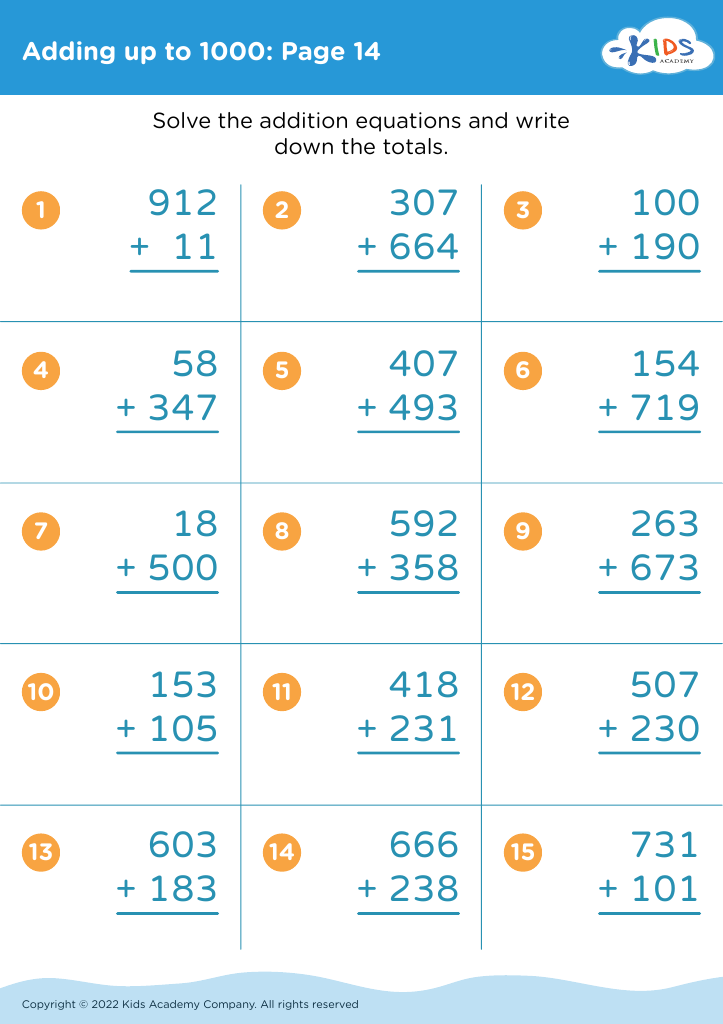
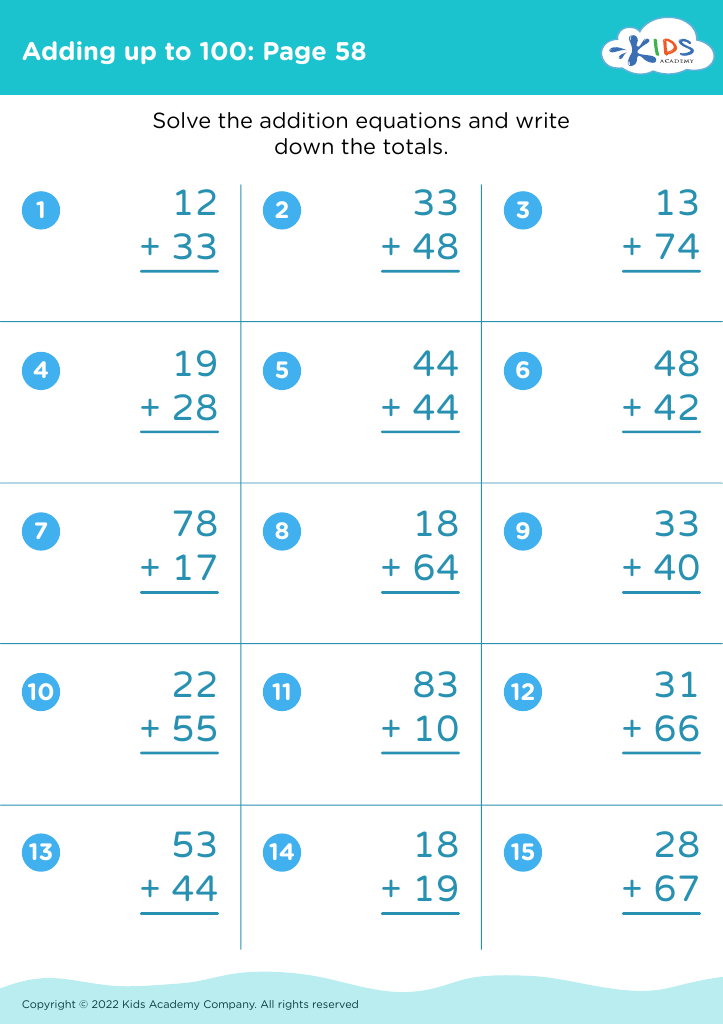
Unlock your child's potential with our engaging Addition Worksheets designed specifically for ages 3-7! These worksheets are perfect for helping young learners develop essential math skills in a fun and interactive way. With a variety of activities tailored to different learning styles, your child will master addition while building confidence and a love for math. Our colorful, easy-to-follow worksheets encourage critical thinking and problem-solving, making learning enjoyable. Ideal for parents and teachers alike, these resources are a fantastic tool for enhancing your child’s understanding of mathematical concepts. Discover the joy of learning and watch your child thrive in math!
Favorites
With answer key
Interactive
Join Kids Academy for Free
Who is primarily going to use this learning content?







.jpg)
Improving math skills, particularly addition, for children ages 3-7 is vital for their overall cognitive development and future academic success. At this young age, children are forming foundational skills that will impact their learning trajectory. Mastering basic addition provides essential number sense, which enhances their ability to solve problems and understand more complex mathematical concepts in later years.
Math skills are not just about numbers; they promote critical thinking, logical reasoning, and the ability to make connections between concepts. Encouraging addition through playful and engaging activities makes learning enjoyable and helps create positive attitudes toward mathematics. Moreover, parents and teachers can build confidence in children as they master these skills, fostering resilience and a growth mindset.
Additionally, improved math skills play a crucial role in daily life, from sharing snacks among friends to managing allowances. These practical applications reinforce the importance of math, showing children how it relates to real-world situations.
Overall, by prioritizing addition skills during these formative years, parents and teachers can help ensure children develop a strong mathematical foundation, leading to greater opportunities and a lifelong appreciation for learning. Investing in early math education benefits not only the individual child but also the community at large.








